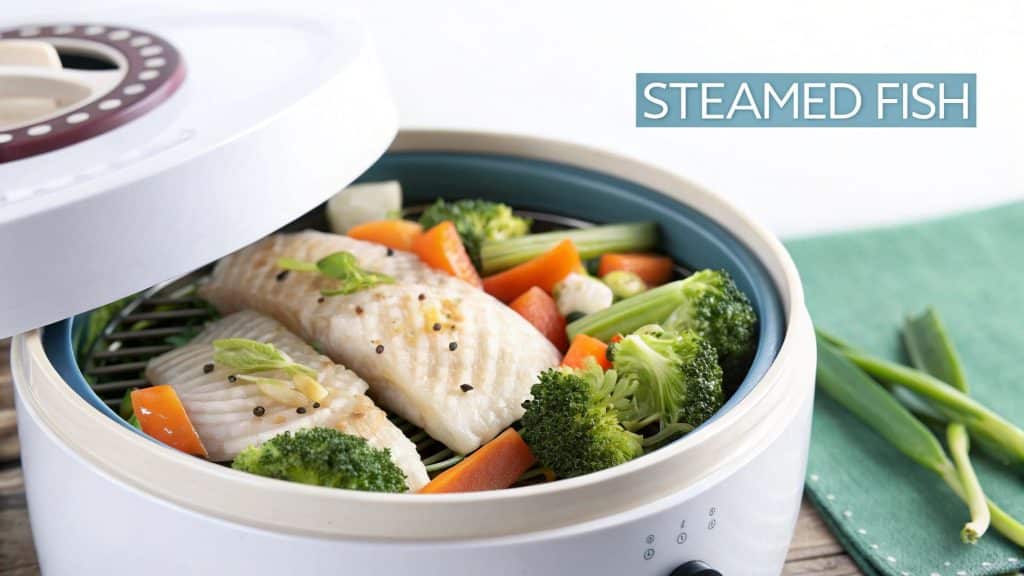
Imagine preparing a nutritious meal without the hassle. That’s exactly what you can achieve by learning how to cook steamed vegetables in a rice cooker.
You might be wondering if this is possible. The answer is yes, and it’s simpler than you think! With a few easy steps, you can transform a simple rice cooker into a versatile kitchen tool. This method saves you time, retains more nutrients, and keeps your kitchen mess-free.
By the end of this article, you’ll not only master a new cooking technique, but you’ll also enjoy delicious, healthy meals with minimal effort. Ready to make your mealtime more efficient and nutritious? Let’s dive in!
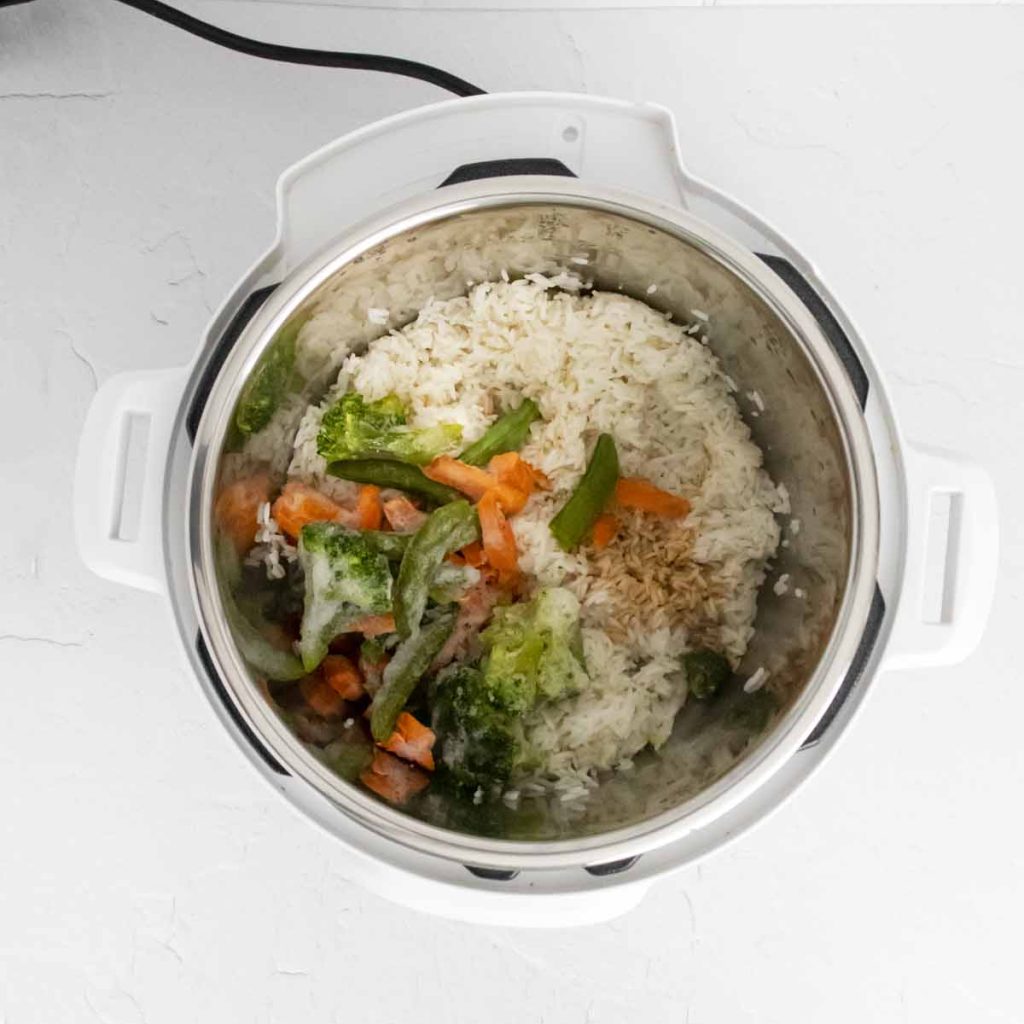
Credit: mycrazygoodlife.com
Benefits Of Steamed Vegetables
Steaming vegetables in a rice cooker is simple and healthy. This cooking method keeps the vegetables fresh and tasty.
Steamed vegetables are good for your body and easy to prepare. You can enjoy their natural flavors without added fats.
Nutrient Preservation
Steaming helps keep vitamins and minerals in vegetables. It uses gentle heat that does not destroy nutrients.
Other cooking methods, like boiling, can wash away important nutrients into the water. Steaming avoids this.
- Retains vitamin C and B vitamins
- Preserves antioxidants
- Keeps minerals like potassium and magnesium
Low-calorie Cooking
Steaming does not need oil or butter. This keeps the calorie count low in your meals.
Low-calorie meals help with weight control and heart health. Steamed vegetables fit well in a balanced diet.
- No added fats during cooking
- Maintains natural flavors without extra calories
- Good for light and healthy meals
Enhanced Flavor And Texture
Steaming cooks vegetables evenly and gently. This keeps their natural taste and firmness.
Vegetables stay crisp and bright, making meals more enjoyable. Steaming avoids mushy or overcooked results.
- Preserves vibrant color
- Keeps fresh and crisp texture
- Enhances natural sweetness

Credit: www.amazon.ca
Choosing Vegetables For Steaming
Steaming vegetables in a rice cooker is a quick and healthy way to cook. Choosing the right vegetables helps keep their taste and nutrients.
Some vegetables steam better than others. Knowing which to pick and how to prepare them improves your cooking results.
Best Vegetables To Steam
Many vegetables stay crisp and full of flavor when steamed. They cook evenly and keep their color and texture.
- Broccoli
- Carrots
- Green beans
- Cauliflower
- Zucchini
- Asparagus
- Snap peas
- Spinach
Vegetables To Avoid
Some vegetables do not steam well. They may become mushy or lose flavor when steamed in a rice cooker.
- Leafy lettuce
- Tomatoes
- Cucumbers
- Raw potatoes (unless cut small)
- Eggplant
Preparing Vegetables
Preparing vegetables correctly helps them cook evenly in the rice cooker steamer.
| Preparation Step | Details |
| Wash | Rinse vegetables under cold water to remove dirt. |
| Cut | Slice into even pieces so they cook at the same rate. |
| Dry | Pat vegetables dry to avoid excess moisture. |
| Layer | Place harder vegetables at the bottom for longer cooking. |
| Season | Lightly add salt or herbs before steaming if desired. |
Rice Cooker Setup For Steaming
Steaming vegetables in a rice cooker is an easy way to keep them healthy and tasty. A good setup helps cook vegetables evenly and preserve nutrients.
This guide explains the tools you need and how to use your rice cooker for steaming vegetables.
Required Accessories
To steam vegetables in a rice cooker, you need a few simple accessories. These help hold the vegetables above the water and allow steam to cook them well.
- Steaming basket or tray that fits inside the rice cooker
- Rice cooker with a lid that seals well
- Heat-safe bowl or plate if no basket is available
- Tongs or gloves to remove hot baskets safely
Water Level Guidelines
Adding the right amount of water is important. Too little water will burn the cooker. Too much water will touch the vegetables and make them soggy.
| Vegetable Type | Water Amount | Notes |
| Leafy greens | 1 cup (240 ml) | Cook quickly, check often |
| Root vegetables | 1.5 cups (360 ml) | Longer cooking time needed |
| Mixed vegetables | 1 cup (240 ml) | Adjust time by size |
Using The Steaming Basket
Place the steaming basket inside the rice cooker above the water. Spread vegetables evenly for good steam flow. Cover with the lid to trap steam.
- Fill water to the recommended level before adding basket
- Do not let water touch vegetables in the basket
- Close the lid tightly to keep steam inside
- Check vegetables at intervals to avoid overcooking
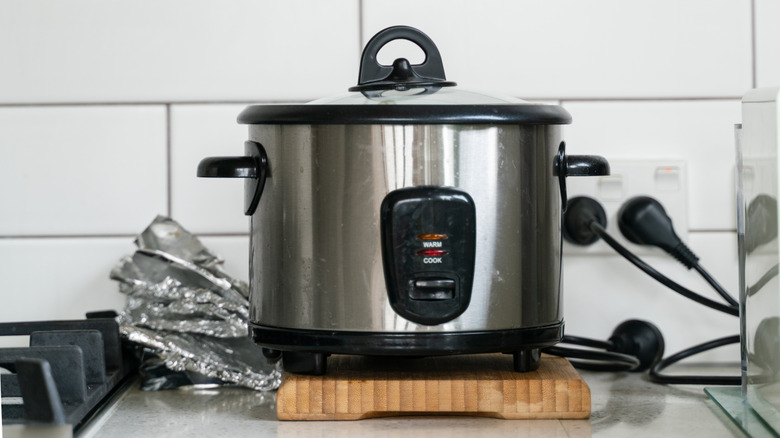
Credit: www.chowhound.com
Step-by-step Cooking Process
Steaming vegetables in a rice cooker is easy and fast. This method keeps vegetables fresh and healthy.
You only need a few simple steps to cook perfect steamed vegetables in your rice cooker.
Adding Water And Vegetables
Pour water into the rice cooker’s pot. The water creates steam to cook the vegetables.
Place the vegetables in the steaming basket or tray above the water. Do not put vegetables in the water.
- Use about one to two cups of water
- Wash and cut vegetables into even pieces
- Arrange vegetables evenly in the steaming basket
- Keep the lid closed to trap steam
Setting Cooking Time
Set the rice cooker to the steam or cook mode. Most rice cookers have this option.
Choose the cooking time based on the vegetable type and size of pieces.
- Leafy greens: 3 to 5 minutes
- Broccoli or cauliflower: 7 to 10 minutes
- Carrots and potatoes: 10 to 15 minutes
- Check the rice cooker manual for steam settings
Checking Doneness
Open the lid carefully to avoid steam burns. Use a fork to test the vegetables.
Vegetables are done when they are tender but still firm. Avoid overcooking to keep nutrients.
- Insert a fork or knife into the vegetable
- It should slide in easily without mushiness
- If not ready, close lid and steam for a few more minutes
- Serve immediately for best taste and texture
Tips For Perfect Steamed Vegetables
Steaming vegetables in a rice cooker is easy and healthy. It keeps the vegetables fresh and full of nutrients.
Use these tips to get the best texture and flavor from your steamed vegetables every time.
Avoiding Overcooking
Overcooking makes vegetables soft and dull in color. Check cooking times for each vegetable type. Start with less time and add more if needed.
Cut vegetables into even pieces for uniform cooking. Remove them from the rice cooker as soon as they are tender but still crisp.
- Use a timer to track cooking time
- Test vegetables with a fork to check doneness
- Keep the lid closed during cooking
- Remove vegetables quickly to stop cooking
Flavor Enhancements
Add flavor by seasoning vegetables after steaming. Use herbs, spices, or a small amount of oil or butter. Lemon juice can add a fresh taste.
Try mixing different vegetables for varied flavors and colors. This makes your dish more interesting and tasty.
- Sprinkle salt and pepper lightly
- Add fresh herbs like parsley or dill
- Use garlic powder or onion flakes
- Drizzle olive oil or melted butter
- Squeeze fresh lemon or lime juice
Safety Precautions
Be careful when handling hot steam from the rice cooker. Always open the lid away from your face to avoid burns.
Make sure the rice cooker is stable and on a flat surface. Do not overfill the water reservoir to prevent spills or electrical issues.
- Use oven mitts or a cloth to open the lid
- Keep children away while steaming
- Do not touch hot surfaces of the cooker
- Check water level before starting
- Unplug the cooker after use
Serving And Storing Steamed Vegetables
Steamed vegetables cooked in a rice cooker are healthy and easy to prepare. Knowing how to serve and store them properly keeps them fresh and tasty.
This guide helps you enjoy your steamed vegetables at their best and avoid waste.
Serving Ideas
Serve steamed vegetables as a side dish or mix them into main meals. Add simple seasonings to enhance flavor.
- Sprinkle with salt, pepper, or lemon juice
- Toss with olive oil or melted butter
- Mix into salads or grain bowls
- Use as a topping for pasta or rice
- Add fresh herbs like parsley or basil
Storage Tips
Store steamed vegetables in an airtight container to keep them fresh. Cool them to room temperature before refrigerating.
Use vegetables within 3 to 4 days for best taste and safety.
- Use airtight containers or resealable bags
- Label with date to track freshness
- Keep in the refrigerator at 40°F (4°C) or below
- Avoid storing near strong-smelling foods
- Do not freeze unless cooked longer for soups or stews
Reheating Guidelines
Reheat steamed vegetables gently to keep texture and flavor. Avoid overcooking during reheating.
- Use a microwave-safe dish with a lid
- Heat on medium power for 1-2 minutes
- Stir halfway through heating for even warmth
- Or reheat on the stove with a splash of water
- Do not reheat more than once to stay safe
Frequently Asked Questions
How Long To Steam Vegetables In A Rice Cooker?
Steaming time varies by vegetable type. Usually, 5 to 15 minutes suffices. Leafy greens need less time, while root vegetables require more.
Can I Steam Frozen Vegetables In A Rice Cooker?
Yes, frozen vegetables can be steamed directly. Add a few extra minutes to the usual steaming time for even cooking.
Do I Need Water For Steaming Vegetables In A Rice Cooker?
Yes, add at least one cup of water to the rice cooker. The water creates steam to cook the vegetables evenly.
What Vegetables Are Best For Steaming In A Rice Cooker?
Broccoli, carrots, green beans, and cauliflower steam well. Choose firm vegetables that hold texture after steaming for best results.
Conclusion
Steaming vegetables in a rice cooker is simple and fast. It keeps vegetables fresh and full of flavor. You only need a few steps to get a healthy side dish. This method saves time and energy in the kitchen. Try different vegetables to find your favorite mix.
Enjoy tasty, nutritious meals with little effort. Cooking with a rice cooker makes healthy eating easy. Give it a try and see how simple it can be.