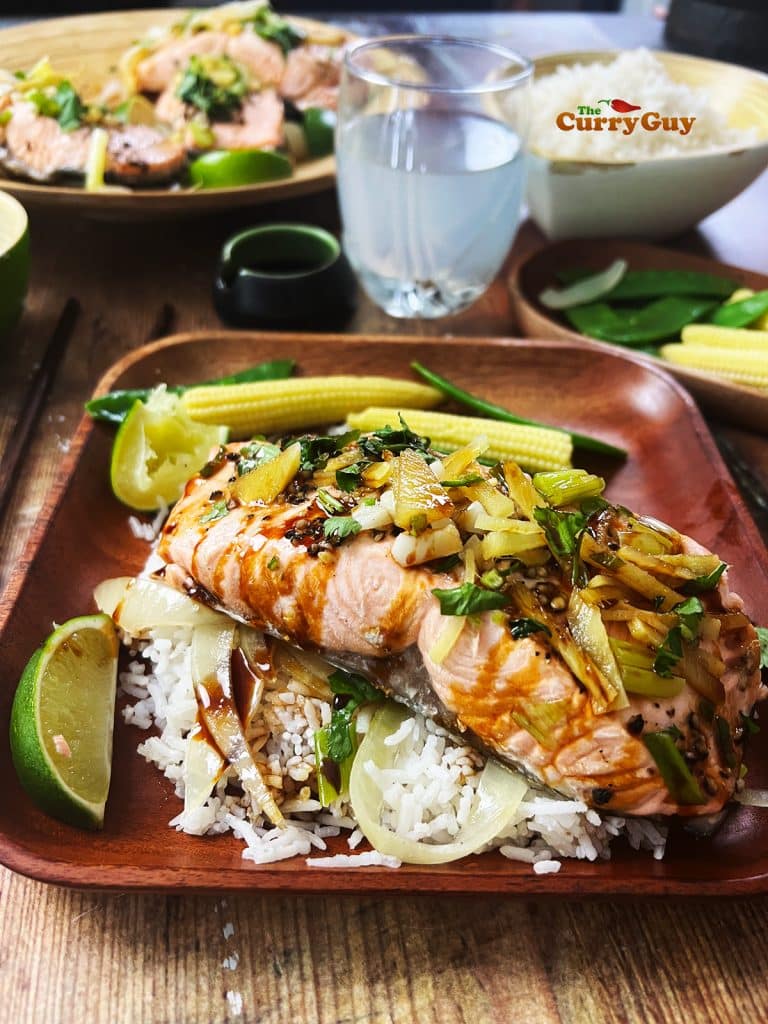
Imagine sitting down to a meal that’s not only delicious but also healthy and easy to prepare. Steamed salmon offers just that.
It’s a dish that combines flavor with simplicity, making it perfect for both busy weeknights and special occasions. You might wonder how to achieve that perfect, tender texture and rich taste. In this guide, you’ll discover the secrets to cooking steamed salmon that will delight your taste buds and impress your guests.
Get ready to transform your cooking skills and savor every bite. Curious to learn more? Let’s dive into the details and make your next meal unforgettable.
Benefits Of Steaming Salmon
Steaming salmon is a healthy way to cook fish. It keeps the fish moist and tender.
This method preserves the natural flavors and nutrients of salmon better than frying or baking.
Retains Nutrients
Steaming salmon helps keep important vitamins and minerals inside the fish. It does not wash them away.
Vitamin D, omega-3 fatty acids, and antioxidants stay in the fish when you steam it.
Low In Fat
Steaming uses no oil or butter, so it keeps the fish low in fat. This makes it a heart-friendly meal.
You get the healthy fats from salmon without adding extra unhealthy fats from cooking oils.
Preserves Flavor And Texture
Steaming keeps the salmon tender and juicy. The fish does not dry out or become tough.
The natural taste of salmon stays fresh and clean without being masked by strong cooking methods.
Easy And Quick
Steaming salmon is a simple cooking method. It takes only a few minutes and needs little effort.
You can cook salmon while preparing other parts of your meal. This saves time in the kitchen.
Reduces Harmful Compounds
Steaming does not produce harmful chemicals that can form during frying or grilling. This makes it a safer choice.
It helps you enjoy salmon without worrying about toxins from high heat or smoke.

Credit: thewoksoflife.com
Choosing Fresh Salmon
Fresh salmon is key to making tasty steamed salmon. Picking the right fish ensures good flavor and texture.
Knowing the types of salmon and what to check helps you find the freshest fish at the market.
Types Of Salmon
There are several types of salmon to choose from. Each has a unique taste and texture.
- Atlantic Salmon: Most common, mild flavor, farmed mostly.
- Chinook (King) Salmon: Rich taste, firm texture, high fat.
- Coho (Silver) Salmon: Medium flavor, leaner than Chinook.
- Sockeye Salmon: Deep red color, strong flavor.
- Pink Salmon: Light flavor, softer texture.
- Chum Salmon: Mild taste, often used for smoking.
What To Look For
Fresh salmon shows clear signs. Look for color, smell, and texture to pick the best fish.
| Check Point | What to Expect in Fresh Salmon |
| Color | Bright and vibrant, not dull or brownish |
| Smell | Clean, ocean-like scent, no strong fishy odor |
| Texture | Firm and moist, flesh springs back when pressed |
| Eyes (if whole) | Clear and shiny, not cloudy or sunken |
| Skin | Shiny and tightly attached to flesh |
Preparing Salmon For Steaming
Steamed salmon is tender and healthy. Preparing it well makes a big difference in taste.
Cleaning and trimming the fish removes unwanted parts. Marinating adds flavor before cooking.
Cleaning And Trimming
Start by rinsing the salmon under cold water. This removes any loose scales or debris.
Use a sharp knife to trim away fins and any dark or fatty parts. These can affect flavor and texture.
- Remove pin bones with tweezers or needle-nose pliers
- Cut off the tail if it is still attached
- Pat the salmon dry with paper towels before marinating
Marinating Tips
Marinate salmon to boost its natural flavor. Use a simple mix of ingredients for the best results.
| Ingredient | Purpose | Example |
| Lemon juice | Adds brightness | 2 tablespoons |
| Soy sauce | Provides saltiness | 1 tablespoon |
| Garlic | Gives aroma | 1 clove, minced |
| Olive oil | Keeps fish moist | 1 tablespoon |
| Fresh herbs | Add fresh flavor | Dill or parsley, chopped |
Essential Steaming Equipment
Steaming salmon needs the right tools to cook well. Using proper equipment helps keep the fish moist and tender.
This guide covers popular steamer options and some alternative tools you can use at home.
Steamer Options
There are many steamers made just for cooking fish and vegetables. Each type works a little differently.
- Electric Food Steamer:A simple appliance with stacked trays. You add water below and plug it in.
- Bamboo Steamer:A traditional basket that sits over a pot of boiling water. It adds a mild woody flavor.
- Metal Steamer Basket:Fits inside a pot. It holds the salmon above the boiling water.
- Microwave Steamer:A microwave-safe container designed for steaming food quickly.
Alternative Tools
You can use common kitchen tools to steam salmon if you don’t have a steamer. Here are some options.
| Tool | How to Use | Best For |
|---|---|---|
| Metal Colander | Place colander over a pot with boiling water. Cover with a lid or foil. | Small portions of salmon |
| Oven-Safe Dish with Lid | Add water to a baking pan. Set salmon in a dish above water. Cover tightly with foil. | Oven steaming for moist fish |
| Pressure Cooker with Steaming Rack | Put water in cooker. Place salmon on rack. Cook under pressure for faster steaming. | Quick steaming times |
Step-by-step Steaming Process
Steaming salmon is a simple way to keep it tender and moist. This cooking method uses gentle heat and steam to cook the fish evenly.
Follow these steps to prepare steamed salmon with ease and get a delicious meal every time.
Setting Up The Steamer
Choose a steamer pot or basket that fits your salmon pieces. Fill the bottom pot with water but keep it below the steamer basket.
Make sure the water does not touch the fish. Bring the water to a boil before placing the salmon in the steamer.
- Use fresh water for steaming
- Line the steamer basket with parchment paper or cabbage leaves
- Place salmon skin-side down in the basket
Cooking Time And Temperature
Keep the water at a steady boil to produce enough steam. The temperature should stay around 212°F (100°C).
Cook salmon pieces for 8 to 10 minutes depending on their thickness. Thicker pieces need more time to cook through.
- Thin slices (about 1 inch): 8 minutes
- Thicker cuts (1.5 inches or more): 10 minutes
- Do not overcook to keep salmon moist
Checking For Doneness
Check salmon after the minimum cooking time. The fish should be opaque and flaky when done.
Use a fork to test the texture. It should separate easily without resistance.
- Salmon color changes from translucent to opaque
- Flakes separate easily with a fork
- Internal temperature reaches 145°F (63°C) for safety

Credit: winniesbalance.com
Flavor Enhancers For Steamed Salmon
Steamed salmon tastes best with the right flavors. Adding herbs, spices, sauces, and garnishes can make it delicious. These enhancers bring out the natural taste of salmon.
Use fresh and simple ingredients. They create a balanced and tasty dish without overpowering the fish.
Herbs And Spices
Herbs and spices give steamed salmon a fresh and fragrant touch. They add aroma and mild heat to the fish.
- Dill: Offers a light, tangy flavor that pairs well with salmon.
- Parsley: Adds a fresh, green taste and bright color.
- Thyme: Gives a subtle earthiness and slight lemony note.
- Garlic powder: Brings a mild, savory warmth.
- Black pepper: Adds a gentle spicy kick.
- Lemon zest: Lifts the flavor with citrus brightness.
Sauces And Garnishes
Sauces and garnishes add texture and extra flavor. They can be creamy, tangy, or fresh. Use them to complement the salmon’s delicate taste.
| Sauce or Garnish | Flavor Profile | Best Use |
| Lemon butter sauce | Rich, creamy, and citrusy | Drizzle over hot salmon |
| Tzatziki sauce | Cool, tangy with cucumber and yogurt | Serve on the side |
| Chopped fresh herbs | Bright and fresh | Sprinkle on top after steaming |
| Capers | Salty and tangy | Add for a bold flavor pop |
| Thin lemon slices | Light and zesty | Place on fish before steaming |
Serving Suggestions
Steamed salmon is a light, healthy dish that pairs well with many sides. Choosing the right accompaniments can make your meal more balanced and tasty.
Presentation matters when serving steamed salmon. Simple touches can make the dish look more inviting and elegant.
Side Dishes
Pick side dishes that complement the mild flavor of steamed salmon. Fresh vegetables and grains work well.
- Steamed asparagus or green beans
- Quinoa or brown rice
- Roasted baby potatoes
- Mixed green salad with lemon dressing
- Sauteed spinach with garlic
Presentation Tips
Arrange your salmon and sides neatly on the plate. Garnish with fresh herbs to add color and aroma.
| Tip | Details |
| Use white plates | Make colors of food pop |
| Slice salmon | Easy to serve and eat |
| Garnish with lemon wedges | Add brightness and freshness |
| Drizzle olive oil | Enhance flavor and shine |

Credit: www.mandyinthemaking.com
Common Mistakes To Avoid
Steamed salmon is a healthy and tasty dish. Cooking it right takes care and attention. Many people make simple errors that hurt the flavor and texture.
Knowing these mistakes helps you cook salmon that is soft, juicy, and full of flavor. Avoiding them saves time and frustration in the kitchen.
Overcooking The Salmon
Overcooking dries out the salmon and makes it tough. Steam the fish just until it flakes easily with a fork. Keep a close eye on the time.
Using Too Much Water
Using too much water can cause the salmon to boil instead of steam. Boiling can wash away the natural flavors and nutrients.
- Use just enough water to create steam without touching the fish.
- Check the water level during cooking and add more if needed.
- Use a steamer basket to keep the salmon above the water.
Not Preparing The Salmon Properly
Failing to prepare the salmon can lead to uneven cooking. Remove any bones and pat the fish dry before steaming. This helps the seasoning stick better.
Skipping Seasoning
Salmon tastes best with simple seasoning. Skipping this step makes the dish bland. Use salt, pepper, lemon, or herbs to add flavor before steaming.
Ignoring Cooking Time Guidelines
Cooking salmon without timing can cause problems. Different thicknesses need different steaming times. Use the table below to know how long to steam your salmon.
| Salmon Thickness | Steaming Time |
|---|---|
| 1 inch (2.5 cm) | 6 to 8 minutes |
| 1.5 inches (3.8 cm) | 8 to 10 minutes |
| 2 inches (5 cm) | 10 to 12 minutes |
Frequently Asked Questions
How Long Should I Steam Salmon For Perfect Doneness?
Steam salmon for 8 to 10 minutes, depending on thickness. The fish is done when it flakes easily with a fork. Avoid overcooking to keep it moist and tender. Adjust steaming time for thicker or thinner fillets accordingly.
What Seasonings Enhance The Flavor Of Steamed Salmon?
Use simple seasonings like lemon, dill, garlic, and salt. These ingredients complement salmon’s natural taste without overpowering it. Fresh herbs add aroma and freshness. Light soy sauce or ginger can be used for an Asian twist.
Can I Steam Salmon Without A Steamer Basket?
Yes, you can steam salmon without a steamer basket. Use a heatproof plate placed on a rack inside a pot with boiling water. Cover tightly to trap steam. Ensure the salmon is elevated above water for even cooking.
Is Steamed Salmon Healthier Than Other Cooking Methods?
Steaming salmon preserves nutrients and healthy omega-3 fats. It requires no added oil or butter, reducing calories. This method also keeps the fish moist and tender. Steamed salmon is an excellent choice for a nutritious, low-fat meal.
Conclusion
Steamed salmon cooks quickly and stays tender. You only need a few simple steps. Fresh salmon, a steamer, and some seasoning do the trick. This method keeps the fish moist and healthy. It’s perfect for a quick, tasty meal. Try adding herbs or lemon for extra flavor.
Enjoy your delicious, healthy dinner with ease. Cooking salmon this way saves time and effort. Give it a try and taste the difference. Simple, fast, and good for you.