Are you ready to transform your kitchen into an Italian bistro? Cooking rigatoni pasta is easier than you think, and with the right steps, you can create a dish that’s both delicious and impressive.
Imagine the aroma of freshly cooked pasta mingling with your favorite sauce, filling your home with warmth and comfort. Whether you’re a seasoned cook or just starting out, mastering rigatoni will open up a world of culinary possibilities. Stick with us, and you’ll soon be serving up a meal that will have everyone asking for seconds.
Dive in to discover how you can make perfect rigatoni pasta right at home!
Choosing Rigatoni Pasta
Rigatoni is a type of pasta that is tube-shaped and ridged. It holds sauce well because of its shape and texture.
Choosing the right rigatoni pasta makes a difference in your dish. Look for quality and size that fits your recipe.
Look For Quality Ingredients
Good rigatoni pasta uses high-quality durum wheat semolina. This wheat gives the pasta a firm texture and rich taste.
Check the ingredient list. The pasta should have few ingredients, mainly durum wheat and water.
Choose The Right Size
Rigatoni comes in different lengths and widths. Pick the size based on your sauce and serving style.
- Shorter rigatoni works well in baked dishes.
- Longer rigatoni is good for tossing with sauce.
- Wider tubes hold chunky sauces better.
Consider Cooking Time
Cooking time varies by brand and size. Check the package for recommended times.
| Rigatoni Type | Typical Cooking Time |
| Small tube | 8-10 minutes |
| Medium tube | 10-12 minutes |
| Large tube | 12-14 minutes |
Check For Durability
Choose rigatoni that keeps its shape after cooking. Avoid brands that become mushy or fall apart.

Credit: www.acouplecooks.com
Gathering Ingredients
Cooking rigatoni pasta starts with the right ingredients. Gather fresh and quality items for the best taste.
Having everything ready makes cooking easier and faster. Let’s look at what you need.
Rigatoni Pasta
Choose rigatoni pasta made from durum wheat semolina. It holds sauce well because of its ridges and tube shape.
Look for dry rigatoni in the pasta section of your store. Avoid broken pieces for even cooking.
Water And Salt
Use plenty of water to cook the rigatoni evenly. Salt the water to add flavor to the pasta.
- Use about 4 to 6 quarts of water per pound of pasta
- Add 1 to 2 tablespoons of salt once the water boils
Sauce Ingredients
Select sauce ingredients based on your taste. Tomato-based sauces and creamy sauces are popular choices.
- Tomatoes, garlic, onion, and herbs for tomato sauce
- Butter, cream, and cheese for creamy sauce
- Olive oil, chili flakes, and parsley for simple dressings
Cheese And Toppings
Adding cheese or toppings enhances the flavor of rigatoni. Choose what fits your recipe and preference.
- Parmesan or Pecorino Romano for grating
- Fresh basil or parsley for garnish
- Cooked vegetables or meats for extra texture
Boiling Water Properly
Boiling water is the first step to cook rigatoni pasta well. The water temperature and amount matter.
Correct boiling helps the pasta cook evenly and prevents it from sticking together.
Use Enough Water
Use plenty of water to give rigatoni space to cook. This stops the pasta from clumping.
A good rule is to use four to six quarts of water for one pound of pasta.
Bring Water To A Rolling Boil
Make sure the water boils hard before adding pasta. This keeps the temperature high.
A rolling boil means big bubbles rise and break constantly on the surface.
Add Salt To The Water
Adding salt improves the pasta’s flavor. Add about one to two tablespoons of salt per quart of water.
Put the salt in once the water boils, right before adding the pasta.
Avoid Adding Oil To The Water
Do not add oil to boiling water. Oil can make the pasta slippery and sauce won’t stick well.
Instead, stir the pasta after adding it to prevent sticking.
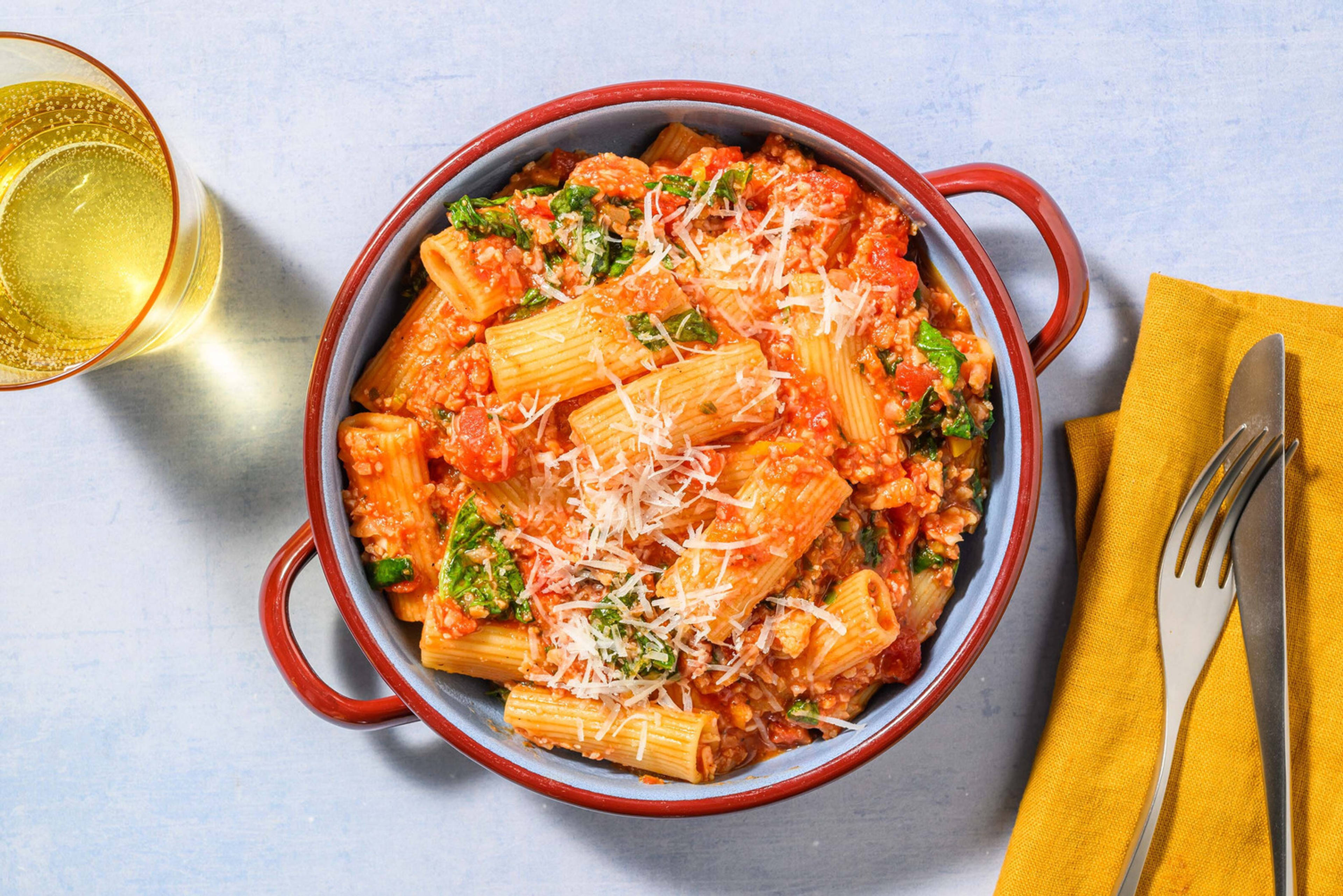
Credit: www.hellofresh.ca
Cooking Rigatoni To Al Dente
Cooking rigatoni pasta to al dente means it is firm to the bite. This texture is ideal for most pasta dishes.
Getting the timing right helps you avoid mushy or undercooked pasta. Let’s look at how to time the cook and test for doneness.
Timing The Cook
Rigatoni usually takes about 10 to 13 minutes to cook. The exact time depends on the brand and thickness of the pasta.
Start checking the pasta a few minutes before the package time ends. This prevents overcooking.
- Bring a large pot of salted water to a boil
- Add rigatoni to boiling water
- Stir occasionally to stop sticking
- Cook between 10 and 13 minutes
- Begin testing at 10 minutes
Testing For Doneness
To test rigatoni for doneness, remove one piece from the pot. Let it cool for a few seconds before biting.
The pasta should be tender but still firm in the center. It should not be hard or crunchy.
- Use a fork or tongs to take out one rigatoni
- Cool it slightly before tasting
- Check for a firm bite, not soft or mushy
- If too hard, cook for one more minute
- Repeat testing until perfect al dente
Draining And Saving Pasta Water
Draining rigatoni pasta correctly helps keep its texture perfect. Saving pasta water is useful for your sauce.
Pasta water contains starch. This starch helps sauces stick to the pasta better. Knowing how to drain and save it is key.
How To Drain Rigatoni Pasta
Use a colander to drain your rigatoni pasta. Pour the pot contents carefully to avoid spills. Let the water drain fully.
Do not rinse the pasta after draining. Rinsing removes the starch that helps sauce stick.
Why Save Pasta Water
Pasta water is salty and starchy. It adds flavor and helps thicken sauces. It also improves the sauce’s texture.
Tips For Saving And Using Pasta Water
- Before draining, scoop out a cup of pasta water with a heat-safe cup.
- Save the water in a bowl or measuring cup.
- Add pasta water slowly to your sauce while cooking.
- Use saved water to loosen thick sauces.
- Do not save water for too long; use it right away for best results.
Simple Table Of Pasta Water Uses
| Use | Benefit |
| Thicken Sauce | Makes sauce creamy and smooth |
| Adjust Sauce Consistency | Loosens sauce if too thick |
| Enhance Flavor | Adds salt and starch for better taste |
| Help Sauce Stick | Coats pasta evenly for better texture |
Preparing The Sauce
Cooking rigatoni pasta is delicious with the right sauce. A good sauce brings the pasta to life. Here are some easy sauce options to try.
Choose from a simple tomato sauce, creamy sauces, or add herbs and spices for extra flavor. Each style suits different tastes.
Simple Tomato Sauce
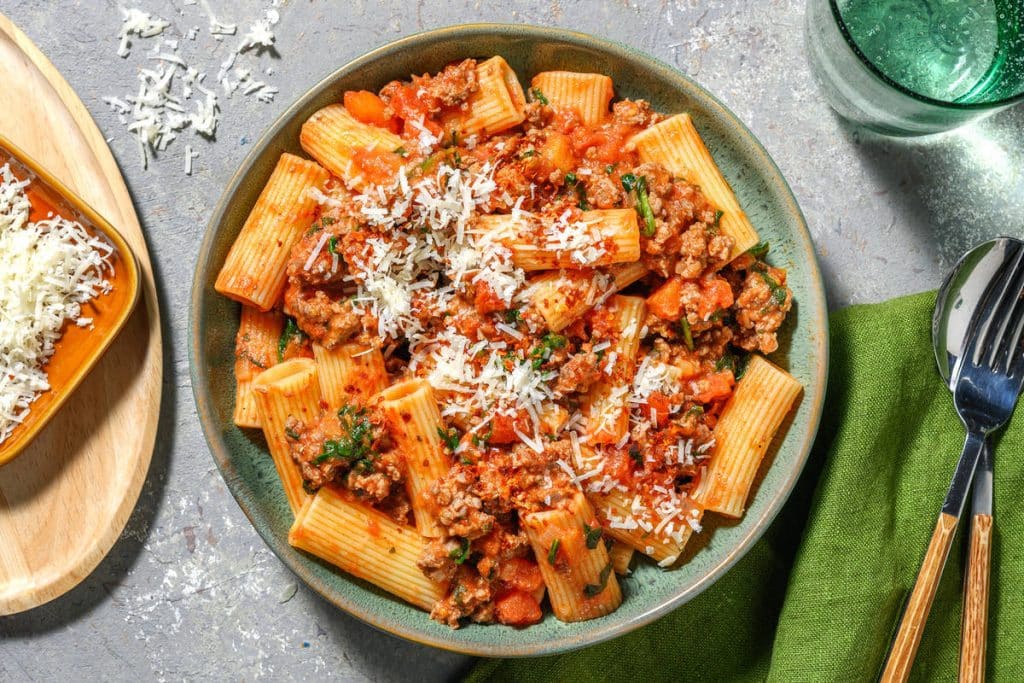
Tomato sauce is classic and easy to make. You need canned tomatoes, garlic, and olive oil. Cook garlic in oil until soft. Add tomatoes and simmer.
- Heat 2 tablespoons olive oil in a pan
- Add 2 minced garlic cloves and cook until fragrant
- Pour in 1 can (14 oz) of crushed tomatoes
- Simmer on low heat for 15 minutes
- Season with salt and pepper to taste
Creamy Options
Creamy sauces add richness to rigatoni. Use ingredients like cream, cheese, or butter. Mix slowly to avoid lumps and get a smooth texture.
| Ingredient | Amount | Tip |
| Heavy cream | 1 cup | Heat gently, do not boil |
| Parmesan cheese | ½ cup grated | Add slowly while stirring |
| Butter | 2 tablespoons | Melt before mixing |
Adding Herbs And Spices
Herbs and spices lift the flavor of any sauce. Fresh or dried herbs work well. Add them at the right time to keep their taste strong.
- Basil adds a sweet, fresh flavor
- Oregano gives a warm, earthy taste
- Red pepper flakes add heat
- Black pepper enhances overall flavor
- Thyme adds a subtle aroma
Combining Pasta And Sauce
Mixing rigatoni pasta with sauce is key to a tasty dish. The sauce should coat the pasta evenly.
Good mixing helps the flavors blend well. It also keeps the pasta from sticking together.
Mixing Techniques
Use a large pan to mix pasta and sauce. This space helps you stir without breaking the pasta.
- Drain pasta but keep some cooking water.
- Add pasta to the sauce in the pan.
- Toss gently with a spoon or tongs.
- Mix until sauce covers the rigatoni well.
- If needed, add reserved water slowly.
Adjusting Consistency
The sauce should not be too thick or too thin. Adjust sauce texture for the best taste.
| Consistency | How to Adjust |
| Too Thick | Add reserved pasta water little by little |
| Too Thin | Simmer sauce separately to reduce liquid |
| Just Right | Sauce coats pasta without pooling |
Serving Suggestions
Serving rigatoni pasta can be simple or fancy. You can add toppings or pair it with sides to enhance the meal.
Choose your garnishes and side dishes to match the sauce and flavors of your rigatoni.
Garnishes And Toppings
Adding garnishes and toppings gives rigatoni extra taste and texture. Fresh herbs and cheeses work well.
- Grated Parmesan or Pecorino cheese
- Chopped fresh basil or parsley
- Toasted pine nuts or walnuts
- Red pepper flakes for a spicy kick
- Drizzle of good olive oil or balsamic glaze
Pairing With Side Dishes
Choose side dishes that balance the richness of rigatoni. Light salads or roasted vegetables are good options.
| Side Dish | Description | Why It Works |
|---|---|---|
| Caesar Salad | Crisp romaine, creamy dressing, and croutons | Offers crunch and freshness |
| Garlic Bread | Toasted bread with garlic butter | Complements the pasta’s savory flavors |
| Roasted Vegetables | Seasonal veggies roasted with herbs | Adds earthiness and nutrition |
| Steamed Broccoli | Lightly steamed with lemon | Provides a fresh, mild contrast |
Storing And Reheating Leftovers
After cooking rigatoni pasta, you might have some leftovers. Proper storage keeps the pasta fresh and tasty.
Reheating leftovers the right way brings back the original flavor and texture.
How To Store Leftover Rigatoni
Cool the rigatoni quickly before storing. Place it in an airtight container to keep moisture out.
Store the pasta in the fridge. Use it within 3 to 4 days for best taste and safety.
- Cool pasta to room temperature
- Use airtight containers
- Refrigerate immediately
- Consume within 4 days
Best Ways To Reheat Rigatoni Pasta
Reheat rigatoni gently to keep it from drying out. Use a microwave or stovetop for best results.
Add a splash of water or sauce before reheating. This helps keep the pasta soft and moist.
- Microwave with a cover to trap steam
- Heat in a pan with a little water or sauce
- Stir often to heat evenly
- Avoid overheating to prevent drying
Freezing Rigatoni Pasta Leftovers
You can freeze rigatoni for longer storage. Use a freezer-safe container and remove as much air as possible.
Label the container with the date. Use frozen pasta within 2 months for best quality.
- Place pasta in freezer-safe containers
- Remove excess air to prevent freezer burn
- Label with freezing date
- Use within 2 months
Thawing And Reheating Frozen Rigatoni
Thaw frozen rigatoni in the fridge overnight for best texture. You can also reheat directly from frozen.
When reheating from frozen, use low heat and add sauce or water to keep pasta moist.
- Thaw in fridge overnight
- Or reheat directly from frozen
- Add sauce or water when reheating
- Heat slowly on low to medium heat

Credit: kristineskitchenblog.com
Common Mistakes To Avoid
Cooking rigatoni pasta seems simple, but many people make errors that affect the taste and texture. Avoiding these mistakes helps you get perfect pasta every time.
Here are some common mistakes to watch out for when cooking rigatoni and how to fix them.
Using Too Little Water
Many cooks use too little water to boil rigatoni. This causes the pasta to stick together and cook unevenly.
Always use a large pot filled with plenty of water. This gives the pasta enough room to move freely.
Not Salting The Water Enough
Salt adds flavor to the pasta as it cooks. Skipping salt or adding too little results in bland rigatoni.
Use about one to two tablespoons of salt per four quarts of water. This helps the pasta taste better inside and out.
Overcooking The Pasta
Overcooked rigatoni becomes mushy and loses its shape. It also does not hold sauce well.
- Check the pasta package for recommended cooking time.
- Start tasting the pasta a minute or two before the time ends.
- Remove the pasta when it is “al dente” – firm but cooked through.
Rinsing Pasta After Cooking
Rinsing rigatoni washes away the starch that helps sauce stick. This makes your dish less flavorful.
Instead, drain the pasta and toss it immediately with sauce or a little olive oil to prevent sticking.
Not Saving Pasta Water
Pasta water contains starch that helps thicken sauces and improve texture. Throwing it away wastes a helpful ingredient.
| Reason to Save Pasta Water | How It Helps |
|---|---|
| Thickens sauce | Starch binds sauce and pasta |
| Adds flavor | Water carries salt and pasta flavor |
| Prevents sticking | Helps sauce coat pasta evenly |
Frequently Asked Questions
How Long Should I Cook Rigatoni Pasta?
Cook rigatoni pasta for 10 to 12 minutes in boiling salted water. Check for al dente texture by tasting near the end. Avoid overcooking to keep the pasta firm and hold sauces well.
What Sauce Pairs Best With Rigatoni Pasta?
Thick sauces like marinara, Bolognese, or creamy Alfredo pair best with rigatoni. The tube shape captures chunky and rich sauces perfectly, enhancing each bite’s flavor.
Should I Rinse Rigatoni After Cooking?
Do not rinse rigatoni after cooking unless using in a cold pasta salad. Rinsing removes the starch that helps sauce stick to the pasta.
How Much Water Do I Use For Rigatoni Pasta?
Use at least 4 to 6 quarts of water per pound of rigatoni. Plenty of water prevents sticking and ensures even cooking.
Conclusion
Cooking rigatoni pasta is simple and fun. Boil water, add salt, and cook pasta until tender. Drain and mix with your favorite sauce. Try different toppings like cheese or herbs for extra flavor. Practice makes your dish taste better each time.
Enjoy a classic Italian meal at home anytime. Rigatoni pasta brings comfort and taste to your table. Keep cooking, tasting, and sharing with family and friends.