How to Cook Ribs in a Smoker? Imagine this: the sun is setting, the air is cool, and the mouthwatering aroma of smoked ribs wafts through your backyard. It’s not just a meal; it’s an experience.
You’re about to unlock the secrets to cooking ribs in a smoker, transforming you into the barbecue hero of your neighborhood. But before you start, let’s address the burning question: how can you achieve that perfect balance of smoky flavor and tender, fall-off-the-bone meat?
You’re in the right place. By the end of this article, you’ll know exactly how to prepare, smoke, and serve ribs that will have your family and friends begging for more. Get ready to elevate your grilling game with these simple, yet powerful techniques that will make your ribs unforgettable. Dive in, because these tips are about to change your BBQ nights forever.
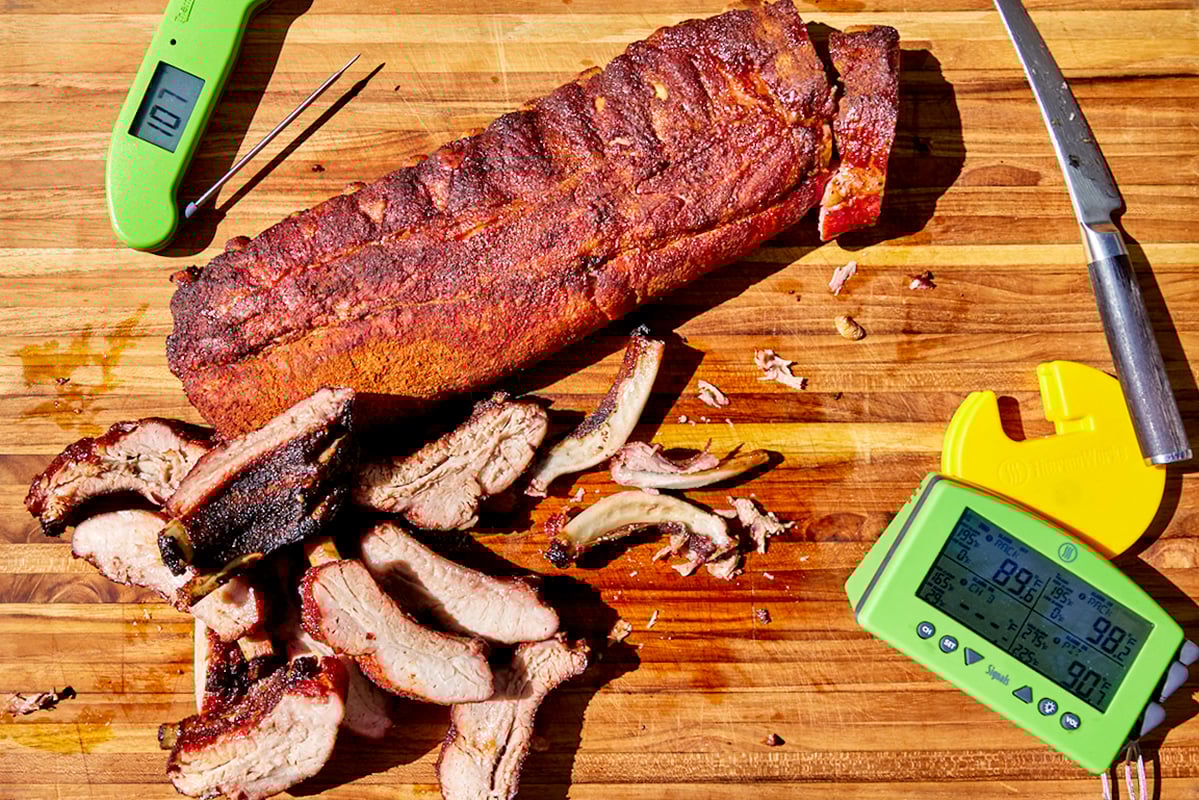
Credit: blog.thermoworks.com
Choosing The Right Ribs
Cooking ribs in a smoker starts with choosing the right ribs. The type and quality of ribs affect taste and texture.
Knowing how to pick fresh ribs and prepare them will help you get the best results.
Baby Back Vs Spare Ribs
Baby back ribs come from the upper part of the rib cage near the spine. They are smaller and leaner.
Spare ribs come from the lower part of the rib cage. They are larger and have more fat and connective tissue.
- Baby back ribs cook faster and are more tender
- Spare ribs have more flavor due to fat content
- Spare ribs take longer to cook and need low heat
- Choose baby backs for a lighter meal and spare ribs for richer taste
Selecting Fresh Ribs
Look for ribs that have a fresh, pink color. Avoid ribs that look gray or dry.
Check the smell; fresh ribs have a mild scent. Do not buy ribs with a strong or sour smell.
- Choose ribs with firm meat and moist surface
- Look for even thickness across the rack
- Avoid ribs with bruises or cuts
- Buy ribs from trusted butchers or stores
Trimming Tips
Trim excess fat from the ribs before smoking. Too much fat can cause flare-ups and uneven cooking.
Remove the silver skin membrane on the back of the ribs. This helps smoke and flavors reach the meat better.
- Use a sharp knife to trim fat but keep some for flavor
- Slide a butter knife under the membrane to loosen it
- Grab the membrane with a paper towel and pull it off
- Trim small bits of meat hanging from the ribs for even cooking

Credit: www.youtube.com
Preparing Ribs For Smoking
Good ribs start with proper preparation. Preparing ribs well helps the smoke flavor soak in.
This guide explains how to get ribs ready before putting them in the smoker.
Removing The Membrane
The membrane is a thin layer on the back of ribs. Removing it helps flavors enter the meat.
Use a knife to lift the membrane. Then grab it with a paper towel and pull it off.
- Slide a knife under the membrane at one end.
- Lift enough to grab it with a paper towel.
- Pull slowly to remove the entire membrane.
- Removing it makes ribs more tender and flavorful.
Applying A Dry Rub
A dry rub adds spice and taste to ribs. It also helps form a tasty crust during smoking.
Sprinkle the rub evenly on both sides. Rub it in with your hands to cover all surfaces.
- Use salt, pepper, paprika, and brown sugar.
- Add garlic or onion powder for extra flavor.
- Adjust spices to your taste preferences.
- Apply the rub at least 30 minutes before smoking.
Marinating Options
Marinating ribs adds moisture and flavor. It softens the meat before smoking.
Use a mix of acid, oil, and seasonings. Let ribs soak for a few hours or overnight.
- Use apple cider vinegar or lemon juice for acid.
- Add olive oil to keep ribs moist.
- Include herbs like thyme or rosemary.
- Place ribs in a sealed bag or container while marinating.
Setting Up Your Smoker
Cooking ribs in a smoker needs careful setup. A good setup helps you cook ribs evenly and add great flavor.
Before you start, prepare your smoker with the right tools and techniques. This guide helps you get ready.
Choosing Wood For Flavor
The type of wood you use changes the taste of your ribs. Different woods give different smoke flavors.
Fruit woods give a mild, sweet taste. Hardwoods give a stronger, smoky flavor.
- Apple wood adds a light, sweet smoke
- Hickory gives a strong, bacon-like flavor
- Cherry wood offers a mild and fruity taste
- Maple gives a sweet and subtle smoke
- Mesquite is strong and best for quick cooks
Maintaining Temperature
Keep your smoker temperature steady for the best ribs. Too hot or too cold can spoil the meat.
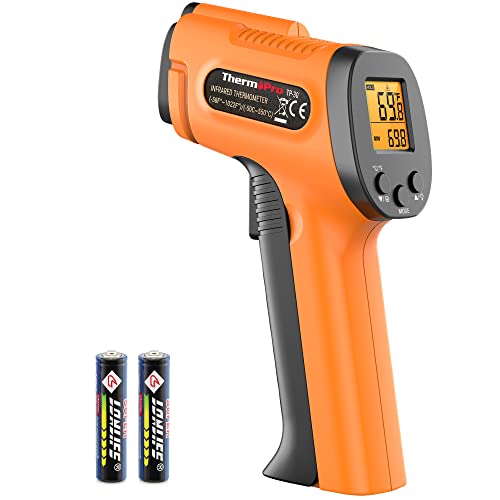
Use a good thermometer and adjust vents to control heat. Aim for about 225°F to 250°F.
- Check the temperature often
- Open the smoker only when needed
- Adjust air vents to raise or lower heat
- Add charcoal or wood chunks slowly
Using Water Pans
A water pan adds moisture inside the smoker. This helps keep ribs juicy and tender.
Place the pan below the ribs. Fill it with water or other liquids like apple juice for extra flavor.
- Use a shallow pan that fits your smoker
- Keep the pan filled during cooking
- Water helps keep temperature steady
- Adding herbs or spices can add aroma
Smoking Process
Cooking ribs in a smoker takes time and patience. The slow smoking process makes ribs tender and full of flavor.
Using the right techniques helps keep ribs juicy and smoky. Let’s explore the smoking process step by step.
The 3-2-1 Method
The 3-2-1 method is a popular way to smoke ribs. It breaks the cooking into three parts for perfect tenderness.
First, smoke ribs for 3 hours to absorb smoke flavor. Then, wrap them and cook for 2 hours. Finally, unwrap and cook for 1 hour to firm the bark.
- 3 hours smoking with dry heat
- 2 hours wrapped with moisture
- 1 hour unwrapped to finish
Wrapping Ribs
Wrapping ribs keeps them moist during smoking. Use foil or butcher paper to wrap ribs tightly.
Add a little liquid inside the wrap. This helps soften the meat and keeps smoke from drying it out.
- Wrap ribs after initial smoke time
- Add apple juice or water inside wrap
- Seal tightly to trap steam and juices
Monitoring Internal Temperature
Check the ribs’ internal temperature to know when they are done. Use a meat thermometer for accuracy.
Ribs are tender at about 195°F to 203°F. This range lets the collagen break down and makes the ribs soft.
- Use a digital meat thermometer
- Insert probe between bones
- Remove ribs at 195°F to 203°F
Finishing Touches
After slow smoking your ribs, the finishing touches bring out their best flavors. These final steps make sure your ribs look great and taste even better.
Focus on applying sauce, letting the ribs rest, and slicing them properly. Each part is key to a perfect serving.
Applying Bbq Sauce
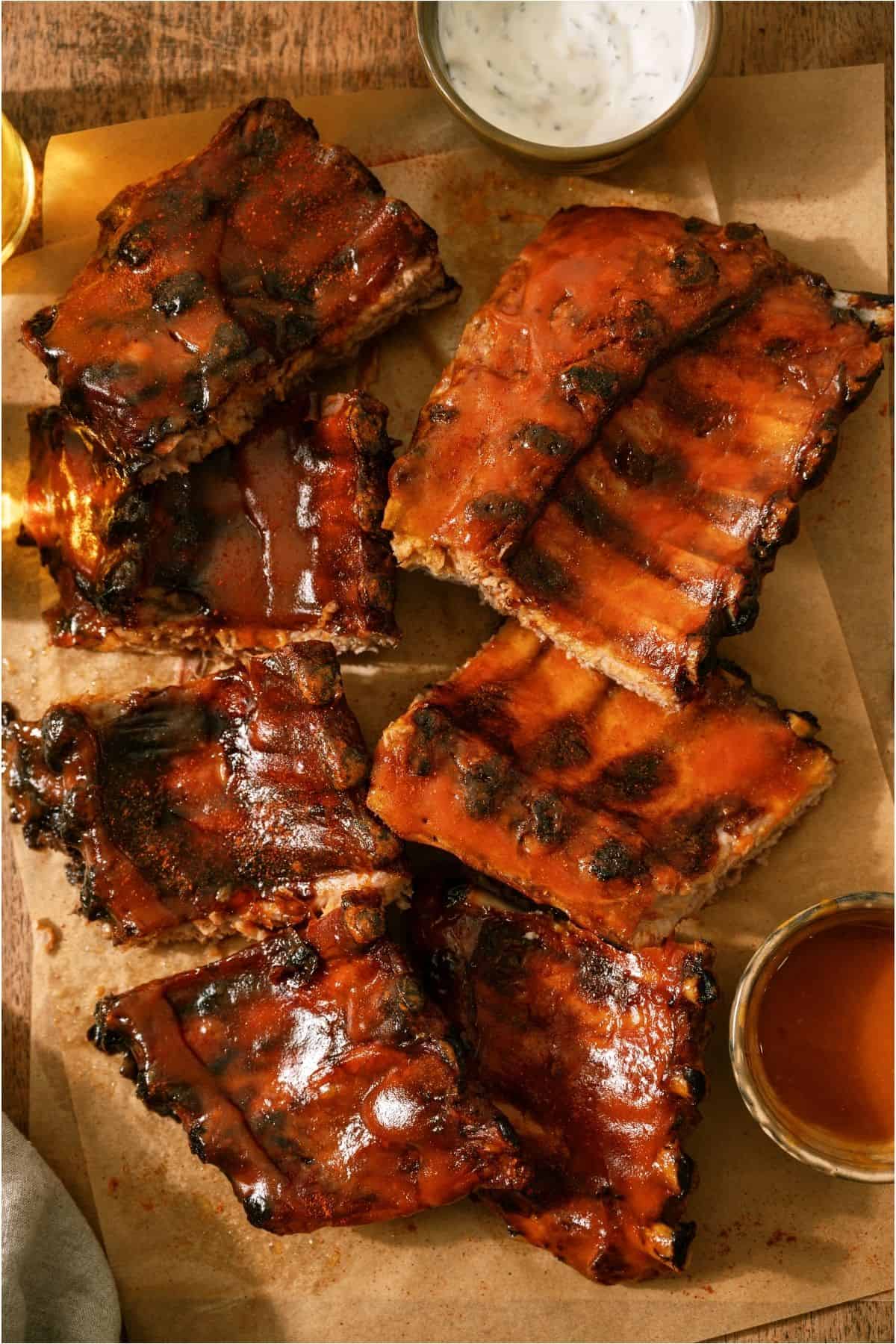
Apply BBQ sauce near the end of cooking to avoid burning. Brush the sauce lightly on both sides of the ribs.
- Use a clean brush to spread sauce evenly.
- Apply thin coats to keep the ribs moist.
- Let the sauce caramelize for 5 to 10 minutes in the smoker or grill.
- Add a second coat if you want a stronger flavor.
Resting Ribs
Resting lets the juices settle inside the meat. This keeps the ribs juicy and tender.
Wrap the ribs loosely in foil or butcher paper. Let them rest for about 10 to 15 minutes before slicing.
Slicing Techniques
Slice ribs between the bones to serve individual portions. Use a sharp knife for clean cuts.
| Tip | Description |
|---|---|
| Cut between bones | Slice carefully along the spaces between bones for neat pieces. |
| Use a sharp knife | A sharp blade cuts cleanly without tearing the meat. |
| Cut against the grain | Slicing against the grain makes ribs easier to chew. |
| Serve warm | Serve ribs right after slicing to keep them tasty and moist. |
Troubleshooting Common Issues
Cooking ribs in a smoker can be tricky. Sometimes, the ribs turn out dry, undercooked, or have a bad smoke taste.
This guide helps you fix common problems. Follow these tips to improve your smoked ribs every time.
Dry Ribs Solutions
Dry ribs happen when they lose too much moisture during cooking. This makes them tough and not enjoyable to eat.
To keep ribs moist, try these tips:
- Wrap ribs in foil halfway through cooking to lock in moisture.
- Use a water pan inside the smoker to add humidity.
- Apply a marinade or mop sauce to keep ribs juicy.
- Cook ribs at a lower temperature for longer times.
Undercooked Ribs Fixes
Undercooked ribs are unsafe and hard to chew. They need more time in the smoker to be tender and safe.
Check the ribs and fix undercooking with these ideas:
- Use a meat thermometer to check internal temperature. Aim for 190°F to 203°F.
- Cook ribs longer at a low temperature, around 225°F to 250°F.
- Wrap ribs in foil to speed up cooking without drying them.
- Test ribs by pulling on the meat. It should slightly pull away from the bone.
Avoiding Bitter Smoke Flavor
Bitter smoke taste ruins the flavor of ribs. It usually comes from bad wood or too much smoke.
Stop bitter smoke with these tips:
- Use dry, well-seasoned wood for smoking.
- Avoid softwoods like pine or cedar that make bad flavors.
- Keep the smoker temperature steady to prevent over-smoking.
- Allow smoke to flow smoothly without choking the fire.
Serving And Storing
Cooking ribs in a smoker gives them a rich, smoky flavor. After cooking, serving and storing ribs properly keeps their taste and texture great.
Learn how to serve ribs with tasty sides, store leftovers safely, and reheat them without losing flavor.
Best Side Dishes
Ribs taste best with sides that balance their smoky and savory flavor. Choose sides that add freshness, crunch, or creaminess.
- Coleslaw: Adds crunch and cools the palate
- Baked beans: Offers sweetness and heartiness
- Cornbread: Brings a soft, slightly sweet touch
- Grilled vegetables: Adds smokiness and healthy flavor
- Macaroni and cheese: Provides creamy, cheesy comfort
Storage Tips
Store leftover ribs properly to keep them safe and tasty. Wrap ribs tightly in foil or plastic wrap to keep moisture in.
Place wrapped ribs in an airtight container or a sealable bag. Store in the refrigerator for up to four days or freeze for longer.
- Cool ribs before wrapping and storing
- Use airtight containers or heavy-duty freezer bags
- Label with the date before freezing
- Freeze ribs for up to three months
Reheating Ribs
Reheat ribs gently to keep them juicy and tender. Avoid using high heat, which can dry the meat.
Wrap ribs in foil and heat in the oven at low temperature. You can also reheat them on a grill or in a smoker for extra flavor.
- Preheat oven to 250°F (120°C)
- Wrap ribs in foil with a little water or sauce
- Heat for 20-30 minutes until warm
- Check ribs to avoid overcooking
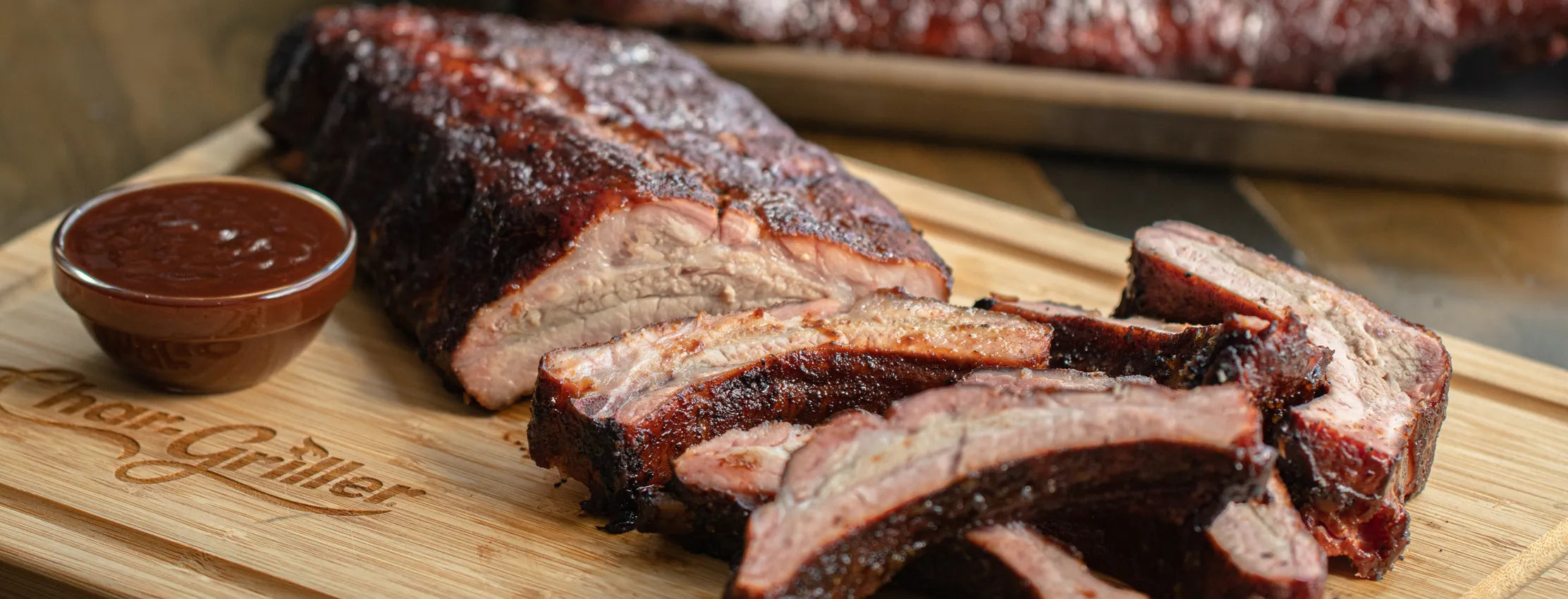
Credit: www.chargriller.com
Frequently Asked Questions
How Long Should Ribs Smoke For Perfect Tenderness?
Ribs typically smoke for 4 to 6 hours at 225°F. This slow cooking breaks down collagen, making ribs tender and juicy. Use a meat thermometer to ensure internal temperature reaches 195°F for best texture.
What Wood Is Best For Smoking Ribs?
Hickory, apple, and cherry woods are popular for smoking ribs. Hickory offers a strong, smoky flavor, while apple and cherry provide a sweeter, milder taste. Choose wood based on your preferred flavor intensity.
Should Ribs Be Wrapped While Smoking?
Wrapping ribs in foil after 3 hours helps retain moisture and speeds cooking. This "Texas Crutch" method prevents ribs from drying out and makes them more tender. Unwrap during the last 30 minutes for bark formation.
How Do I Know When Ribs Are Fully Cooked?
Check ribs by using a toothpick or thermometer. Meat should be tender and pull away from the bone easily. The internal temperature should be about 195°F for optimal doneness and flavor.
Conclusion
Cooking ribs in a smoker takes time and care. Patience brings out the best flavors. Keep the temperature steady and use good wood. Check the ribs often for tenderness and smoke. A simple rub or sauce can add taste. Enjoy the process as much as the meal.
Smoking ribs is a great way to cook outdoors. Try it again and adjust to your liking. You will love the smoky, juicy ribs you make.