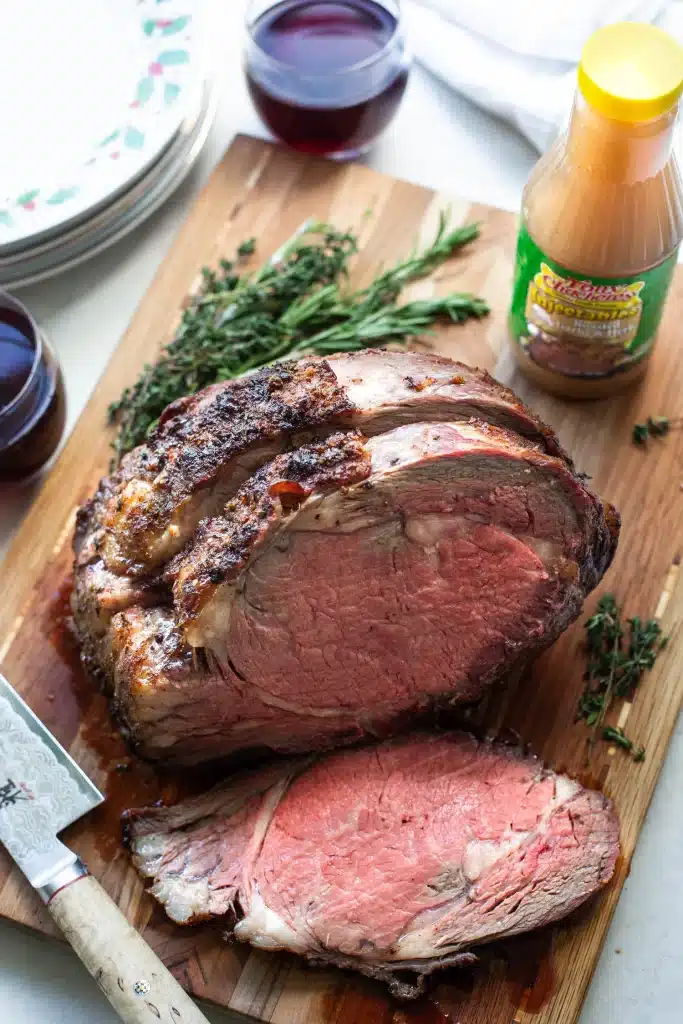
Are you ready to impress your taste buds with a dish that’s as mouthwatering as it is memorable? If you’ve ever wondered how to cook prime rib in a smoker, you’re in the right place.
This blog will guide you step by step, transforming a simple piece of meat into a culinary masterpiece. Imagine the rich, smoky aroma filling your backyard as the prime rib reaches juicy perfection. Your guests will be captivated, and you’ll be the hero of the barbecue.
Stay with us, and discover the secrets that will make your prime rib the star of the show.
Choosing The Right Prime Rib
Picking the right prime rib is key to cooking a tasty meal in your smoker. The right cut makes a big difference in flavor and tenderness.
Learn how to select the best prime rib for your smoker to get great results every time.
Selecting The Cut
Prime rib comes from the rib section of the cow. It is also called a standing rib roast. You want a cut with a good balance of meat and fat.
Look for a cut that has the ribs still attached. This helps keep the meat juicy while smoking.
Understanding Marbling
Marbling means the white streaks of fat inside the meat. It adds flavor and keeps the meat tender during cooking.
Choose prime rib with good marbling. More marbling means a richer taste and softer texture.
- Look for even fat distribution
- Avoid cuts with large chunks of fat only on the outside
- Marbling should be fine and spread throughout the meat
Size And Weight Considerations
Think about how many people you will serve. Prime rib roasts come in different sizes and weights.
Choose a size that fits your smoker and matches your guest count. A larger roast takes longer to cook.
- Plan about one pound per person
- Smaller roasts cook faster and are easier to handle
- Make sure your smoker can fit the roast comfortably
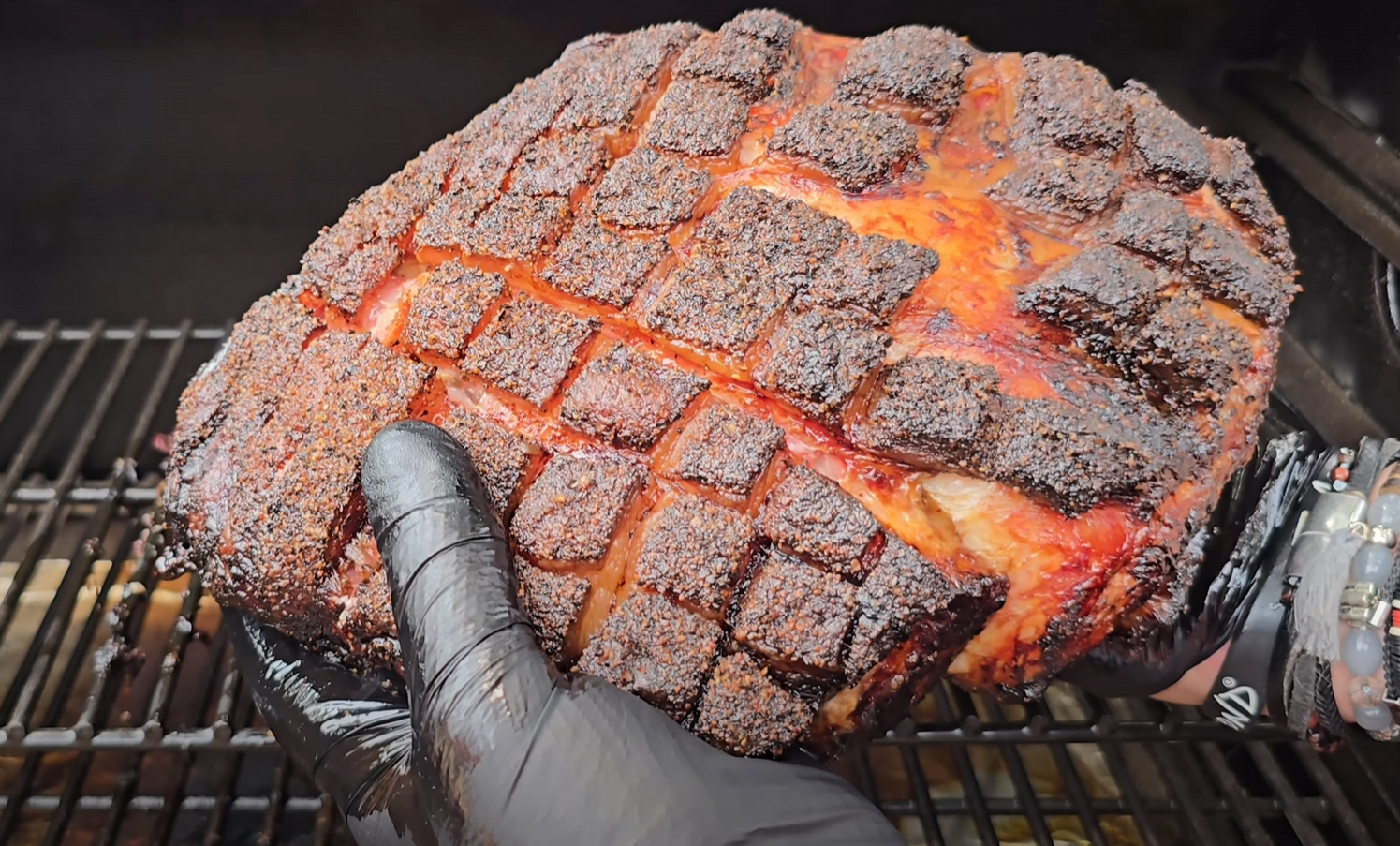
Credit: blog.zgrills.com
Preparing The Prime Rib
Preparing prime rib for smoking takes careful steps. Proper prep helps the meat cook evenly and taste great.
Trimming, seasoning, and resting the meat set the stage for a perfect smoked prime rib.
Trimming And Tying
Start by trimming excess fat from the prime rib. Leave about a quarter inch of fat for flavor. Remove silver skin and loose pieces to avoid tough bites.
Next, tie the roast with kitchen twine. This helps the meat keep its shape and cook evenly. Tie every two to three inches along the roast.
Seasoning Techniques
Seasoning is key to flavor. Use salt, pepper, and other spices to enhance the meat’s taste. You can apply the rub in different ways.
- Dry Rub: Mix salt, pepper, garlic powder, and herbs. Rub evenly over the surface.
- Wet Rub: Combine olive oil with spices. Brush the mixture onto the meat.
- Injection: Use a flavor injector to add marinade inside the roast.
Resting Before Cooking
Let the prime rib rest at room temperature before smoking. This step helps the meat cook more evenly.
| Resting Time | Purpose |
| 30 to 60 minutes | Brings meat to room temperature |
| Improves cooking consistency | Prevents cold spots inside the roast |
Setting Up The Smoker
Cooking prime rib in a smoker needs careful preparation. Setting up the smoker right helps cook the meat evenly.
Good setup keeps the temperature steady and adds great flavor to the rib.
Choosing The Wood
Pick wood that gives a mild and smoky flavor. Strong woods can overpower the meat’s taste.
Common woods for prime rib are oak, hickory, and fruit woods like apple or cherry.
- Oak adds a rich and smooth smoke flavor
- Hickory gives a stronger, bacon-like taste
- Apple wood offers a sweet and light smoke
- Cherry wood gives a fruity and mild smoke
Temperature Control
Keep the smoker temperature between 225°F and 250°F. This range cooks the prime rib slowly and evenly.
Use a thermometer to watch the heat. Adjust vents or fuel to keep the temperature steady.
- Open vents to raise the temperature
- Close vents to lower the heat
- Add small amounts of wood or charcoal for steady fuel
- Check the smoker every 30 minutes
Preparing The Smoking Environment
Clean the smoker before use to avoid old flavors. Remove ashes and wipe down racks.
Set up your smoker in a safe, open area. Keep it away from wind to keep heat steady.
- Clear space around the smoker
- Protect from wind using a windbreak if needed
- Have water or a fire extinguisher nearby
- Prepare tools like tongs and a meat thermometer

Credit: www.youtube.com
Smoking The Prime Rib
Smoking prime rib gives it a rich, smoky flavor and tender texture. This process uses low heat and wood smoke to cook the meat slowly.
To smoke prime rib well, you need to control temperature and smoke carefully. This guide covers how to start, check, and manage the smoking process.
Initial Smoking Process
Start by preparing your smoker and prime rib. Season the meat with salt, pepper, or your favorite rub. Let it sit at room temperature for about 1 hour.
Set your smoker to a low temperature, around 225°F (107°C). Add your choice of wood chips, like oak or hickory, to create smoke. Place the prime rib on the smoker grate.
- Season prime rib and let rest at room temperature
- Preheat smoker to 225°F (107°C)
- Add wood chips for smoke flavor
- Place prime rib on the smoker grate
Monitoring Internal Temperature
Use a meat thermometer to check the prime rib’s internal temperature. Insert it into the thickest part without touching bone. This helps you cook the meat perfectly.
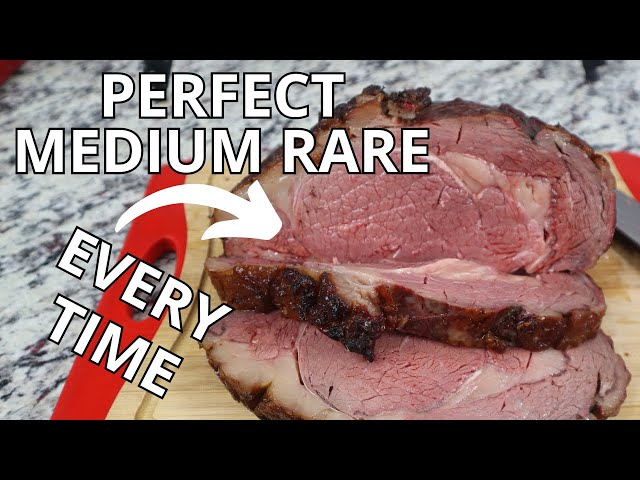
Cook until the internal temperature reaches 120-125°F (49-52°C) for rare or 130-135°F (54-57°C) for medium-rare. The temperature will rise slightly while resting.
- Insert thermometer in the thickest area
- Remove prime rib at 120-125°F for rare
- Remove at 130-135°F for medium-rare
- Let meat rest to finish cooking
Managing Smoke And Heat
Keep the smoker temperature steady between 225°F and 250°F (107-121°C). Avoid opening the smoker too often. This keeps heat and smoke stable for even cooking.
Add wood chips in small amounts to keep a light smoke. Too much smoke can make the meat bitter. Use water pans in the smoker to keep the meat moist.
- Maintain smoker temperature at 225-250°F (107-121°C)
- Open smoker lid only when needed
- Add small amounts of wood chips for mild smoke
- Use water pans to keep meat moist
Finishing The Prime Rib
Finishing the prime rib is an important step to get great flavor and texture. After smoking, the meat needs a final touch to make it perfect. This guide covers searing, resting, and carving tips.
Each step helps keep the meat juicy and tender. Follow these simple instructions to enjoy your smoked prime rib at its best.
Searing For Crust
Searing the prime rib after smoking adds a rich crust and locks in juices. Use high heat to brown the outside quickly. This step gives the meat a tasty texture.
- Preheat a cast iron skillet or grill to high heat.
- Pat the prime rib dry with paper towels.
- Apply a thin layer of oil to the surface.
- Place the prime rib on the hot surface for 1-2 minutes per side.
- Turn carefully to sear all sides evenly.
- Remove the meat and let it rest before slicing.
Resting After Smoking
Resting lets the juices settle inside the prime rib. Cutting too soon causes loss of flavorful juices. Give the meat time to cool slightly.
| Rest Time | Purpose |
|---|---|
| 15-20 minutes | Allows juices to redistribute |
| Wrap in foil | Keeps meat warm and moist |
| Avoid cutting during rest | Prevents juice loss |
Carving Tips
Use the right tools and technique to carve the prime rib. Cut across the grain for tender slices. Keep the knife sharp to make clean cuts.
- Use a long, sharp carving knife.
- Place the meat on a stable cutting board.
- Remove any twine or netting first.
- Slice against the grain into ½-inch thick pieces.
- Serve slices immediately for best taste.
Serving Suggestions
Prime rib cooked in a smoker is tender and full of flavor. Serving it right makes your meal even better. Choose sides, sauces, and storage tips to enjoy every bite.
Below are ideas to complete your prime rib meal. These suggestions help you balance taste and texture on your plate.
Side Dishes That Complement
Simple and rich sides go well with smoked prime rib. They bring out the smoky flavor without overpowering the meat.
- Roasted garlic mashed potatoes
- Grilled asparagus with lemon
- Caesar salad with crunchy croutons
- Steamed green beans with almonds
- Buttery dinner rolls
Sauces And Condiments
Adding sauces can enhance the smoky taste of the prime rib. Mild and creamy sauces work best with smoked meat.
| Sauce | Flavor Profile | Best Use |
|---|---|---|
| Horseradish cream | Spicy and creamy | Spread on slices |
| Au jus | Light and savory | Dip or drizzle |
| Garlic butter | Rich and buttery | Brush on meat |
| Béarnaise sauce | Herby and tangy | Serve on the side |
Storing Leftovers
Keep your leftover prime rib fresh to enjoy later. Proper storage stops it from drying out or losing flavor.
Follow these tips for storing leftover prime rib:
- Let the meat cool to room temperature.
- Wrap tightly in aluminum foil or plastic wrap.
- Place in an airtight container.
- Refrigerate within two hours of cooking.
- Use leftovers within 3 to 4 days.
- Reheat gently to keep meat moist.
Common Mistakes To Avoid
Cooking prime rib in a smoker needs attention to detail. Avoiding common mistakes will help you get the best results. This guide covers three key errors to watch out for.
Understanding these mistakes helps you cook a juicy and flavorful prime rib. Let’s look at what to avoid.
Overcooking
Overcooking prime rib can cause it to become dry and tough. Smoking takes time, so patience is important. Use a meat thermometer to check the temperature often.
- Remove the meat from the smoker at 5°F below your target temperature.
- Let the meat rest for 20 minutes before slicing.
- Carryover heat will raise the internal temperature slightly.
Insufficient Seasoning
Not adding enough seasoning can make the prime rib taste bland. Season well before smoking to enhance the flavor. Use a good mix of salt, pepper, and herbs.
Here is a simple seasoning mix to try:
- 2 tablespoons kosher salt
- 1 tablespoon black pepper
- 1 tablespoon garlic powder
- 1 teaspoon dried rosemary
Poor Temperature Management
Keeping a steady smoker temperature is key for even cooking. Fluctuations can cause uneven doneness or longer cook times. Use a reliable smoker thermometer.
| Temperature Range | Effect |
| 225°F to 250°F | Ideal for slow and even cooking |
| Below 225°F | Longer cook time, risk of drying out |
| Above 250°F | Faster cook but uneven results |
Credit: www.youtube.com
Frequently Asked Questions
How Long Does It Take To Smoke Prime Rib?
Smoking prime rib typically takes 3 to 4 hours at 225°F. Cooking time varies by roast size and smoker temperature. Always use a meat thermometer to check for desired doneness.
What Wood Is Best For Smoking Prime Rib?
Hickory, oak, or mesquite woods are ideal for smoking prime rib. They add a rich, smoky flavor without overpowering the meat’s natural taste. Fruit woods like apple or cherry provide a milder, sweeter smoke.
Should I Season Prime Rib Before Smoking?
Yes, seasoning prime rib before smoking enhances flavor and creates a crust. Use salt, pepper, garlic, and herbs. Apply seasoning at least 1 hour before smoking for best results.
How Do I Know When Prime Rib Is Done Smoking?
Use a meat thermometer to check doneness. Aim for 130°F for medium-rare, 140°F for medium. Let the meat rest 15-20 minutes to allow juices to redistribute before slicing.
Conclusion
Smoking prime rib brings out rich, deep flavors in your meat. Patience matters; low and slow cooking creates tender results. Use a good thermometer to check the perfect temperature. Rest the meat before slicing to keep juices inside. Simple steps lead to a delicious, smoky prime rib meal.
Enjoy the process and share the tasty outcome with friends. Smoking prime rib can turn any meal into a special occasion. Give it a try and taste the difference yourself.