Are you craving a delicious, tender pork dish that's quick and easy to prepare? Look no further!
Cooking pork medallions in a frying pan is not only simple but also brings out the best flavors in this delightful cut of meat. Imagine juicy, perfectly cooked medallions that melt in your mouth, leaving you and your loved ones asking for seconds.
In this guide, you'll discover step-by-step instructions and essential tips to master this cooking technique. Ready to impress your taste buds and elevate your culinary skills? Let’s dive right in and transform your kitchen into a haven of irresistible aromas and flavors!
Choosing The Right Pork Medallions
Selecting the right pork medallions is key for a tasty meal. The quality affects the texture and flavor of your dish.
Consider freshness and size to cook pork medallions perfectly in a frying pan.
Fresh Vs Frozen Options
Fresh pork medallions usually taste better and cook evenly. Frozen ones can be convenient but may lose some flavor.
- Fresh medallions have a pink color and firm texture.
- Frozen medallions may have ice crystals or a dull color.
- Thaw frozen pork slowly in the fridge for best results.
- Use fresh medallions within two days of purchase.
- Frozen pork can last up to six months in the freezer.
Size And Thickness Tips
Choose medallions that are about 1 to 1.5 inches thick. This size cooks well in a frying pan without drying out.
| Thickness | Cooking Time (per side) | Notes |
|---|---|---|
| 1 inch | 3-4 minutes | Juicy and tender |
| 1.5 inches | 4-5 minutes | Needs careful cooking |
| Less than 1 inch | 2-3 minutes | Risk of drying out |
Preparing Pork Medallions
Pork medallions cook quickly and taste great. Proper preparation makes them tender and flavorful.
Follow simple steps to trim, season, and marinate pork medallions before frying.
Trimming And Tenderizing
Trim any fat or silver skin from the pork medallions. This helps the meat cook evenly.
To tenderize, gently pound the medallions with a meat mallet. This softens the fibers and improves texture.
Seasoning Ideas
- Salt and black pepper are basic but effective seasonings.
- Garlic powder adds a nice, savory taste.
- Smoked paprika gives a mild smoky flavor.
- Rosemary or thyme bring fresh herbal notes.
- A pinch of chili flakes adds gentle heat.
Marinade Choices
| Marinade | Main Ingredients | Flavor Profile |
| Lemon Herb | Lemon juice, olive oil, garlic, herbs | Fresh, tangy, and herbal |
| Honey Soy | Soy sauce, honey, ginger, garlic | Sweet and savory |
| Mustard Garlic | Dijon mustard, garlic, olive oil, vinegar | Tangy with a sharp bite |
Selecting The Best Pan And Oil
Cooking pork medallions well needs the right tools. The pan and oil you choose affect how the meat cooks and tastes. Pick a pan that heats evenly. Use an oil that can handle high heat without burning.
These choices help you get a juicy and tasty pork medallion. Let’s look at pan types and oils that work best.
Pan Types For Even Cooking
Choose a pan that spreads heat well. This helps the pork cook evenly. Thin pans can cause hot spots and burn the meat. Thick pans hold heat better and cook gently.
- Cast iron pans keep heat steady and give a nice crust.
- Stainless steel pans heat evenly and are easy to clean.
- Non-stick pans prevent sticking but may not brown meat as well.
- Carbon steel pans heat quickly and work well for searing.
Oils For High Heat
Use oils that can handle high heat without smoking. This keeps the pork juicy and avoids bitter flavors. Some oils burn easily and spoil the taste.
| Oil | Smoke Point (°F) | Notes |
|---|---|---|
| Avocado oil | 520 | Great for very high heat, mild flavor |
| Refined olive oil | 465 | Good for medium-high heat, subtle taste |
| Grapeseed oil | 420 | Neutral flavor, good for searing |
| Canola oil | 400 | Affordable, mild taste |

Credit: eatingeuropean.com
Cooking Steps For Juicy Medallions
Cooking pork medallions in a frying pan can yield tender and juicy results. The key is in the careful preparation and timing.
This guide covers essential steps to cook pork medallions perfectly every time.
Preheating The Pan
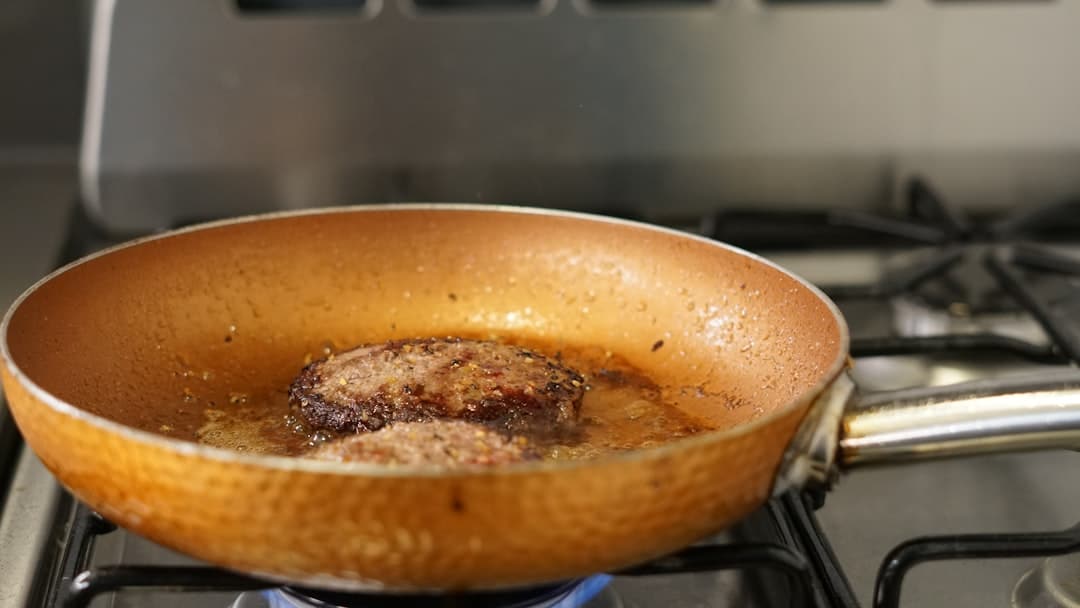
Start by heating your frying pan over medium-high heat. A hot pan helps seal in the juices of the pork medallions.
Searing Techniques
Place the pork medallions carefully in the pan without overcrowding. Sear each side until golden brown to lock moisture inside.
- Use a small amount of oil with a high smoke point
- Press the medallions gently to ensure full contact with the pan
- Avoid moving the meat too soon to get a good crust
Flipping And Timing
Flip the medallions once the first side is browned. Cook the second side for a slightly shorter time to avoid overcooking.
| Side | Cooking Time |
| First side | 3-4 minutes |
| Second side | 2-3 minutes |
Checking Doneness
Use a meat thermometer or press the medallions to check. The pork is done at 145°F (63°C) for juicy, safe meat.
Tips for checking doneness:
- Insert thermometer into the thickest part
- Let meat rest for 3 minutes after cooking
- Resting helps redistribute juices
Resting And Serving Tips
Cooking pork medallions in a frying pan is quick and easy. To get the best taste, resting and serving are important steps.
This guide explains why resting matters and offers ideas for serving your pork medallions.
Why Resting Matters
Resting lets the juices inside the pork medallions settle. This keeps the meat moist and tender.
If you cut the meat too soon, the juices will run out and make the medallions dry.
- Remove pork medallions from the pan.
- Place them on a warm plate or cutting board.
- Cover loosely with foil.
- Rest for 5 to 10 minutes before slicing.
Serving Suggestions
Pork medallions taste great with simple sides. Choose fresh vegetables or creamy mashed potatoes.
Adding a sauce can make the dish more flavorful. Try mustard, mushroom, or apple sauces.
- Steamed green beans or broccoli
- Roasted carrots or sweet potatoes
- Garlic mashed potatoes or rice
- Light cream or apple sauce
- Fresh herbs like parsley or thyme

Credit: www.everylastbite.com
Troubleshooting Common Issues
Cooking pork medallions in a frying pan can be quick and tasty. Some common problems may happen. Knowing how to fix them helps you get better results.
This guide covers three main issues: dryness, sticking, and uneven cooking. Each section gives simple tips to avoid or solve these problems.
Avoiding Dryness
Pork medallions can dry out if cooked too long or at too high heat. Keep the meat juicy by watching cooking time and temperature.
- Use medium heat to cook pork gently.
- Cook each side for 3 to 4 minutes only.
- Let the meat rest for 5 minutes after cooking.
- Marinate the pork before cooking to add moisture.
Preventing Sticking
Pork can stick to the pan if it is not hot enough or if there is not enough oil. Use these tips to stop sticking.
| Cause | Solution |
| Pan too cold | Heat pan before adding pork |
| Not enough oil | Add a thin layer of cooking oil |
| Meat wet | Pat dry with paper towel before cooking |
Fixing Uneven Cooking
Uneven cooking leaves some parts raw and others overcooked. Try these ways to cook pork medallions evenly.
- Use a heavy, flat-bottom pan for even heat.
- Do not overcrowd the pan; cook in batches if needed.
- Flip medallions only once during cooking.
- Press down lightly for full contact with the pan.
- Use a meat thermometer to check for 145°F inside.
Flavor Variations And Add-ons
Pork medallions cook quickly and take flavors well. You can change their taste with herbs, spices, sauces, and sides. These choices help you enjoy pork in new ways.
Try different herbs and spices to find your favorite flavor. Pair the pork with tasty sauces and side dishes for a full meal.
Herbs And Spices
Herbs and spices add aroma and taste to pork medallions. Fresh herbs bring brightness, while dried spices add warmth and depth.
- Rosemary and thyme give a classic earthy flavor
- Smoked paprika adds a smoky and slightly spicy note
- Garlic powder and onion powder boost savory taste
- Cumin and coriander add a warm, nutty flavor
- Fresh sage pairs well with pork’s natural sweetness
Sauce Pairings
| Sauce | Flavor Profile | Best Use |
| Apple sauce | Sweet and tangy | Balances pork’s richness |
| Mustard cream sauce | Creamy with sharp mustard bite | Gives a smooth and tangy finish |
| Barbecue sauce | Sweet, smoky, and spicy | Adds bold flavors |
| Mushroom gravy | Earthy and savory | Pairs well with herbs |
| Balsamic glaze | Sweet and slightly sour | Enhances the meat’s sweetness |
Side Dish Ideas
Choose sides that add color and texture. Vegetables, grains, or salads work well with pork medallions.
- Roasted carrots and parsnips for sweetness
- Garlic mashed potatoes for creaminess
- Steamed green beans with lemon zest for freshness
- Quinoa salad with herbs for a light touch
- Grilled asparagus for a smoky crunch
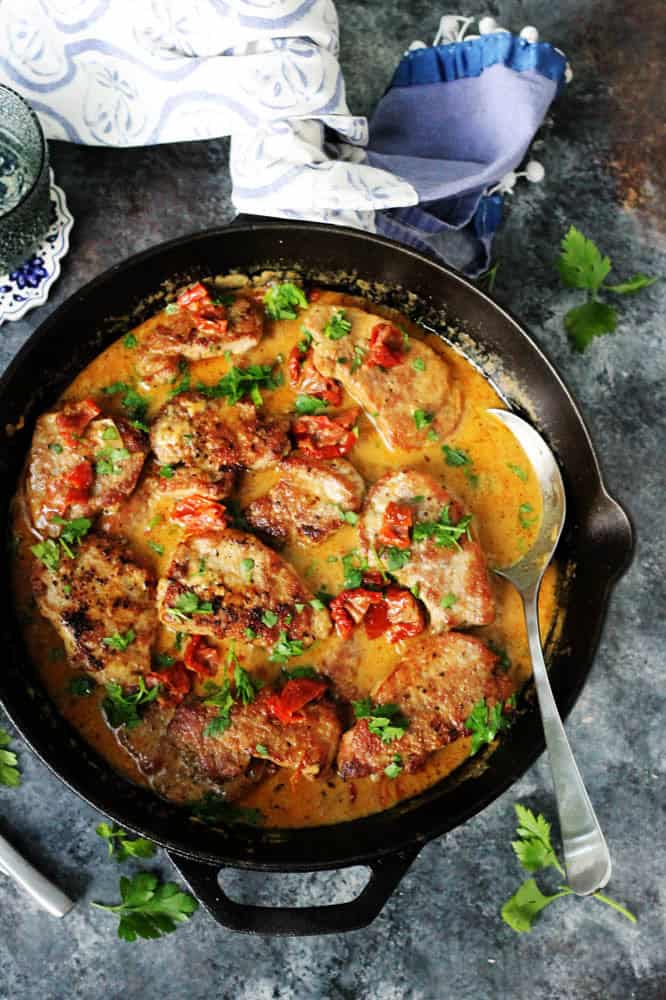
Credit: eatingeuropean.com
Frequently Asked Questions
How Long To Cook Pork Medallions In A Frying Pan?
Cook pork medallions for about 3-4 minutes per side. Ensure the internal temperature reaches 145°F (63°C) for safe consumption. Avoid overcooking to keep them tender and juicy.
What Oil Is Best For Frying Pork Medallions?
Use oils with high smoke points like olive oil, avocado oil, or vegetable oil. These oils prevent burning and add a subtle flavor to your pork medallions.
Should Pork Medallions Be Seasoned Before Frying?
Yes, season pork medallions with salt, pepper, and your favorite herbs before frying. Proper seasoning enhances the flavor and creates a tasty crust.
How To Check If Pork Medallions Are Cooked Properly?
Use a meat thermometer to check if the internal temperature is 145°F (63°C). Alternatively, cut a medallion to ensure the meat is no longer pink inside.
Conclusion
Cooking pork medallions in a frying pan is simple and quick. Use medium heat for even cooking and juicy meat. Season the medallions well to add flavor. Avoid overcrowding the pan to get a nice sear. Let the meat rest a few minutes before serving.
This method keeps pork tender and tasty every time. Try it today and enjoy a delicious meal at home.