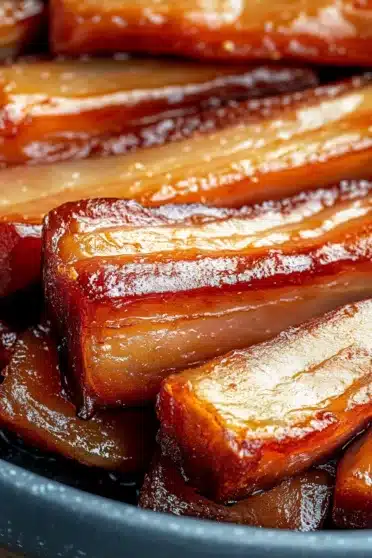
Craving something crispy, savory, and downright delicious? If you’re ready to elevate your cooking game, then learning how to cook pork belly slices in a frying pan is a must.
Imagine the sound of sizzling pork, the aroma filling your kitchen, and that first bite that melts in your mouth. Yes, you can achieve restaurant-quality results right at home, with just a frying pan and a few simple ingredients. Are you tired of complicated recipes that leave you frustrated?
Don’t worry. This guide will show you exactly how to get that perfect balance of crispy outside and tender inside. You’ll discover the secrets to transforming pork belly into a mouthwatering masterpiece that will have everyone asking for seconds. Ready to impress your taste buds and your guests? Let’s dive into the delicious world of pork belly perfection.
Choosing The Right Pork Belly
Picking the right pork belly is key for tasty slices cooked in a frying pan. Good meat makes cooking easier and results better.
Freshness and cut style affect flavor and texture. Learn how to choose pork belly that suits your recipe.
Selecting Fresh Meat
Look for pork belly that smells clean and fresh. Avoid any meat with a sour or strong odor.
The color should be pinkish-red with white fat. This shows the meat is fresh and good quality.
- Check for firm texture, not slimy or sticky
- Fat should be firm and white, not yellow
- Avoid cuts with dark spots or discoloration
Thickness And Cut Tips
Slice thickness changes cooking time and taste. Thin slices cook quickly and get crispy.
Thicker cuts stay juicy but take longer to cook. Choose thickness based on how you like your pork belly.
- Thin slices: about ¼ inch thick for crispiness
- Thicker slices: ½ inch or more for tender bites
- Cut across the grain for easier chewing
- Trim excess skin if you want less chewiness

Credit: www.spicetheplate.com
Preparing Pork Belly Slices
Preparing pork belly slices well helps them cook evenly and taste great. Proper prep makes frying easier and results better.
Start by trimming and scoring the meat. Then choose the right seasonings to add flavor.
Trimming And Scoring
Trim off excess fat from the edges if the slices are very thick. This keeps the pork from being too greasy.
Score the skin or fat side by cutting shallow lines in a crisscross pattern. This helps fat render out and crisps the skin.
- Use a sharp knife
- Cut shallow lines about 1/8 inch deep
- Make a diamond pattern for even cooking
Seasoning Options
Season pork belly slices simply to enhance their natural flavor. Salt is the base seasoning to use.
Add spices or herbs to fit your taste. You can keep it basic or try bold flavors.
- Sea salt or kosher salt for even seasoning
- Black pepper for mild heat
- Garlic powder or minced garlic for aroma
- Smoked paprika for a smoky touch
- Fresh herbs like thyme or rosemary
Pan Selection And Heat Settings
Cooking pork belly slices in a frying pan needs the right pan and heat. These factors help cook the meat evenly and keep it juicy.
Choosing the best pan and controlling the heat well can make your pork belly crispy and tasty.
Best Pans For Frying
A good pan holds heat well and cooks meat evenly. This helps pork belly slices get crispy without burning.
Heavy pans like cast iron or stainless steel are great choices. Non-stick pans work but may not get as crispy.
- Cast iron pans keep heat steady and create a good crust.
- Stainless steel pans heat evenly and brown the meat nicely.
- Non-stick pans prevent sticking but may not crisp well.
Ideal Temperature Control
Start cooking pork belly slices on medium heat. This helps the fat render slowly and the meat cook inside.
Use medium-high heat to crisp the outside at the end. Avoid very high heat to stop burning.
- Begin with medium heat for even cooking.
- Finish with medium-high heat for a crispy crust.
- Lower heat if the pan gets too hot or smoke appears.

Credit: blog.blueapron.com
Step-by-step Cooking Process
Cooking pork belly slices in a frying pan is simple and fast. You only need a few tools and ingredients.
This guide shows how to cook pork belly slices with clear steps. It helps you get tasty and crispy results every time.
Preheating The Pan
Start by heating your frying pan before adding pork belly slices. A hot pan helps the meat cook evenly and get crispy.
- Place the frying pan on medium heat.
- Wait for about 2 to 3 minutes until the pan is hot.
- Add a small amount of oil to prevent sticking.
Frying Techniques
Use the right frying methods to cook pork belly slices well. Keep the heat steady and check the texture often.
| Action | Details |
|---|---|
| Place slices | Put pork belly slices in a single layer without overlap. |
| Control heat | Keep medium heat to cook inside without burning outside. |
| Render fat | Let fat melt slowly to get crisp edges and juicy meat. |
| Drain fat | Remove extra fat from the pan if it pools too much. |
Flipping And Timing
Turning pork belly slices at the right time is key. This helps cook both sides evenly and keep the meat tender.
- Cook the first side for 4 to 5 minutes without moving.
- Flip slices carefully using tongs or a spatula.
- Cook the second side for 3 to 4 minutes until golden brown.
- Check for crispiness and adjust time if needed.
- Remove slices and place on paper towels to drain extra fat.
Achieving Crispy Skin
Cooking pork belly slices in a frying pan can give you crispy skin. The key is to cook the skin slowly and carefully. This helps the fat melt and the skin become crunchy.
Paying attention to fat and moisture will stop the skin from getting soggy. You can enjoy pork belly with a perfect crunchy texture every time.
Rendering Fat Properly
Start by heating the pan on low to medium heat. This lets the fat under the skin melt slowly. If the heat is too high, the skin may burn before the fat renders.
Place the pork belly slices skin side down. Cook them slowly until the fat is clear and the skin starts to crisp. Turning the slices too soon can stop the fat from rendering well.
- Use low to medium heat
- Cook skin side down first
- Wait for fat to melt and clear
- Avoid flipping too early
Avoiding Soggy Results
Dry the pork belly skin well before cooking. Moisture causes steam and prevents crisping. Pat the skin with a paper towel until it feels dry.
Do not cover the pan while cooking. Covering traps steam, making the skin soft. Also, avoid overcrowding the pan to keep heat even and skin crisp.
- Dry skin thoroughly before cooking
- Do not cover the pan
- Cook in a single layer, not crowded
- Use a spatula to press skin gently
Serving Suggestions
Pork belly slices cooked in a frying pan taste great with many sides. Picking the right dishes and sauces enhances the meal.
Try different combinations to find your favorite way to enjoy pork belly slices.
Complementary Dishes
Choose side dishes that balance the rich flavor of pork belly. Fresh vegetables and simple grains work well.
- Steamed jasmine rice or sticky rice
- Lightly sautéed green beans or bok choy
- Pickled vegetables like kimchi or cucumbers
- Mashed potatoes with a touch of garlic
- Simple garden salad with vinaigrette
Sauces And Garnishes
Sauces add moisture and extra flavor to pork belly slices. Garnishes give a fresh crunch and color.
| Sauce | Description | Best Paired With |
| Soy garlic sauce | Sweet and savory with garlic notes | Steamed rice and sautéed greens |
| Spicy chili sauce | Hot and tangy for a bold kick | Pickled vegetables and plain rice |
| Honey mustard | Sweet and tangy with mild heat | Mashed potatoes and salad |
| Fresh lime and cilantro | Bright and fresh garnish | Any side dish or plain pork belly |
Common Mistakes To Avoid
Cooking pork belly slices in a frying pan can be easy. But some mistakes can spoil the dish. Knowing what to avoid helps you cook better pork belly.
This guide shows two common errors. Avoiding these will give you crispy, tasty pork belly every time.
Overcrowding The Pan
Putting too many pork belly slices in the pan lowers the heat. This stops the meat from crisping well. The slices will steam and turn soggy instead of golden and crunchy.
- Use a pan big enough for the slices to lie flat without touching.
- Cook in batches if needed. This keeps the heat steady.
- Leave space for air to circulate around each slice.
- Overcrowding makes the pork cook unevenly.
Cooking At Incorrect Temperatures
Cooking pork belly at the wrong heat changes the texture and taste. Too low heat makes the fat melt slowly but keeps the skin soft. Too high heat can burn the outside but leave inside raw.
| Temperature | Effect on Pork Belly |
| Low Heat | Fat melts slowly, skin stays soft, not crispy |
| Medium Heat | Fat renders well, skin crisps nicely, meat cooks through |
| High Heat | Skin may burn, inside may stay raw or tough |
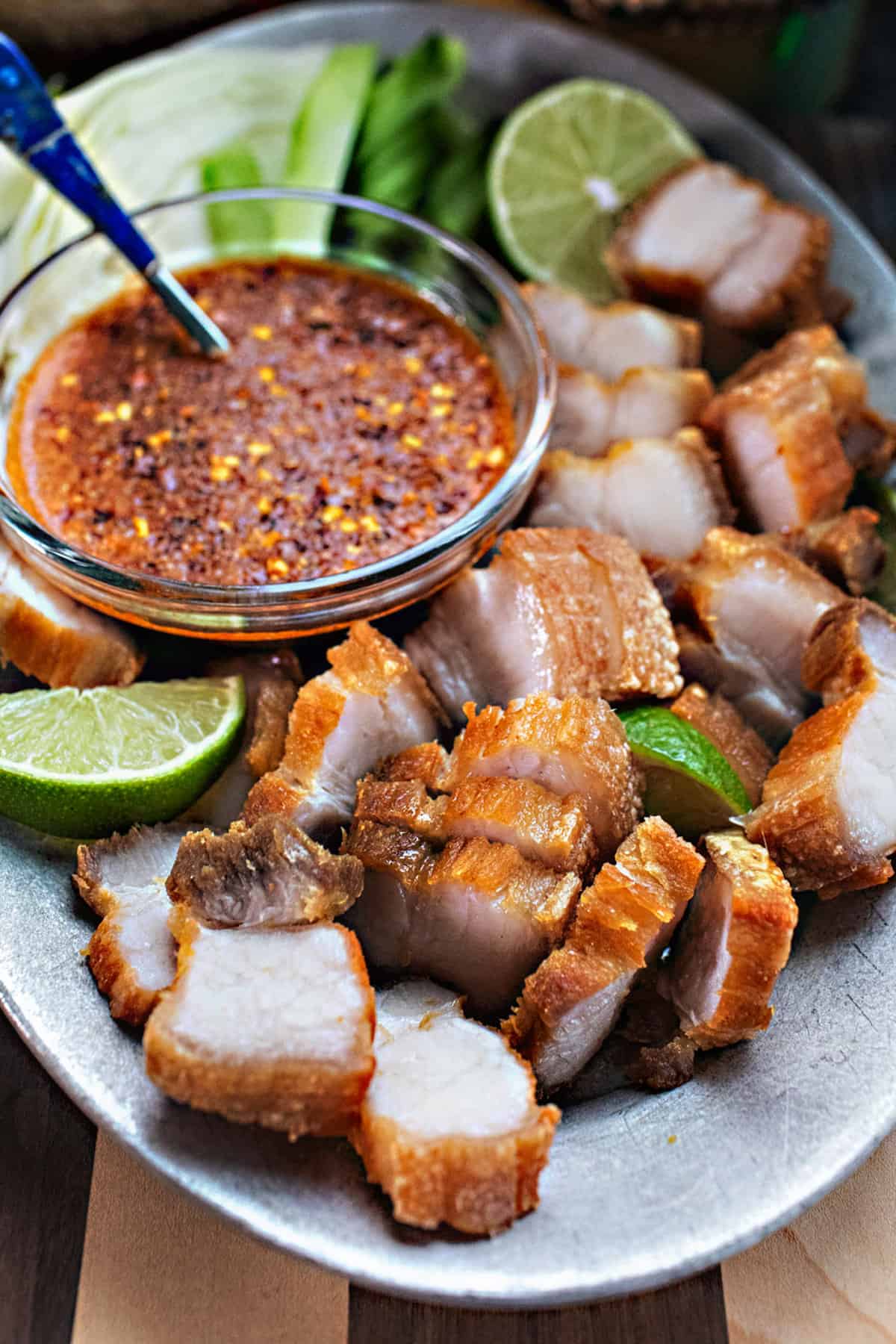
Credit: www.simplysuwanee.com
Frequently Asked Questions
How Long To Fry Pork Belly Slices In A Pan?
Fry pork belly slices for 4-5 minutes per side on medium heat. Cook until crispy and golden brown for the best texture and flavor.
Should I Season Pork Belly Before Frying?
Yes, season pork belly slices with salt, pepper, and optional spices. This enhances the flavor and creates a tasty crust during frying.
Can I Cook Pork Belly Without Oil In The Pan?
You can cook pork belly without added oil because it releases its own fat. Use medium heat and cook slowly to render fat properly.
How To Prevent Pork Belly From Sticking To The Pan?
Preheat the pan and use medium heat before adding pork belly. Adding a small amount of oil helps prevent sticking and promotes even cooking.
Conclusion
Cooking pork belly slices in a frying pan is simple and tasty. Use medium heat to get a crispy outside and tender inside. Season well to bring out the flavors. Turn the slices often to cook evenly. Enjoy this dish with your favorite sides.
Practice makes perfect, so try different spices and cooking times. Now, you can make delicious pork belly right at home. Give it a try and enjoy a great meal!