Imagine the aroma of freshly cooked pasta filling your kitchen, the steam rising from a pot of perfectly textured pappardelle. It’s a comforting, timeless experience.
If you’ve ever wondered how to master this culinary delight, you’re in the right place. Cooking pappardelle pasta might seem daunting, but it’s simpler than you think. By the end of this guide, you’ll know how to make restaurant-quality pappardelle in your own home.
So, if you’re ready to transform a simple meal into a flavorful masterpiece that impresses both family and friends, keep reading. Your delicious journey starts here.
Choosing The Right Pappardelle
Pappardelle pasta is wide, flat, and perfect for rich sauces. Choosing the right kind affects your dish’s taste and texture.
This guide helps you pick between fresh and dried pappardelle. It also shows how to select quality ingredients.
Fresh Vs. Dried Pasta
Fresh pappardelle is soft and cooks quickly. Dried pasta takes longer but stores well and has a firmer bite.
- Fresh pasta suits delicate sauces and quick meals.
- Dried pasta works well with hearty sauces and long cooking times.
- Fresh pasta needs refrigeration and is best used within days.
- Dried pasta lasts for months if kept in a dry place.
Selecting Quality Ingredients
Good ingredients make better pappardelle dishes. Look for pasta made with simple, natural ingredients.
| Ingredient | What to Look For | Why It Matters |
| Flour Type | Durum wheat or semolina | Gives pasta a firm texture and good bite |
| Eggs | Fresh, free-range if possible | Adds richness and color to fresh pasta |
| Additives | None or minimal preservatives | Keeps flavor natural and pure |
| Packaging | Sealed and intact | Prevents moisture and contamination |

Credit: aflavorjournal.com
Preparing The Pasta Dough
Making pappardelle pasta begins with preparing the dough. This process shapes the texture and flavor.
Careful attention to ingredients, mixing, and resting helps create smooth, elastic dough.
Basic Ingredients Needed
Use simple ingredients to make fresh pasta dough at home. Quality matters for best results.
- All-purpose flour or “00” flour for fine texture
- Large eggs, room temperature
- A pinch of salt for flavor
- Water, if dough feels dry
Mixing And Kneading Techniques
Mix flour and eggs carefully. Knead dough well to develop gluten for elasticity.
- Make a mound of flour on a clean surface.
- Create a well in the center and crack eggs into it.
- Gently mix eggs with flour using a fork.
- Gradually incorporate flour from edges into eggs.
- Knead the dough by hand for about 10 minutes.
- Stop when the dough is smooth and slightly sticky.
Resting The Dough
Resting lets the dough relax and makes it easier to roll out. Cover it well.
| Rest Time | Effect on Dough |
|---|---|
| 30 minutes | Dough softens and relaxes gluten |
| 1 hour | Easier to roll and cut without shrinking |
| Over 1 hour | May dry out if not covered properly |
Rolling And Cutting Pappardelle
Making pappardelle pasta starts with rolling the dough thin. Then, you cut it into wide strips.
Proper rolling and cutting give pappardelle its classic look and texture.
Using A Rolling Pin Or Pasta Machine
You can roll pasta dough by hand with a rolling pin or use a pasta machine. Both work well to get thin dough.
Use a rolling pin for a rustic feel. A pasta machine helps make even, smooth sheets quickly.
Cutting Wide Strips
Pappardelle are wide pasta noodles. Cut the rolled dough into strips about 3/4 to 1 inch wide.
Use a sharp knife or a pasta cutter wheel for clean edges and even strips.
Dusting With Flour To Prevent Sticking
Dust the dough and cut strips lightly with flour. This stops them from sticking together.
Use just enough flour to keep the pasta dry but not too much to change the texture.
Cooking The Pappardelle
Cooking pappardelle pasta is simple but requires attention. The key is to use the right water and timing.
Proper cooking keeps the pasta tender and ready for any sauce you choose.
Boiling Water Tips
Use a large pot with plenty of water. This stops the pasta from sticking together.
Add enough salt to make the water taste like the sea. This adds flavor to the pasta.
- Use at least 4 quarts (4 liters) of water per pound (450g) of pasta
- Add 1 to 2 tablespoons of salt to the water
- Wait until the water boils rapidly before adding pasta
- Stir pasta gently after adding it to the water
Cooking Time For Fresh Vs. Dried Pasta
Fresh pappardelle cooks much faster than dried pasta. It usually takes just a few minutes.
Dried pappardelle needs more time to become soft but still firm to the bite.
| Type | Cooking Time |
|---|---|
| Fresh Pappardelle | 2 to 4 minutes |
| Dried Pappardelle | 7 to 10 minutes |
Testing For Doneness
Check pasta by tasting a strand. It should be tender with a slight bite.
Do not rely only on the clock. Taste is the best way to know if it is done.
- Remove one piece with a fork or spoon
- Let it cool for a few seconds
- Bite to check texture and softness
- Cook longer if it feels too hard
Perfect Sauce Pairings
Pappardelle pasta has wide, flat ribbons. It holds thick sauces well. Choosing the right sauce makes your dish special.
This guide shows three great sauce ideas. Each sauce pairs well with pappardelle for a tasty meal.
Classic Meat Ragu
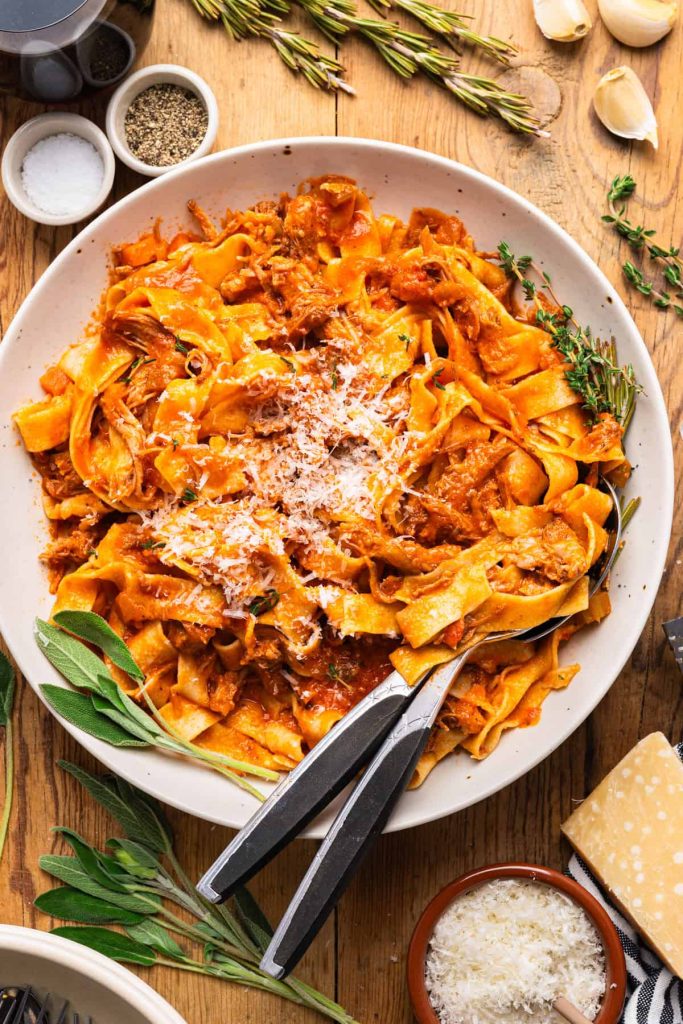
Meat ragu is rich and hearty. It clings to the wide pasta ribbons perfectly. Use slow-cooked beef or pork with tomatoes and herbs.
- Cook meat until tender
- Add crushed tomatoes and garlic
- Simmer with rosemary and thyme
- Season with salt and pepper
- Serve hot over pappardelle
Creamy Mushroom Sauce
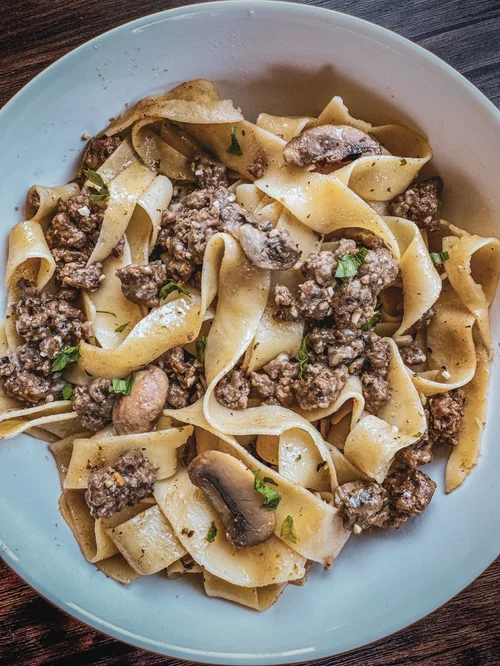
This sauce is smooth and earthy. Mushrooms add deep flavor. Cream makes the sauce rich and silky for pappardelle.
| Ingredient | Amount |
| Mushrooms (sliced) | 2 cups |
| Butter | 2 tbsp |
| Heavy cream | 1 cup |
| Garlic (minced) | 2 cloves |
| Parsley (chopped) | 2 tbsp |
Sauté mushrooms and garlic in butter. Add cream and simmer. Stir in parsley before serving with pasta.
Simple Olive Oil And Herbs
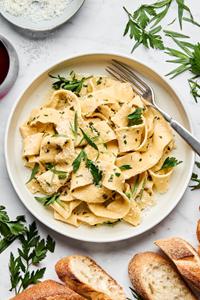
This sauce is light and fresh. Olive oil and herbs add flavor without heaviness. It lets the pasta shine.
Try this easy mix:
- Extra virgin olive oil
- Fresh basil leaves
- Chopped parsley
- Grated Parmesan cheese
- Crushed red pepper flakes (optional)
Warm the oil, toss with herbs and pasta, then top with cheese.
Credit: themodernproper.com
Serving And Garnishing
Cooking pappardelle pasta is only part of the experience. Serving it well makes the dish more enjoyable.
Garnishing adds flavor and makes the meal look inviting. Small touches improve every bite.
Plating Suggestions
Use a wide, shallow bowl or plate to serve pappardelle. This shows off the broad noodles nicely.
Twirl the pasta gently with a fork or tongs before placing it on the plate. This creates a neat nest of noodles.
- Add sauce evenly over the pasta, not just on top.
- Leave some space around the edges for a clean look.
- Use warm plates to keep the pasta hot longer.
Adding Fresh Herbs And Cheese
Fresh herbs bring a bright, fresh taste to pappardelle. Sprinkle chopped basil, parsley, or thyme on top.
Grated cheese adds richness and depth. Parmesan or Pecorino Romano work best with pappardelle pasta.
- Use fresh herbs for a mild, fresh flavor.
- Grate cheese finely for even coverage.
- Add herbs and cheese just before serving.
Pairing With Wine Or Sides
Choose wine that matches the sauce and pasta flavors. Light reds or whites work well with most pappardelle dishes.
Side dishes should not overpower the pasta. Simple salads or roasted vegetables make good companions.
- Pair tomato-based sauces with Chianti or Sangiovese.
- Try Pinot Grigio or Sauvignon Blanc with creamy sauces.
- Serve a green salad with lemon vinaigrette on the side.
- Roasted asparagus or garlic bread also complement the meal.
Troubleshooting Common Issues
Cooking pappardelle pasta can be simple, but some problems may happen. Knowing how to fix them helps you get perfect pasta every time.
This guide covers three common issues: pasta sticking together, overcooking or undercooking, and sauce not clinging to pasta.
Pasta Sticking Together
Pasta can stick if the water is not boiling or if you add pasta too early. Stirring helps keep pasta separate.
- Use a large pot with plenty of water.
- Make sure the water boils before adding pasta.
- Stir pasta often during the first two minutes.
- Add a little oil to the water if sticking continues.
Overcooked Or Undercooked Pasta
Cooking time affects pasta texture. Overcooked pasta is mushy. Undercooked pasta is too hard. Timing is key.
| Cooking Time | Texture | Solution |
| Too Long | Mushy | Reduce boiling time |
| Too Short | Hard | Cook longer, test often |
| Just Right | Firm but soft | Follow package instructions |
Sauce Not Clinging To Pasta
Sauce may slide off if pasta is too dry or oily. Water from cooking helps sauce stick better.
Try these tips:
- Reserve some pasta cooking water before draining.
- Mix sauce and pasta in a pan over low heat.
- Add small amounts of pasta water to the sauce to loosen it.
- Do not rinse pasta after draining; keep the starch.
Credit: www.sippinfoodie.com
Frequently Asked Questions
What Is The Best Way To Cook Pappardelle Pasta?
Boil a large pot of salted water. Add pappardelle and cook for 3-5 minutes. Stir occasionally to prevent sticking. Drain and serve with your favorite sauce immediately.
How Long Does Pappardelle Pasta Take To Cook?
Fresh pappardelle cooks in 3-5 minutes. Dried pappardelle may take 7-9 minutes. Check for al dente texture by tasting during cooking.
Can I Use Store-bought Pappardelle For Recipes?
Yes, store-bought pappardelle is convenient and works well. Follow package instructions for cooking time and enjoy with your preferred sauce.
What Sauces Pair Best With Pappardelle Pasta?
Rich, hearty sauces like ragù, mushroom cream, or tomato-based sauces complement pappardelle well. Their wide shape holds thick sauces perfectly.
Conclusion
Cooking pappardelle pasta is simple and fun. Use plenty of water and salt for best taste. Cook the pasta until it feels soft but still firm. Drain it quickly to keep its shape. Toss with your favorite sauce and serve hot.
Enjoy the rich, wide noodles that hold sauce well. Perfect for a cozy meal any day. Try different sauces to find your favorite. Cooking pappardelle at home brings fresh flavor to your table. Give it a try and enjoy every bite!