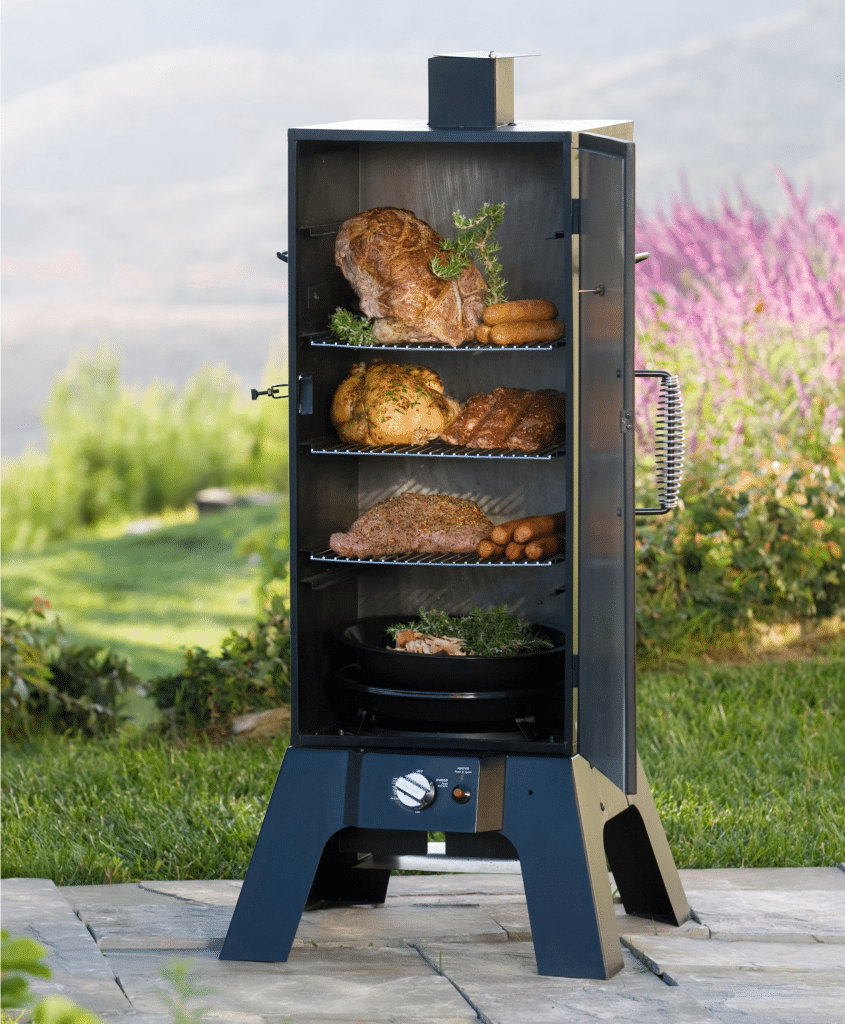
Imagine the mouth-watering aroma of smoked meat wafting through your backyard. Picture yourself as the barbecue hero of your neighborhood, effortlessly serving up tender and flavorful dishes.
If you’ve ever wanted to master the art of smoking, but felt intimidated by traditional methods, you’re in the right place. An electric smoker offers a simple, yet effective way to achieve that rich, smoky flavor without the hassle. In this guide, we’re diving straight into the essentials of cooking on an electric smoker.
Whether you’re a beginner or looking to up your game, you’ll discover tips and tricks that make smoking not only easy but also incredibly rewarding. You’ll learn how to choose the right wood chips, set the perfect temperature, and monitor your food to perfection. Get ready to transform your backyard into a culinary haven, impressing family and friends with your newfound skills. Stick around, because by the end of this article, you’ll have everything you need to become a confident electric smoker aficionado.
Choosing The Right Electric Smoker
Cooking with an electric smoker is a great way to enjoy flavorful, tender meat. Picking the right smoker is important for good results and easy use.
There are many options available. Knowing what to look for helps you find a smoker that fits your needs and budget.
Key Features To Consider
Look for features that make smoking easier and more consistent. Size, temperature control, and build quality matter.
- Temperature range and control accuracy
- Cooking space to fit your usual meals
- Durable materials like stainless steel
- Ease of cleaning and maintenance
- Built-in timers and meat probes
Popular Brands And Models
Many brands make reliable electric smokers. Some models stand out for features and user reviews.
| Brand | Model | Key Feature |
| Masterbuilt | MB20071117 | Digital control panel |
| Char-Broil | American Gourmet | Compact size |
| Smokey Mountain | Electric Smoker | Durable construction |
| Bradley Smoker | Digital 4-Rack | Automatic wood feed |
Budget Vs. Performance
Decide how much you want to spend. Higher price often means more features and better build.
- Low-budget smokers suit beginners and small meals
- Mid-range models offer better temperature control
- High-end smokers include advanced features and larger capacity
- Consider long-term use and durability
Preparing Your Smoker
Cooking on an electric smoker starts with good preparation. Setting up your smoker right helps you cook tasty food.
Before you begin, take time to clean and choose the right wood chips. These steps improve the flavor and safety of your cooking.
Setting Up The Smoker
Place your electric smoker on a flat, stable surface outdoors. Make sure it is away from anything that can catch fire.
Check the power cord and plug for any damage. Plug the smoker into a grounded outlet for safety.
- Place smoker away from walls and overhangs
- Use a heat-resistant mat if needed
- Keep the door closed when cooking
- Set the temperature according to your recipe
Cleaning And Maintenance
Clean your smoker before each use. Remove ash and leftover wood chips to avoid bad flavors.
Wipe the inside with a damp cloth. Check the water pan and clean it if needed.
- Empty the drip tray after cooking
- Clean racks with warm, soapy water
- Check seals and replace if worn
- Keep vents clear for proper airflow
Choosing Wood Chips
Wood chips add smoke flavor to your food. Pick wood that matches the type of meat or fish you cook.
Soak wood chips in water for 30 minutes before use. This helps them smoke longer and not burn too fast.
- Hickory: strong flavor, good for beef and pork
- Apple: sweet and mild, great for chicken and fish
- Mesquite: bold and earthy, best for red meats
- Cherry: fruity and mild, works well with poultry
Selecting The Best Cuts Of Meat
Choosing the right meat cuts is key for tasty results on an electric smoker. Some cuts work better because they stay juicy and absorb smoke well.
This guide helps you pick meats that cook evenly and taste great after smoking.
Ideal Meats For Smoking
Not all meat cuts smoke the same. Some need longer cooking times. Others get tender quickly. Choose cuts with good fat and connective tissue for best flavor.
- Brisket: A classic choice with lots of fat and tough fibers that break down slowly.
- Pork shoulder: Also called pork butt, it has marbling that keeps meat moist.
- Ribs: Both beef and pork ribs take on smoke flavor well and stay tender.
- Chicken thighs and legs: Dark meat holds moisture and flavor during smoking.
- Turkey breast: Lean but benefits from slow smoking with a rub or brine.
Preparing Meat For Smoking
Prepare your meat right to get even cooking and good smoke absorption. Trim excess fat but leave some for flavor. Pat meat dry before seasoning to help rubs stick.
| Preparation Step | Purpose |
| Trim excess fat | Prevents flare-ups and balances moisture |
| Pat dry with paper towels | Helps seasoning stick and smoke penetrate |
| Score thick fat caps | Allows smoke and rubs to reach meat |
| Bring meat to room temperature | Ensures even cooking |
Marinating And Seasoning Tips
Marinating adds flavor and can tenderize tougher cuts. Dry rubs create a tasty crust called bark. Both help highlight the smoke taste.
- Use a mix of salt, sugar, and spices for dry rubs.
- Apply rubs at least one hour before smoking for best flavor.
- Marinate meat in the fridge for 4 to 24 hours depending on thickness.
- Remove excess marinade and pat dry to avoid steaming during smoking.
- Let meat rest after seasoning so spices soak in well.
Credit: www.themidwestkitchenblog.com
Mastering Temperature Control
Cooking with an electric smoker requires steady temperature control. This helps food cook evenly and stay juicy. Understanding how to manage heat is key for tasty smoked dishes.
Electric smokers make it easier to keep a consistent temperature than traditional smokers. Still, you must know the best temperatures and how to adjust settings for great results.
Optimal Smoking Temperatures
Different foods need different temperatures to cook well in an electric smoker. Using the right heat level avoids drying out or undercooking your meat.
- Fish and vegetables: 175°F to 200°F (79°C to 93°C)
- Pork ribs and chicken: 225°F to 250°F (107°C to 121°C)
- Brisket and larger cuts: 225°F to 275°F (107°C to 135°C)
- Cold smoking: below 90°F (32°C), mainly for flavor
Using Built-in Thermostats
Most electric smokers have built-in thermostats to set and keep temperature. Learn to use these controls to maintain steady heat for long cooking times.
| Thermostat Setting | Effect on Temperature | Tips |
|---|---|---|
| Low | 175°F – 200°F (79°C – 93°C) | Good for slow cooking fish or vegetables |
| Medium | 225°F – 250°F (107°C – 121°C) | Ideal for most meats like ribs and chicken |
| High | 275°F – 300°F (135°C – 149°C) | Use for larger cuts or faster cooking |
Check the smoker thermometer with a separate probe to confirm accuracy. This helps avoid surprises during cooking.
Adjusting For Weather Conditions
Weather affects smoker temperature. Cold or windy days can lower heat inside the smoker. You must adjust settings to keep food cooking right.
- On cold days, increase thermostat setting slightly to maintain heat
- Keep smoker in a sheltered spot to block wind
- Use additional insulation blankets designed for smokers if needed
- Check temperature often during long cooks
Smoking Techniques For Perfect Bbq
Cooking on an electric smoker is a simple way to enjoy delicious BBQ. It uses electricity to keep the temperature steady. This helps you cook meat evenly with tasty smoke.
Using the right smoking techniques will improve your BBQ flavor and texture. These tips focus on low and slow cooking, water pans, and smoke timing.
Low And Slow Cooking
Low and slow cooking means smoking meat at a low temperature for many hours. This breaks down the meat fibers, making it tender and juicy.
Set your electric smoker between 225°F and 250°F. Keep the temperature steady and avoid opening the door often.
- Use a meat thermometer to check doneness
- Cook tougher cuts like brisket and ribs this way
- Patience is key to get soft, flavorful meat
Using Water Pans
Water pans add moisture inside the smoker. This keeps the meat from drying out during long cooking times.
Fill a pan with water and place it in the smoker. The water will create steam and keep the air moist.
- Check water level regularly and refill if needed
- Use hot water to keep the temperature steady
- Water pans also help control smoker temperature
Smoke Timing And Flavor Infusion
Adding smoke at the right time gives the best flavor. Too much smoke can make food bitter, too little means less taste.
Start smoking when the meat goes into the smoker. Usually, 2 to 4 hours of smoke is enough for most meats.
- Use wood chips like hickory, apple, or mesquite
- Soak wood chips in water before adding for slower smoke
- Add chips in small amounts to avoid overpowering taste
Monitoring And Maintaining Heat
Cooking with an electric smoker needs careful heat control. Keeping the right temperature makes food cook evenly and taste better.
Watch the heat closely and adjust as needed. Use tools and techniques to keep the smoker steady.
Using External Thermometers
Built-in thermometers can be off by several degrees. External thermometers give a more accurate reading of the smoker’s heat.
- Place the probe inside the smoker near the food.
- Check the temperature often to catch changes early.
- Use a digital thermometer for easy reading.
- Keep spare batteries for wireless thermometers.
Managing Smoke Levels
Too much smoke can make food bitter. Too little smoke means less flavor. Balance smoke for the best taste.
| Smoke Level | Effect on Food | How to Adjust |
| Low | Mild flavor | Add more wood chips or chunks |
| Medium | Balanced smoky taste | Use moderate wood and airflow |
| High | Bitter or harsh flavor | Reduce wood and increase airflow |
Handling Temperature Fluctuations
Electric smokers can change heat quickly. Small shifts are normal. Big swings need fixing fast.
- Check the power source and plug for issues.
- Adjust the smoker’s temperature control knob slowly.
- Keep vents partly open to help airflow.
- Do not open the smoker door often; it cools the inside.
- Use water pans inside to stabilize heat and add moisture.
Finishing Touches And Serving
After cooking on an electric smoker, proper finishing steps make a big difference. These steps help keep the meat juicy and tasty.
Serving your smoked meat with the right sides can complete a great meal. Let’s look at resting, carving, and serving tips.
Resting The Meat
Rest the meat after smoking to keep juices inside. Let it sit for 10 to 20 minutes before cutting.
Cover the meat loosely with foil. This keeps it warm without making the crust soggy.
Carving Tips
Use a sharp knife for clean cuts. Cut against the grain to make the meat tender and easy to chew.
Cut in even slices. For ribs, separate at the joints for neat pieces.
- Hold the meat steady with a fork or tongs
- Make smooth, steady cuts
- Slice thin for brisket or thicker for ribs
Serving Suggestions And Sides
Serve smoked meat with fresh sides to balance rich flavors. Choose simple and tasty options.
- Coleslaw or green salad for crunch
- Baked beans or corn on the cob
- Pickles or grilled vegetables
- Barbecue sauce on the side
- Fresh bread or rolls
Keep sauces separate so guests can add as they like. Warm sides complement the smoky taste well.

Credit: www.theslowcook.com
Troubleshooting Common Issues
Cooking with an electric smoker is easy but sometimes problems happen.
This guide covers common issues and how to fix them quickly.
Uneven Cooking
Uneven cooking happens when heat does not spread evenly inside the smoker.
- Check if your food pieces are the same size.
- Avoid overcrowding the smoker to let air flow.
- Place thicker cuts closer to the heat source.
- Rotate the food halfway through cooking.
- Make sure the smoker door is closed tightly.
Lack Of Smoke Flavor
If your food tastes weak in smoke flavor, the wood chips may be the problem.
| Issue | Cause | Fix |
| Wood chips not producing smoke | Wood is wet or old | Use dry, fresh wood chips |
| Smoke is too thin | Too few wood chips | Add more wood chips gradually |
| Smoke leaves bitter taste | Wood chips burning too fast | Soak chips in water for 30 minutes before use |
Temperature Drops
Temperature drops can cause undercooked food and longer cooking times.
Try these fixes for temperature drops:
- Check power supply and connections to the smoker.
- Keep the smoker door closed as much as possible.
- Make sure the temperature probe is placed correctly in the meat.
- Avoid opening the smoker during cold or windy weather.
- Clean the smoker regularly to remove ash and debris.
Cleaning And Storing Your Smoker
Keeping your electric smoker clean helps it work well for a long time. Proper storage stops damage and keeps it ready to use.
Learn how to clean after cooking, stop rust, and store your smoker safely. This guide makes maintenance simple.
Post-cooking Cleanup
After you finish smoking, let the smoker cool down. Remove ashes and leftover wood chips to avoid buildup.
- Take out racks and trays for washing.
- Use warm water and mild soap to clean parts.
- Wipe inside walls with a damp cloth.
- Check and clean the drip pan to prevent grease fires.
- Dry all parts before putting them back.
Preventing Rust And Damage
Rust can ruin your smoker’s metal parts. Keep your smoker dry and use covers to guard it from weather.
| Tip | How to Do It |
|---|---|
| Keep dry | Wipe moisture after cleaning and use a cover |
| Oil metal parts | Apply cooking oil to racks and trays once a month |
| Store indoors | Put smoker in a dry garage or shed if possible |
Storage Tips For Longevity
Store your smoker in a safe place to avoid damage from weather or pests. Use covers and check it often.
- Cover the smoker with a weatherproof cover.
- Keep the smoker off the ground on a platform or bricks.
- Check for signs of rust or wear every few months.
- Remove batteries or electrical parts if storing long term.
- Make sure vents are closed to keep out insects.

Credit: www.amazon.ca
Frequently Asked Questions
How Do You Start Cooking On An Electric Smoker?
First, preheat the electric smoker to the desired temperature. Add wood chips for smoke flavor. Place seasoned meat inside and close the door. Monitor temperature regularly and adjust settings as needed. Cook until the internal meat temperature reaches the recommended level for safety.
What Wood Chips Are Best For Electric Smokers?
Popular wood chips for electric smokers include hickory, apple, mesquite, and cherry. Each type adds a unique flavor to your food. Choose wood based on the meat you’re smoking. For example, apple wood suits poultry, while hickory pairs well with beef and pork.
How Long Does Smoking Take On An Electric Smoker?
Smoking times vary by meat type and thickness. Generally, smoking takes 1. 5 to 6 hours. Low and slow cooking at 225°F is common. Use a meat thermometer to check doneness. Avoid opening the smoker frequently to maintain consistent temperature.
Can You Cook Vegetables In An Electric Smoker?
Yes, you can smoke vegetables in an electric smoker. Use sturdy vegetables like peppers, mushrooms, and zucchini. Slice them evenly and marinate or season before smoking. Smoke at a lower temperature around 225°F for 30-60 minutes for best flavor.
Conclusion
Cooking with an electric smoker can be simple and fun. Set the right temperature and choose good wood chips. Check your food often to avoid overcooking. Patience brings out the best flavors in smoked dishes. Experiment with different recipes to find what you like.
Enjoy the process and share your tasty meals with friends. Smoking food at home saves money and tastes great. Give it a try and see how easy it can be.