Craving a delicious homemade dish that’s both simple and satisfying? Look no further!
Learning how to cook meatballs in a frying pan is not only easy, but it brings out flavors that are sure to excite your taste buds. Imagine the savory aroma wafting through your kitchen as each meatball browns to perfection, creating a crispy outside and juicy inside.
Whether you’re planning a family dinner or a cozy meal for yourself, this method ensures you achieve mouthwatering results every time. With just a few ingredients and our foolproof tips, you’ll be on your way to creating a meal that everyone will love. Ready to transform your cooking skills and impress with your new culinary prowess? Let’s dive in!

Credit: mangiawithmichele.com
Choosing The Right Meat
Picking the right meat is key to tasty meatballs. Different meats give different flavors and textures.
Knowing the types of meat helps you cook better meatballs in a frying pan.
Beef
Beef is a popular choice for meatballs. It has a strong flavor and good texture.
Choose ground beef with some fat for juicy meatballs. Lean beef can be dry.
Pork
Pork adds a mild, sweet taste to meatballs. It is softer than beef.
Pork works well alone or mixed with beef for balanced flavor and moisture.
Mix
Mixing beef and pork combines flavors and textures. It makes meatballs juicy and tasty.
A common mix is half beef and half pork. Adjust based on your taste preference.
Fat Content Matters
Fat keeps meatballs moist and flavorful. Too little fat makes dry meatballs.
Look for meat with about 15-20% fat. This fat level cooks well in a frying pan.
- Low fat (less than 10%) can dry out meatballs
- Moderate fat (15-20%) gives juicy texture
- High fat (over 25%) may cause splatter when frying
Fresh Vs Frozen
Fresh meat tastes better and binds well for meatballs. It cooks evenly in a pan.
Frozen meat can work but thaw it fully before use. Partially frozen meat is hard to mix.
- Use fresh meat for best flavor and texture
- Thaw frozen meat completely before making meatballs
- Do not refreeze meat after thawing
Essential Ingredients
Cooking meatballs in a frying pan needs the right ingredients. These help the meatballs hold together and taste great. Let’s look at the key ingredients you need.
We will cover binding agents, seasonings and herbs, and ways to add moisture. Each part plays a role in the final dish.
Binding Agents
Binding agents keep the meatballs from falling apart while cooking. They hold the meat and other ingredients tightly together.
- Bread crumbs: soak in milk for softness
- Eggs: act as a glue
- Grated cheese: adds flavor and stickiness
- Cooked rice: helps bind and adds texture
Seasonings And Herbs
Seasonings and herbs give meatballs their delicious taste and aroma. You can mix and match to suit your preference.
| Seasoning | Purpose |
| Salt | Enhances flavor |
| Black pepper | Adds mild heat |
| Garlic powder | Gives a rich, savory taste |
| Parsley | Fresh herbal note |
| Oregano | Earthy and warm flavor |
Adding Moisture
Moisture keeps meatballs juicy and soft. Dry meatballs can feel tough and crumbly.
- Milk: softens the mixture
- Grated onion: releases moisture while cooking
- Tomato paste: adds moisture and flavor
- Olive oil: keeps meatballs tender
Preparing The Meatball Mixture
Cooking meatballs starts with making the right mixture. The mixture must be soft but hold together well.
Good preparation helps meatballs stay juicy and tasty when frying in the pan.
Mixing Techniques
Mix all ingredients gently. Use your hands or a spoon to combine meat, spices, and fillers.
Make sure everything is evenly spread for consistent flavor in every bite.
- Use a light touch when mixing
- Combine wet and dry ingredients well
- Check for even distribution of seasoning
Avoid Overworking
Do not squeeze or knead the mixture too much. Overworking makes meatballs tough.
Stop mixing as soon as the ingredients are joined well. This keeps meatballs soft.
- Mix just until combined
- Keep ingredients cool to avoid stickiness
- Work quickly but gently
Shaping Meatballs
Shape meatballs with clean, damp hands to prevent sticking. Roll gently into balls.
Try to make meatballs the same size. This helps them cook evenly in the pan.
- Use a small scoop or spoon for uniform size
- Roll meatballs between palms lightly
- Place shaped meatballs on a tray before cooking
Prepping The Frying Pan
Cooking meatballs in a frying pan needs the right preparation. A well-prepped pan helps the meatballs cook evenly and prevents sticking.
This guide covers the key steps to get your frying pan ready for cooking meatballs perfectly every time.
Choosing The Right Pan
Pick a pan that spreads heat evenly. Cast iron and heavy stainless steel pans work best. Non-stick pans can help but may not brown meatballs as well.
- Choose a pan with a flat bottom for even cooking
- A pan size that fits all meatballs in one layer
- Heavy material pans keep steady heat
- A pan with low sides helps to turn meatballs easily
Heating And Oil Selection
Preheat your pan before adding oil. The right temperature helps sear meatballs and locks in moisture. Use oils with high smoke points for best results.
| Oil Type | Smoke Point (°F) |
| Olive Oil | 375 |
| Canola Oil | 400 |
| Vegetable Oil | 400 |
| Avocado Oil | 520 |
Preventing Sticking
Keep meatballs from sticking by following simple tips. Proper heat and enough oil are key. Avoid moving meatballs too soon after placing them in the pan.
- Preheat the pan well before adding meatballs
- Add enough oil to coat the pan surface
- Place meatballs gently and do not crowd the pan
- Let meatballs cook on one side until they release easily
Cooking Meatballs On The Stovetop
Cooking meatballs in a frying pan is quick and easy. It lets you get a tasty crust outside and juicy meat inside.
Using a stovetop gives you control over heat and time. You can cook meatballs evenly and keep them moist.
Searing For A Crispy Crust
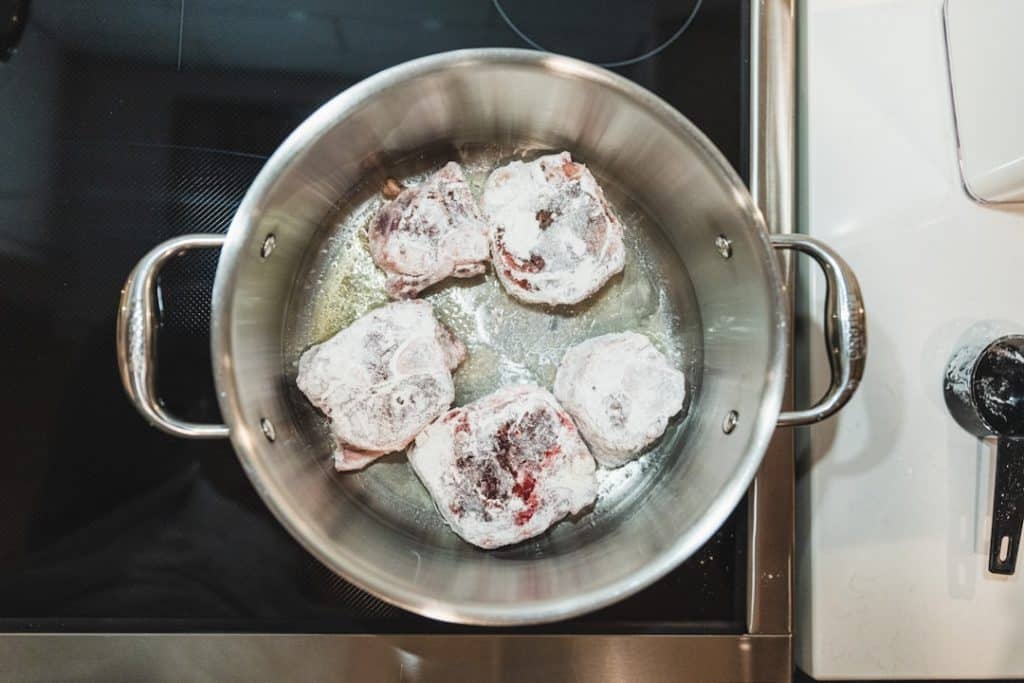
Searing meatballs means cooking them on high heat at first. This creates a brown, crispy crust on the outside.
Use a little oil in the pan and place the meatballs without crowding. Let them cook without moving for a few minutes.
- Heat the pan on medium-high heat
- Add oil to coat the surface
- Place meatballs with space between them
- Cook until the bottom is brown and firm
Cooking Through Evenly
After searing, reduce the heat to medium-low. Turn the meatballs often to cook all sides evenly.
Use tongs or a spatula to gently roll the meatballs. This stops burning and cooks the inside properly.
- Lower heat after searing
- Turn meatballs every 2-3 minutes
- Check for even browning on all sides
- Cook until no pink remains inside
Using A Lid For Juiciness
Covering the pan traps steam and heat. This helps cook the inside of meatballs while keeping them moist.
Put the lid on after turning the meatballs. Cook for a few minutes until the meat is fully done.
- Place the lid on the pan after searing
- Cook on low heat to keep moisture
- Steam helps cook inside without drying out
- Remove lid in the last minute for crispiness

Credit: www.thehappyveg.ca
Checking Doneness
Cooking meatballs in a frying pan needs careful checking. Doneness means the meat is fully cooked and safe to eat.
Using simple ways to check doneness helps you cook tasty and safe meatballs every time.
Visual Cues
Look at the outside of the meatballs. They should be brown and firm. The inside color should be no longer pink.
Juices running clear from the meatball also show it is cooked well.
- Brown and firm outside
- No pink inside
- Clear juices
Using A Meat Thermometer
A meat thermometer is the best tool to check doneness. Insert it into the center of the meatball.
The safe temperature for cooked meatballs is 160°F (71°C). This ensures harmful bacteria are killed.
- Insert thermometer into center
- Check for 160°F (71°C)
- Remove meatballs once reached
Texture And Juiciness
Cooked meatballs feel firm but not hard. Press gently to check texture.
They should be juicy inside without being dry. Overcooked meatballs lose juiciness and become tough.
- Firm but soft texture
- Juicy inside
- Avoid dry and tough meatballs
Serving Suggestions
Cooking meatballs in a frying pan is simple and quick. After cooking, you can serve them in many tasty ways. Different sauces, side dishes, and storage tips make your meal more enjoyable.
Try some ideas below to make your meatball meal complete and delicious.
Sauces And Dips
Meatballs taste great with sauces and dips. You can choose classic or spicy flavors. These sauces add moisture and extra taste.
- Marinara sauce for a traditional Italian touch
- BBQ sauce for a smoky flavor
- Sweet chili sauce for a spicy kick
- Garlic yogurt dip to cool down spicy meatballs
- Honey mustard for a sweet and tangy taste
Side Dishes
Side dishes balance your meal and add texture. Pick simple or hearty sides to serve with meatballs.
| Side Dish | Description |
| Spaghetti | Classic pasta pairs well with meatballs and sauce |
| Mashed potatoes | Creamy and soft, perfect for soaking sauce |
| Steamed vegetables | Light and healthy choice for balance |
| Rice | Simple and filling base to enjoy meatballs |
| Garlic bread | Crunchy and flavorful side to complement meatballs |
Storing Leftovers
Store leftover meatballs properly to keep them fresh. Follow these tips to save and reheat well.
- Cool meatballs to room temperature before storing
- Use an airtight container or wrap tightly with foil
- Keep in the refrigerator for up to 3 days
- Freeze for longer storage, up to 3 months
- Reheat in a pan or microwave until hot
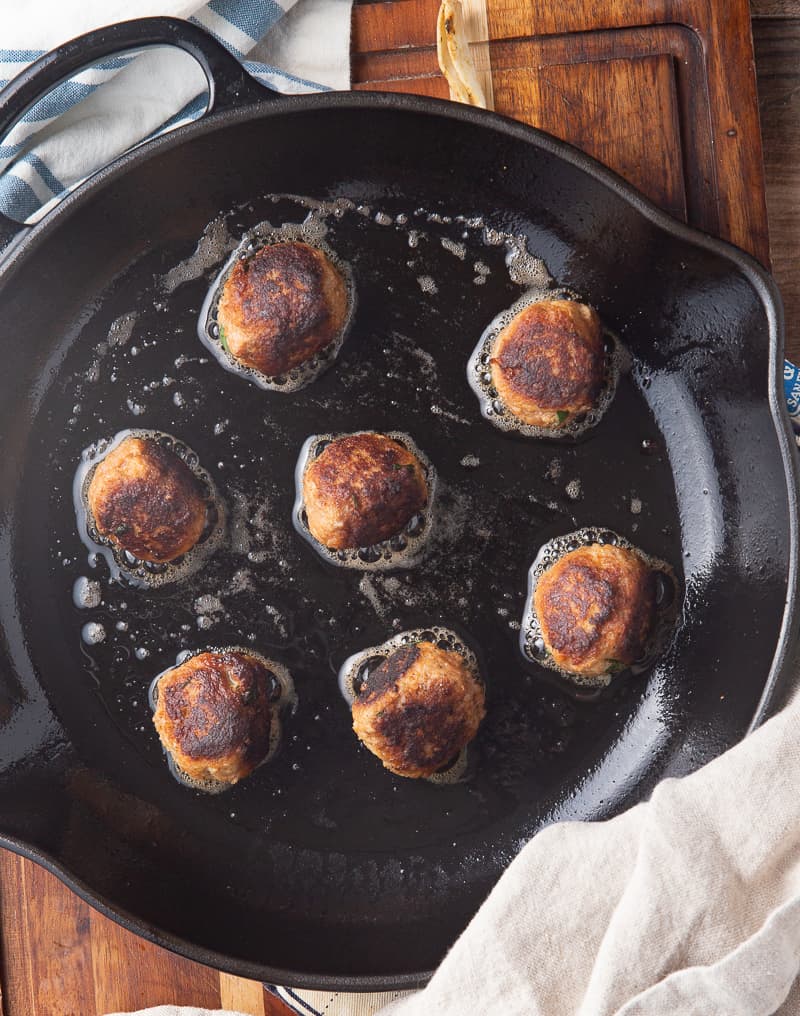
Credit: basilandbubbly.com
Common Mistakes To Avoid
Cooking meatballs in a frying pan is simple but easy to mess up. Avoiding common errors helps you get tender and tasty meatballs every time.
Knowing what not to do saves time and keeps your meatballs from falling apart or cooking unevenly.
Too Much Handling
Mixing and shaping meatballs too much makes the meat tough. Handle the mix gently and shape the balls without squeezing.
Overcrowding The Pan
Putting too many meatballs in the pan lowers the temperature. This stops proper browning and makes meatballs greasy.
- Cook meatballs in small batches
- Leave space between each meatball
- Use a large pan if cooking many meatballs
- Heat the pan before adding meatballs
High Heat Pitfalls
Using very high heat burns the outside but leaves the inside raw. Medium heat cooks meatballs evenly and keeps them juicy.
| Heat Level | Effect on Meatballs |
|---|---|
| High Heat | Burns outside, raw inside |
| Medium Heat | Even cooking, juicy meatballs |
| Low Heat | Long cooking time, dry texture |
Frequently Asked Questions
How Long To Cook Meatballs In Frying Pan?
Cook meatballs for 10-12 minutes on medium heat. Turn them every 3-4 minutes to brown evenly. Ensure the internal temperature reaches 160°F (71°C) for safety.
What Oil Is Best For Frying Meatballs?
Use oils with a high smoke point, like vegetable or canola oil. These oils prevent burning and help achieve a crispy exterior on meatballs.
How To Prevent Meatballs From Sticking To The Pan?
Preheat the pan and add enough oil before placing meatballs. Avoid overcrowding to allow even cooking and easy turning without sticking.
Can I Cook Frozen Meatballs In A Frying Pan?
Yes, cook frozen meatballs on low to medium heat. Cover the pan and cook for 15-20 minutes, turning occasionally until heated through.
Conclusion
Cooking meatballs in a frying pan is easy and quick. You only need a few steps to get tasty results. Keep the pan hot and do not overcrowd it. Turn the meatballs often to cook them evenly. Use a meat thermometer to check if they are done.
Serve with your favorite sauce or side dish. Enjoy your homemade meatballs anytime. Simple, fast, and delicious meals start here. Try this method and see how good it tastes. Happy cooking!