Craving a delicious pasta dish without the gluten? You’re in the right place.
Cooking gluten-free pasta can seem tricky, but it doesn’t have to be. Whether you’re managing a gluten intolerance or simply exploring new culinary horizons, mastering gluten-free pasta is easier than you think. Imagine twirling a forkful of perfectly cooked pasta that’s just as satisfying as its traditional counterpart.
In this guide, you’ll discover the secrets to cooking gluten-free pasta that not only tastes amazing but also holds its texture beautifully. Stay with us, and unlock the tips and tricks that will transform your pasta nights forever. Ready to become a gluten-free pasta pro? Let’s dive in!
Choosing The Right Gluten Free Pasta
Cooking gluten free pasta well starts with picking the right type. Different pastas have different textures and cooking times.
Knowing what to look for helps you find pasta that tastes good and holds together when cooked.
Types Of Gluten Free Pasta
Gluten free pasta comes in many forms. Some are made from rice, corn, or other grains. Others use beans or vegetables.
- Rice pasta – smooth and mild flavor
- Corn pasta – slightly sweet and firm
- Quinoa pasta – nutty taste and good texture
- Chickpea pasta – high in protein and dense
- Lentil pasta – rich in fiber and filling
- Vegetable pasta – made from zucchini or sweet potatoes
Ingredients To Look For
Check the ingredient list to know what is inside the pasta. This helps avoid allergens and ensures good texture.
Look for simple ingredients and avoid too many additives or fillers.
- Rice flour or corn flour for mild taste
- Legume flours like chickpea or lentil for protein
- Tapioca or potato starch for better texture
- Avoid wheat, barley, rye, or malt
- Minimal preservatives or artificial colors
Brand Recommendations
Some brands are known for quality gluten free pasta. They use good ingredients and maintain a consistent texture.
- Brands using whole grain flours for better nutrition
- Brands offering a variety of pasta shapes
- Brands with clear gluten free certification
- Brands with positive reviews on taste and cooking
Preparing Gluten Free Pasta For Cooking
Cooking gluten free pasta needs care to keep it tasty and firm. Preparing it right before cooking helps avoid mushy texture.
This guide covers how to thaw frozen pasta and tips for rinsing and handling it well.
Thawing Frozen Pasta
Frozen gluten free pasta should be thawed gently to keep its shape. Avoid using heat to thaw it fast.
- Place frozen pasta in the fridge overnight.
- If short on time, leave it on the counter for 30 minutes.
- Do not microwave to thaw as it can cook unevenly.
- Once thawed, cook it within 24 hours for best taste.
Rinsing And Handling Tips
Rinsing gluten free pasta after cooking can stop it from sticking. Handle it with care to avoid breaking.
| Tip | Reason |
| Rinse with cold water | Removes extra starch and cools pasta |
| Use a large pot | Gives pasta space to cook evenly |
| Stir gently | Prevents pasta from breaking |
| Drain well | Stops sogginess and clumping |
Cooking Techniques For Perfect Pasta
Cooking gluten free pasta needs care to get the right texture. Using the right methods helps avoid mushy or sticky noodles.
This guide shares simple tips on water temperature, boiling time, and stirring to cook gluten free pasta well.
Water Temperature And Salt
Start with boiling water for gluten free pasta. The water should be at a full, rolling boil before adding the pasta. Adding salt is important to add flavor.
- Use plenty of water to give pasta room to cook.
- Add about 1-2 tablespoons of salt per 4 quarts of water.
- Wait for the water to boil hard before adding pasta.
- Stir gently right after adding pasta to prevent sticking.
Boiling Time Adjustments
Gluten free pasta cooks faster than regular pasta. Check the package for exact time, but start testing a few minutes early. Overcooking makes it mushy.
| Type of Pasta | Usual Boiling Time | Suggested Time for Gluten Free |
| Spaghetti | 8-10 minutes | 6-8 minutes |
| Penne | 10-12 minutes | 8-10 minutes |
| Fusilli | 9-11 minutes | 7-9 minutes |
Stirring And Preventing Clumping
Stirring gluten free pasta is key to stop it from sticking together. Stir often in the first few minutes of cooking.
Tips to prevent clumping:
- Use a large pot with enough water.
- Stir gently but frequently after adding pasta.
- Do not add oil to the water; it can stop sauce from sticking later.
- Drain pasta as soon as it is cooked and rinse briefly with warm water if needed.

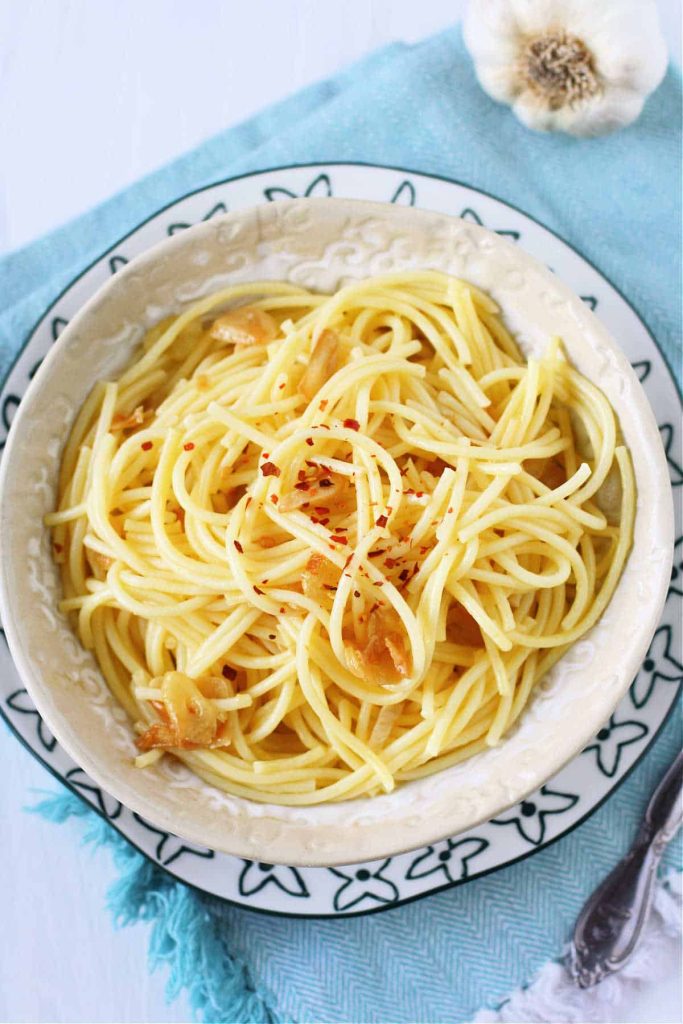
Credit: loveablelemons.com
Testing Pasta For Doneness
Cooking gluten free pasta needs careful attention. It cooks differently than regular pasta. Testing it for doneness helps you avoid mushy or hard pasta.
Use simple techniques to check if gluten free pasta is ready. Look at its color and texture. Taste it to confirm it feels right in your mouth.
Visual And Texture Cues
Gluten free pasta often looks more fragile than wheat pasta. Watch for slight swelling and firmness. Avoid pasta that breaks easily or looks slimy.
The texture should be firm but not hard. It should not feel sticky or too soft. Check the pasta by pressing a piece between your fingers.
- Look for a consistent shape without cracks
- Check if pasta holds its form when stirred
- Feel for firmness, not mushiness
- Avoid pasta that sticks together too much
Taste Testing
Taste is the best way to know if gluten free pasta is done. Take a small bite. It should be soft but still have a slight bite.
Do not eat pasta that tastes chalky or raw. If it feels gummy or too soft, cook it for less time next time.
- Take a small piece from the pot
- Cool it briefly to avoid burning
- Chew to check firmness and flavor
- Repeat testing every minute if needed
Draining And Serving Tips
Cooking gluten free pasta needs careful draining and serving. Proper steps keep the pasta from sticking and tasting great.
Follow simple tips to serve your pasta perfectly every time. This guide covers draining, cooking time, and sauce pairing.
Proper Draining Methods
Drain gluten free pasta gently to keep its shape and texture. Use a fine mesh strainer to catch small pieces.
- Pour pasta and water into a fine sieve or colander.
- Shake lightly to remove excess water.
- Do not rinse pasta unless recipe says so.
- Save some cooking water for sauce thinning if needed.
Avoiding Overcooking
Gluten free pasta cooks faster than regular pasta. Check it often to avoid mushy texture.
- Boil water and add salt before pasta.
- Cook pasta for the time on the package minus one minute.
- Test a piece for firmness before draining.
- Drain immediately when pasta is tender but firm.
Pairing With Sauces
| Type of Sauce | Best Pasta Shape |
|---|---|
| Light Tomato Sauce | Spaghetti |
| Creamy Alfredo | Fettuccine |
| Chunky Vegetable Sauce | Penne |
| Herb Pesto | Rotini |
Choose sauces that match pasta shape for best flavor. Thin sauces suit long pasta, thick sauces hold better on short shapes.
Storing And Reheating Leftovers
Gluten free pasta leftovers can be saved for another meal. Proper storage keeps it fresh and tasty. Reheating must be done carefully to avoid drying out the pasta.
Use the right methods to keep your gluten free pasta safe and delicious after cooking. Follow simple tips for storage and reheating.
Best Storage Practices
Store gluten free pasta in a cool place soon after cooking. Use airtight containers to keep moisture in. Avoid storing pasta with sauce for too long because it can spoil faster.
- Cool pasta before placing it in containers
- Use sealed containers or zip-lock bags
- Keep in the refrigerator for up to 3 days
- Freeze if you want to keep it longer than 3 days
- Label containers with the date stored
Reheating Without Drying Out
Reheat gluten free pasta gently to keep it soft. Use small amounts of water or sauce to keep moisture. Avoid overheating as it makes the pasta dry and hard.
| Reheating Method | Tips |
| Microwave | Add a splash of water, cover with a lid or wrap |
| Stovetop | Warm pasta in a pan with some sauce or water, stir often |
| Oven | Use a covered dish and heat at low temperature |
Common Mistakes To Avoid
Cooking gluten free pasta can be tricky. Many people make simple mistakes that affect taste and texture.
Knowing what to avoid helps you cook better pasta every time. This guide covers common errors to watch out for.
Overcooking
Gluten free pasta cooks faster than regular pasta. Overcooking makes it mushy and sticky. Check the package time and start tasting early.
Stop cooking as soon as the pasta is tender but still firm. Rinse with cold water to stop cooking if needed.
Using Too Little Water
Using too little water causes pasta to stick and cook unevenly. Gluten free pasta needs plenty of space to move.
- Use at least 4 quarts of water per pound of pasta
- Stir pasta often during cooking
- Avoid crowding the pot with too much pasta
- Add salt to the water for better flavor
Ignoring Pasta Type Differences
Gluten free pasta comes in many types: rice, corn, quinoa, and more. Each type cooks differently and needs special care.
| Pasta Type | Cooking Tips | Texture Result |
| Rice | Cook gently, avoid overcooking | Smooth, slightly firm |
| Corn | Use plenty of water, stir often | Chewy, holds shape well |
| Quinoa | Shorter cook time, rinse before cooking | Light, fluffy |
Credit: honestcooking.com
Credit: www.coffeeandchampagne.com
Frequently Asked Questions
What Is The Best Way To Cook Gluten Free Pasta?
Boil plenty of salted water before adding pasta. Stir gently to avoid sticking. Cook gluten free pasta 1-2 minutes less than package instructions for best texture.
How Do I Prevent Gluten Free Pasta From Sticking?
Use a large pot with ample water. Stir pasta frequently during cooking. Avoid rinsing after draining to retain flavor and texture.
Can I Use Regular Pasta Cooking Time For Gluten Free Pasta?
No, gluten free pasta cooks faster and is more delicate. Follow package instructions carefully and check pasta early to avoid overcooking.
What Sauces Pair Well With Gluten Free Pasta?
Light sauces like olive oil, tomato, or pesto complement gluten free pasta well. Avoid heavy cream sauces which may overpower delicate pasta texture.
Conclusion
Cooking gluten-free pasta can be simple and tasty. Follow the right steps and timing. Stir gently to keep noodles from sticking. Use plenty of water and salt it well. Taste often to avoid overcooking. Rinse only if the recipe says so.
Serve with your favorite sauce and enjoy. With practice, cooking gluten-free pasta feels easy. Everyone can enjoy a delicious, safe meal. Keep trying different brands and recipes. Soon, you will find your perfect pasta dish.