Imagine serving perfectly smoked fish at your next backyard gathering. Picture the rich, savory aroma mingling with the fresh outdoor air, as your guests eagerly anticipate that first, flavorful bite.
If you’ve ever wondered how to transform ordinary fish into a culinary masterpiece using a smoker, you’re in the right place. This guide is your ticket to unlocking the secrets of smoking fish to perfection. We'll break down each step in a way that's easy to understand, ensuring you feel confident every step of the way.
Smoking fish is not just about cooking; it’s an art that brings out rich, deep flavors you can’t get any other way. By the end of this article, you'll not only know the techniques but also the tips and tricks to impress everyone with your newfound smoking skills. Get ready to discover how you can turn a simple piece of fish into an unforgettable dish that will have everyone asking for more. Let’s dive into the world of smoking fish and make your next meal a flavorful success!
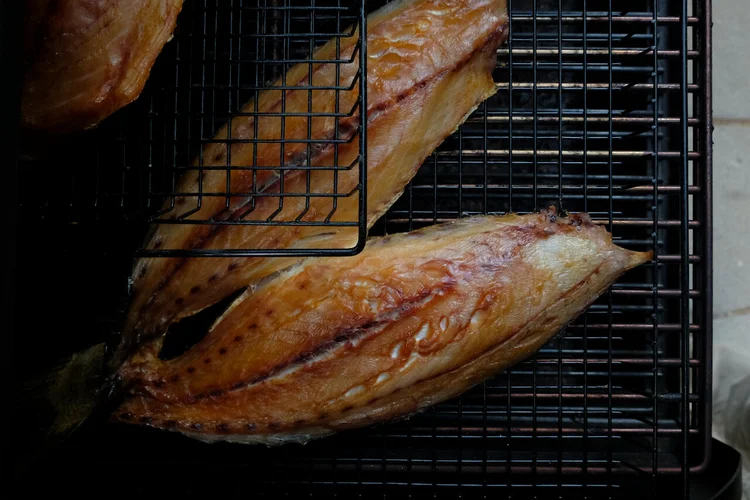
Credit: elevatedwild.com
Choosing The Right Fish
Smoking fish is a great way to add flavor and preserve it. Picking the right fish is important for the best results. Different fish types suit smoking differently.
This guide helps you select the best fish for smoking. It also explains the difference between fresh and frozen fish.
Best Fish Types For Smoking
Some fish have the right texture and fat content for smoking. Fatty fish hold smoke flavor better and stay moist. Lean fish can dry out during smoking.
- Salmon: High fat, rich flavor, ideal for smoking
- Trout: Similar to salmon, works well smoked
- Mackerel: Oily fish with strong taste, smokes nicely
- Whitefish: Mild flavor, good for cold smoking
- Catfish: Firm texture, holds smoke flavor well
Fresh Vs Frozen Fish
Fresh fish often tastes better but can be hard to find. Frozen fish is more available and can be good for smoking. Proper thawing is important to keep quality.
| Aspect | Fresh Fish | Frozen Fish |
| Availability | Seasonal, local markets | Year-round, supermarkets |
| Texture | Firm and moist | May lose some firmness |
| Flavor | Brighter taste | Good if well frozen |
| Storage | Short time, keep cold | Long time if frozen solid |
Preparing The Fish
Preparing fish properly is key to good smoked flavor. Clean and prepare your fish carefully before smoking.
This guide covers cleaning, filleting, and brining techniques to get your fish ready.
Cleaning And Filleting
Start by rinsing the fish under cold water to remove dirt and slime. Use a sharp knife to remove scales by scraping from tail to head.
Next, gut the fish by making a cut along the belly from the head to the tail and remove the internal organs. Rinse the cavity well.
- Place fish on a clean cutting board
- Use a sharp fillet knife for smooth cuts
- Cut behind the gills and along the backbone to remove fillets
- Remove any small bones with tweezers
- Pat fillets dry with paper towels
Brining Techniques
Brining adds flavor and keeps the fish moist during smoking. Use a simple saltwater solution to soak the fish before cooking.
| Ingredient | Amount |
| Water | 4 cups |
| Salt | 1/4 cup |
| Sugar (optional) | 2 tablespoons |
| Spices (optional) | Bay leaves, peppercorns |
Mix all ingredients until salt and sugar dissolve. Submerge the fish completely and refrigerate for 30 minutes to 2 hours depending on thickness.
Selecting Wood For Smoking
Choosing the right wood is key to smoking fish well. Wood adds flavor and aroma to the fish.
Different woods give different tastes. Pick wood that matches the fish type and your taste.
Popular Wood Choices
A few types of wood work great for smoking fish. Each has a unique flavor and smoke quality.
- Alder wood: Mild and sweet, good for most fish.
- Hickory wood: Strong and smoky, use sparingly.
- Apple wood: Fruity and light, great for delicate fish.
- Cherry wood: Slightly sweet and rich in color.
- Maple wood: Sweet and subtle, adds a gentle smoke.
- Mesquite wood: Very strong, best for bold flavors.
Wood Flavor Profiles
Each wood type creates a distinct flavor. Knowing these helps you choose the best wood for your fish.
| Wood Type | Flavor | Best Fish |
|---|---|---|
| Alder | Mild, sweet, delicate smoke | Salmon, trout, white fish |
| Hickory | Strong, smoky, bacon-like | Catfish, stronger flavored fish |
| Apple | Fruity, light, sweet | Trout, salmon, shellfish |
| Cherry | Sweet, rich, mild smoke | Salmon, bass, shellfish |
| Maple | Sweet, soft, subtle smoke | Whitefish, trout, salmon |
| Mesquite | Very strong, earthy | Bold flavored fish only |
Setting Up The Smoker
Smoking fish is a simple way to add great flavor. Setting up your smoker correctly is important for tasty results.
Before you start, clean your smoker and prepare the wood chips. This will help you get the best smoke flavor.
Temperature Control Tips
Keep the smoker temperature steady between 175°F and 225°F. This range cooks fish evenly without drying it out.
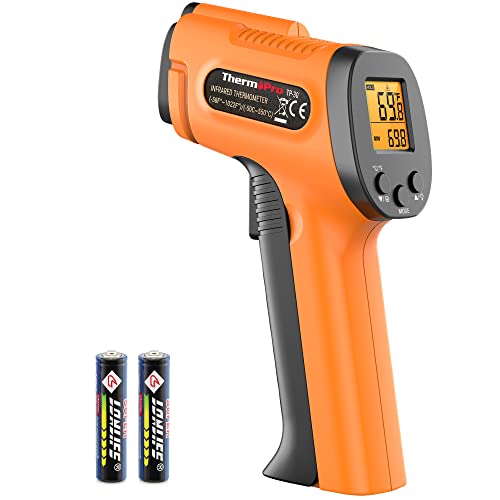
Use a reliable thermometer to watch the heat. Avoid opening the smoker too often to keep the temperature stable.
- Preheat the smoker before adding fish
- Adjust air vents to control heat
- Use water pan to keep moisture inside
- Check temperature every 30 minutes
Smoke Time Guidelines
Fish needs less time in the smoker than meats. Usually, smoking takes about 1 to 3 hours depending on fish size.
Check the fish often to avoid overcooking. The fish is done when it flakes easily with a fork.
| Fish Type | Smoke Time | Internal Temperature |
|---|---|---|
| Salmon | 2-3 hours | 145°F |
| Trout | 1.5-2 hours | 145°F |
| White fish (cod, haddock) | 1-2 hours | 145°F |
Smoking Process
Smoking fish adds rich flavor and preserves it well. The process needs careful attention to get great results.
This guide covers placing fish in the smoker and monitoring the smoke to ensure perfect cooking.
Placing Fish In The Smoker
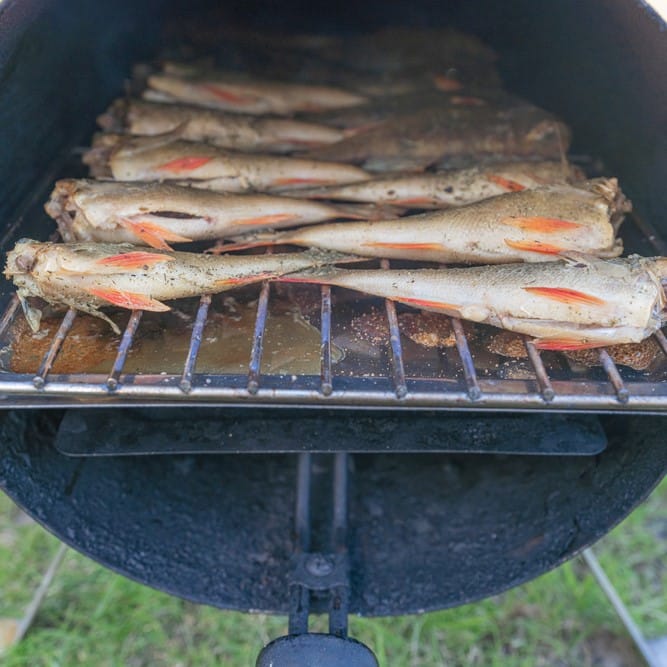
Place fish evenly on the smoker racks. Avoid overlapping pieces to allow smoke circulation.
- Use a clean, oiled rack to prevent sticking.
- Arrange fish skin side down for best smoke absorption.
- Leave space between each piece for even cooking.
- Keep similar sized pieces together for uniform timing.
Monitoring The Smoke
Watch the smoker temperature and the smoke color. Good smoke is thin and blue, not thick and white.
| Smoke Color | Meaning |
| Thin blue smoke | Ideal for flavor and cooking |
| White thick smoke | Too much moisture, bad taste |
| Black smoke | Burning wood, avoid fish contamination |
Keep the smoker temperature steady between 175°F and 225°F. Adjust vents or add wood chips as needed.
Checking For Doneness
Cooking fish in a smoker needs careful checking to know when it is done. Overcooked fish can be dry, and undercooked fish may be unsafe to eat.
There are easy ways to check if your smoked fish is ready. You can look at the fish or use a thermometer for accuracy.
Visual Cues
One way to check fish doneness is by looking at its color and texture. Cooked fish changes in appearance and feels firm.
Look for these signs:
- The fish flesh turns opaque and loses its raw shine.
- The meat flakes easily when pressed with a fork.
- The edges start to pull away from the bones.
- The surface looks dry but not burnt.
Using A Thermometer
A food thermometer gives a sure way to check fish doneness. It tells the exact temperature inside the fish.
Insert the thermometer into the thickest part of the fish. Avoid touching bones or the smoker surface for a true reading.
- Cook fish to an internal temperature of 145°F (63°C).
- At this temperature, fish is safe and moist.
- Check temperature near the end of cooking time.
- Remove fish from heat as soon as it reaches 145°F.
Serving And Storing Smoked Fish
Smoked fish offers a rich, smoky flavor that many enjoy. Serving it properly makes your meal better.
Storing smoked fish right keeps it fresh and tasty for longer. Learn how to present and store it well.
Presentation Ideas
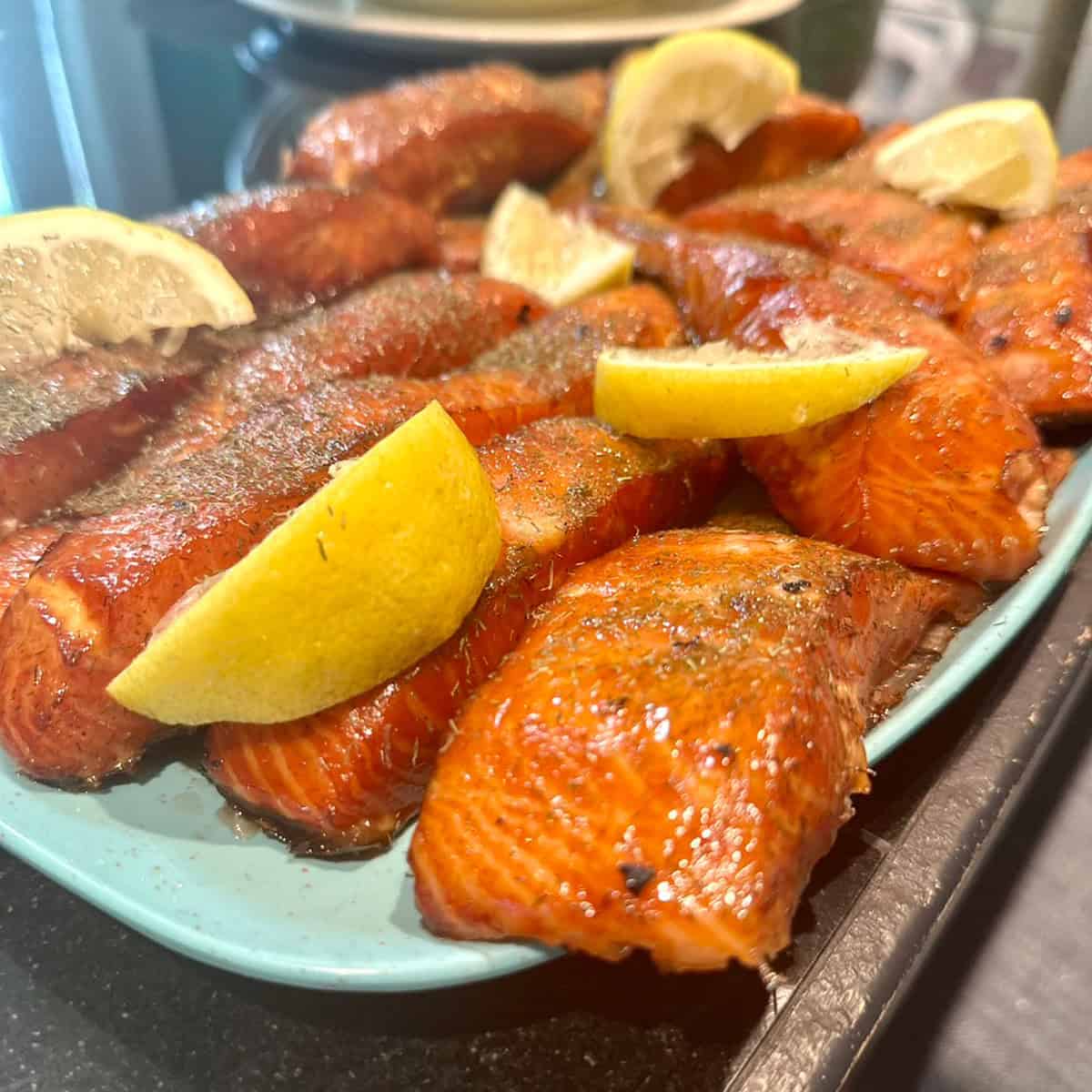
Serve smoked fish on a wooden board or a simple plate. Garnish with lemon slices and fresh herbs.
Pair it with crackers, cream cheese, or fresh vegetables for a balanced plate. Use small bowls for sauces.
- Place thin fish slices neatly on a platter
- Add fresh dill or parsley as decoration
- Include lemon wedges for added flavor
- Serve with crackers or toasted bread
- Offer light dips like horseradish or mustard
Storage Tips
Keep smoked fish in the fridge wrapped tightly in plastic wrap or foil. Use an airtight container to avoid drying.
Consume refrigerated smoked fish within 3 to 4 days. For longer storage, freeze it properly to keep freshness.
- Wrap fish in wax paper or parchment before plastic wrap
- Use airtight containers to prevent odors
- Label packages with the date before freezing
- Thaw frozen fish slowly in the fridge
- Do not refreeze fish once thawed
Credit: www.plattertalk.com

Credit: iowagirleats.com
Frequently Asked Questions
How Long Should I Smoke Fish For Best Flavor?
Smoke fish for 1 to 3 hours at 175-225°F. Cooking time depends on fish thickness. This ensures tender, flavorful results.
What Wood Types Are Best For Smoking Fish?
Use mild woods like alder, apple, cherry, or maple. They add a subtle smoky flavor without overpowering the fish.
How Do I Prepare Fish Before Smoking?
Clean and pat dry fish. Brine for 30 minutes to 2 hours. This enhances moisture and flavor during smoking.
Can I Smoke Any Fish Species?
Most fish can be smoked, but fatty types like salmon and trout work best. They stay moist and absorb smoke well.
Conclusion
Smoking fish brings out a rich, smoky flavor that is hard to beat. Keep the smoker temperature steady and use fresh fish for best results. Simple steps like seasoning well and controlling smoke make a big difference. Patience is key; slow cooking gives tender, juicy fish.
Try different wood chips to find your favorite taste. With practice, smoking fish becomes easy and fun. Enjoy your delicious smoked fish with family and friends. Give it a try and savor the smoky goodness.