If you’re craving a delicious and satisfying meal, look no further than fettucine pasta. Imagine twirling soft, creamy strands on your fork, each bite bursting with flavor.
It’s a dish that promises comfort and delight, whether you’re cooking for family, friends, or just yourself. Cooking fettucine pasta might seem daunting, but it’s easier than you think. With the right steps, you can master this classic dish and impress everyone at the table.
Are you ready to discover the secrets to perfecting fettucine pasta? Stick around, and you’ll learn how to create a meal that not only satisfies your taste buds but also makes you the star of your kitchen.
Credit: www.theguardian.com
Choosing The Right Fettucine
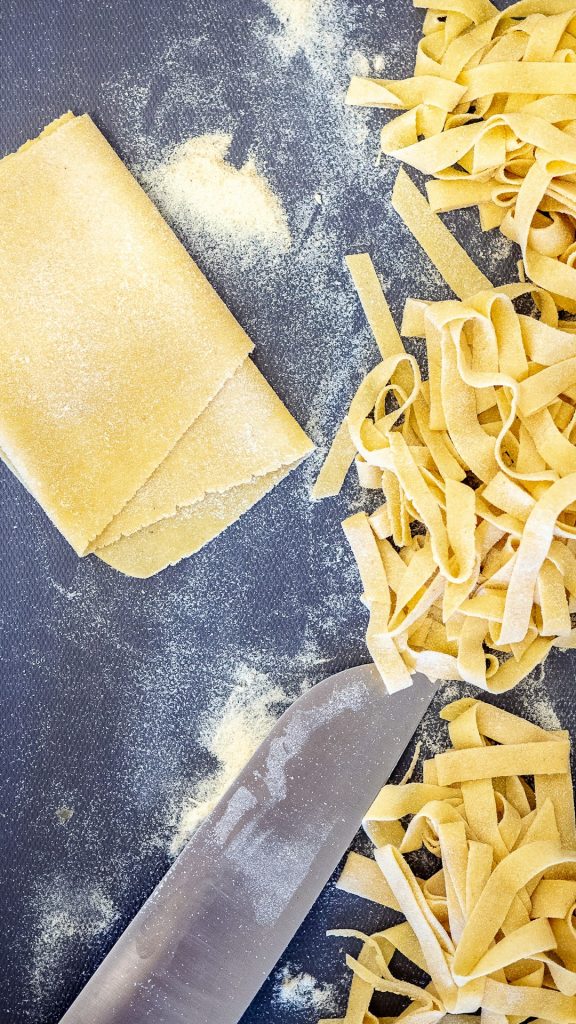
Fettucine is a popular pasta type known for its long, flat shape. Choosing the right fettucine affects your dish’s taste and texture.
It is important to know the difference between fresh and dried fettucine. Also, check the quality before cooking.
Fresh Vs Dried Pasta
Fresh fettucine is soft and cooks quickly. It offers a tender bite and a mild flavor. Dried fettucine lasts longer and has a firmer texture.
Dried pasta works well for hearty sauces. Fresh pasta is best with light or creamy sauces. Choose based on your recipe and cooking time.
- Fresh pasta cooks in 2-4 minutes
- Dried pasta cooks in 8-12 minutes
- Fresh pasta is more delicate
- Dried pasta holds shape better
Quality Indicators
Look at the color and texture to judge fettucine quality. Good pasta has a pale yellow color and a smooth surface.
Avoid pasta with dark spots or cracks. Check the package for ingredients. Pure durum wheat semolina is a sign of good quality.
- Uniform pale yellow color
- No cracks or broken pieces
- Made from 100% durum wheat semolina
- Fresh pasta should smell clean and mild
Essential Ingredients
Cooking fettuccine pasta is simple with the right ingredients. These ingredients create a tasty and balanced dish.
Let’s look at the basic components you need for a good fettuccine meal. This includes pasta, sauces, and seasonings.
Pasta Basics
Fettuccine pasta is a flat, thick noodle that holds sauce well. You can choose fresh or dried fettuccine depending on your preference.
- Fresh fettuccine cooks faster and has a soft texture.
- Dried fettuccine lasts longer and has a firmer bite.
- Use plenty of salted water to boil the pasta evenly.
- Cook pasta until al dente for the best texture.
Sauce Options
Sauces give fettuccine its rich flavor. Creamy sauces are popular, but tomato or oil-based sauces also work well.
| Sauce Type | Main Ingredients |
| Alfredo | Butter, cream, Parmesan cheese |
| Marinara | Tomatoes, garlic, olive oil, herbs |
| Pesto | Basil, pine nuts, Parmesan, olive oil |
| Aglio e Olio | Garlic, olive oil, chili flakes |
Seasonings And Add-ons
Seasonings and add-ons enhance the flavor and texture of your pasta dish. Simple herbs and spices work best.
- Salt and black pepper to taste
- Fresh parsley or basil leaves for garnish
- Grated Parmesan or Pecorino cheese
- Optional extras: cooked chicken, mushrooms, or peas
Preparing The Pasta
Cooking fettucine pasta starts with good preparation. Proper steps ensure the pasta cooks evenly and tastes great.
Follow simple tips to boil water, add salt and oil, and know the right cooking time for perfect fettucine.
Boiling Water Tips
Use a large pot to give the pasta enough space. Fill it with plenty of water to prevent sticking.
Bring the water to a full, rolling boil before adding the fettucine. This helps the pasta cook well.
- Use at least 4-6 quarts of water per pound of pasta
- Cover the pot to speed up boiling
- Stir pasta occasionally while cooking
Salt And Oil Usage
Add salt to the boiling water to improve flavor. The water should taste like the sea, slightly salty.
Adding oil to the water is optional. It can prevent sticking but may stop sauce from sticking later.
- Add about 1-2 tablespoons of salt per 4-6 quarts of water
- Skip oil if you want sauce to cling better
- Stir pasta right after adding it to hot water
Cooking Time Guide
Fettucine cooks quickly. Check the package for exact times but test early to avoid overcooking.
The pasta is ready when it is tender but still firm. This is called al dente, which means “to the tooth.”
| Cooking Time | Texture |
|---|---|
| 7-9 minutes | Al dente (firm but cooked) |
| 10-12 minutes | Softer, less firm |
Credit: nodashofgluten.com
Making The Sauce
Cooking fettuccine pasta is only half the job. The sauce you use defines the dish. This guide covers three main sauce types. Each sauce brings unique flavors to your pasta.
Learn how to make classic Alfredo sauce, tomato-based sauces, and creamy variations. Each section explains simple steps and ingredients you need.
Classic Alfredo Sauce
Alfredo sauce is creamy and rich. It uses butter, heavy cream, and Parmesan cheese. You cook the butter and cream first. Then stir in cheese until smooth.
- Start by melting 1/2 cup butter in a pan on medium heat.
- Add 1 cup heavy cream and stir well.
- Let it simmer for 5 minutes without boiling.
- Gradually add 1 cup freshly grated Parmesan cheese.
- Keep stirring until the cheese melts and the sauce thickens.
- Season with salt and black pepper to taste.
Tomato-based Sauces
Tomato-based sauces add a tangy and fresh flavor. You can use canned tomatoes or fresh ones. Garlic and herbs bring extra taste to the sauce.
| Ingredient | Amount | Notes |
| Olive oil | 2 tablespoons | Use extra virgin for best flavor |
| Garlic cloves | 3, minced | Add at start to flavor oil |
| Crushed tomatoes | 1 can (28 oz) | Or fresh peeled tomatoes, chopped |
| Italian herbs | 1 teaspoon | Basil, oregano, or thyme |
| Salt | To taste | Adjust after simmering |
Heat olive oil in a pan. Add garlic and cook until fragrant. Pour in tomatoes and herbs. Simmer sauce for 20 minutes. Stir often and add salt last.
Creamy Variations
Creamy sauces can include different ingredients. You may add cheese, herbs, or spices. These variations offer smooth texture with new flavors.
Try this simple creamy sauce recipe:
- Heat 1 tablespoon butter in a pan.
- Add 1 cup heavy cream and warm gently.
- Mix in 1/2 cup grated cheese like Asiago or Gouda.
- Stir in chopped parsley or chives for freshness.
- Season lightly with salt and pepper.
- Serve immediately over cooked fettuccine.
Combining Pasta And Sauce
Combining fettuccine pasta with sauce is key to a tasty dish. Mixing them well helps flavors blend perfectly.
Using the right techniques makes your pasta creamy and delicious. Let’s explore how to do it the right way.
Draining And Reserving Pasta Water
Drain the pasta when it is cooked but keep some pasta water. This water is starchy and helps the sauce stick.
Save about half a cup of pasta water before draining. This water will help adjust the sauce’s texture.
- Use a colander to drain the pasta
- Reserve pasta water in a separate bowl
- Do not rinse the pasta after draining
Mixing Techniques
After draining, add the pasta directly to the sauce pan. Toss gently to coat every strand with sauce.
Use tongs or a large spoon to mix. Stirring helps the sauce cling to the pasta better.
- Add pasta to the sauce while it is warm
- Toss or stir slowly and evenly
- Mix for one to two minutes for best results
Adjusting Consistency
If the sauce feels too thick, add reserved pasta water little by little. This makes the sauce smooth and creamy.
Keep stirring while adding water. Stop when you get the perfect sauce texture for coating the pasta.
- Add pasta water in small amounts
- Stir well after each addition
- Avoid adding too much water at once
Serving Suggestions
Fettucine pasta is a delicious and versatile dish. It pairs well with many flavors and ingredients. Here are some ideas to serve it with style.
Choosing the right garnishes, sides, and drinks can make your meal even better. These tips will help you enjoy fettucine pasta fully.
Garnishing Ideas
Garnishes add color and taste to your fettucine pasta. They make the dish look inviting and fresh. Try simple toppings that match your sauce.
- Fresh parsley or basil leaves for a fresh touch
- Grated Parmesan or Pecorino cheese for a rich flavor
- Toasted pine nuts or chopped walnuts for crunch
- Red pepper flakes for a bit of heat
- Lemon zest to brighten creamy sauces
Pairing With Sides
Good side dishes balance the flavors of fettucine pasta. Choose light and fresh sides to complement the meal. Vegetables and bread work well.
- Steamed or roasted broccoli or asparagus
- Simple green salad with olive oil and lemon
- Garlic bread or crusty Italian bread
- Grilled or sautéed mushrooms
- Caprese salad with tomatoes and mozzarella
Wine And Beverage Matches
Choosing the right drink can enhance your fettucine pasta experience. Pick wines or beverages that suit the sauce and ingredients.
- Chardonnay pairs well with creamy fettucine sauces
- Sauvignon Blanc complements lighter, herb-based dishes
- Pinot Noir works with meat or mushroom sauces
- Sparkling water with lemon cleanses the palate
- Light Italian beers can match tomato-based pasta
Common Mistakes To Avoid
Cooking fettuccine pasta is simple but easy to make mistakes. These errors can change the taste and texture.
Knowing what to avoid helps you cook better pasta every time. Let’s look at common mistakes.
Overcooking Pasta
Overcooked pasta becomes mushy and loses its shape. It also feels heavy in the mouth.
Always follow the package time but start checking a minute early. Pasta should be firm but not hard.
- Use plenty of boiling water
- Stir pasta often to avoid sticking
- Drain pasta quickly once done
- Rinse only if recipe asks for it
Sauce Imbalances
Too much sauce can hide the pasta’s flavor. Too little sauce can make the dish dry.
Match sauce quantity to pasta amount. A creamy or oily sauce needs less than a watery one.
- Use sauce that clings well to fettuccine
- Add sauce slowly and mix gently
- Adjust sauce thickness with pasta water
Texture Issues
Fettuccine should be tender but firm. Too soft or too hard pasta spoils the dish.
Check pasta texture often while cooking. Bite one piece to test doneness before draining.
- Cook pasta al dente for best texture
- Avoid rinsing to keep surface starch
- Toss pasta with sauce right after draining

Credit: www.andy-cooks.com
Tips For Perfect Fettucine Every Time
Cooking fettucine pasta is simple if you follow a few key tips. These tips help you get the best texture and flavor.
From storage to flavor ideas, small steps make a big difference in your pasta dishes.
Storage And Reheating
Store cooked fettucine in an airtight container. Keep it in the fridge for up to three days to keep it fresh.
- Cool the pasta before storing to avoid sogginess.
- Add a little olive oil to prevent sticking.
- Reheat using a microwave or on the stove with a splash of water.
- Avoid overheating to keep the pasta firm.
Using Fresh Ingredients
Fresh ingredients make a big difference in taste. Use ripe tomatoes, fresh herbs, and good cheese.
- Choose fresh garlic and onions for sauces.
- Use fresh basil or parsley for garnish.
- Grate cheese fresh for better flavor.
- Use fresh cream or milk if your recipe needs it.
Experimenting With Flavors
Try different flavor combinations to find your favorite. You can mix herbs, spices, and sauces.
| Flavor Idea | Ingredients | Notes |
|---|---|---|
| Garlic and Olive Oil | Garlic, olive oil, chili flakes | Simple and spicy |
| Creamy Mushroom | Mushrooms, cream, garlic, parsley | Rich and smooth |
| Tomato Basil | Tomatoes, fresh basil, garlic | Fresh and tangy |
| Lemon and Herb | Lemon zest, thyme, parsley | Bright and fresh |
Frequently Asked Questions
How Long Does Fettucine Pasta Take To Cook?
Fettucine pasta usually cooks in 8 to 12 minutes. Check the package for exact time. Cook until al dente for best texture.
What Sauce Pairs Best With Fettucine Pasta?
Creamy Alfredo sauce is a classic match for fettucine. Tomato-based sauces and pesto also work well. Choose based on your taste preference.
Can I Use Dried Fettucine Instead Of Fresh?
Yes, dried fettucine works fine. It takes slightly longer to cook than fresh. Adjust cooking time accordingly for perfect results.
How To Prevent Fettucine Pasta From Sticking?
Stir pasta occasionally while cooking. Use plenty of boiling water and add salt. Draining promptly and tossing with sauce helps too.
Conclusion
Cooking fettuccine pasta is simple and fun. Boil water, add salt, and cook pasta until tender. Drain well to avoid sogginess. Pair with your favorite sauce for best taste. Practice makes your cooking better each time. Enjoy fresh, homemade pasta meals with family or friends.
This easy guide helps you cook pasta perfectly every time. Give it a try and taste the difference!