Are you ready to transform your kitchen into a culinary haven with a simple yet delicious dish? If you’re a pasta lover, farfalle—often affectionately called “bow-tie pasta”—is a must-have in your recipe repertoire.
Whether you’re a seasoned chef or a beginner looking to impress, cooking farfalle pasta is both easy and rewarding. Imagine the satisfaction of serving a plate full of perfectly cooked, al dente bow-ties, enhanced with your favorite sauces and toppings.
This guide will show you step-by-step how to cook farfalle pasta to perfection, ensuring your next meal is not only delicious but also a delightful experience. Get ready to captivate your taste buds and those of anyone lucky enough to join your table. Let’s dive into the art of cooking farfalle pasta!
Choosing The Right Farfalle
Farfalle pasta looks like little butterflies or bow ties. It cooks well with many sauces. Choosing the right farfalle helps your dish taste better.
Pick farfalle that fits your recipe. The shape and texture affect how sauce sticks to it. Quality also matters for cooking time and flavor.
Types Of Farfalle Pasta
Farfalle pasta comes in different sizes and styles. Some are small and delicate. Others are larger and thick. Each type fits different dishes.
- Classic Farfalle:Medium size with pinched centers. Works for most recipes.
- Farfalle Mini:Small and perfect for soups or salads.
- Whole Wheat Farfalle:Made with whole grain for more fiber and a nutty taste.
- Colored Farfalle:Made with spinach or beetroot for green or red colors.
Selecting Quality Brands
Good brands use high-quality wheat and traditional methods. This keeps the pasta firm after cooking. Avoid brands that break easily or cook too fast.
Look for farfalle with a rough surface. It helps sauce cling better. Also check the expiration date to ensure freshness.
- Choose pasta made from durum wheat semolina
- Pick brands with clear cooking instructions
- Check for firm texture and uniform shape
- Avoid pasta with cracks or uneven coloring
Preparing To Cook
Cooking farfalle pasta starts with good preparation. You need the right tools and correct measurements.
This guide covers what kitchen tools to use and how to measure pasta and water properly.
Necessary Kitchen Tools
Having the right tools makes cooking easier and safer. Here are the main tools you need for farfalle pasta.
- Large pot for boiling water
- Colander or strainer to drain pasta
- Wooden spoon or pasta fork for stirring
- Measuring cups for water
- Kitchen timer or clock
Measuring Pasta And Water
Using the right pasta and water amount helps cook the pasta evenly. Too little water can cause pasta to stick.
| Item | Quantity | Note |
|---|---|---|
| Farfalle pasta | 100 grams (dry) | Serves one person |
| Water | 1 liter | Per 100 grams of pasta |
Cooking Farfalle Pasta
Farfalle pasta, also called bow-tie pasta, is fun to cook and eat. It works well with many sauces.
To cook farfalle perfectly, you need the right water temperature, seasoning, and cooking time.
Boiling Water Tips
Use a large pot with plenty of water to cook farfalle pasta. This stops the pasta from sticking.
Bring the water to a rolling boil before adding pasta. Stir it gently after adding farfalle to separate pieces.
Salt And Seasoning
Add salt to the boiling water before cooking. Salt adds flavor and helps the pasta taste better.
Use about one to two tablespoons of salt for every four quarts of water. Avoid adding oil to the water.
- Salt enhances pasta flavor
- Do not over-salt the water
- Skip oil; it makes sauce stick less
Cooking Time For Perfect Texture
Cook farfalle pasta for 10 to 12 minutes for a firm but tender texture. Check the package for exact time.
Test the pasta by tasting a piece. It should be soft but still have a slight bite, called al dente.
- 10-12 minutes cooking time
- Stir occasionally to prevent sticking
- Drain pasta when al dente
:max_bytes(150000):strip_icc()/farfalle-with-spicy-sausage-and-butternut-FT-RECIPE1125-1e1470e259604eaeb554e74c2fa26326.jpg)
Credit: www.foodandwine.com
Draining And Rinsing
After cooking farfalle pasta, draining and rinsing are important steps. They help stop the cooking process and prepare the pasta for serving or mixing with sauce.
Knowing when to drain and whether to rinse affects the pasta’s texture and flavor. Let’s explore these details for perfect farfalle every time.
When To Drain
Drain farfalle pasta once it is cooked to your liking. Usually, this means when it is al dente, firm but not hard. Use a colander or strainer to drain the water.
Do not wait too long to drain. Pasta left in hot water keeps cooking and becomes mushy. Drain quickly to keep the right texture.
To Rinse Or Not To Rinse
Rinsing pasta removes starch and cools it down. It is good for cold pasta salads or when you want to stop cooking fast.
Do not rinse if you want to keep the starch. Starch helps sauce stick to the pasta. For hot dishes, skip rinsing to keep flavor and texture.
- Rinse for cold pasta salads
- Rinse to stop cooking quickly
- Do not rinse for hot pasta with sauce
- Do not rinse to keep sauce cling
Serving Farfalle
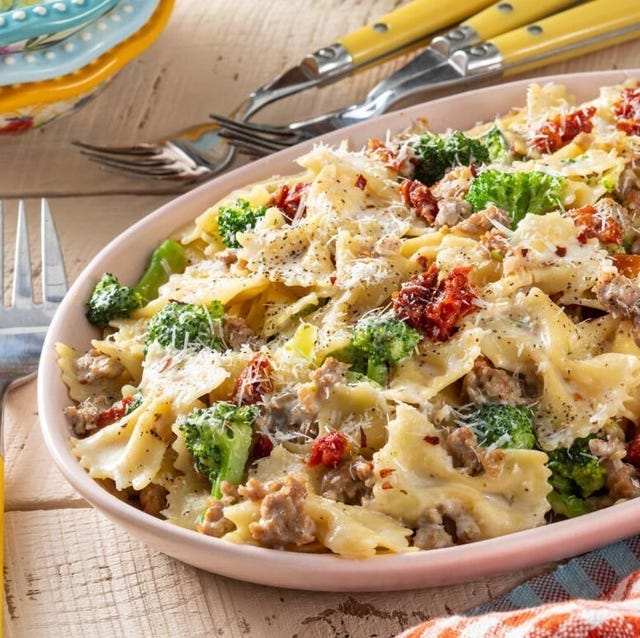
Farfalle pasta is shaped like little butterflies or bow ties. Its unique shape holds sauces well. Serving it right makes your meal tasty and enjoyable.
Knowing which sauces to pair and how to add garnishes can brighten your farfalle dishes. These tips help you serve farfalle with style.
Pairing Sauces
Farfalle works well with many sauces. Creamy sauces stick to its curves. Tomato-based sauces fill its pockets nicely.
- Alfredo sauce adds a rich, creamy flavor.
- Marinara sauce brings a fresh, tangy taste.
- Pesto sauce offers a fresh, herby touch.
- Bolognese sauce gives a hearty, meaty bite.
- Butter and sage keep it simple and light.
Adding Garnishes
Garnishes add color, texture, and flavor. They make farfalle look inviting and taste better.
| Garnish | Flavor | Use |
| Parmesan cheese | Salty, nutty | Sprinkle on top |
| Fresh basil | Sweet, aromatic | Chop and scatter |
| Crushed red pepper | Spicy | Lightly dust |
| Toasted pine nuts | Crunchy, nutty | Sprinkle before serving |
| Lemon zest | Bright, citrusy | Add just before serving |

Credit: pekinthechef.com
Storing And Reheating
Cooking farfalle pasta is simple, but storing and reheating it needs care. Proper handling keeps the pasta fresh and tasty.
This guide shows you how to store cooked farfalle pasta and the best ways to reheat it without losing flavor.
Proper Storage Techniques
Cooked farfalle pasta should cool before storing. Place it in an airtight container to keep moisture out.
- Cool pasta to room temperature after cooking.
- Use a container with a tight lid.
- Keep the pasta in the refrigerator for up to 3 days.
- Add a little olive oil to prevent sticking.
- For longer storage, freeze pasta in freezer bags for up to 2 months.
Best Reheating Methods
Reheat farfalle pasta gently to keep its texture. Avoid overheating to stop it from drying out.
| Method | Instructions | Notes |
|---|---|---|
| Microwave | Place pasta in a microwave-safe dish. Cover with a lid or damp paper towel. Heat for 1-2 minutes. | Stir halfway to heat evenly. |
| Stovetop | Put pasta in a pan with a splash of water or sauce. Warm on low heat, stirring often. | Prevents sticking and drying out. |
| Oven | Spread pasta in an oven-safe dish. Cover with foil. Heat at 350°F (175°C) for 15 minutes. | Best for large portions. |
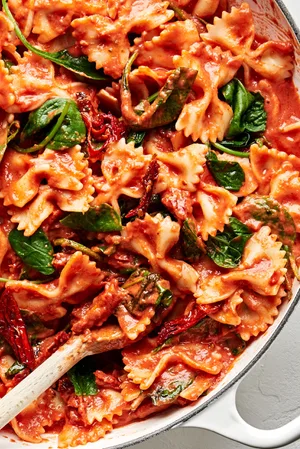
Credit: themodernproper.com
Frequently Asked Questions
How Long Does It Take To Cook Farfalle Pasta?
Farfalle pasta typically cooks in 10 to 12 minutes. Boil it in salted water until al dente for best texture. Avoid overcooking to maintain its shape and firmness. Always check the package instructions as times may vary slightly.
What Sauce Pairs Best With Farfalle Pasta?
Creamy sauces like Alfredo or pesto complement farfalle well. Its bow-tie shape holds thick and chunky sauces perfectly. Tomato-based sauces with vegetables also work great. Experiment with different flavors to find your favorite pairing.
Can I Cook Farfalle Pasta In Advance?
Yes, cook farfalle al dente and cool it quickly. Store in an airtight container in the refrigerator for up to two days. Reheat by tossing in a warm sauce or briefly microwaving. Avoid overcooking during reheating to keep texture intact.
How Much Water Is Needed To Boil Farfalle Pasta?
Use at least 4 to 6 quarts of water per pound of farfalle. Plenty of water prevents sticking and ensures even cooking. Add salt once the water boils for enhanced pasta flavor. Stir occasionally during cooking for best results.
Conclusion
Cooking farfalle pasta is simple and fun. Boil water, add salt, and cook the pasta until tender. Drain it well, but keep some water for the sauce. Mix farfalle with your favorite sauce or vegetables. Enjoy the unique shape that holds flavors well.
Practice makes perfect, so try different recipes. This pasta fits many dishes, from salads to warm meals. Now, you can easily add farfalle to your cooking list. A tasty meal is ready in minutes. Give it a try today!