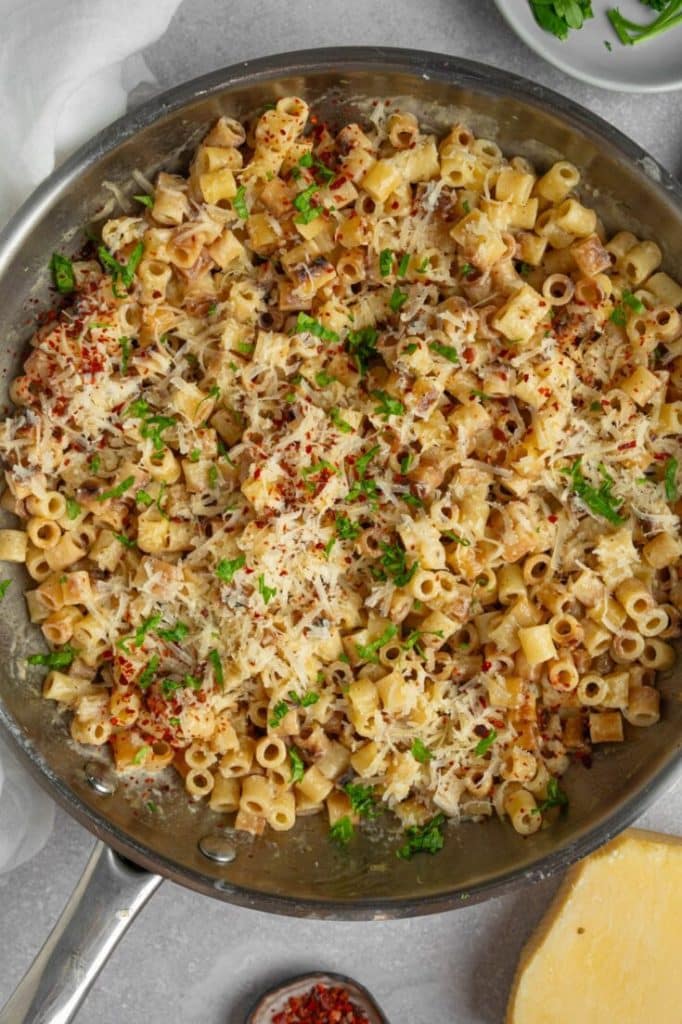
Imagine creating a meal that effortlessly brings warmth and comfort with each bite. Ditalini pasta is your ticket to a delightful culinary experience that is both simple and satisfying.
Whether you’re looking to whip up a quick weeknight dinner or impress guests with your cooking skills, learning how to cook ditalini pasta is a must-have in your kitchen repertoire. You might be wondering what makes ditalini pasta so special.
Well, its small, tube-like shape is perfect for absorbing flavors and creating a hearty texture that pairs beautifully with a variety of sauces and ingredients. As you read on, you’ll discover step-by-step guidance and insider tips to ensure your ditalini pasta turns out perfectly every time. Get ready to elevate your pasta dishes and leave everyone asking for seconds. Don’t miss out on the secrets to mastering this versatile ingredient!
Choosing The Right Ditalini Pasta
Ditalini pasta is small and tube-shaped. It is perfect for soups and salads.
Picking the right type of ditalini pasta can improve your dish. Consider size, ingredients, and brand.
Size And Shape
Ditalini pasta comes in different sizes. Choose smaller pieces for soups. Larger pieces work well in pasta salads.
- Small ditalini fits well in broth
- Medium ditalini holds sauces better
- Larger ditalini adds texture to salads
Ingredients And Quality
Look for pasta made with quality flour. Semolina wheat pasta has a firm texture. Whole wheat adds more fiber.
| Type | Texture | Nutrition |
| Semolina | Firm and chewy | Standard |
| Whole Wheat | Hearty and dense | High fiber |
| Gluten-Free | Soft | For gluten-sensitive |
Packaging And Brand
Check the packaging date for freshness. Trusted brands often keep consistent quality.
Tips for Choosing Brand:
- Read reviews online
- Look for clear expiration dates
- Choose brands with simple ingredients
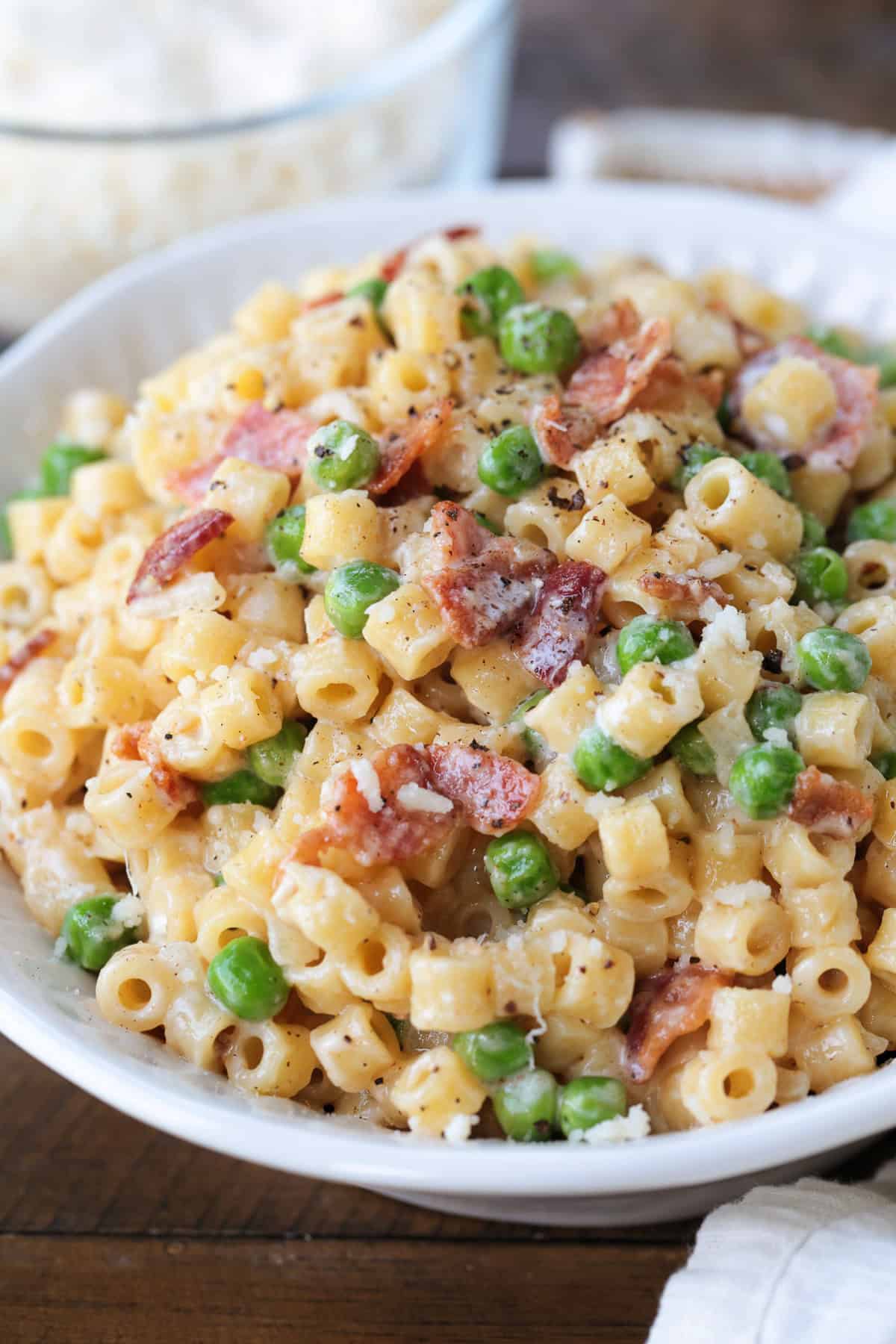
Credit: www.mantitlement.com
Essential Ingredients And Tools
Ditalini pasta is a small tube-shaped pasta that cooks quickly. Using the right ingredients and tools helps you cook it perfectly.
This guide lists the essential items you need to prepare delicious ditalini pasta at home.
Ditalini Pasta
Ditalini pasta is the main ingredient. Choose good quality dried or fresh ditalini for best results.
- Dried ditalini cooks in 8-10 minutes
- Fresh ditalini cooks in 2-3 minutes
- Check the package for cooking time
Water
Use plenty of water to cook ditalini pasta. It stops the pasta from sticking and cooks evenly.
- Use 4 to 6 quarts of water per pound of pasta
- Add salt to the water for flavor
- Bring water to a rolling boil before adding pasta
Salt
Salt adds flavor to the pasta as it cooks. It is a key ingredient for tasty ditalini pasta.
Add about one tablespoon of salt per 4 quarts of water.
Large Pot
A large pot holds enough water for cooking ditalini. It helps pasta cook evenly without sticking.
- Choose a pot with at least 6-quart capacity
- Use a pot with a lid to boil water faster
- Make sure the pot is deep enough for stirring
Colander Or Strainer
Drain the cooked pasta using a colander or strainer. It helps remove water quickly and safely.
- Use a colander that fits in your sink
- Choose one with small holes to catch ditalini
- Handle should be sturdy for easy lifting
Stirring Spoon
Use a spoon to stir the pasta while cooking. Stirring stops the pasta from sticking together.
- A wooden or heat-resistant spoon works best
- Stir gently but regularly during cooking
- A slotted spoon helps remove pasta if needed
Preparing The Pasta Water
Cooking ditalini pasta starts with preparing the right water. The water must be enough to let the pasta cook evenly. Adding salt also helps improve the pasta’s flavor.
Boiling the water correctly makes sure the pasta cooks perfectly without sticking or becoming mushy. Let’s look at two important parts of preparing pasta water.
Water Quantity And Salt
Use plenty of water for cooking ditalini pasta. This helps the pasta move freely and cook evenly. Add salt to the water to boost the pasta’s taste.
- Use about 4 to 6 quarts (4 to 6 liters) of water for every pound (450 grams) of pasta.
- Add 1 to 2 tablespoons of salt per 4 quarts (4 liters) of water.
- Use coarse salt if you have it; it dissolves well and adds good flavor.
- Do not add oil to the water; it can make the pasta slippery and prevent sauce from sticking.
Boiling Techniques
Start by bringing the salted water to a full, rolling boil. This means big bubbles rising constantly. Add the ditalini pasta gently to the boiling water.
| Action | Reason |
|---|---|
| Bring water to a rolling boil | Ensures pasta cooks evenly and quickly |
| Add pasta slowly | Prevents water from splashing |
| Stir pasta immediately | Stops pasta from sticking together |
| Keep water boiling while cooking | Maintains even heat for proper cooking |

Credit: www.thecookingtwins.com
Cooking Ditalini Pasta
Ditalini pasta is a small, tube-shaped pasta popular in many recipes. It cooks quickly and works well in soups and salads.
Knowing the right way to cook ditalini helps keep its texture firm and tasty. Follow simple steps for the best results.
Timing For Perfect Texture
Ditalini pasta usually takes about 8 to 10 minutes to cook. Check the pasta early to avoid overcooking.
Cook until the pasta is tender but still slightly firm. This texture is called al dente and is best for most dishes.
- Boil water with salt before adding pasta
- Add ditalini and start timing immediately
- Test pasta at 7 minutes by tasting a piece
- Remove from heat when pasta is firm but not hard
Stirring And Monitoring
Stir the pasta gently after adding it to boiling water. This keeps the pieces from sticking together.
Keep an eye on the pasta as it cooks. Stir every few minutes to help even cooking and prevent clumps.
- Use a large pot with plenty of water
- Stir pasta gently at the start and during cooking
- Watch for foam or water boiling over
- Drain pasta as soon as it reaches the right texture
Draining And Rinsing Tips
After cooking ditalini pasta, draining and rinsing are important steps. They help remove excess water and prevent pasta from sticking.
Using the right draining and rinsing techniques keeps your pasta texture perfect for your recipe.
Use A Fine Mesh Strainer
A fine mesh strainer helps drain small pasta like ditalini easily. It stops pasta from falling through the holes.
Pour the pasta and water into the strainer slowly. Shake it gently to remove all water.
Rinse With Cold Water For Salads
Rinse ditalini pasta with cold water if using it in a salad. This cools the pasta and stops cooking.
Rinsing also removes extra starch, so pasta doesn’t stick together in salads.
Avoid Rinsing For Hot Dishes
Do not rinse ditalini pasta if serving it hot with sauce. Rinsing removes starch that helps sauce stick.
Just drain the pasta well and add it to your sauce right away for best results.
Save Some Pasta Water
Keep a cup of pasta water before draining. It contains starch that helps thicken sauces.
Add a little pasta water to your sauce if it is too thick. Stir well for smooth sauce.
Serving Suggestions
Ditalini pasta cooks quickly and works well in many dishes. It is small and tube-shaped, making it perfect for both light and hearty meals.
Here are ideas on how to enjoy ditalini pasta with sauces, soups, and salads. These tips help bring out its best flavors and textures.
Pairing With Sauces
Ditalini pasta pairs well with many sauces. Its small size holds sauce nicely without overpowering the dish. Choose sauces that complement its shape and texture.
- Light tomato sauces with herbs
- Creamy cheese sauces like Alfredo
- Olive oil with garlic and chili flakes
- Simple pesto with fresh basil
- Meat ragù for a hearty meal
Using In Soups And Salads
Ditalini pasta is excellent in soups and salads. Its small size makes it easy to eat with a spoon or fork. It adds a nice bite to any dish.
| Dish Type | Recommended Ingredients | Serving Tip |
| Vegetable Soup | Carrots, celery, tomatoes | Add pasta last to avoid overcooking |
| Minestrone | Beans, greens, potatoes | Serve hot for full flavor |
| Cold Pasta Salad | Olives, cherry tomatoes, cucumbers | Toss with vinaigrette dressing |
| Chicken Pasta Salad | Grilled chicken, bell peppers, herbs | Chill before serving |
Storing And Reheating Leftovers
After cooking ditalini pasta, you might have some leftovers. Storing and reheating them properly keeps the pasta fresh and tasty.
Follow simple steps to save your pasta for later use. This helps avoid waste and saves time on your next meal.
How To Store Ditalini Pasta
Cool the cooked ditalini pasta before storing. Put it in an airtight container to keep it fresh.
Store the pasta in the refrigerator. Use it within 3 to 5 days for the best taste.
- Cool pasta to room temperature
- Use airtight containers or resealable bags
- Keep in the fridge at or below 40°F (4°C)
- Consume within 3 to 5 days
Reheating Ditalini Pasta Safely
Reheat pasta gently to keep its texture. Use a microwave or stove to warm it evenly.
Add a little water or sauce before reheating. This stops the pasta from drying out.
- Place pasta in a microwave-safe bowl
- Add a splash of water or sauce
- Heat in short intervals, stirring often
- Or warm in a pan on low heat with sauce
- Check that pasta is hot all the way through
Tips To Keep Pasta Fresh Longer
Store pasta separately from sauce to keep it fresh. Combine them only when reheating.
Freeze leftover pasta if you want to keep it longer. Use freezer-safe bags and eat it within 1 to 2 months.
- Store pasta and sauce in separate containers
- Use freezer-safe bags or containers for freezing
- Label with date before freezing
- Thaw in the fridge overnight before reheating
- Do not refreeze pasta after thawing
Common Mistakes To Avoid
Cooking ditalini pasta is simple but some mistakes can spoil the dish. Avoid these common errors to get the best results.
Knowing what to do and what to skip helps you cook perfectly every time.
Using Too Little Water
Ditalini pasta needs plenty of water to cook evenly. Using too little water makes the pasta sticky and clumpy.
Always use a large pot filled with water so the pasta can move freely while boiling.
Not Salting The Water Enough
Salt adds flavor to the pasta while it cooks. Without enough salt, ditalini pasta tastes bland.
Add about one tablespoon of salt for every four quarts of water to get the right taste.
Overcooking The Pasta
Ditalini pasta cooks fast and can become mushy if left too long. Follow the package time closely.
Check the pasta a minute or two before the time ends to keep it firm and chewy.
Rinsing Pasta After Cooking
Rinsing washes away the starch that helps sauces stick to ditalini pasta. Avoid rinsing unless using it in cold salads.
Drain the pasta and add sauce immediately for the best flavor and texture.
Not Stirring The Pasta
Ditalini pasta can stick together if you do not stir it. Stir the pasta in the first few minutes of cooking.
Keep stirring occasionally to prevent clumps and ensure even cooking.
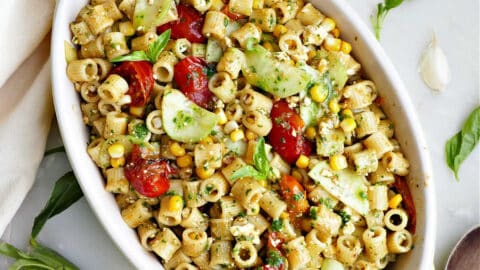
Credit: itsavegworldafterall.com
Frequently Asked Questions
What Is The Best Way To Cook Ditalini Pasta?
Boil ditalini pasta in salted water for 8-10 minutes. Stir occasionally to prevent sticking. Drain and rinse with cold water to stop cooking. Use immediately in recipes for best texture.
Can I Cook Ditalini Pasta Without Boiling Water?
No, ditalini pasta must be cooked in boiling water. This ensures even cooking and prevents mushiness. Boiling water softens the pasta while maintaining its shape and texture.
How Do I Prevent Ditalini Pasta From Sticking?
Stir the pasta occasionally during boiling. Use enough water to give pasta room to move. Add a teaspoon of oil to the water if needed. Drain well and rinse with cold water after cooking.
How Long Does Ditalini Pasta Take To Cook?
Ditalini pasta usually takes 8-10 minutes to cook. Check for al dente texture by tasting after 8 minutes. Cooking time varies slightly by brand and pasta thickness.
Conclusion
Ditalini pasta cooks quickly and suits many dishes. Boil it until tender but firm to bite. Drain and add to soups, salads, or sauces. Its small shape holds flavors well. Experiment with herbs and spices for taste. Cooking ditalini is simple and fun.
Try different recipes to enjoy this pasta often. Enjoy your meal and keep cooking!