Do you love the idea of a delicious, home-cooked meal but feel overwhelmed by complicated recipes? Cooking chicken legs in a frying pan is a simple yet rewarding way to enjoy a tasty dinner without any fuss.
Imagine biting into a perfectly cooked chicken leg, crispy on the outside and juicy on the inside. Doesn't that sound amazing? In this guide, you'll discover step-by-step instructions that make cooking chicken legs easy and enjoyable, even if you’re not a seasoned chef.
By the end of this article, you'll have the confidence to whip up a scrumptious meal that will impress your family and friends. So grab your frying pan and let’s get started on this mouth-watering journey!
Choosing The Right Chicken Legs
Choosing good chicken legs helps make your meal tasty and safe. Picking the right pieces saves cooking time and gives better flavor.
Look at freshness, size, and quality before buying chicken legs. These factors affect how your dish turns out.
Fresh Vs Frozen
Fresh chicken legs taste better and cook evenly. They have a natural color and smell.
Frozen legs last longer and are easy to store. Make sure to thaw them safely before cooking.
- Fresh chicken should be firm and moist
- Frozen chicken must be fully thawed
- Avoid frozen legs with ice crystals
Size And Quality
Choose chicken legs of similar size. This helps them cook at the same speed.
Look for skin that is smooth and without tears. Avoid legs with bad smell or discoloration.
- Medium to large legs cook well in a pan
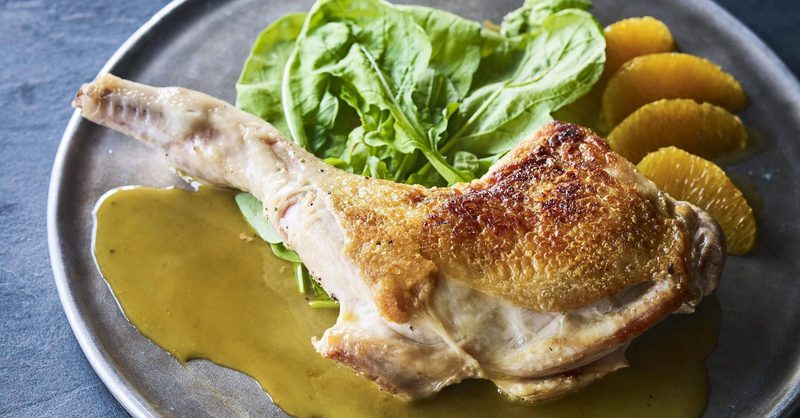
- Check for firm meat and clean skin
- Pick legs without bruises or cuts
Credit: www.vermicular.us
Essential Ingredients And Tools
Cooking chicken legs in a frying pan is simple and tasty. You need the right ingredients and tools to get great results.
This guide covers spices, marinades, frying pans, and oils. These help you cook juicy and flavorful chicken legs.
Spices And Marinades
Spices add taste and aroma to chicken legs. Marinades make the meat tender and juicy before cooking.
- Salt and pepper are basic but essential
- Garlic powder and paprika add smoky flavor
- Herbs like thyme, rosemary, and oregano enhance aroma
- Lemon juice or vinegar helps tenderize the meat
- Yogurt or buttermilk marinades soften the chicken
Best Frying Pans
Choose a frying pan that cooks chicken evenly. It should hold heat well and be easy to clean.
- Non-stick pans prevent chicken from sticking
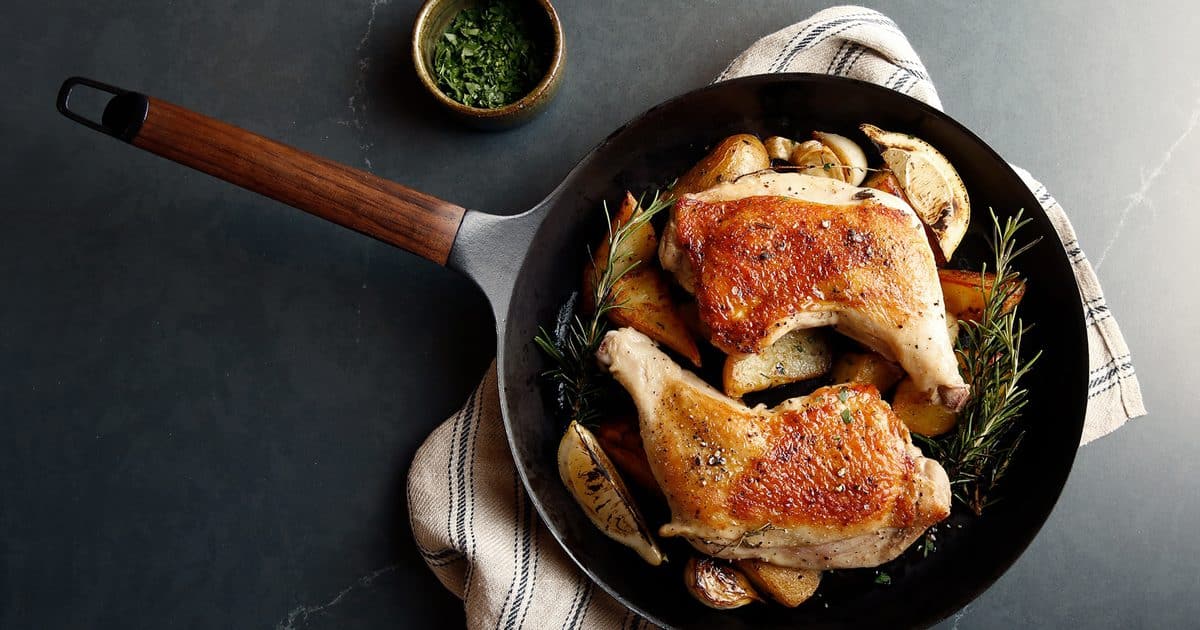
- Cast iron pans keep heat steady and give a nice crust
- Stainless steel pans are durable but need oil to prevent sticking
- Choose a pan big enough to hold all chicken legs without crowding
Oils And Fats
Oils help cook chicken legs without burning. Choose oils with a high smoke point for frying.
- Vegetable oil is common and affordable
- Canola oil has a mild flavor and high smoke point
- Olive oil adds flavor but burns faster
- Butter gives rich taste but mixes well with oil to prevent burning
Preparing Chicken Legs For Cooking
Cooking chicken legs in a frying pan starts with good preparation. Proper prep helps the chicken cook evenly and taste better.
This guide covers cleaning the chicken legs and some tips for marinating them before cooking.
Cleaning And Patting Dry
Clean chicken legs well to remove any residue. Use cold water and rinse each piece carefully.
After rinsing, pat the chicken dry with paper towels. Dry chicken skin cooks better and becomes crispier.
- Rinse chicken legs under cold running water
- Remove any excess fat or feathers
- Pat dry with clean paper towels
- Wash hands and surfaces after handling raw chicken
Marinating Tips
Marinating adds flavor and tenderizes the meat. Use simple ingredients for the best results.
| Ingredient | Purpose |
| Olive oil | Keeps chicken moist |
| Lemon juice | Tenderizes meat and adds tang |
| Garlic | Adds savory flavor |
| Salt and pepper | Enhance natural taste |
Marinate chicken legs for at least 30 minutes. For stronger flavor, marinate up to 4 hours in the fridge.
Cooking Techniques For Crispy Skin
Cooking chicken legs in a frying pan can give you crispy skin and juicy meat. The key is controlling heat and timing carefully.
This guide explains how to heat the pan, set the right cooking temperature, and flip the chicken at the right time.
Heating The Pan
Start by heating your frying pan on medium heat. Let it get hot before adding any oil or chicken.
A hot pan helps the skin crisp up quickly. Use a pan that holds heat well, like cast iron or stainless steel.
Cooking Temperature
Keep the heat medium to medium-high to cook the chicken evenly. Too high heat can burn the skin before the inside cooks.
Use a cooking thermometer if you have one. The chicken is done when it reaches 165°F (75°C) inside.
- Medium heat keeps skin crispy without burning
- Medium-high heat helps brown the skin fast
- Use a thermometer to check doneness
Flipping And Timing
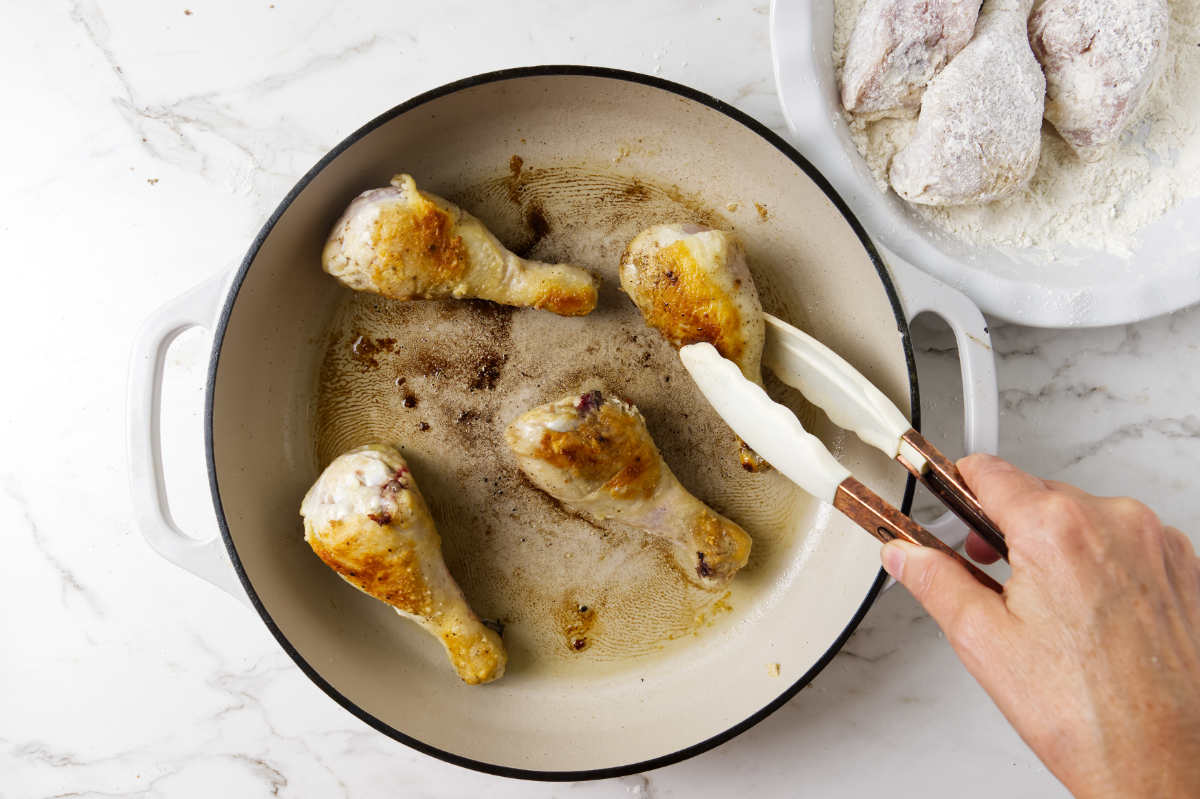
Place chicken legs skin-side down first. Cook without moving for 7-10 minutes until skin is golden and crisp.
Flip the chicken and cook the other side for 5-7 minutes. Adjust time based on size and thickness of the legs.
- Cook skin-side down first for crispy skin
- Flip once to cook other side evenly
- Adjust cooking time to size of chicken legs
Avoiding Common Cooking Mistakes
Cooking chicken legs in a frying pan is simple. You can enjoy tasty meals quickly.
Some mistakes can ruin the taste or texture. Avoid these to get perfect chicken legs.
Overcrowding The Pan
Do not put too many chicken legs in the pan at once. Overcrowding lowers the pan's heat.
When the pan is crowded, chicken steams instead of frying. This makes skin soft, not crispy.
- Cook chicken legs in batches if needed
- Leave space between pieces for even cooking
- Use a larger pan if cooking many pieces
Undercooking Or Overcooking
Chicken legs must be cooked fully to avoid illness. Undercooked chicken is unsafe to eat.
Overcooking makes chicken dry and tough. Check doneness carefully to get juicy meat.
- Use a meat thermometer to check temperature
- Cook chicken legs until internal temperature is 165°F (74°C)
- Remove from heat as soon as chicken is done
Credit: savorthebest.com
Checking For Doneness
Cooking chicken legs in a frying pan needs care to ensure they are fully cooked. Undercooked chicken can cause illness. Overcooked chicken can become dry and tough.
Checking for doneness helps you serve safe and tasty chicken. Use clear signs to know when your chicken legs are ready.
Using A Meat Thermometer
A meat thermometer shows the exact temperature inside the chicken leg. This is the safest way to check doneness.
Insert the thermometer into the thickest part of the leg without touching the bone. The chicken is done when it reaches 165°F (74°C).
- Clean the thermometer before use
- Check temperature in several spots
- Avoid touching bone for accurate reading
- Remove chicken from heat once done
Visual And Texture Cues
Visual and texture signs also help check if chicken legs are cooked. Look for clear juices and firm meat.
Cut the thickest part of the chicken. The meat should be white or light brown with no pink. Juices should run clear, not red or pink.
- Skin should be golden brown and crisp
- Meat should feel firm, not soft or rubbery
- Clear juices show chicken is cooked
- Pink color means cook longer
Serving Suggestions
Chicken legs cooked in a frying pan are flavorful and juicy. Choosing the right sides and sauces makes the meal complete.
This guide shows dishes and garnishes that pair well with pan-fried chicken legs. These choices add taste and texture to your plate.
Side Dishes That Pair Well
Simple sides complement the rich flavor of chicken legs. Pick vegetables, grains, or salads to balance the meal.
- Steamed green beans with garlic
- Mashed potatoes with butter
- Roasted carrots and parsnips
- Fresh garden salad with vinaigrette
- Rice pilaf with herbs
Sauces And Garnishes
Adding sauces and garnishes enhances flavor and presentation. Choose from spicy, tangy, or creamy options.
| Sauce | Description |
| Honey Mustard | Sweet and tangy, adds a nice kick |
| Barbecue Sauce | Smoky and rich, perfect for grilled taste |
| Garlic Yogurt | Creamy with a fresh garlic punch |
| Salsa Verde | Herby and slightly spicy green sauce |
| Chimichurri | Vibrant mix of herbs and vinegar |

Credit: www.youtube.com
Cleaning And Maintaining Your Pan
Taking care of your frying pan keeps it ready for cooking chicken legs. Proper cleaning stops food from sticking next time.
Good maintenance extends the pan’s life and keeps it safe for your meals.
Post-cooking Care
After cooking, let the pan cool down for a few minutes. Do not pour cold water on a hot pan to avoid damage.
- Remove leftover food with a soft spatula.
- Wash the pan with warm water and mild soap.
- Use a non-abrasive sponge to protect the surface.
- Dry the pan immediately with a clean cloth to stop rust.
- For cast iron pans, apply a light coat of oil after drying.
Preventing Sticking Next Time
To stop chicken legs from sticking, prepare your pan carefully before cooking. Heat the pan well and add enough oil.
| Tip | Details |
| Heat Pan Properly | Warm the pan on medium heat for 2–3 minutes. |
| Use Enough Oil | Cover the pan’s surface with a thin layer of cooking oil. |
| Avoid Moving Chicken Early | Let chicken legs cook until they release easily. |
| Keep Pan Clean | Residue can cause sticking, so clean after each use. |
Frequently Asked Questions
How Long To Cook Chicken Legs In A Frying Pan?
Cook chicken legs for about 25-30 minutes on medium heat. Flip them every 5-7 minutes. Ensure internal temperature reaches 165°F (74°C) for safety and juiciness.
Should Chicken Legs Be Covered While Frying?
Covering the pan helps cook chicken evenly and retain moisture. Use a lid for the first 15 minutes, then uncover to crisp the skin.
What Oil Is Best For Frying Chicken Legs?
Use oils with high smoke points like vegetable, canola, or peanut oil. These oils prevent burning and produce crispy, flavorful chicken legs.
How To Know Chicken Legs Are Fully Cooked?
Check for clear juices and no pink near the bone. Use a meat thermometer; it should read 165°F (74°C) for safe consumption.
Conclusion
Cooking chicken legs in a frying pan is simple and quick. You only need basic ingredients and a good pan. Keep the heat steady to cook evenly. Turn the legs often to avoid burning. Check the inside to make sure it is fully cooked.
This method makes juicy and tasty chicken every time. Try it for a healthy and easy meal. Enjoy your delicious homemade chicken with your favorite sides. Cooking at home saves money and feels great. Give this recipe a try and see how easy it is!