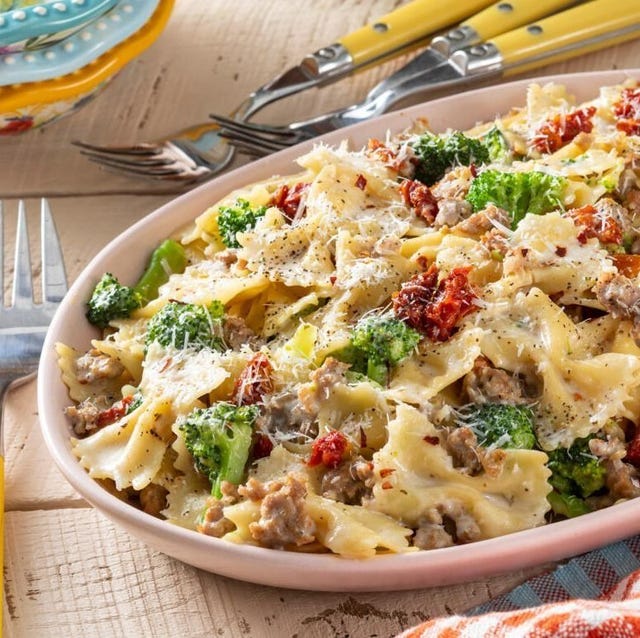
Imagine a dish that’s as fun to make as it is to eat. Bow tie pasta, also known as farfalle, is not just a feast for your taste buds but also a treat for your eyes.
The playful shape of this pasta makes it a favorite for both kids and adults alike. But how do you ensure that your bow tie pasta turns out perfectly every time? You might be wondering about the secret to achieving that perfect al dente texture or the ideal sauce pairing that makes this dish truly shine.
Don’t worry, you’re in the right place! In this guide, we’ll walk you through the simple steps to cooking bow tie pasta like a pro. Get ready to impress your family and friends with a meal that’s both delightful and delicious. Stick around, because you won’t want to miss these tips that will transform your kitchen skills and elevate your pasta game!
Choosing The Right Bow Tie Pasta
Bow tie pasta, also called farfalle, is a fun shape for many dishes. Picking the right type can make your meal better. This guide helps you choose the best bow tie pasta for cooking.
Think about the pasta’s texture, brand, and whether it is fresh or dried. These factors affect how your dish tastes and cooks.
Types And Brands
Bow tie pasta comes in many brands and styles. Some brands focus on quality and use durum wheat. Others offer different sizes or colors.
- Look for pasta made from 100% durum wheat for firmness.
- Choose smaller bow ties for soups and larger for salads.
- Try colored bow ties made with spinach or tomato for variety.
- Check brand reviews to find reliable quality.
Fresh Vs. Dried
Fresh and dried bow tie pasta differ in texture and cooking time. Fresh pasta cooks fast but is soft. Dried pasta takes longer but stays firm.
| Type | Texture | Cooking Time | Best Use |
| Fresh | Soft and tender | 2-4 minutes | Light sauces, quick dishes |
| Dried | Firm and chewy | 10-12 minutes | Hearty sauces, salads |
Essential Ingredients And Tools
Cooking bow tie pasta is simple and fun. You only need a few ingredients and tools.
Using the right items helps your pasta cook well and taste great.
Water And Salt
Use plenty of water to give the pasta room to cook. This stops it from sticking together.
Add salt to the water to boost the pasta’s flavor. It makes the pasta taste better.
- Use about 4 to 6 quarts of water per pound of pasta
- Add 1 to 2 tablespoons of salt to the water
- Salt the water after it boils, before adding pasta
Pot And Strainer
Choose a large pot so the pasta cooks evenly. A bigger pot helps water boil faster.
Use a strainer to drain the pasta after cooking. It helps remove all the water quickly.
- Pick a pot with at least 6-quart capacity
- Use a colander or fine-mesh strainer for draining
- Handle the pot and strainer carefully to avoid spills
Boiling Water Preparation
Boiling water properly is key to cooking bow tie pasta well. It helps the pasta cook evenly and taste good.
Two important factors to focus on are the amount of water and the salt added. Both affect the texture and flavor of the pasta.
Water Quantity
Use enough water so the pasta can move freely while cooking. Too little water makes pasta sticky and uneven.
- Use at least 4 to 6 quarts of water for every pound of pasta.
- Boil the water in a large pot to keep it hot when pasta is added.
- More water means pasta cooks evenly and does not clump.
- Stir pasta during cooking to prevent sticking.
Salt Amount
Salt adds flavor to the pasta while it cooks. The right amount makes pasta taste better without being too salty.
| Water Volume | Salt Amount |
| 4 quarts | 1 to 1.5 tablespoons |
| 5 quarts | 1.5 to 2 tablespoons |
| 6 quarts | 2 to 2.5 tablespoons |
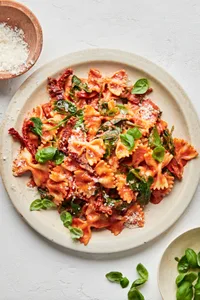
Credit: themodernproper.com
Cooking Bow Tie Pasta
Bow tie pasta is a fun and tasty shape to cook. It cooks quickly and holds sauces well.
This guide shows simple tips to cook bow tie pasta perfectly every time.
Adding Pasta To Boiling Water
Always add bow tie pasta to water that is fully boiling. This stops the pasta from sticking together.
Use plenty of water and add salt for better flavor before adding the pasta.
Cooking Time Guidelines
| Type of Bow Tie Pasta | Cooking Time |
| Regular Dry Bow Tie | 10 to 12 minutes |
| Whole Wheat Bow Tie | 12 to 14 minutes |
| Gluten-Free Bow Tie | 8 to 10 minutes |
Check the pasta a minute before the shortest cooking time. This helps avoid overcooking.
Stirring Tips
- Stir pasta right after adding it to the pot.
- Keep stirring every few minutes to stop sticking.
- Use a large spoon or pasta fork for easy stirring.
- Do not over-stir to avoid breaking the pasta shapes.
Checking For Al Dente
Cooking bow tie pasta just right means getting it al dente. Al dente means the pasta is firm but not hard. It should have a slight bite when you chew.
Knowing how to check for al dente helps you avoid mushy or undercooked pasta. This guide shows simple ways to check the texture and adjust cooking time.
Texture Test
To test the texture, take a piece of bow tie pasta from boiling water. Let it cool for a few seconds. Then bite into it to feel the texture.
If the pasta feels too hard or crunchy, it needs more cooking. If it is soft but still firm in the center, it is al dente. Overcooked pasta feels mushy and breaks easily.
- Remove one pasta piece with a spoon
- Cool it briefly under cold water or on a plate
- Bite the pasta to check firmness
- Look for a slight resistance when chewing
Timing Adjustments
Bow tie pasta usually cooks in 10 to 12 minutes. Times vary based on pasta brand and stove heat. Watch the clock but test early and often.
If your texture test shows the pasta is too hard, add one or two minutes to the cooking time. If it is too soft, reduce the time next time you cook.
- Start checking at 8 minutes for al dente
- Cook longer if pasta is too firm
- Drain immediately when al dente is reached
- Use a timer to avoid overcooking

Credit: www.thepioneerwoman.com
Draining And Rinsing
Cooking bow tie pasta is simple, but draining and rinsing are key steps. These steps help make the pasta ready for your sauce or dish.
Knowing how and when to drain or rinse your pasta keeps its texture and taste just right.
Proper Draining Techniques
Use a colander to drain bow tie pasta quickly and safely. Pour the pasta and water into the colander placed in the sink.
Let the water drain fully but do not shake the colander too hard. This prevents breaking the pasta.
- Place colander in the sink before draining
- Pour pasta and water carefully into the colander
- Let all water drain out naturally
- Avoid shaking or tapping to keep pasta whole
When To Rinse Or Not
Rinsing pasta removes surface starch and cools it down. This is good for cold pasta salads.
Do not rinse pasta if you plan to serve it hot with sauce. The starch helps sauce stick better.
- Rinse if making pasta salad or cold dish
- Use cold water to stop cooking and cool pasta
- Skip rinsing for hot dishes to keep sauce clingy
- Drain well before adding sauce or dressing
Serving Suggestions
Bow tie pasta is versatile and easy to dress up. You can pair it with many sauces and toppings. These ideas help you enjoy bow tie pasta in different ways.
Try simple sauce combinations and fresh garnishes. They bring out the best taste and texture of the pasta.
Sauce Pairings
Bow tie pasta works well with creamy, tomato, and pesto sauces. Each sauce adds a unique flavor and richness.
- Alfredo sauce: creamy and smooth for a rich taste
- Marinara sauce: classic tomato flavor with herbs
- Pesto sauce: fresh basil and garlic with a nutty touch
- Garlic and olive oil: simple, light, and fragrant
- Vodka sauce: creamy tomato with a slight kick
Garnish Ideas
Adding garnishes makes your dish look and taste better. You can use herbs, cheese, nuts, and vegetables as toppings.
| Garnish | Description | Best Use |
| Fresh basil | Sweet and aromatic leaves | Top after plating |
| Grated Parmesan | Salty and nutty cheese | Sprinkle on warm pasta |
| Toasted pine nuts | Crunchy and buttery nuts | Add for texture and flavor |
| Chopped cherry tomatoes | Fresh and juicy pieces | Mix in for color and taste |
| Red pepper flakes | Spicy and sharp heat | Sprinkle lightly for spice |
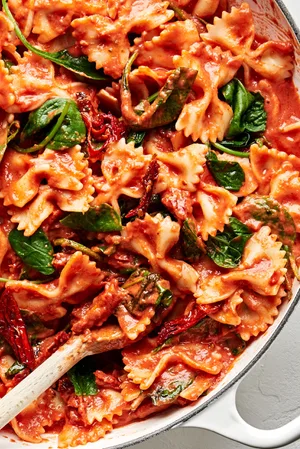
Credit: themodernproper.com
Common Mistakes To Avoid
Cooking bow tie pasta seems easy, but many make simple errors. These mistakes change the texture and taste.
Knowing what to avoid helps you cook perfect pasta every time. Let’s look at common issues and how to fix them.
Overcooking
Overcooking bow tie pasta makes it soft and mushy. It loses its shape and firmness.
- Check the package for the recommended cooking time.
- Taste the pasta a minute before time ends.
- Drain immediately once it is al dente (firm to bite).
- Rinse with cold water to stop cooking if not serving right away.
Insufficient Stirring
Not stirring enough causes pasta to stick and cook unevenly. Clumps form and some pieces stay hard.
| When to Stir | Why |
|---|---|
| First 2 minutes | Prevent sticking as pasta releases starch |
| Every few minutes | Ensure even cooking and separate pieces |
| After adding to boiling water | Stop pasta from clumping immediately |
Frequently Asked Questions
How Long Does It Take To Cook Bow Tie Pasta?
Bow tie pasta typically cooks in 10 to 12 minutes. Boil in salted water until al dente. Check frequently to avoid overcooking. Drain and serve immediately for the best texture and flavor.
What Is The Best Water-to-pasta Ratio?
Use about 4 to 6 quarts of water per pound of pasta. This prevents sticking and ensures even cooking. Adding salt enhances the pasta’s flavor. Stir occasionally during cooking for best results.
Can I Cook Bow Tie Pasta Without Salt?
Salt is recommended but not mandatory. It enhances flavor and prevents blandness. Without salt, pasta may taste plain. For healthier options, use minimal salt or substitute with broth.
How Do I Prevent Bow Tie Pasta From Sticking?
Stir pasta occasionally during cooking to prevent sticking. Use plenty of boiling water and add salt. Avoid rinsing after draining unless preparing a cold pasta dish.
Conclusion
Bow tie pasta cooks quickly and tastes great. Boil water, add salt, then the pasta. Stir often to keep it from sticking. Taste a piece to check if it’s done. Drain the pasta and add your favorite sauce. Serve warm for the best flavor.
Cooking pasta is easy with these simple steps. Enjoy your meal and try new recipes often. Cooking can be fun and rewarding. Keep practicing to improve every time.