Imagine waking up on a lazy Sunday morning, the sun just peeking through the curtains, and the tantalizing aroma of smoked bacon wafting through your home. Sounds like a dream, right?
Cooking bacon on a smoker might seem like a gourmet task, but it’s easier than you think, and the results are nothing short of mouthwatering. If you’re looking to elevate your breakfast game and impress your taste buds, you’ve landed in the right place.
In this guide, you’ll discover the secret to achieving that perfect smoky flavor that makes bacon irresistible. Whether you’re a seasoned pitmaster or a curious beginner, this article will walk you through every step of the process. So, are you ready to transform your kitchen into a haven of heavenly scents and scrumptious bites? Let’s dive into the art of smoking bacon.

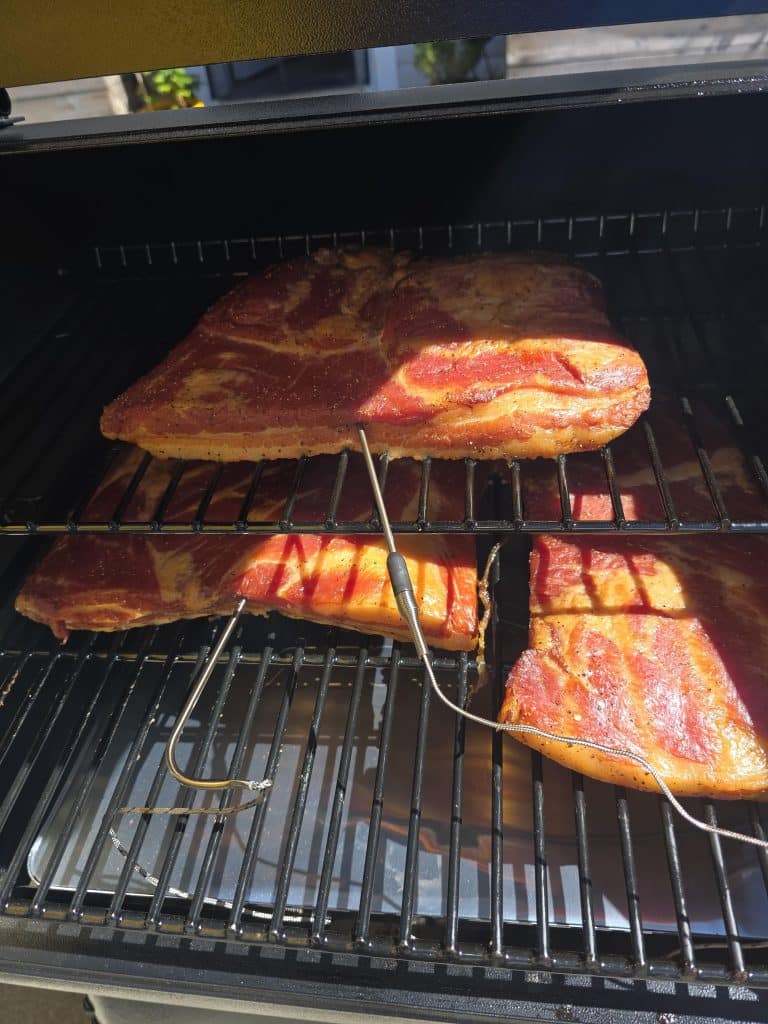
Credit: www.reddit.com
Choosing The Right Bacon
Picking the right bacon is key to cooking it well on a smoker. The type of bacon you choose affects flavor and texture.
Consider the cut, thickness, and flavor before smoking your bacon. These factors help you get the best taste and cook time.
Types Of Bacon Cuts
Bacon comes in different cuts. Each cut has a unique look and taste. Choose the one that fits your recipe.
Common cuts include:
- Side bacon: The most popular, from pork belly, fatty and flavorful
- Back bacon: Leaner, from the loin, meatier texture
- Slab bacon: Thick, unsliced, good for custom cuts
- Jowl bacon: From the pig’s cheek, rich and tender
Thickness And Quality
Thickness changes how bacon cooks on a smoker. Thin slices cook faster and get crispier. Thick slices stay juicy longer.
Look for high-quality bacon. Check the meat-to-fat ratio and fresh color. Good quality bacon tastes better and smokes evenly.
- Thin slices: Cook quickly, crisp texture
- Thick slices: Longer cook, tender and juicy
- Good quality: Bright color, balanced fat
- Avoid bacon with gray spots or too much water
Flavor Variations
Bacon flavor changes with curing and smoking methods. Some are sweet, others are spicy or smoky.
Common flavor options include:
- Traditional smoked: Classic smoky taste
- Maple cured: Sweet and rich flavor
- Peppered: Spicy with cracked black pepper
- Applewood smoked: Mild and fruity smoke taste

Credit: bensabaconlovers.com
Preparing The Smoker
Cooking bacon on a smoker needs the right setup. Preparing your smoker properly helps cook bacon evenly and adds great flavor.
Before you start, get your smoker ready by choosing wood chips, setting the temperature, and arranging for indirect heat.
Selecting Wood Chips
Wood chips give your bacon a smoky taste. Pick mild woods to avoid overpowering the bacon’s flavor.
Popular wood chips for bacon include fruit woods and hardwoods. These add a nice smoky aroma.
- Apple wood: sweet and mild
- Cherry wood: fruity and light
- Hickory: strong and smoky (use sparingly)
- Maple: sweet and gentle
Optimal Temperature Settings
Keep your smoker at a low temperature. Bacon cooks best between 200°F and 225°F.
This temperature range cooks bacon slowly and makes it crispy without burning.
- Use a smoker thermometer to check the heat
- Adjust vents to control temperature
- Maintain steady heat for even cooking
Setting Up For Indirect Heat
Cook bacon with indirect heat to prevent flare-ups and burning. Place the bacon away from direct flames.
Use a drip pan below the bacon to catch fat and avoid fires. This also helps keep the smoker clean.
- Arrange coals or heat source on one side
- Place bacon on the opposite side of the smoker
- Use a water pan to add moisture inside the smoker
Prepping The Bacon
Preparing bacon for smoking makes a big difference in flavor. You want your bacon to absorb smoke while staying tender and tasty.
Good prep includes seasoning, marinating, and placing the bacon properly on the smoker rack.
Seasoning Options
You can add simple or bold flavors by seasoning your bacon before smoking. Dry seasonings stick well to the meat and create a tasty crust.
- Sprinkle black pepper for a spicy kick
- Use brown sugar for a sweet glaze
- Try smoked paprika for extra smoky notes
- Add garlic powder for a savory touch
Using Marinades And Rubs
Marinades and rubs add moisture and flavor. Soak bacon in a marinade or rub dry spices before smoking.
| Type | Example Ingredients | Effect |
| Marinade | Soy sauce, maple syrup, apple cider vinegar | Moisture and sweet-savory taste |
| Rub | Chili powder, brown sugar, salt | Dry, flavorful crust |
Arranging Bacon On The Rack
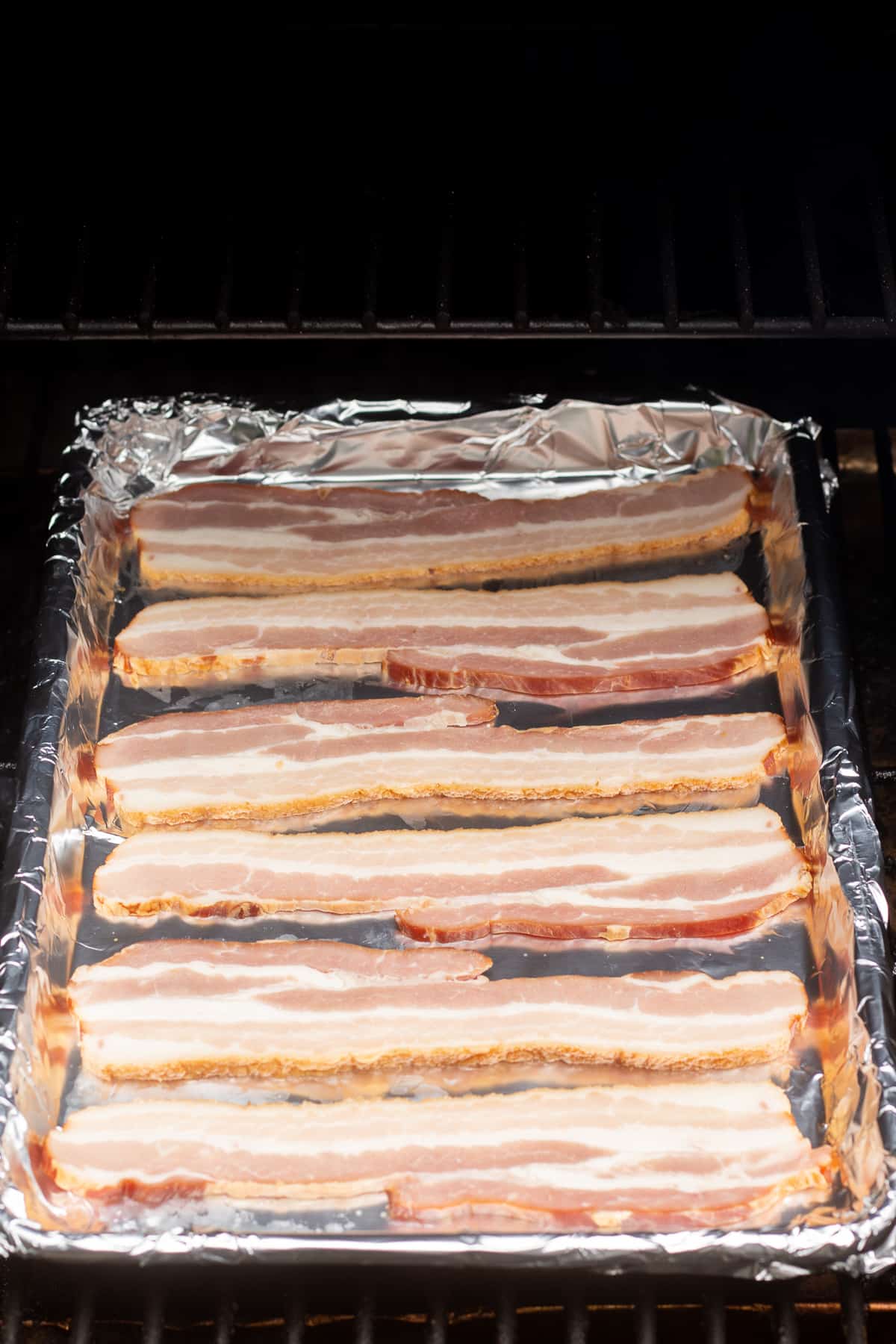
How you place bacon on the smoker rack affects cooking and smoke flow. Spread strips evenly for best results.
- Lay strips flat without overlapping
- Leave space between strips for air and smoke
- Arrange in a single layer to cook evenly
- Use a drip pan below to catch grease
Credit: www.hotpankitchen.com
Smoking Process
Smoking bacon adds a rich flavor you cannot get from other cooking methods. This process requires patience and attention to detail.
Understanding the timing, temperature, and handling during smoking will help you get the best results.
Ideal Smoking Time
Smoking bacon usually takes between 1.5 to 3 hours. The exact time depends on the thickness of your bacon and the smoker temperature.
- Set smoker temperature between 175°F and 200°F (79°C to 93°C).
- Thin bacon will take closer to 1.5 hours.
- Thicker cuts may need up to 3 hours.
- Avoid rushing the process to keep texture and flavor.
Monitoring Internal Temperature
Checking the internal temperature of bacon helps ensure it is safe and tasty. Bacon is done when it reaches 150°F (65°C) inside.
| Temperature | Status |
| Below 140°F (60°C) | Undercooked |
| 140°F to 150°F (60°C to 65°C) | Almost done |
| 150°F (65°C) and above | Fully cooked and safe |
Turning And Checking Bacon
Turning bacon during smoking ensures even cooking and flavor absorption. Check for any hot spots or flare-ups in your smoker.
- Turn bacon every 30 to 45 minutes.
- Use tongs to avoid piercing the meat.
- Look for even color and texture on both sides.
- Remove any excess fat buildup to prevent flare-ups.
Finishing Touches
Cooking bacon on a smoker gives it a rich flavor. After smoking, some final steps improve taste and texture.
These finishing touches help make your bacon crispy, less greasy, and ready to enjoy.
Crisping The Bacon
Smoked bacon can be soft after cooking. Crisping it adds a nice crunch.
Use a hot skillet or oven to crisp the bacon quickly. Watch closely to prevent burning.
- Place bacon strips in a hot pan for 1-2 minutes per side.
- Or bake in a 400°F oven for 5-7 minutes.
- Turn bacon to crisp evenly on both sides.
Draining Excess Fat
Smoked bacon releases fat while cooking. Removing extra fat keeps bacon from feeling greasy.
Drain bacon on paper towels. This absorbs extra oil and improves texture.
- Lay cooked bacon on a plate lined with paper towels.
- Let it rest for a few minutes to absorb fat.
- Replace towels if needed for better draining.
Serving Suggestions
Smoked bacon pairs well with many dishes. Serve it hot for best flavor.
Use bacon as a side or in recipes to add smoky taste.
- Serve with eggs and toast for breakfast.
- Add to sandwiches or burgers.
- Use in salads or pasta dishes.
- Chop and sprinkle on baked potatoes.
Common Mistakes To Avoid
Cooking bacon on a smoker takes patience and care. Many people make simple mistakes that affect the taste and texture.
Knowing what to avoid helps you get perfect smoky bacon every time. Here are some common errors to watch out for.
Overcooking Or Undercooking
Cooking bacon too long makes it dry and brittle. Undercooked bacon stays chewy and greasy.
Check the bacon often. Pull it off the smoker when it is crispy but still has some fat softness.
- Set a timer to avoid forgetting the bacon
- Turn the bacon slices for even cooking
- Use a meat thermometer for accurate doneness
Using The Wrong Wood
Not all wood flavors go well with bacon. Some woods make the bacon taste bitter or too smoky.
Choose mild woods like apple, cherry, or hickory for the best flavor balance.
- Avoid pine, cedar, or other resinous woods
- Use wood chips soaked in water to slow burning
- Mix wood types for a unique smoky taste
Ignoring Temperature Fluctuations
Smoke temperature changes can ruin your bacon. Too hot and it burns; too low and it stays raw.
Keep the smoker temperature steady between 175°F and 200°F for best results.
- Check the smoker temperature every 15 minutes
- Use a water pan to keep heat even
- Adjust vents to control airflow and heat
Flavor Enhancements
Cooking bacon on a smoker adds delicious flavor. You can enhance this taste by using different methods. These include adding smoke flavors, pairing with spices, and combining with other ingredients.
Each technique brings out unique notes that make your bacon more enjoyable. Let’s explore how to boost the flavor step by step.
Adding Smoke Flavors
Using wood chips or chunks creates different smoke flavors. Choose the right wood for the taste you want. For example, fruit woods give a mild sweetness, while hickory offers a stronger, smoky taste.
- Apple wood gives a light, sweet flavor
- Cherry wood adds a rich, fruity smoke
- Hickory wood provides a bold, classic bacon taste
- Maple wood adds a subtle sweetness
- Mesquite wood delivers a strong, intense smoke
Pairing With Spices
Spices can lift the flavor of smoked bacon. Before smoking, rub your bacon with your favorite spices. This adds depth and complexity to the final taste.
| Spice | Flavor Profile |
| Black pepper | Sharp and spicy |
| Paprika | Smoky and sweet |
| Brown sugar | Sweet and caramel-like |
| Cayenne pepper | Hot and spicy |
| Garlic powder | Savory and aromatic |
Combining With Other Ingredients
Mixing bacon with other ingredients before or after smoking can boost flavor. Some ingredients add sweetness, while others add spice or texture.
- Brush with maple syrup or honey for sweetness
- Sprinkle crushed red pepper for heat
- Coat with brown sugar for a caramel crust
- Wrap bacon around jalapeños or cheese for extra taste
- Add fresh herbs like rosemary for aroma
Frequently Asked Questions
How Long Does Bacon Take To Cook On A Smoker?
Bacon usually takes 1 to 2 hours to cook on a smoker at 200°F. Cooking time depends on bacon thickness and smoker temperature.
What Wood Is Best For Smoking Bacon?
Apple, cherry, or hickory wood are ideal for smoking bacon. They add a mild, sweet, and smoky flavor without overpowering the meat.
Should I Preheat The Smoker Before Cooking Bacon?
Yes, preheat the smoker to 200°F before adding bacon. This ensures even cooking and consistent smoke absorption for the best flavor.
How Do I Prevent Bacon From Curling On A Smoker?
To prevent curling, lay bacon strips flat on the smoker rack. You can also use a grilling rack or foil to keep bacon straight.
Conclusion
Smoking bacon adds a rich, smoky flavor you cannot get otherwise. It’s simple to do with the right smoker and wood chips. Keep an eye on the temperature and cooking time for crispy results. Enjoy the aroma while it cooks.
Serve your smoked bacon with eggs or on sandwiches for a tasty meal. Smoking bacon is a great way to change your breakfast routine. Try it soon and taste the difference yourself.