Craving the perfect crispy bacon? You’re in the right place.
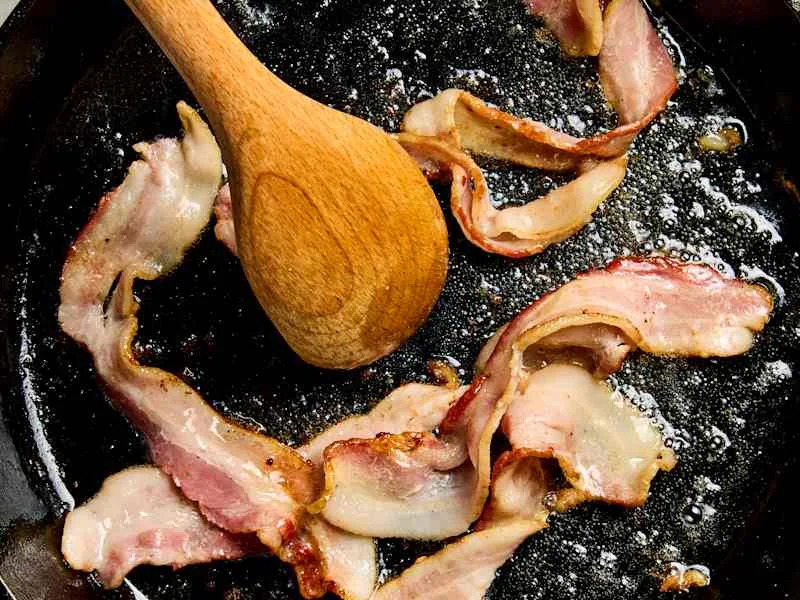
Cooking bacon in a frying pan is an art that transforms a simple breakfast into a mouth-watering delight. Imagine that sizzle as the bacon hits the pan, releasing an irresistible aroma that fills your kitchen. You’re about to discover the secrets to achieving that perfect balance of crispiness and flavor every time.
Whether you’re a seasoned cook or a kitchen newbie, this guide will turn you into a bacon pro. Stick with us, and soon you’ll be impressing everyone with your newfound bacon-cooking prowess. Ready to elevate your breakfast game? Let’s dive in!
Choosing The Right Bacon
Picking the right bacon makes your frying pan cooking better. Different types of bacon have unique flavors and textures. Knowing what to choose helps you get the best taste and crispiness.
This guide explains the main points to think about before cooking bacon in a frying pan. You will learn about bacon cuts, thickness, and freshness.
Types Of Bacon Cuts
Bacon comes in many cuts. Each cut changes the flavor and how it cooks. Some cuts have more fat, some have more meat. Knowing these helps you choose the best one for your meal.
- Streaky Bacon:Long strips with fat and meat layers. Crisps well in a pan.
- Back Bacon:Leaner and meatier, from the loin. Less fat but tender.
- Collar Bacon:Comes from the neck, a balance of fat and meat. Rich flavor.
- Slab Bacon:Large unsliced pieces you cut yourself. Control thickness and shape.
Thickness And Texture
Thickness affects cooking time and texture. Thin bacon cooks fast and is crispy. Thick bacon takes longer and stays chewy inside.
| Thickness | Texture | Cooking Result |
| Thin | Crispy | Quick frying, crunchy bites |
| Medium | Balanced | Crisp outside, tender inside |
| Thick | Chewy | Longer cook, meaty texture |
Fresh Vs. Pre-packaged
Fresh bacon often has a richer taste. It may come from a butcher or local farm. Pre-packaged bacon is easy to find and store but can have preservatives.
Here are pros and cons of fresh and pre-packaged bacon:
- Fresh Bacon:Better flavor, may cost more, shorter shelf life.
- Pre-packaged Bacon:Convenient, longer shelf life, sometimes less fresh.
Preparing The Frying Pan
Cooking bacon in a frying pan starts with getting the pan ready. A well-prepared pan helps the bacon cook evenly and taste better.
Pay attention to the pan you use and how you heat it. Also, choose the right fat to cook the bacon.
Selecting The Pan Material
Choose a pan that heats evenly and holds heat well. Cast iron and stainless steel pans work best for bacon.
Non-stick pans are easier to clean but may not give the best crispiness. Avoid pans that warp easily.
- Cast iron: Great heat retention and even cooking
- Stainless steel: Durable and heats evenly
- Non-stick: Easy cleanup but less crisp bacon
Heating The Pan Properly
Start with a cold pan. Place it on medium heat and let it warm up slowly. This helps the bacon cook evenly.
Do not overheat the pan. Too much heat can burn the bacon or cause it to cook unevenly.
- Place pan on medium heat
- Let it warm for 2-3 minutes
- Avoid heating too high to prevent burning
Using Oil Or Butter
Bacon releases its own fat while cooking, so extra oil is not always needed. Use a small amount if the pan is dry.
Butter adds flavor but can burn easily. Use oil with a high smoke point like vegetable or canola oil if you want extra fat.
- Use no oil if the pan is non-stick or cast iron
- Add a teaspoon of oil if pan is dry
- Butter adds taste but watch the heat
Cooking Techniques For Crispy Bacon
Crispy bacon is a favorite in many breakfasts. Cooking bacon in a frying pan gives you control over texture and taste.
This guide covers simple ways to get your bacon crispy and delicious every time.
Starting With A Cold Pan
Place bacon strips in a cold pan before turning on the heat. This helps fat render slowly for even cooking.
Starting cold prevents the bacon from curling too much and allows it to cook flat and crisp.
Adjusting Heat Levels
Use medium to medium-low heat to cook bacon. High heat may burn the edges and leave the middle raw.
- Begin cooking on medium heat to render fat.
- Lower heat if bacon cooks too fast or curls.
- Maintain a steady sizzle without smoke.
Flipping And Spacing Bacon Strips
Turn bacon strips often to cook both sides evenly. Use tongs to flip carefully.
| Tip | Reason |
|---|---|
| Flip every 2-3 minutes | Ensures even cooking and crispness |
| Leave space between strips | Allows heat to circulate and fat to drain |
| Do not overcrowd the pan | Prevents steaming and soggy bacon |

Credit: www.washingtonpost.com
Tips For Even Cooking
Cooking bacon evenly in a frying pan needs care and attention. Small changes can make a big difference. This guide shares key tips for better results.
Use these ideas to get crispy, tasty bacon with no burnt or undercooked spots. Focus on spacing, grease control, and color checks.
Avoiding Crowding
Do not put too many bacon strips in the pan at once. Crowding causes uneven heat and soggy bacon. Leave space for each strip to cook well.
- Cook bacon in batches if needed
- Keep strips from overlapping
- Use a larger pan for more slices
- Turn strips carefully to keep spacing
Managing Grease
Grease builds up as bacon cooks. Too much grease can fry unevenly and make bacon greasy. Remove excess fat to keep cooking steady.
| Grease Management Tips | Why It Helps |
| Pour off excess grease during cooking | Prevents bacon from frying in too much fat |
| Use a splatter guard | Keeps grease from spreading and uneven heat |
| Cook on medium-low heat | Allows fat to melt slowly and crisp bacon |
Monitoring Color And Texture
Watch bacon closely for color changes and texture. This shows when to flip or remove strips. Even color means even cooking.
- Flip bacon when edges start to brown
- Look for a golden, crispy surface
- Remove bacon if it looks dry or burnt
- Use tongs to check softness and firmness
Finishing And Serving
Cooking bacon in a frying pan is just the start. How you finish and serve it makes a big difference. Follow these tips to get the best results.
Removing extra grease, keeping bacon warm, and serving it right will make your meal tastier and more enjoyable.
Draining Excess Grease
After cooking, bacon has a lot of grease on it. Removing this grease makes it less oily and crispier. Use paper towels to soak up the extra fat.
- Place cooked bacon on a plate lined with paper towels.
- Let it rest for a minute to absorb the grease.
- Use clean paper towels to gently pat the top for extra grease.
- Discard the soaked paper towels carefully to avoid mess.
Keeping Bacon Warm
To keep bacon warm without drying it, use low heat or a warm oven. This helps keep the crisp texture until serving time.
| Method | Temperature | Time |
|---|---|---|
| Oven | 200°F (93°C) | Up to 20 minutes |
| Frying Pan on Low Heat | Lowest heat setting | 5 to 10 minutes |
Serving Suggestions
Bacon pairs well with many dishes. Here are some simple serving ideas to enjoy it fully.
- Serve with scrambled or fried eggs for breakfast.
- Add to sandwiches or burgers for extra flavor.
- Use crumbled bacon as a topping on salads or baked potatoes.
- Include in wraps with fresh vegetables and cheese.

Credit: ca.style.yahoo.com
Cleaning Up After Cooking
Cooking bacon in a frying pan leaves behind grease and residue. Cleaning up properly keeps your kitchen safe and your pan in good shape.
It is important to handle grease carefully and clean the pan well. This helps prevent mess and damage.
Handling Grease Disposal
Hot bacon grease can cause burns or fires if not handled correctly. Let the grease cool before disposal.
Never pour grease down the drain. It can clog your pipes and harm the environment.
- Pour cooled grease into a heat-safe container
- Seal the container before throwing it in the trash
- Use paper towels to wipe small grease spills
- Recycle grease if your area has a collection program
Cleaning The Pan
After removing grease, wash the pan with warm water and dish soap. Use a sponge to avoid scratching the surface.
For stuck-on bits, soak the pan in warm soapy water for a few minutes. Then scrub gently to remove residue.
- Use non-abrasive sponges or cloths
- Avoid steel wool on non-stick pans
- Rinse the pan thoroughly to remove soap
- Dry the pan with a clean towel to prevent rust
Maintaining Your Frying Pan
Regular care extends your pan’s life. Avoid overheating and use proper utensils to protect the surface.
Season cast iron pans after cleaning to keep them non-stick and rust-free. Store pans in a dry place.
- Use wooden or silicone utensils
- Do not stack heavy items on top of the pan
- Oil cast iron pans lightly after each wash
- Check the pan for damage before each use

Credit: ca.style.yahoo.com
Frequently Asked Questions
How Long Does It Take To Cook Bacon In A Pan?
Cooking bacon in a frying pan usually takes 8 to 12 minutes. Cook on medium heat until crispy. Turn slices occasionally for even cooking and avoid burning.
Should I Use Oil To Cook Bacon In A Pan?
No, bacon releases enough fat while cooking. Using oil is unnecessary and can make bacon greasy. Start with a cold pan for best results.
How Do I Prevent Bacon From Curling While Frying?
Cook bacon slowly on medium or low heat. Press slices gently with a spatula or use a bacon press. This helps keep bacon flat and evenly cooked.
Can I Cook Thick-cut Bacon In A Frying Pan?
Yes, thick-cut bacon cooks well in a frying pan. Increase cooking time to 12-15 minutes on medium heat. Flip often for even crispiness.
Conclusion
Cooking bacon in a frying pan is simple and quick. Start with a cold pan and cook slowly for even crispiness. Turn the slices often to avoid burning. Use paper towels to drain extra grease after cooking. This method keeps bacon tasty and crunchy every time.
Practice a few times, and you will feel confident. Enjoy your delicious bacon with breakfast or any meal. Easy steps lead to great results. Give it a try and savor the flavor!