Imagine the aroma of a perfectly smoked brisket wafting through your backyard, making your mouth water and your taste buds tingle. If you've ever wondered how to achieve that tender, flavorful brisket using a pellet smoker, you're in the right place.
You don't need to be a pitmaster to master this art. With a few simple steps and some insider tips, you'll be well on your way to creating a brisket that will impress even the toughest barbecue critics. In this guide, you'll discover the secrets to cooking a brisket on a pellet smoker that guarantees mouthwatering results every time.
Whether you're a seasoned smoker or a curious beginner, this article will guide you through each step, ensuring you understand every detail. Ready to unlock the full potential of your pellet smoker and create a brisket that's the star of your next gathering? Let's dive in.

Credit: cookswithsoul.com
Choosing The Right Brisket
Cooking a brisket on a pellet smoker starts with picking the right meat. The choice of brisket affects taste and tenderness.
Knowing what to look for helps you get the best results. Focus on quality, cut, and trimming before you start cooking.
Selecting Quality Meat
Choose brisket with good marbling. Fat inside the meat adds flavor and keeps it moist during smoking.
Look for brisket that feels firm but not hard. The color should be bright red, not brown or gray.
- Pick meat with even fat distribution
- Avoid brisket with dark spots or dryness
- Fresh meat has a mild smell, not sour
Understanding Brisket Cuts
A whole brisket has two parts: the flat and the point. Each part cooks differently and has a unique texture.
The flat is leaner and slices well. The point has more fat and is tender and juicy when cooked.
- Flat: lean, good for slicing
- Point: fatty, ideal for shredding
- Whole packer brisket includes both parts
Trimming Tips
Trim excess fat but leave about a quarter-inch to protect the meat. Too much fat can cause flare-ups.
Remove silver skin and hard fat. These parts do not melt and can make the brisket chewy.
- Keep a thin fat layer for moisture
- Cut off thick hard fat pieces
- Trim silver skin for better smoke flavor
Preparing The Brisket
Cooking a brisket on a pellet smoker starts with good preparation. Preparing the meat well helps it cook evenly and taste great.
This guide covers important steps before you place the brisket on the smoker. Focus on seasoning, marinades, and resting the meat.
Seasoning Techniques
Seasoning adds flavor and helps create a tasty crust on the brisket. Use salt and pepper for a simple, classic taste.
Apply the seasoning evenly on all sides. You can also add garlic powder, onion powder, or paprika for extra flavor.
- Pat the brisket dry before seasoning
- Use coarse salt for better crust formation
- Apply seasoning at least 30 minutes before smoking
Marinades And Rubs
Marinades soak into the meat and add moisture and flavor. Rubs are dry mixtures that stick to the surface.
Use a marinade with acidic ingredients like vinegar or lemon juice. This helps tenderize the brisket.
- Mix your favorite herbs and spices for a rub
- Let the brisket sit in marinade for 4 to 12 hours
- Apply rub evenly after removing the marinade
Resting Before Smoking
Resting lets the seasoning soak into the meat. It also helps the brisket reach room temperature before cooking.
Leave the brisket uncovered or loosely wrapped in the fridge. Rest it for at least one hour before smoking.
- Rest for 1 to 2 hours at room temperature
- Keep the brisket uncovered for a dry surface
- Do not skip resting to improve smoke absorption
Setting Up Your Pellet Smoker
Cooking brisket on a pellet smoker needs careful setup. This ensures the meat cooks evenly and tastes great.
Follow these tips to prepare your pellet smoker before cooking your brisket.
Choosing The Right Pellets
Pick pellets that add good flavor to your brisket. Different woods give different tastes.
Fruit woods like apple or cherry give a mild, sweet smoke. Hickory or mesquite offer stronger smoke flavors.
- Apple: mild and sweet
- Cherry: fruity and light
- Hickory: strong and smoky
- Mesquite: bold and intense
Temperature Settings
Set your smoker temperature between 225°F and 250°F for brisket. This low heat cooks meat slowly.
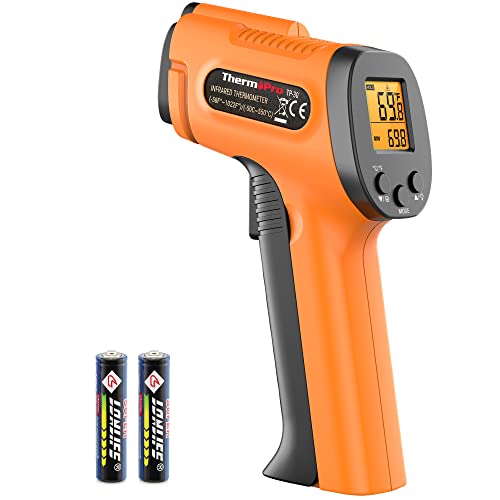
Keep the temperature steady to avoid drying out the brisket. Use a thermometer to check the heat.
- 225°F for longer, slower cooking
- 250°F for faster cooking
- Use a reliable smoker thermometer
- Aim for steady, even heat
Preheating Tips
Preheat your pellet smoker for at least 15 minutes before adding the brisket. This helps reach the right cooking temperature.
Check that the smoke is thin and blue, not thick or white. This means the fire is burning clean and hot.
- Preheat for 15 minutes or more
- Look for thin blue smoke
- Clear thick smoke before cooking
- Keep the smoker lid closed during preheat

Credit: www.youtube.com
Smoking Process
Cooking a brisket on a pellet smoker takes patience and care. The smoking process adds rich flavor and tenderizes the meat slowly.
Knowing how to control smoke, check temperatures, and wrap the brisket can improve your results. These steps help you cook a juicy and tasty brisket.
Managing Smoke Levels
Too much smoke can make the brisket bitter. Too little smoke can leave it bland. Aim for thin, blue smoke coming from the pellet smoker.
- Use quality hardwood pellets like oak, hickory, or mesquite.
- Keep the smoker clean to avoid old ash creating bad smoke.
- Control airflow vents to balance smoke and heat.
- Start with heavy smoke for the first hour, then reduce it.
Monitoring Internal Temperature
Temperature is the best way to know when the brisket is done. Use a reliable meat thermometer for accuracy.
| Temperature Stage | Internal Temperature (°F) | Description |
| Early Cooking | 100-150 | Brisket absorbs smoke flavor |
| Stall Phase | 150-170 | Moisture evaporates, temperature slows |
| Final Cooking | 195-205 | Collagen breaks down, brisket becomes tender |
Wrapping Methods
Wrapping helps retain moisture and speeds cooking. Choose the method that fits your taste and smoker style.
- Butcher Paper:Allows smoke to penetrate while holding juices.
- Aluminum Foil:Locks in moisture tightly but reduces smoke flavor.
- Unwrapped:Creates a firmer bark but may dry the brisket.
Finishing Touches
After smoking your brisket on a pellet smoker, the final steps matter a lot. These finishing touches help bring out the best flavors and textures in your meat.
We will cover how to rest the brisket, slice it properly, and serve it in a way that pleases everyone at the table.
Resting After Smoking
Resting lets the juices settle inside the brisket. This keeps the meat moist and tender when you cut it.
Wrap the brisket in foil or butcher paper. Then place it in a warm cooler or an oven set to low heat. Let it rest for at least one hour.
Slicing Techniques
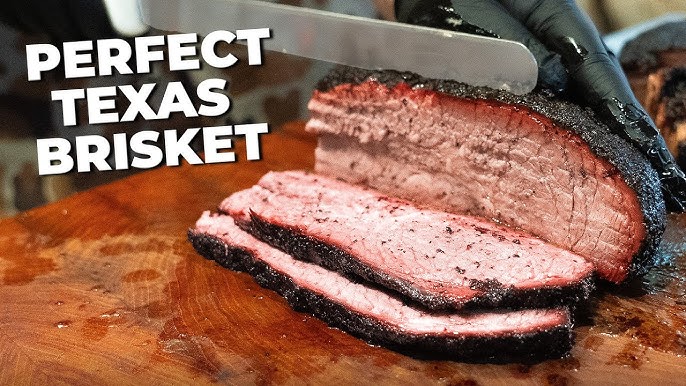
Cutting brisket the right way makes a big difference in taste and texture. Always slice against the grain to keep the meat tender.
- Identify the grain direction by looking at the lines in the meat.
- Use a sharp knife for clean, even slices.
- Cut slices about ¼ inch thick for the best balance of tenderness and flavor.
- If your brisket has a flat and point, slice each part separately as their grain runs differently.
Serving Suggestions
Serve your brisket with sides and sauces that complement its smoky flavor. Here is a simple table with ideas to pair with your meat.
| Side Dish | Description |
|---|---|
| Coleslaw | Crisp and tangy to balance the rich meat |
| Baked Beans | Sweet and smoky for a classic BBQ feel |
| Pickles | Add a sharp bite to cut through the fat |
| Cornbread | Soft and slightly sweet for a comforting touch |
| Barbecue Sauce | Use sparingly to enhance, not overpower |

Credit: www.youtube.com
Troubleshooting Common Issues
Cooking brisket on a pellet smoker can be tricky. Some problems can affect taste and texture.
Knowing how to fix common issues helps improve your brisket every time.
Dry Brisket Solutions
Dry brisket happens when it loses too much moisture during cooking. This makes the meat tough and less tasty.
To keep brisket moist, wrap it in foil or butcher paper partway through cooking. This traps steam inside.
- Use a water pan in the smoker to add humidity.
- Cook at a steady temperature around 225°F to 250°F.
- Rest the brisket for at least 30 minutes before slicing.
Avoiding Tough Texture
Tough brisket feels chewy and hard to eat. This happens if you cook it too fast or skip resting.
Slow, low heat breaks down the meat fibers. Let the brisket rest to let juices spread inside.
- Keep smoker temperature steady and low.
- Use a meat thermometer to check for 195°F to 205°F internal temperature.
- Allow resting time of 30 to 60 minutes after cooking.
Smoke Flavor Adjustments
Too much smoke can make brisket bitter. Too little smoke gives a weak flavor. Balance is key.
Adjust your pellet type and smoking time to get the right taste.
- Use milder wood pellets like apple or cherry for gentle smoke.
- Limit smoke time to first 3-4 hours of cooking.
- Keep vents open to control smoke flow.
Frequently Asked Questions
How Long Does Brisket Take On A Pellet Smoker?
Cooking brisket on a pellet smoker usually takes 1 to 1. 5 hours per pound. Maintain a temperature of 225°F for tender results. Use a meat thermometer to check for 195°F internal temperature for optimal doneness.
What Pellets Are Best For Smoking Brisket?
Hardwood pellets like hickory, oak, or mesquite are best for brisket. They provide a strong, smoky flavor that complements the meat. Avoid flavored pellets that can overpower the brisket’s natural taste.
Should I Wrap Brisket During Pellet Smoking?
Yes, wrapping brisket in butcher paper or foil helps retain moisture. Wrap it after the brisket hits 160°F internal temperature. This step speeds cooking and keeps the meat tender and juicy.
How Do I Maintain Temperature On A Pellet Smoker?
Keep the pellet hopper filled and use a reliable digital controller. Avoid opening the smoker frequently to maintain steady heat. Regularly check the temperature to ensure consistent cooking.
Conclusion
Cooking brisket on a pellet smoker takes time and patience. Keep the temperature steady and check the meat often. Use wood pellets that add good flavor. Let the brisket rest before slicing to keep it juicy. Enjoy the rich taste and tender texture you create.
This simple method brings great results every time. Try it out and share your tasty success with friends.