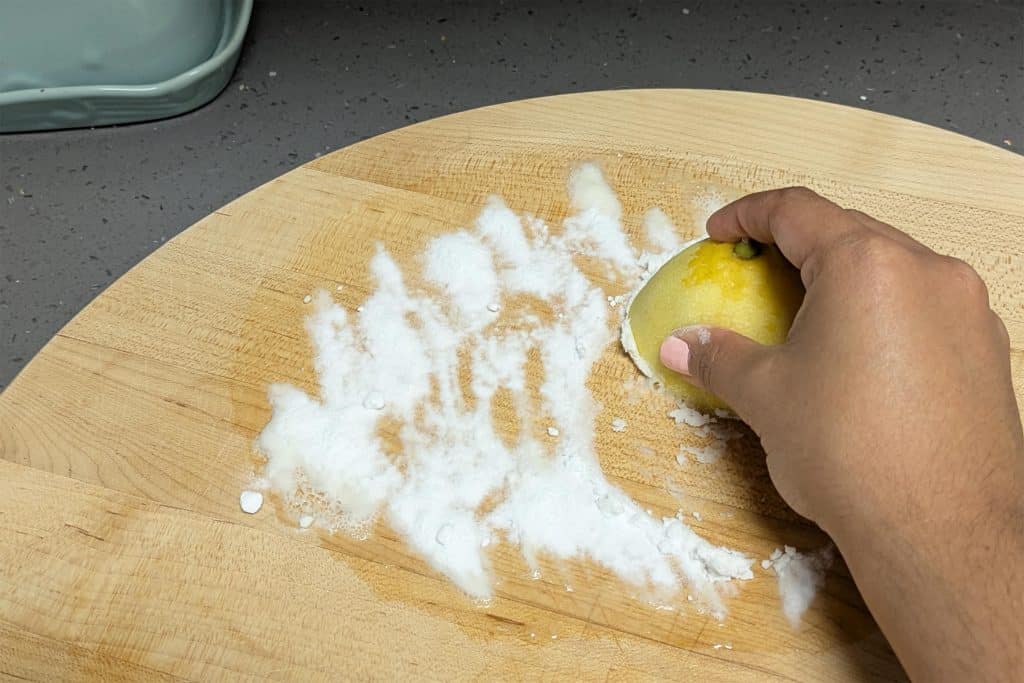
How to clean wood cutting board with lemon? Your wood cutting board is a kitchen essential, but it can quickly hold onto stains, odors, and bacteria. You might think cleaning it is a hassle or worry about damaging the wood.
What if there was a simple, natural way to refresh your board and keep it safe for food prep? Using lemon to clean your wood cutting board is an easy trick that you can do right now with ingredients you already have.
Keep reading, and you’ll discover how this simple method can make your board look and smell like new—without harsh chemicals or extra effort.

Credit: www.aol.com
Benefits Of Lemon For Wood Boards
Lemon is a natural cleaner that works well on wood cutting boards. It helps remove stains and odors without harsh chemicals. Using lemon keeps your board fresh and safe for food.
This simple fruit also acts as a mild bleach and disinfectant. It can extend the life of your wooden board by preventing damage from bacteria and mold.
Natural Antibacterial Properties
Lemon contains citric acid, which kills many types of bacteria. This helps reduce germs on your cutting board after use. It is a safe and effective way to clean without chemicals.
Removes Stains And Odors
The acidic nature of lemon helps break down stains from food like onion, garlic, and berries. It also neutralizes strong smells that can stay on wood boards.
- Rub lemon juice on the stained area
- Let it sit for a few minutes
- Rinse with warm water
- Dry the board thoroughly
Gentle On Wood Material
Lemon cleans wood without damaging its surface. Unlike harsh chemicals, lemon does not dry out or crack the wood. It helps maintain the board’s smooth texture and natural look.
Cost-effective And Eco-friendly
| Benefit | Description |
| Cost | Affordable and easy to find |
| Safety | Non-toxic and food safe |
| Environment | Biodegradable and natural |
| Effectiveness | Removes stains and kills bacteria |
Preparing Your Cutting Board
Cleaning a wood cutting board with lemon keeps it fresh and safe. Preparing the board correctly helps the lemon work better.
Start by removing any food scraps and rinsing the board with warm water. This step cleans the surface before using lemon.
Remove Food Debris
Use a scraper or a clean cloth to clear crumbs and bits of food from the board. This makes cleaning easier.
Rinse With Warm Water
Rinse the board under warm water to wash away loose particles. Avoid soaking the wood to protect it from damage.
Dry The Board Slightly
Pat the board dry with a clean towel. The surface should be damp but not wet for the lemon to clean well.
Cut A Fresh Lemon
Choose a fresh lemon and cut it in half. Fresh lemon juice works best to clean and deodorize the wood.
Step-by-step Cleaning Process
Cleaning a wood cutting board with lemon is simple and natural. This method helps remove stains and odors without harsh chemicals.
Follow these steps carefully to keep your board clean and safe for food preparation.
Rinse And Dry
Start by rinsing the cutting board with warm water. Use your hands or a soft cloth to remove loose debris. Dry the board completely with a clean towel before moving to the next step.
Apply Lemon Juice
Cut a fresh lemon in half. Squeeze the juice evenly over the board’s surface. You can also rub the lemon halves directly on the wood for extra cleaning power.
- Cover all areas with lemon juice.
- Let it sit for about 5 minutes.
- This allows the acid to break down stains and kill bacteria.
Scrub With Salt
Sprinkle coarse salt over the lemon-covered board. Use the lemon half to scrub the salt into the wood. This action cleans and exfoliates the surface gently.
| Scrubbing Tips | Reason |
|---|---|
| Use coarse salt | Better scrubbing power |
| Scrub in circular motions | Reaches all stains |
| Focus on deep cuts | Removes trapped food |
Rinse Again
Rinse the board well with warm water to remove lemon juice and salt. Dry it completely with a clean towel. Let the board air dry before storing to avoid moisture damage.
Removing Tough Stains And Odors
Wood cutting boards can absorb stains and smells from food. Cleaning them well keeps them fresh and safe.
Lemon is a natural cleaner that helps remove tough stains and odors. It is safe for wood and easy to use.
Scrubbing Stains With Lemon
Cut a lemon in half and rub it on the stained area. The acid helps break down the stain on the wood.
Let the lemon juice sit for a few minutes before scrubbing with a soft brush or sponge. Rinse with warm water.
Removing Odors Using Lemon And Salt
Sprinkle coarse salt over the cutting board. The salt helps lift odors and acts as a mild scrub.
Rub the lemon half over the salt. The combination removes strong smells like garlic or fish from the wood.
- Sprinkle salt on the board
- Rub with lemon half for 5 minutes
- Rinse with warm water
- Dry the board completely
Freshening Wood With Lemon Juice
Squeeze fresh lemon juice over the board for a natural fresh scent. Let it sit for 10 minutes before rinsing.
This helps kill bacteria and refreshes the wood without harsh chemicals.
Drying And Maintaining Freshness
Cleaning a wood cutting board with lemon is simple and natural. After cleaning, drying and keeping the board fresh is very important.
This guide explains how to dry your board properly and keep it smelling fresh for longer.
Proper Drying Techniques
After washing your board with lemon, dry it quickly to stop water damage. Water can make the wood crack or warp.
Use a clean towel to wipe off all moisture. Then, stand the board upright or lean it at an angle to let air flow on all sides.
- Wipe board dry with a soft cloth
- Place board upright for air drying
- Keep away from direct sunlight
- Do not stack while drying
Maintaining Freshness Over Time
To keep your wood cutting board fresh, use lemon regularly. Lemon helps remove odors and bacteria.
Rub lemon juice on the surface once a week. Let it sit for a few minutes, then rinse and dry.
- Apply lemon juice to the board
- Let it sit for 3-5 minutes
- Rinse with warm water
- Dry board thoroughly
- Oil the board monthly to protect wood

Credit: www.aol.com
Additional Tips For Board Care
Keeping your wood cutting board clean and well-maintained helps it last longer. Small daily habits can protect the board from damage and bacteria.
Here are some important tips to take care of your wood cutting board after cleaning it with lemon.
Avoid Soaking
Do not soak your wood cutting board in water. Prolonged exposure to water makes the wood swell and crack. Instead, wipe it clean with a damp cloth and dry it quickly.
Oil Your Board Regularly
Oiling your board keeps the wood from drying out. It also creates a protective layer that stops stains and odors.
- Use food-safe mineral oil or beeswax
- Apply oil evenly with a soft cloth
- Let it soak overnight if possible
- Wipe off excess oil before use
- Oil the board once a month or when it looks dry
Store Properly
| Storage Tip | Reason |
|---|---|
| Store upright or on a rack | Allows air circulation to prevent mold |
| Keep in a dry place | Avoids moisture buildup and warping |
| Do not stack with wet items | Prevents bacteria growth and damage |
| Use a board cover or cloth | Keeps dust and dirt away |

Credit: homewithgraceandjoy.com
Frequently Asked Questions
How Does Lemon Clean A Wood Cutting Board?
Lemon’s natural acidity breaks down stains and bacteria on wood boards. It also deodorizes and refreshes the surface effectively. Rubbing lemon juice directly on the board helps remove odors and light stains safely without harsh chemicals.
Can Lemon Sanitize A Wood Cutting Board?
Yes, lemon has mild antibacterial properties that help reduce germs on wood boards. For better sanitation, combine lemon juice with coarse salt and scrub the surface thoroughly. This method cleans and freshens the board naturally.
How Often Should I Clean My Board With Lemon?
Clean your wood cutting board with lemon after heavy use or weekly. Regular lemon cleaning prevents bacteria buildup and maintains the board’s freshness. Avoid over-soaking to protect the wood from damage.
Is Lemon Safe For All Wood Cutting Boards?
Lemon is safe for most wood cutting boards, but use it gently. Avoid harsh scrubbing to prevent surface damage. Test on a small area first if unsure about the wood type.
Conclusion
Cleaning a wood cutting board with lemon is simple and effective. The natural acidity of lemon removes stains and odors. It also helps keep your board fresh. Just rub a lemon half over the surface. Add salt for extra scrubbing power.
Rinse with warm water and dry completely. This method is eco-friendly and safe. No harsh chemicals needed. Regular cleaning extends your board’s life. Keeping it sanitary is essential for food safety. Try using lemon today. Your cutting board will thank you.
Plus, it’s a quick task that makes a big difference.