Struggling with stubborn old kitchen oil on your favorite dish? You’re not alone.
Many of us face the same sticky situation. You might find yourself scrubbing endlessly, only to see that greasy film still clinging on. Frustrating, isn’t it? But don’t worry, there’s good news. With the right techniques, you can restore your dishes to their sparkling glory.
Imagine the satisfaction of seeing them shine again, free from that pesky oil. Ready to discover how? Let’s dive in and make those dishes gleam like new.
Credit: www.vermicular.us
Causes Of Old Kitchen Oil Residue
Old kitchen oil residue forms when oil is not cleaned properly from dishes. Over time, this residue becomes sticky and hard to remove. Understanding what causes this can help in cleaning dishes better.
Different oils have different properties that affect how they stick to dishes. Knowing these can explain why some oils leave more residue than others.
Common Kitchen Oils And Their Properties
| Oil Type | Smoke Point (°F) | Texture | Residue Tendencies |
| Olive Oil | 375-405 | Medium viscosity | Leaves a thin, sticky film |
| Vegetable Oil | 400-450 | Light texture | Can form a greasy layer |
| Butter | 350 | Thick and creamy | Leaves solidified spots |
| Coconut Oil | 350 | Waxy texture | Hardens when cool |
| Canola Oil | 400 | Light and smooth | Often leaves oily streaks |
How Oil Sticks To Dishes Over Time
- When oil cools, it thickens and hardens on dish surfaces.
- Heat causes oils to break down and bond with food particles.
- Repeated use without cleaning builds layers of oil residue.
- Oils with lower smoke points break down faster and stick more.
- Cool, damp conditions help oil residue to cling tightly.
Understanding these causes helps to remove old kitchen oil residue more effectively.
Essential Tools And Materials
Cleaning old kitchen oil from dishes needs the right tools and materials. Using good cleaning agents and helpful tools makes the task easier.
Prepare these items before you start. They help remove tough oil stains and keep your dishes clean.
Recommended Cleaning Agents
Choose cleaning agents that cut through grease well. These agents help break down old oil and remove sticky residue.
- Dishwashing liquid with grease-fighting formula
- Baking soda for scrubbing and deodorizing
- White vinegar for cutting oil and disinfecting
- Hot water to loosen dried oil
- Liquid degreaser for heavy oil stains
Useful Kitchen Tools For Cleaning
Use the right tools to scrub and rinse your dishes well. These tools reach every corner and remove old oil safely.
| Tool | Purpose |
| Sponge or scrubber | Scrub off oil and food particles |
| Dish brush | Clean hard-to-reach spots |
| Microfiber cloth | Dry and polish dishes after washing |
| Rubber gloves | Protect hands from hot water and chemicals |
| Plastic basin | Soak dishes in hot water and cleaning agents |
Pre-soaking Techniques
Cleaning old kitchen oil from dishes can be tough. Pre-soaking helps loosen the grease. This makes washing easier and saves time.
Using the right soaking methods can improve your dish cleaning results. Choose a method that fits your kitchen supplies and preferences.
Using Hot Water And Detergents
Hot water helps break down old oil on dishes. Combine it with detergent for better cleaning power. Soak the dish for at least 30 minutes.
- Fill a basin with hot water (not boiling).
- Add a few drops of dish detergent.
- Place the oily dish in the water.
- Let it soak for 30 to 60 minutes.
- Scrub gently after soaking to remove loosened oil.
Natural Soaking Solutions
Natural solutions work well for soaking oily dishes. Ingredients like vinegar and baking soda cut grease without harsh chemicals.
| Ingredient | Amount | Benefit |
|---|---|---|
| White vinegar | 1 cup | Breaks down grease and kills bacteria |
| Baking soda | 2 tablespoons | Acts as a mild abrasive and deodorizer |
| Lemon juice | 1/2 cup | Cuts grease and leaves a fresh scent |
Mix these ingredients with warm water in a basin. Soak the dishes for 30 minutes or more. Then scrub and rinse well.

Credit: www.thekitchn.com
Effective Scrubbing Methods
Old kitchen oil on dishes can be tough to remove. Using the right scrubbing methods makes cleaning easier and faster.
Good scrubbing helps get rid of greasy stains without damaging your dishes. Let’s look at some useful tips.
Manual Scrubbing Tips
Start by soaking the dish in warm water with dish soap. This softens the old oil and makes scrubbing easier.
Use circular motions when scrubbing. This helps break down the grease better than scrubbing back and forth.
- Apply moderate pressure to avoid scratching the dish
- Focus on oily spots first
- Rinse the dish frequently to check progress
- Change water if it gets too oily or dirty
Using Scrubbers And Sponges Safely
Choose scrubbers and sponges that suit your dish type. Soft sponges work well on delicate surfaces.
Use scrubbers gently on non-stick pans or glass to avoid damage. Clean and replace sponges often to prevent bacteria.
- Check for rough edges on scrubbers before use
- Use separate sponges for greasy dishes and regular cleaning
- Rinse and squeeze sponges after every use
- Replace sponges every 1-2 weeks
Alternative Cleaning Solutions
Old kitchen oil on dishes can be tough to remove. Using natural ingredients is a safe way to clean. These solutions are easy to find at home.
Below are two effective natural cleaning methods. They help break down grease without harsh chemicals.
Baking Soda And Vinegar Mix
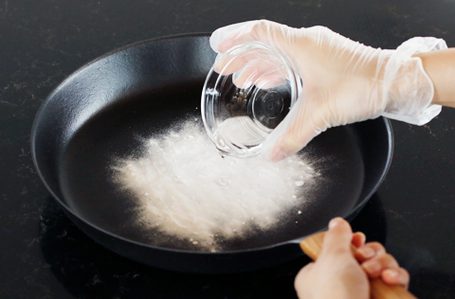
Baking soda and vinegar create a fizzy reaction that lifts old grease. This mix cleans dishes gently and well.
- Sprinkle baking soda on the oily dish.
- Pour a small amount of vinegar over the baking soda.
- Wait for the fizz to stop, about 2 minutes.
- Use a sponge to scrub the dish clean.
- Rinse well with warm water.
Lemon Juice And Salt Application
Lemon juice and salt make a natural scrub that cuts through grease. The acid in lemon breaks down oil, while salt acts as an abrasive.
| Ingredient | Purpose |
| Lemon Juice | Breaks down grease with natural acid |
| Salt | Scrubs and removes stuck oil |
| Application | Rub lemon juice and salt on oily spots, then scrub |
Preventing Oil Build-up On Dishes
Old kitchen oil on dishes can be tough to clean. It makes dishes greasy and unappealing.
Stopping oil build-up helps keep dishes clean and saves time washing them later.
Immediate Cleaning Practices
Clean dishes soon after use to stop oil from drying and sticking. Hot water helps break oil down.
Use a good dish soap made to cut grease. Scrub dishes well to remove all oil traces.
- Rinse dishes with hot water right after meals
- Apply grease-cutting dish soap generously
- Scrub all oily parts with a sponge or brush
- Rinse thoroughly to remove soap and oil
Regular Maintenance Tips
Keep your kitchen tools clean to avoid oil build-up over time. Regular checks help find hidden grease.
Soak dishes with heavy oil in warm soapy water before washing. This softens old grease for easier cleaning.
- Clean sponges and brushes often to avoid spreading oil
- Soak greasy dishes in warm, soapy water before scrubbing
- Use baking soda to scrub stubborn oil spots
- Dry dishes completely to stop oil from sticking again
When To Use Professional Cleaning
Old kitchen oil can stick to dishes and become hard to remove. Sometimes, regular washing does not clean it well.
Professional cleaning can help when oil stains are tough and need special care to get rid of them.
Signs Of Stubborn Oil Residue
Some signs show that oil on dishes is hard to clean by yourself. These signs include:
- Oily film stays after washing
- Dish feels greasy or slippery
- Visible yellow or brown stains
- Strong smell of old oil
- Oil builds up in corners or edges
If these signs appear, your dishes might need a deep clean from experts.
Choosing The Right Service
Pick a cleaning service that knows how to handle old kitchen oil. Check if they use safe and effective methods.
- Use eco-friendly cleaning products
- Have experience with kitchenware cleaning
- Offer thorough cleaning for tough stains
- Provide quick and reliable service
- Have good customer reviews
Choosing the right service helps keep your dishes clean and safe to use.
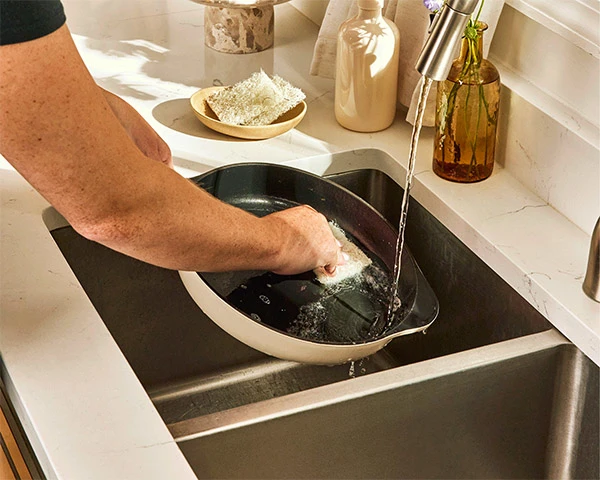
Credit: www.carawayhome.com
Frequently Asked Questions
How Do I Remove Old Kitchen Oil From Dishes?
Use hot water and dish soap to break down oil. Scrub gently with a sponge or brush. Rinse thoroughly with warm water to remove residue and restore cleanliness.
What Household Products Clean Greasy Dishes Effectively?
Dish soap, baking soda, and white vinegar work well. Dish soap cuts grease, baking soda scrubs, and vinegar removes odors. Combine for best results on stubborn oil stains.
Can Hot Water Alone Clean Old Oil On Dishes?
Hot water helps soften and loosen oil but isn’t enough alone. Combine with soap or cleaning agents for thorough grease removal and hygienic dishes.
How Long Should I Soak Dishes With Old Oil?
Soak dishes in hot, soapy water for 15-30 minutes. This softens hardened oil and makes scrubbing easier. Avoid soaking too long to prevent damage.
Conclusion
Cleaning old kitchen oil on dishes is simple with the right steps. Use warm water and soap to break down grease. Scrub gently but well to remove oily spots. Rinse thoroughly to avoid slippery residue. Repeat if needed for tough stains.
Keeping dishes clean helps your kitchen stay fresh and healthy. Regular cleaning stops oil build-up and saves time later. Try these tips to make dishwashing easier and more effective every day.