Keeping your KitchenAid convection oven spotless can feel like a tough job. But what if cleaning it didn’t have to be a hassle?
Imagine opening your oven to find it shining, fresh, and ready for your next delicious meal. You’re about to discover simple, effective steps that make cleaning your oven quick and stress-free. Ready to bring back that sparkling look and keep your kitchen running smoothly?
Let’s dive into how you can clean your KitchenAid convection oven the right way.
Preparation Before Cleaning
Cleaning your Kitchenaid convection oven is easier if you prepare well. Preparing helps you clean safely and effectively.
Follow these steps to get ready before you start cleaning the oven.
Unplug And Cool Down
Always unplug your oven before cleaning. This stops any chance of electric shock. Let the oven cool down completely. Cleaning a hot oven can cause burns and damage the appliance.
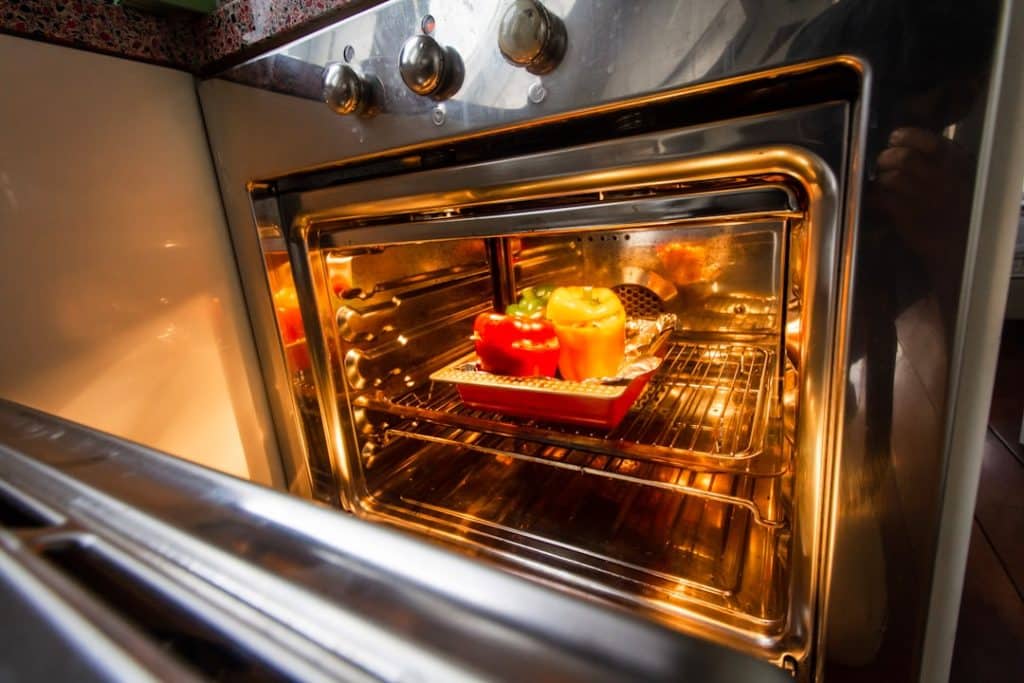
Remove Oven Racks And Accessories
Take out all racks, trays, and accessories from inside the oven. Cleaning these separately makes the oven interior easier to reach. It also helps prevent damage to the racks while cleaning.
- Slide out the oven racks carefully
- Remove any baking trays or pans
- Set the accessories aside for separate cleaning
Gather Cleaning Supplies
Prepare all cleaning items before you begin. Having everything ready saves time and makes the process smooth.
| Item | Purpose |
|---|---|
| Soft cloth or sponge | Wipe surfaces without scratching |
| Mild dish soap | Remove grease and food residue |
| Baking soda | Help clean tough stains |
| Spray bottle with water | Rinse and dampen surfaces |
| Gloves | Protect hands from cleaning agents |
Cleaning The Oven Interior
Keeping your Kitchenaid convection oven clean inside helps it work better. Dirt and food bits can build up over time. Cleaning the interior prevents smells and smoke.
This guide shows how to clean the oven interior safely and well. Follow these simple tips to keep it fresh and spotless.
Wipe Loose Debris
Start by removing any loose crumbs or food pieces inside the oven. Use a soft cloth or paper towel to wipe them away. This step makes cleaning easier later.
Use A Gentle Cleaner
Choose a mild cleaner that will not harm the oven’s surface. Avoid harsh chemicals or abrasive powders. A mix of warm water and dish soap works well.
- Dilute dish soap in warm water
- Use a soft sponge or cloth
- Gently scrub the oven walls and floor
- Rinse with clean water and dry with a towel
Tackle Stubborn Stains
For tough stains, use baking soda paste. Mix baking soda with water until thick. Apply it to stains and leave for 15-20 minutes.
| Cleaning Method | Instructions |
|---|---|
| Baking Soda Paste | Apply paste, wait 15-20 mins, then scrub gently |
| Vinegar Spray | Spray vinegar on paste to help lift stains |
| Soft Scrub Brush | Use to remove loosened grime without scratching |
After scrubbing, wipe clean with a damp cloth. Repeat if needed but avoid scrubbing too hard.
Avoiding Damage To Heating Elements
Do not spray cleaner directly on heating elements. Avoid scrubbing them or using metal tools. Heating elements are fragile and can break.
- Turn off and unplug the oven before cleaning
- Use a dry cloth to gently wipe heating parts
- Keep water and cleaners away from heating elements
- Check the manual for specific care tips
Cleaning The Oven Racks
Oven racks collect grease and food bits during cooking. Cleaning them keeps your oven fresh and safe.
Follow simple steps to clean the racks without damage. Use common household items for best results.
Soak In Warm Soapy Water
Fill a large basin with warm water and dish soap. Submerge the oven racks completely. Let them soak for at least 30 minutes. This loosens grease and food stuck on the racks.
Scrub With A Non-abrasive Pad
Use a soft sponge or non-abrasive pad to scrub the racks. Avoid steel wool or harsh brushes to protect the finish. Focus on corners and tight spots to remove stubborn grime.
- Wear gloves to protect your hands.
- Scrub gently but firmly.
- Use circular motions for better cleaning.
- Rinse the pad often to remove grease.
Rinse And Dry Thoroughly
| Task | Details |
|---|---|
| Rinse | Use clean water to wash off soap and loosened dirt. |
| Dry | Wipe racks with a clean towel or air dry completely. |
| Inspect | Check for any leftover grime and repeat if needed. |
Credit: www.kitchenaid.ca
Cleaning The Oven Door
Cleaning the oven door helps keep your KitchenAid convection oven looking nice. A clean door also lets you see inside clearly.
Focus on the glass panel, door seals, and any residue or smudges. These parts need regular cleaning to work well.
Clean The Glass Panel
Use a soft cloth and warm soapy water to clean the glass panel. Avoid harsh chemicals that can damage the glass.
Gently scrub any stuck-on food or grease. Rinse with a clean damp cloth and dry with a soft towel for a clear view.
Wipe Door Seals
Door seals keep heat inside your oven. Wipe them with a damp cloth to remove crumbs and grease.
Check for cracks or damage while cleaning. Damaged seals should be replaced to keep the oven working well.
Check For Residue And Smudges
Look for sticky spots or smudges on the door frame and handle. Use a mild cleaner and soft cloth to wipe these areas.
- Use circular motions to clean smudges
- Avoid abrasive pads that can scratch surfaces
- Dry the door completely to prevent streaks
Exterior Cleaning Tips
Keeping the outside of your Kitchenaid convection oven clean helps it look new. Dirt and grease can build up fast in the kitchen. Regular cleaning keeps your oven safe and fresh.
Use gentle methods and the right tools to clean the exterior. Avoid harsh chemicals that can damage the surface or controls.
Wipe Control Panel And Buttons
Use a soft, damp cloth to clean the control panel and buttons. Do not spray water directly on the panel. This prevents moisture from entering the oven’s electronics.
- Turn off and unplug the oven before cleaning
- Lightly dampen a microfiber cloth with water
- Gently wipe the control panel and buttons
- Dry the surface with a soft, dry cloth
- Do not use abrasive cleaners or scrubbing pads
Clean Stainless Steel Surfaces
Stainless steel parts need special care to keep their shine. Always wipe in the direction of the grain. Use mild soap and water for cleaning.
| Cleaning Tip | Method |
| Remove fingerprints | Use a soft cloth with glass cleaner or mild soap |
| Polish surface | Apply stainless steel polish with a microfiber cloth |
| Dry after cleaning | Wipe with a dry cloth to prevent water spots |
| Avoid scratches | Do not use steel wool or rough sponges |
Avoiding Water Damage
Water can damage your oven’s electrical parts and cause rust. Be careful when cleaning around openings and seams.
Tips to avoid water damage:
- Never pour water directly on the oven
- Use a damp cloth instead of soaking wet
- Keep water away from vents and door seals
- Dry all wet areas immediately

Credit: speerselectric.ca
Using The Self-clean Function
Cleaning your Kitchenaid convection oven keeps it working well. The self-clean function makes cleaning easier.
This feature burns off food residue inside the oven. It uses high heat to remove dirt and grease.
Activating Self-clean Mode
First, remove all racks and pans from the oven. Close the oven door securely before starting.
Press the self-clean button on the control panel. Choose the cleaning time based on how dirty the oven is.
- Short clean for light dirt
- Medium clean for normal dirt
- Long clean for heavy dirt
Press start to begin the cleaning cycle. The oven door will lock during cleaning.
Safety Precautions
Keep children and pets away while the oven cleans. The oven gets very hot during the cycle.
Do not open the door during cleaning. The door stays locked until the oven cools down.
- Ventilate the kitchen well to avoid smoke
- Do not use oven cleaners before or after
- Keep flammable items far from the oven
Post-cleaning Steps
Wait for the oven to cool before opening the door. The lock will release once it is safe.
Wipe the oven interior with a damp cloth to remove ash. Replace racks and pans after cleaning.
- Check door seals for any damage
- Run a short bake cycle to remove odors
- Clean the oven exterior with a soft cloth
Maintenance For Longevity
Keeping your Kitchenaid convection oven clean helps it last longer. Proper care stops damage and keeps it working well.
Regular maintenance also makes sure your oven cooks food evenly. Simple cleaning habits protect your oven’s parts.
Regular Cleaning Schedule
Clean your oven after every few uses to avoid build-up. Wipe the inside walls and racks with a soft cloth.
Use mild soap and warm water for cleaning. Avoid harsh chemicals that can damage the oven’s surface.
- Clean racks and trays weekly
- Wipe oven door inside and out
- Check and clean fan covers monthly
Inspecting Seals And Components
Check the door seal regularly to keep heat inside. A worn seal can cause heat loss and longer cooking times.
Look for cracks or damage on the seal and other parts. Replace any broken parts to maintain oven efficiency.
- Check door seal for cracks or tears
- Inspect knobs and buttons for proper function
- Ensure fan blades spin freely without noise
Handling Spills Immediately
Clean spills as soon as they happen. This prevents food from burning onto surfaces and becoming hard to remove.
Use a damp cloth to wipe spills inside the oven. Avoid using sharp tools that can scratch the oven’s finish.
- Turn off and cool oven before cleaning spills
- Use mild detergent and soft cloth for cleaning
- Remove burnt food debris gently

Credit: appliancewarehouse.ca
Frequently Asked Questions
How Often Should I Clean My Kitchenaid Convection Oven?
Clean your Kitchenaid convection oven every 1-3 months. Regular cleaning prevents buildup and maintains performance. Wipe spills immediately to avoid stains. Deep clean when you notice residue or odor inside the oven. This keeps your appliance efficient and extends its lifespan.
What Is The Safest Cleaner For Kitchenaid Ovens?
Use mild dish soap and warm water for daily cleaning. Avoid harsh chemicals or abrasive cleaners that damage surfaces. For tougher stains, a mixture of baking soda and water works well. Always follow the manufacturer’s guidelines to protect the oven’s finish and components.
Can I Use The Self-cleaning Feature On Kitchenaid Convection Ovens?
Yes, many Kitchenaid convection ovens have a self-cleaning option. Follow the user manual for instructions and safety precautions. Remove racks and large debris before starting. This feature uses high heat to burn off residue, making cleaning easier and faster.
How Do I Clean The Oven Racks Properly?
Remove the racks and soak them in warm, soapy water for 15-30 minutes. Use a non-abrasive scrubber to remove baked-on food. Rinse and dry thoroughly before placing them back in the oven. Regular rack cleaning prevents odors and keeps your oven hygienic.
Conclusion
Cleaning your KitchenAid convection oven regularly is crucial. It ensures optimal performance and longevity. Start by gathering the right supplies. Follow the step-by-step guide for effective results. Use gentle cleaning agents to protect the oven surface. Regular maintenance prevents stubborn stains and odors.
Keep your oven looking new with consistent care. A clean oven enhances cooking experiences. It also ensures food safety. Remember to unplug the oven before cleaning. Always follow manufacturer guidelines for best practices. Happy cooking in your spotless oven!