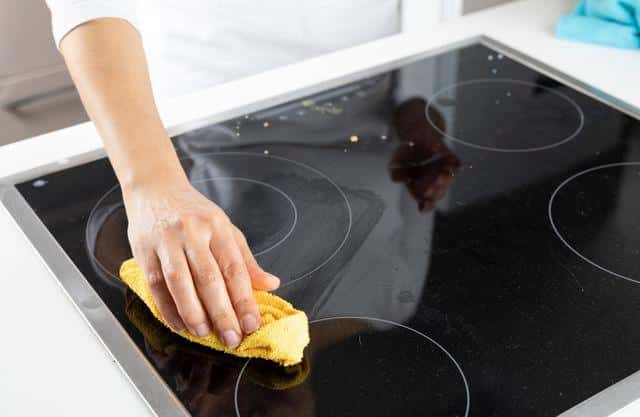
Is your kitchen induction stove looking less than pristine lately? You know how a clean kitchen can make cooking more enjoyable and efficient.
But tackling that sleek induction surface can be a bit daunting, right? Don’t worry; we’ve got you covered. In this guide, we’re diving into the easiest and most effective ways to keep your induction stove sparkling clean, without any hassle.
Imagine the satisfaction of seeing your stove gleaming, ready to assist you in whipping up your next culinary masterpiece. Stick around, and you’ll discover tips that make cleaning feel less like a chore and more like a quick, rewarding routine. Ready to transform your cleaning game? Let’s get started!

Credit: www.reddit.com
Choosing The Right Cleaning Tools
Cleaning your kitchen induction stove needs the right tools. Using the wrong items can cause scratches or damage. Select tools that protect the stove’s surface while removing dirt.
Focus on soft materials and safe cleaning agents to keep your stove looking new. This guide helps you pick the best cleaning tools for your induction stove.
Soft Cloths And Sponges
Soft cloths and sponges clean without scratching the glass surface. Microfiber cloths are gentle and absorbent. Use them to wipe spills and stains carefully.
- Microfiber cloths remove dirt and grease well
- Soft sponges avoid damage to the surface
- Avoid rough or scratchy materials
- Always rinse sponges to remove food particles
Non-abrasive Scrubbers
Choose non-abrasive scrubbers for tougher stains. These scrubbers clean well but do not harm the surface. They work best on dried spills and marks.
| Scrubber Type | Best Use | Surface Safety |
| Soft Nylon Scrubber | Dried spills | Safe |
| Melamine Sponge | Light stains | Safe |
| Steel Wool Pads | Heavy cleaning | Not safe |
Safe Cleaning Solutions
Use cleaning solutions made for glass or ceramic surfaces. Avoid harsh chemicals that can dull or damage the stove’s finish. Mild dish soap and vinegar mixtures work well.
- Mix equal parts water and white vinegar for a natural cleaner
- Use mild dish soap diluted in warm water
- Avoid bleach, ammonia, and abrasive powders
- Apply solutions with soft cloths or sponges
Daily Cleaning Routine
Keeping your kitchen induction stove clean every day is important. It helps your stove last longer and work well.
Daily cleaning is easy and quick. You only need a few simple steps to keep your stove spotless.
Wiping After Each Use
Always wipe your induction stove after cooking. Use a soft cloth or sponge to remove any dirt or grease.
This stops stains from sticking and keeps your stove shiny. Make sure the stove is cool before wiping.
Removing Spills Quickly
Clean spills as soon as they happen. Hot spills can burn and leave marks on the glass surface.
Use a damp cloth to gently remove spills. For sticky spots, soak the cloth in warm water first.
- Turn off the stove and let it cool slightly
- Use a soft cloth or sponge
- Wipe spills gently to avoid scratches
Avoiding Harsh Chemicals
Do not use strong cleaners or abrasive tools. They can damage the stove’s surface and reduce its life.
Choose mild soap and water or special induction stove cleaners. These keep your stove safe and clean.
Deep Cleaning Techniques
Cleaning an induction stove deeply keeps it working well and looking good. Dirt and spills can build up quickly. A regular deep clean removes tough grime and keeps the stove safe to use.
This guide covers three key ways to clean your kitchen induction stove. Each method targets different types of dirt and parts of the stove.
Using Vinegar And Baking Soda
Vinegar and baking soda are natural cleaners that work well on induction stoves. They dissolve grease and remove stains without harsh chemicals.
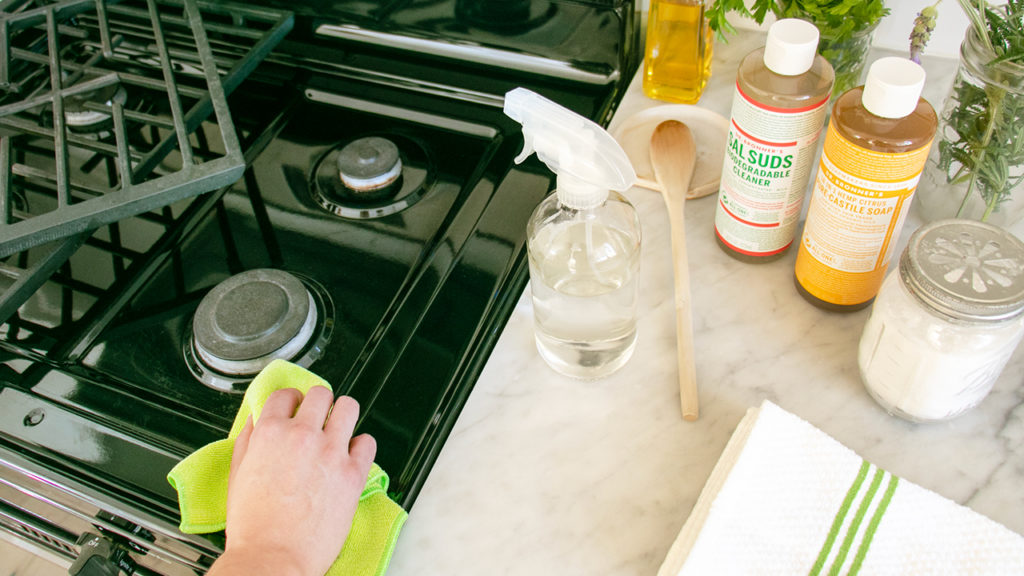
- Mix equal parts vinegar and water in a spray bottle.
- Spray the mixture on the stove surface and let it sit for 5 minutes.
- Sprinkle baking soda over the wet surface.
- Use a soft cloth or sponge to scrub gently in circles.
- Wipe clean with a damp cloth and dry with a towel.
Dealing With Stubborn Stains
Some stains need stronger cleaning. Use these steps to remove burnt food or sticky marks safely.
| Type of Stain | Cleaning Method | Tools Needed |
| Burnt Food | Soak with warm soapy water, then scrape gently. | Soft scraper, sponge |
| Sticky Residue | Apply vinegar and baking soda paste, let sit, then wipe. | Cloth, baking soda, vinegar |
| Oil Grease | Use dish soap and warm water to break grease. | Dish soap, sponge |
Cleaning The Control Panel
The control panel needs gentle cleaning to avoid damage. Use soft materials and avoid excess water.
Follow these tips for control panel care:
- Turn off the stove and unplug it before cleaning.
- Use a soft, damp microfiber cloth to wipe the panel.
- Do not spray liquids directly on the panel.
- Dry the panel with a clean, dry cloth after wiping.
Credit: www.lisabronner.com
Preventing Damage
Cleaning your kitchen induction stove carefully helps keep it safe. Proper care stops damage and keeps it working well.
Using the right cleaning habits protects the stove’s surface. Avoid harsh tools and chemicals that can harm it.
Avoiding Scratches
Scratches can ruin the smooth surface of your induction stove. Use soft cloths or sponges when cleaning to protect it.
Never use steel wool or rough scrubbers. These can leave marks that affect stove performance and look.
- Use microfiber cloths for wiping
- Choose non-abrasive cleaning pads
- Lift cookware instead of sliding it
Proper Cookware Usage
Use cookware made for induction stoves only. The right pots and pans help avoid damage and improve heating.
Cookware with rough or uneven bottoms can scratch the stove. Check the base before placing it on the surface.
- Choose flat-bottomed pots and pans
- Use magnetic materials like stainless steel or cast iron
- Avoid glass or ceramic cookware not made for induction
Handling Spills Safely
Clean spills quickly to stop stains and damage. Turn off the stove before wiping to stay safe.
Use a soft cloth and warm water for spills. Avoid harsh chemicals that can harm the stove’s surface.
- Turn off stove and let it cool
- Wipe spills gently with damp cloth
- Use mild detergent if needed
- Dry the surface completely after cleaning
Maintaining A Sparkling Shine
Cleaning your kitchen induction stove keeps it safe and shiny. A clean stove lasts longer and looks great.
Use simple steps to clean and polish your stove regularly. This helps maintain its smooth surface.
Polishing Tips
Use a soft cloth to polish the stove after cleaning. Avoid using rough materials that can scratch the surface.
Try a small amount of stove cleaner or a mix of water and vinegar for a nice shine. Wipe in circles for best results.
- Use microfiber cloths to avoid scratches
- Apply polish with gentle, circular motions
- Remove polish residue with a clean, dry cloth
Regular Maintenance Schedule
Clean your stove after each use to stop stains from building up. Quick cleaning saves time and effort later.
Check the stove weekly for spills or spots. Wipe spills immediately to keep the surface smooth and shiny.
- Wipe the stove surface after cooking
- Clean spills right away to avoid stains
- Deep clean the stove once a week
Storing Cleaning Supplies
Keep your cleaning supplies close to your kitchen for easy access. Store them in a dry, safe place.
Use containers or bins to organize cleaning cloths, sprays, and polish. This keeps everything tidy and ready to use.
- Store cloths and sponges in a dry spot
- Keep cleaning sprays in a cool, safe place
- Organize supplies in a box or basket
Credit: www.elica.com
Frequently Asked Questions
How Often Should I Clean My Induction Stove?
Clean your induction stove after every use to prevent buildup. Weekly deep cleaning removes stubborn stains and maintains efficiency. Regular care extends the stove’s lifespan and keeps it looking new.
What Materials Are Safe To Clean Induction Stoves?
Use a soft cloth or sponge with mild detergent. Avoid abrasive pads or harsh chemicals, as they can scratch the glass surface. Always use non-abrasive cleaners designed for induction cooktops.
Can Vinegar Be Used To Clean Induction Stove Tops?
Yes, vinegar effectively removes grease and water spots. Mix equal parts vinegar and water, spray, and wipe with a soft cloth. It’s a natural, safe cleaner for induction stoves.
How Do I Remove Tough Stains From The Induction Stove?
Apply a paste of baking soda and water on stains. Let it sit for 10 minutes, then gently scrub with a soft cloth. Rinse and dry to restore the stove’s shine.
Conclusion
Cleaning your kitchen induction stove keeps it working well and looking nice. Use soft cloths and mild cleaners to avoid scratches. Wipe spills quickly to stop stains and damage. Regular care saves time and effort later. A clean stove makes cooking safer and more pleasant.
Keep these easy steps in mind for daily maintenance. Your kitchen will stay fresh and inviting every day. Simple habits make a big difference over time.