Knowing how to clean cutting board after raw meat is essential for keeping your kitchen safe and sanitary. When you prepare a delicious meal, your cutting board plays a crucial role—especially when handling raw meat. But once you're done, cleaning it thoroughly is vital to prevent harmful bacteria from spreading.
Have you ever wondered if you're doing it right? Your kitchen's safety and your family's health depend on it. Imagine the peace of mind you'll feel knowing your cutting board is spotless and germ-free. In this guide, you'll discover effective and simple methods to clean your cutting board after using it for raw meat.
With these tips, you can ensure your kitchen remains a safe haven for creating your culinary masterpieces. Let's dive in and make sure every meal starts with a clean slate!
Risks Of Raw Meat Contamination
Raw meat can carry harmful bacteria. These germs can spread to your cutting board and other foods.
Cleaning your cutting board well is important. It stops bacteria from causing illness.
Common Bacteria On Cutting Boards
Cutting boards often have bacteria from raw meat. These germs can grow and spread if not cleaned.
- Salmonella:Causes food poisoning with diarrhea and fever.
- E. coli:Can lead to severe stomach cramps and vomiting.
- Campylobacter:Causes diarrhea and stomach pain.
- Staphylococcus aureus:Produces toxins that cause food poisoning.
Health Hazards From Poor Cleaning
Not cleaning cutting boards properly can make bacteria grow. This can cause serious health problems.
| Health Risk | Symptoms | Cause |
| Food Poisoning | Nausea, vomiting, diarrhea | Bacteria from raw meat |
| Cross-contamination | Illness from other foods | Unclean cutting board |
| Infections | Fever, stomach cramps | Bacterial growth |
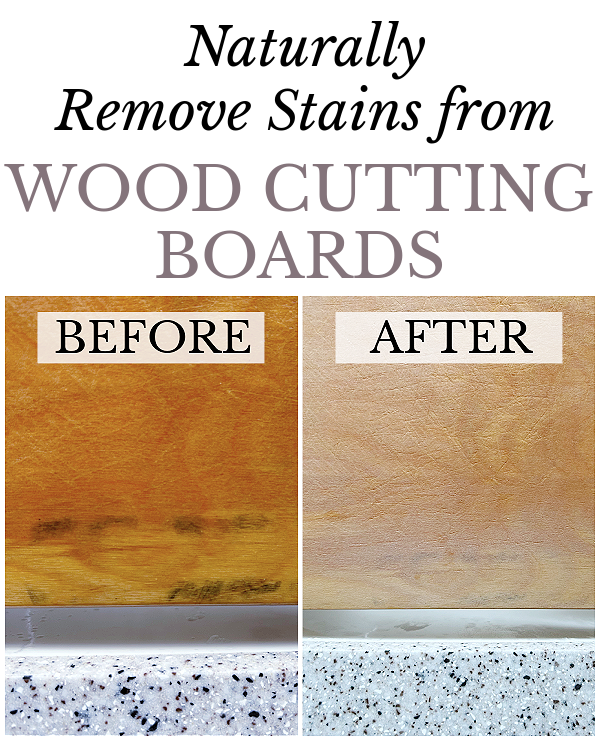
Credit: www.lemonslavenderandlaundry.com
Choosing The Right Cutting Board
Choosing the right cutting board helps keep your kitchen clean and safe. It also makes cleaning easier after cutting raw meat.
Two common types of cutting boards are wood and plastic. Each has pros and cons for use with raw meat.
Wood Vs Plastic Boards
Wood boards are durable and gentle on knives. Plastic boards are lightweight and easy to clean in a dishwasher.
- Wood boards absorb juices less if properly oiled
- Plastic boards can show knife marks that may trap bacteria
- Plastic boards are usually dishwasher safe
- Wood boards need hand washing and drying to avoid warping
Boards Resistant To Bacteria
Some cutting boards resist bacteria better than others. Choosing the right material helps reduce germs after cutting raw meat.
| Board Type | Resistance to Bacteria | Cleaning Method |
| Wood | High if maintained well | Hand wash with hot soapy water, dry immediately |
| Plastic | Moderate; knife cuts can trap bacteria | Dishwasher safe, or wash with hot soapy water |
Pre-cleaning Steps
Cleaning a cutting board after raw meat use is important. It helps stop germs from spreading.
Start with pre-cleaning steps to remove meat bits and juices. This makes washing easier and safer.
Scraping Off Meat Residue
Use a bench scraper or spatula to remove meat pieces. Do this carefully to avoid pushing meat deeper into the board.
- Hold the board steady on the counter.
- Scrape all visible meat off the surface.
- Dispose of the scraps in the trash.
- Repeat if needed to clear all residues.
Rinsing With Cold Water
Rinse the board under cold running water. Cold water helps prevent meat juices from soaking in.
| Water Temperature | Why Use It |
| Cold | Stops meat juices from cooking into the board |
| Warm | Can make meat juices stick more |
| Hot | Good for later cleaning but not first rinse |
Effective Cleaning Methods
Cleaning your cutting board after using raw meat is very important. It helps stop germs and keeps your kitchen safe.
Use strong cleaning methods to remove bacteria and food stains from the board.
Soap And Hot Water Wash
Start by washing the cutting board with soap and hot water. This removes meat juices and dirt.
Scrub the surface well using a brush or sponge. Hot water helps kill many germs.
- Use dish soap and hot water
- Scrub all sides of the board
- Rinse thoroughly with hot water
- Dry the board with a clean towel or air dry
Using Vinegar And Baking Soda
Vinegar and baking soda can clean and deodorize your cutting board. They help remove stains and bacteria.
First, sprinkle baking soda on the board. Then spray or pour vinegar over it. Let it bubble for a few minutes.
- Sprinkle baking soda on the board
- Pour or spray vinegar on top
- Let it sit for 5 to 10 minutes
- Scrub and rinse with water
- Dry well before use
Disinfecting With Bleach Solution
Use a bleach solution to kill tough bacteria on your cutting board. This is a strong disinfecting step.
Mix one tablespoon of bleach with one gallon of water. Soak or wipe the board with this solution for a few minutes.
- Prepare bleach solution: 1 tablespoon bleach + 1 gallon water
- Apply solution to the cutting board
- Let it sit for 2 to 5 minutes
- Rinse the board with clean water
- Dry completely before storing
Sanitizing Techniques
Cleaning your cutting board after raw meat use is important. It stops bacteria from spreading.
Using safe sanitizing methods keeps your kitchen healthy. Two easy ways are hydrogen peroxide and lemon juice.
Hydrogen Peroxide Application
Hydrogen peroxide kills germs fast. It works well on cutting boards to remove bacteria from raw meat.
- Rinse the cutting board with hot water.
- Pour 3% hydrogen peroxide over the surface.
- Spread it evenly using a clean cloth or sponge.
- Let it sit for 5 minutes to kill bacteria.
- Rinse with hot water and dry with a clean towel.
Using Lemon Juice For Freshness
Lemon juice acts as a natural cleaner and deodorizer. It adds a fresh scent while sanitizing your board.
| Step | Action |
| 1 | Cut a fresh lemon in half. |
| 2 | Rub the lemon over the cutting board surface. |
| 3 | Let the juice sit for 5 minutes. |
| 4 | Rinse with warm water. |
| 5 | Dry the board completely with a clean cloth. |
Drying And Storage Tips
Cleaning a cutting board after raw meat is very important. Drying and storing it well keeps it safe to use next time.
Proper drying stops germs from growing. Good storage keeps the board clean and in good shape.
Air Drying Vs Towel Drying
Air drying lets the cutting board dry naturally. It helps stop moisture that causes bacteria.
Towel drying is faster but can leave small wet spots. Using a clean towel is very important to avoid germs.
- Air drying prevents moisture buildup
- Towel drying needs a clean, dry cloth
- Air drying takes more time than towel drying
- Towel drying is good for quick use
Proper Cutting Board Storage
Store your cutting board in a dry place. Keep it upright to let air reach all sides.
Avoid stacking wet boards. This keeps mold and bacteria away and stops warping.
- Keep boards in a dry, clean area
- Store boards upright to air out
- Do not stack boards when wet
- Check boards regularly for cracks or damage
Maintaining Cutting Board Hygiene
Cleaning your cutting board after using raw meat keeps your kitchen safe. It helps stop bacteria from spreading.
Proper care of your cutting board extends its life. It also protects your family from foodborne illnesses.
Regular Deep Cleaning Schedule
Clean your cutting board deeply after every use with raw meat. Use hot, soapy water first. Rinse it well.
Next, sanitize the board to kill harmful germs. You can use a bleach solution or white vinegar spray. Let it sit for several minutes. Rinse again with clean water.
- Wash with hot, soapy water
- Rinse thoroughly
- Sanitize with bleach or vinegar
- Let dry completely in air
- Store in a clean, dry place
Replacing Worn Out Boards
Check your cutting board often for deep cuts or cracks. These spots can hide bacteria even after cleaning.
| Condition | Action |
| Small scratches | Sand lightly and clean |
| Deep grooves or cracks | Replace the board |
| Warped or split board | Discard immediately |
Replace boards made of plastic or wood that show damage. Using new boards helps keep your kitchen safe.
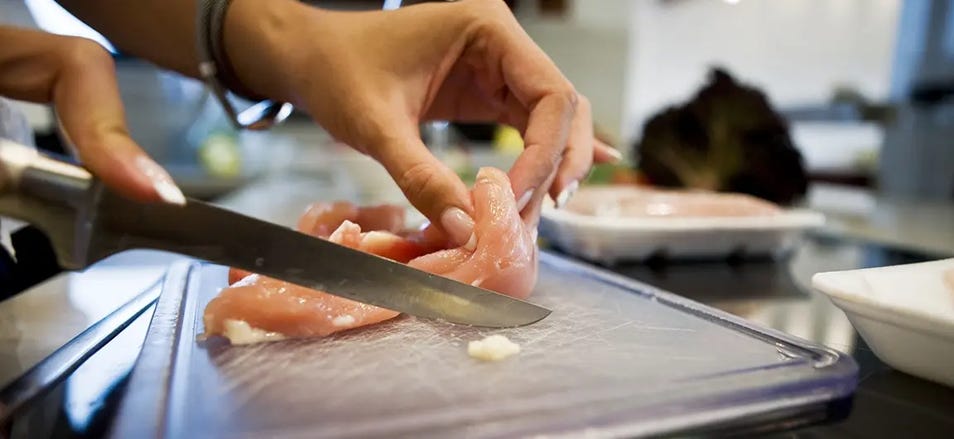
Credit: www.lysol.com
Additional Safety Tips
Keeping your kitchen safe helps prevent food poisoning. Cleaning cutting boards after raw meat is very important.
Use extra safety steps to stop germs from spreading in your kitchen.
Separate Boards For Meat And Produce
Use different cutting boards for raw meat and fresh fruits or vegetables. This stops bacteria from raw meat touching other foods.
- Label one board for meat only
- Label another board for fruits and vegetables
- Wash boards with hot soapy water after use
- Replace boards that are very scratched or worn
Using Gloves When Handling Raw Meat
Wearing gloves keeps your hands clean and lowers the chance of spreading germs from raw meat.
| Tip | Reason |
| Wear disposable gloves | Protects hands from bacteria |
| Change gloves between tasks | Stops cross-contamination |
| Wash hands after removing gloves | Keeps hands fully clean |

Credit: www.plasticchoppingboards.co.uk
Frequently Asked Questions
How Do I Disinfect A Cutting Board After Raw Meat?
Clean with hot, soapy water immediately after use. Then, disinfect using a solution of 1 tablespoon bleach per gallon of water. Rinse thoroughly and air dry. This kills harmful bacteria and prevents cross-contamination effectively.
Can Vinegar Clean Cutting Boards After Raw Meat?
Yes, white vinegar is a natural disinfectant. Spray or wipe the board with vinegar, let it sit for a few minutes, then rinse. Vinegar helps remove bacteria and odors safely without harsh chemicals.
Is Baking Soda Effective For Cleaning Cutting Boards?
Baking soda removes stains and neutralizes odors on cutting boards. Sprinkle it on the surface, scrub gently with a damp cloth, then rinse well. It’s a gentle, non-toxic cleaner that complements vinegar or lemon juice.
How Often Should I Sanitize My Cutting Board?
Sanitize after every use with raw meat to prevent bacterial growth. Regular cleaning plus weekly deep sanitizing ensures food safety and maintains the board’s condition.
Conclusion
Cleaning your cutting board after raw meat keeps your kitchen safe. Use hot water and soap to wash it well. Scrub hard to remove all meat bits. Rinse with clean water, then dry fully. You can also use vinegar or baking soda sometimes.
This stops germs from growing. Clean boards help avoid food sickness. Keep this habit every time you cook meat. Safe food means healthy family and happy meals. Simple steps make a big difference in your kitchen.