If you love cooking with a cast iron skillet, you know how important its seasoning is. But cleaning it can be tricky—too harsh, and you risk ruining that perfect non-stick surface you’ve worked hard to build.
What if you could clean your skillet thoroughly without stripping away its seasoning? You’ll discover simple, effective ways to keep your cast iron skillet spotless and ready for your next meal, all while protecting that valuable seasoning layer. Keep reading to learn how to care for your skillet like a pro.

Credit: www.reddit.com
Why Preserve Seasoning
Cleaning a cast iron skillet without removing its seasoning is very important. The seasoning protects the pan and makes cooking easier.
Removing seasoning can damage the skillet and make food stick. Knowing why to keep the seasoning helps you clean properly.
Role Of Seasoning In Cast Iron
Seasoning is a layer of baked oil on the cast iron surface. It creates a natural, non-stick coating for cooking.
This layer also stops rust from forming. It helps the skillet last for many years with good care.
- Prevents food from sticking
- Protects the pan from rust
- Makes cleaning easier
- Improves flavor with use
Risks Of Removing Seasoning
Removing seasoning can cause the skillet to rust quickly. The bare iron is very sensitive to water and air.
Without seasoning, food will stick more and cleaning will be harder. You will need to re-season the skillet often.
- Rust forms on unprotected iron
- Food sticks and burns easily
- Cleaning becomes difficult
- Needs frequent re-seasoning

Credit: www.reddit.com
Basic Cleaning Supplies
Cleaning a cast iron skillet without removing its seasoning needs care. Using the right supplies helps keep the skillet safe and clean.
Choose gentle tools and safe cleaning agents. This will protect the skillet’s surface and seasoning layer.
Recommended Tools
Use simple tools that clean well without scratching. Soft scrubbers and cloths work best.
- Non-metal scrub brush or sponge
- Soft cotton or microfiber cloth
- Plastic scraper for stuck food
- Paper towels for drying
Safe Cleaning Agents
Select mild cleaning agents that do not strip the seasoning. Avoid harsh detergents or soaps.
| Cleaning Agent | Purpose |
| Warm water | Loosens food particles |
| Mild dish soap (optional) | Light cleaning without damage |
| Coarse salt | Acts as a natural scrub |
| Vinegar diluted (rare use) | Removes tough stains gently |
Step-by-step Cleaning Process
Cleaning a cast iron skillet carefully keeps its seasoning intact. This process removes food and oils without harming the pan’s surface. Follow these simple steps to clean your skillet safely.
Use gentle methods that protect the seasoning. Avoid harsh soaps or scrubbing tools that strip the coating. This guide helps you keep your skillet ready for cooking.
Removing Food Residue
Start by removing leftover food bits stuck on the skillet. Use a tool that will not damage the seasoning layer.
- Let the skillet cool after cooking.
- Use a plastic scraper or spatula to lift stuck food.
- Rinse the pan with warm water to loosen residue.
- For tough spots, scrub gently with a soft brush or non-abrasive sponge.
Washing Without Soap
Soap can remove the seasoning on cast iron. Clean the skillet using water and simple tools only.
| Cleaning Method | How to Do It |
|---|---|
| Warm Water Rinse | Rinse the skillet under warm water to wash away loose food. |
| Salt Scrub | Use coarse salt and a cloth to scrub the pan gently. |
| Soft Brush | Brush away stuck particles using a soft-bristled brush. |
Drying Techniques
Proper drying stops rust and keeps the seasoning strong. Use heat and oil to finish the process.
- Wipe the skillet with a clean towel to remove water.
- Place the pan on low heat for a few minutes to dry fully.
- Apply a thin layer of cooking oil over the surface while warm.
- Let the oil soak in before storing the skillet.
Handling Stubborn Stains
Cleaning a cast iron skillet without removing its seasoning can be tricky. Stubborn stains need careful cleaning to keep the skillet’s surface.
Using gentle methods will help you remove stains while protecting the seasoning layer. Here are two effective ways.
Using Salt Scrubs
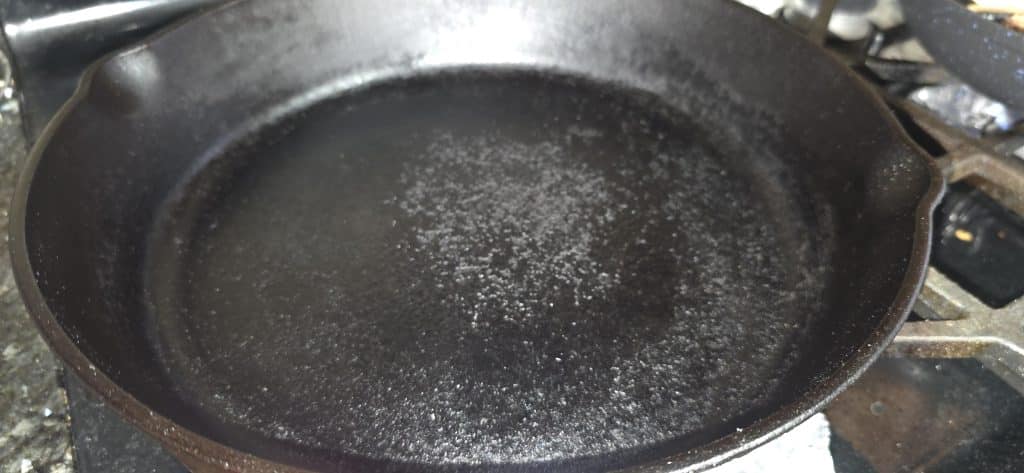
Coarse salt works as a natural scrub that removes stuck-on food and stains. It is rough enough to clean but gentle on the seasoning.
Sprinkle a good amount of coarse salt into the skillet. Use a soft cloth or paper towel to scrub the surface in circular motions.
- Pour coarse salt into the skillet
- Scrub gently with a cloth or paper towel
- Rinse with warm water
- Dry the skillet thoroughly
Boiling Water Method
Boiling water loosens stuck food and stains without harming the seasoning. This method uses heat and water to soften residue.
Fill the skillet with water and bring it to a boil on the stove. Let the water boil for a few minutes, then use a wooden spoon to scrape off loosened bits.
- Fill skillet with water
- Boil water for several minutes
- Scrape residue with a wooden spoon
- Pour out water and dry skillet
Maintaining Seasoning After Cleaning
Cleaning your cast iron skillet without removing its seasoning is important. Proper care keeps the skillet non-stick and rust-free.
After washing, you should take steps to protect the seasoning layer. This guide covers how to apply oil and store the skillet correctly.
Applying Oil
Applying a thin layer of oil after cleaning helps keep the seasoning strong. Use oils with a high smoke point for the best results.
- Dry the skillet completely with a towel or on low heat.
- Pour a small amount of oil on the skillet surface.
- Use a paper towel to spread the oil evenly over the entire skillet.
- Remove any excess oil to avoid a sticky surface.
- Heat the skillet on the stove or in the oven for a few minutes to set the oil.
Proper Storage Tips
Storing your cast iron skillet properly prevents moisture buildup and preserves seasoning. Keep it dry and ventilated.
| Storage Method | Benefit |
|---|---|
| Store in a dry place | Prevents rust formation |
| Place a paper towel inside | Absorbs moisture |
| Stack skillets with a cloth between | Protects seasoning from scratches |
| Avoid airtight containers | Allows airflow to keep skillet dry |

Credit: www.yahoo.com
Common Mistakes To Avoid
Cleaning a cast iron skillet without ruining the seasoning is important. Many people make mistakes that damage the skillet’s surface.
Knowing what to avoid helps keep the skillet non-stick and rust-free. Let’s look at some common errors.
Using Harsh Detergents
Harsh detergents can strip the seasoning from your cast iron skillet. The seasoning is a layer of oil baked into the pan.
Using strong soaps removes this layer and leaves the skillet prone to rust and sticking.
- Avoid dish soaps with strong chemicals.
- Use mild soap or just hot water for cleaning.
- If needed, scrub gently with a soft brush or sponge.
Soaking In Water Too Long
Leaving your cast iron skillet in water for a long time can cause rust. The metal absorbs water and starts to corrode.
Soaking also weakens the seasoning, making the pan less non-stick over time.
- Do not soak your skillet after cooking.
- Clean it quickly with warm water and a brush.
- Dry it thoroughly right after washing.
Frequently Asked Questions
How Do I Clean Cast Iron Without Losing Seasoning?
Use hot water and a soft brush to clean your skillet. Avoid soap and harsh scrubbing. Dry immediately and apply a thin oil layer to preserve seasoning.
Can I Use Soap On A Seasoned Cast Iron Skillet?
Avoid soap as it can strip the seasoning layer. Instead, use hot water and gentle scrubbing. If soap is necessary, apply oil and re-season afterward to maintain the skillet’s non-stick surface.
What’s The Best Way To Remove Stuck Food Safely?
Soak the skillet in hot water for a few minutes. Use a plastic scraper or brush to gently remove stuck food. Avoid metal scrubbers to protect the seasoning layer.
How Often Should I Re-season My Cast Iron Skillet?
Re-season your skillet when food starts sticking or the surface looks dull. Regular oiling after each use helps maintain seasoning and prevents rust.
Conclusion
Cleaning a cast iron skillet is simple. Preserve that precious seasoning. Use hot water and a gentle scrub. No soap needed. Dry it thoroughly to prevent rust. Apply a thin layer of oil. Your skillet stays non-stick and ready. Regular care keeps it in top shape.
Enjoy your cooking experience with well-maintained cookware. Cast iron skillets can last a lifetime. Just remember these easy steps. Cooking becomes more enjoyable with the right tools. Keep your skillet seasoned. Happy cooking!