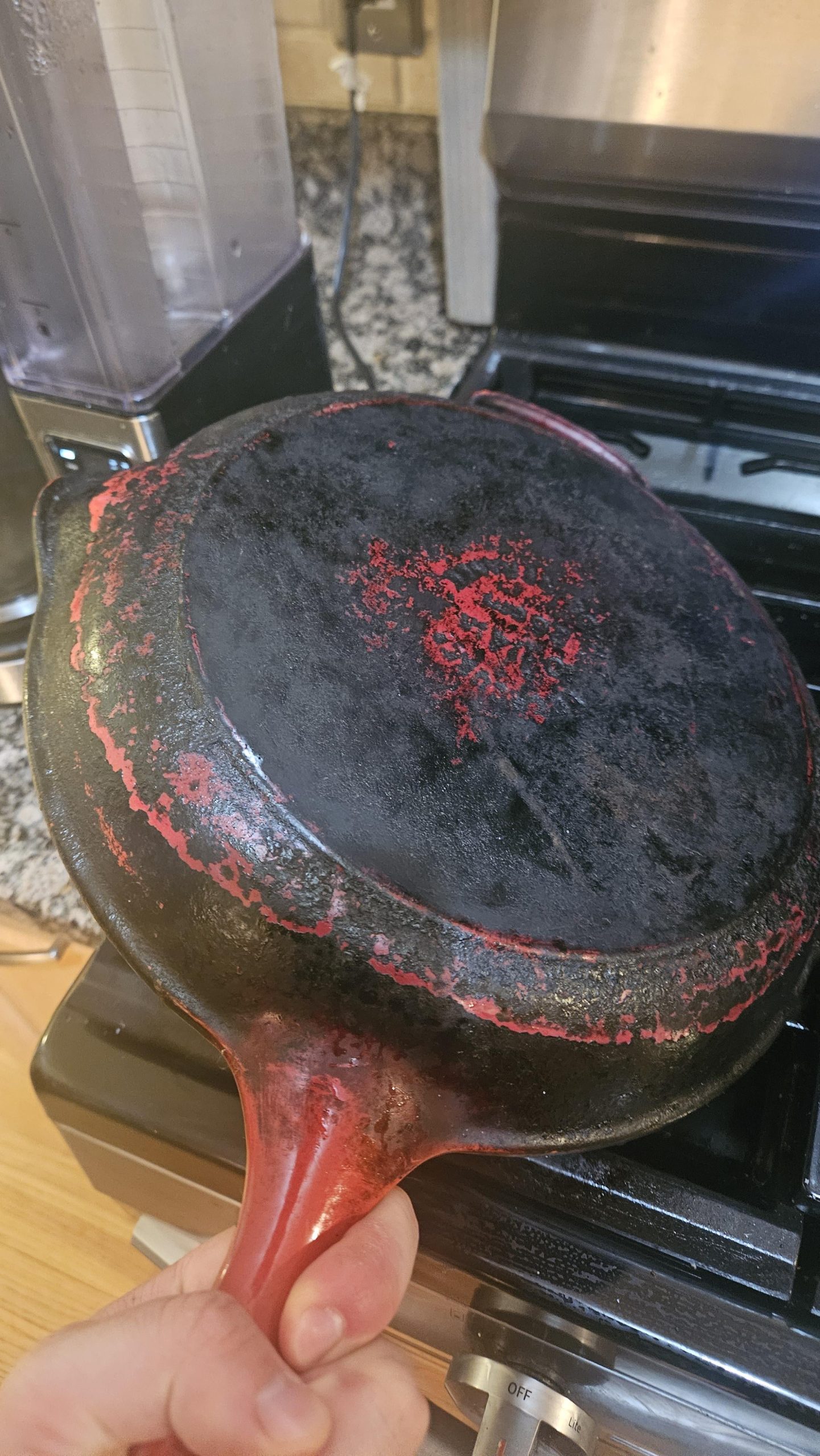
If you've ever cooked with a cast iron skillet, you know just how amazing they are at bringing out flavors and creating that perfect sear. But keeping them in top condition?
That can be a bit daunting, especially when they start showing signs of rust or stubborn residue. What if we told you there's a simple, effective way to clean your beloved skillet using something you probably already have in your pantry—vinegar?
Yes, it's that easy! This guide will show you exactly how to use vinegar to restore your cast iron skillet to its gleaming glory. Imagine the satisfaction of seeing your skillet look almost brand new and knowing you did it yourself. Curious? Let’s dive in and get your skillet shining again!
Benefits Of Using Vinegar
Cleaning cast iron skillets with vinegar is a smart choice. Vinegar helps remove rust and grime without damage.
This natural cleaner is easy to find and safe to use on your cookware.
Natural Cleaning Properties
Vinegar contains acetic acid, which breaks down rust and stuck-on food. It cleans without harsh chemicals.
- Removes rust effectively
- Breaks down grease and stains
- Leaves the skillet clean and fresh
Safe For Cast Iron
Vinegar is gentle enough for cast iron when used correctly. It won’t strip away the seasoning if you rinse well.
| Cleaning Agent | Effect on Cast Iron | Notes |
| Vinegar | Safe with rinsing | Use diluted vinegar for best results |
| Bleach | Damages seasoning | Not recommended |
| Harsh Detergents | Can dry out skillet | Avoid frequent use |
Cost-effective Solution
Vinegar is inexpensive and widely available. You only need a small amount to clean your skillet well.
- Affordable compared to specialized cleaners
- Easy to store in your kitchen
- Multi-purpose use beyond cleaning cast iron
Credit: www.carawayhome.com
Preparing Your Skillet
Cleaning a cast iron skillet with vinegar starts with proper preparation. Getting your skillet ready makes the cleaning process easier and safer.
Focus on removing food stuck on the surface and cooling down the skillet before applying vinegar.
Remove Food Residue
First, clear any food bits left on your skillet. Removing residue helps vinegar clean better without damaging the pan.
- Use a spatula or scraper to loosen stuck food.
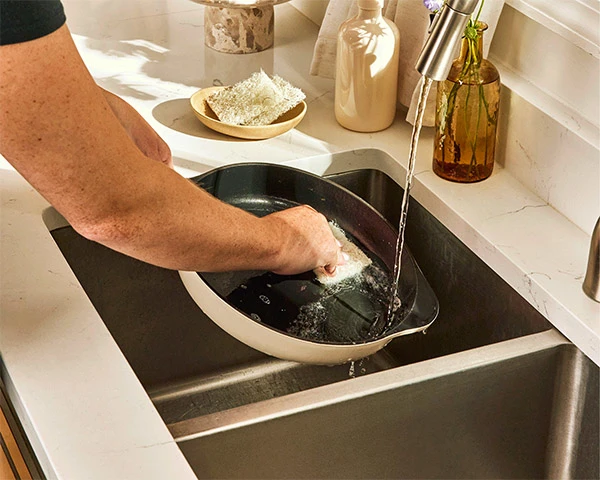
- Rinse the skillet with warm water to wash away loose particles.
- Avoid using soap as it can strip the skillet’s seasoning.
- If residue is tough, scrub gently with a brush or coarse salt.
Cool Down The Skillet
Never pour vinegar on a hot cast iron skillet. Let the skillet cool to room temperature first.
| Reason | Explanation |
|---|---|
| Prevent Damage | Hot metal reacts strongly with vinegar and can ruin the surface. |
| Safety | Pouring vinegar on hot skillet may cause splashing or fumes. |
| Better Cleaning | Vinegar works well on cool metal without causing harm. |
Vinegar Cleaning Methods
Cleaning a cast iron skillet with vinegar is simple and effective. Vinegar removes rust and grime without damaging the pan.
There are different ways to use vinegar for cleaning. Choose the best method based on how dirty your skillet is.
Soaking Technique
Fill a container with equal parts water and white vinegar. Submerge the skillet in the solution. Let it soak for 1 to 2 hours.
After soaking, scrub the skillet with a brush or sponge. Rinse well with water and dry it completely. This method is good for heavy rust.
Spray And Wipe Method
Pour vinegar into a spray bottle. Spray the vinegar evenly on the skillet's surface. Let it sit for 5 to 10 minutes.
Use a clean cloth or sponge to wipe off rust and stains. Rinse the pan with water and dry it well. This method works for light rust or quick cleaning.
Scrubbing With Vinegar
Mix vinegar and water in a small bowl. Dip a scrub brush or steel wool into the mixture. Scrub the skillet surface in circular motions.
- Use moderate pressure to avoid scratching
- Focus on rusty or stained spots
- Rinse thoroughly after scrubbing
- Dry the skillet immediately to prevent new rust
Rinsing And Drying Tips
Cleaning a cast iron skillet with vinegar requires careful rinsing and drying. Proper steps help keep your skillet safe and lasting long.
After using vinegar, removing all residues and drying the skillet fully is very important. This stops damage and rust.
Thorough Vinegar Removal
Vinegar can leave a strong smell and taste if not rinsed well. You must remove all traces before drying your skillet.
- Rinse the skillet under warm water for at least one minute.
- Use a soft brush or sponge to scrub any vinegar spots gently.
- Repeat rinsing if the vinegar smell remains.
- Wipe the skillet with a clean cloth to remove extra moisture.
Preventing Rust
Drying a cast iron skillet correctly stops rust from forming. Cast iron is prone to rust if water stays on its surface.
| Drying Method | Benefits |
| Air Dry | Easy but slow and risky for rust |
| Towel Dry | Quick moisture removal, safer for cast iron |
| Heat Dry | Use stove to evaporate all water fast |
After rinsing, dry your skillet with a towel, then heat it on low flame for a few minutes. This burns off any leftover moisture.
Seasoning After Cleaning
Cleaning a cast iron skillet with vinegar removes rust and grime. After cleaning, seasoning is key to protect the skillet.
Seasoning adds a layer of oil that stops rust and keeps food from sticking. This helps your skillet last longer.
Why Seasoning Matters
Seasoning creates a natural non-stick surface on your skillet. It also protects the metal from moisture and rust.
Without seasoning, the skillet can rust quickly and food will stick during cooking. Seasoning keeps the skillet smooth.
Step-by-step Seasoning Process
Start by drying the skillet completely after cleaning. Any water left can cause rust during seasoning.
- Apply a thin layer of cooking oil all over the skillet, inside and out.
- Use an oil with a high smoke point like vegetable or flaxseed oil.
- Place the skillet upside down in a preheated oven at 375°F (190°C).
- Put a sheet of foil below to catch drips.
- Bake the skillet for 1 hour.
- Turn off the oven and let the skillet cool inside.
- Repeat the oiling and baking if you want a stronger coating.
Common Mistakes To Avoid
Cleaning a cast iron skillet with vinegar is effective but needs care. Avoiding common mistakes keeps your skillet in good shape.
These errors can cause damage or reduce the skillet's lifespan. Learn what to watch out for when using vinegar.
Over-soaking Risks
Leaving your skillet in vinegar for too long can harm the surface. Vinegar is acidic and may strip the seasoning.
Soaking longer than 10 minutes can cause rust or pitting on the metal.
- Limit soaking to under 10 minutes
- Rinse immediately after soaking
- Dry and re-season the skillet right away
Using Harsh Chemicals
Avoid using strong cleaners like bleach or ammonia with vinegar. These chemicals can damage the skillet's seasoning.
Stick to mild soap or just vinegar and water for cleaning.
- Harsh chemicals remove protective coating
- They can cause corrosion on cast iron
- Mild cleaners keep the skillet safe
Ignoring Drying Steps
Not drying your skillet well after cleaning can cause rust. Cast iron holds moisture, which leads to damage.
Always dry your skillet completely and apply oil to keep it protected.
- Use a towel or heat to dry the skillet
- Apply a thin layer of oil after drying
- Store in a dry place to avoid rust
Alternative Cleaning Options
Cleaning a cast iron skillet with vinegar is effective. Some people want other ways to clean their skillets. Here are some safe alternatives to try.
These options help remove stuck-on food and keep your skillet in good shape.
Salt Scrub Method
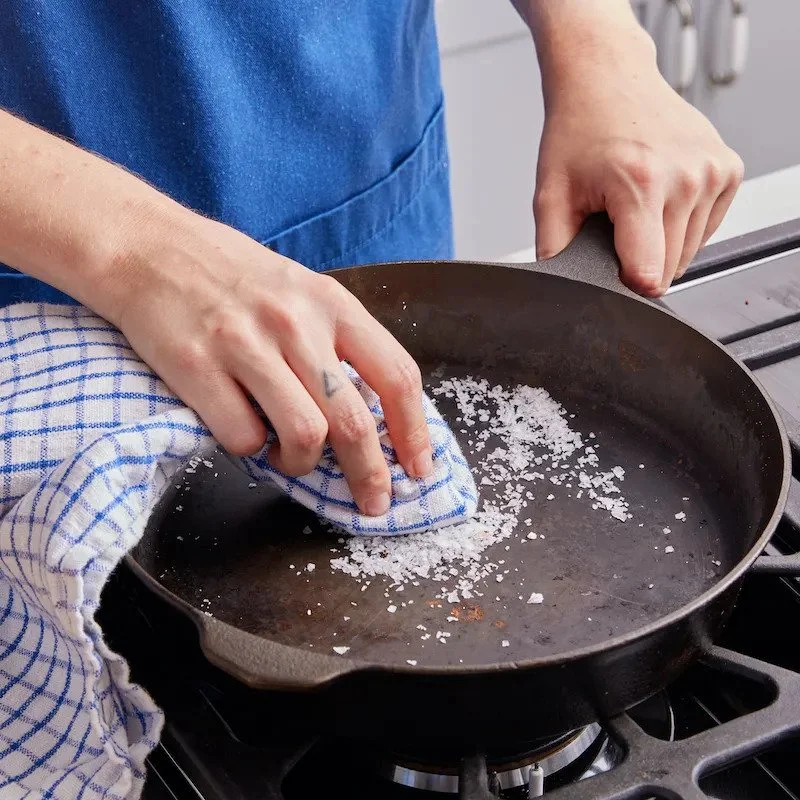
Coarse salt works as a gentle scrub for your skillet. It removes food without hurting the surface.
To use, sprinkle salt inside the skillet. Add a little warm water to make a paste. Rub with a cloth or sponge, then rinse and dry.
- Use coarse kosher salt or sea salt
- Rinse thoroughly after scrubbing
- Dry the skillet immediately to prevent rust
Baking Soda Paste
Baking soda is a mild cleaner that removes stains and odors. It is safe for cast iron and easy to use.
Mix baking soda with water until you get a thick paste. Spread it on tough spots. Let it sit for 10 minutes, then scrub gently. Rinse and dry well.
- Use a soft brush or sponge to scrub
- Do not soak the skillet for a long time
- Always dry the skillet after cleaning
Commercial Cleaners
Some commercial cleaners are made for cast iron. They can remove rust and stuck food safely.
Follow the product instructions carefully. Usually, you apply the cleaner, scrub lightly, rinse, and dry the skillet.
- Choose cleaners labeled safe for cast iron
- Test on a small area first
- Season the skillet after cleaning to protect it

Credit: www.procook.co.uk
Credit: blog.blueapron.com
Frequently Asked Questions
How Does Vinegar Clean A Cast Iron Skillet?
Vinegar breaks down rust and mineral buildup effectively. It dissolves surface impurities without damaging the skillet’s seasoning. This makes it ideal for restoring cast iron while preserving its non-stick surface and durability.
Can I Use Vinegar Daily On Cast Iron?
No, using vinegar daily can wear down the skillet’s seasoning. Use vinegar only for occasional deep cleaning or rust removal. Regular washing with mild soap and water is better for everyday maintenance.
What Is The Best Vinegar Type For Cleaning Cast Iron?
White distilled vinegar is the best choice. It is acidic enough to remove rust and grime without leaving residues. Avoid flavored or colored vinegars, as they can stain or damage the skillet.
How Long Should Cast Iron Soak In Vinegar?
Soak the cast iron for 5 to 10 minutes. Longer soaking may harm the skillet’s seasoning. After soaking, scrub gently and rinse thoroughly for best results.
Conclusion
Cleaning your cast iron skillet with vinegar keeps it rust-free and ready to use. Vinegar helps remove tough stains without harming the pan. Always rinse well and dry your skillet after cleaning. Remember to re-season your skillet to protect its surface.
This simple method saves time and keeps your skillet in great shape. Try it next time your pan looks dull or rusty. A clean skillet means better cooking and longer use. Easy, safe, and effective—vinegar is a great tool for cast iron care.