Imagine this: You’re pulling out your latest baking masterpiece from the oven, and instead of a sweet triumph, you’re met with the stubborn remnants of burnt sugar clinging to your baking pan. Frustrating, right?
But before you resign yourself to endless scrubbing or, worse, tossing the pan altogether, there’s hope. Cleaning burnt sugar from a baking pan might seem daunting, but it doesn’t have to be. In this guide, you’ll discover simple, effective techniques that make this task a breeze.
Say goodbye to the stress and hello to a sparkling clean pan, ready for your next culinary creation. Let’s dive into the secrets of restoring your pan to its former glory, without the hassle or worry. Keep reading to transform your baking clean-up routine for good!

Credit: www.youtube.com
Causes Of Burnt Sugar Stains
Burnt sugar stains are common after baking with sugar-based recipes. These stains can be hard to remove from baking pans.
Understanding why sugar burns helps prevent these tough stains. Common baking mistakes also play a big role in causing burnt sugar.
Why Sugar Burns Easily
Sugar burns easily because it melts and caramelizes at high heat. If the temperature is too high, sugar turns from caramel to burnt quickly.
- Sugar melts around 320°F (160°C)
- It caramelizes between 320°F and 350°F (160-175°C)
- Above 350°F (175°C), sugar burns fast
- Burnt sugar creates dark, sticky stains
Common Baking Mistakes
Many baking errors cause sugar to burn and stick to pans. Knowing these mistakes can help you bake cleaner.
| Common Mistake | Effect on Sugar | Resulting Issue |
| Using too high heat | Sugar burns quickly | Dark burnt stains |
| Not stirring sugar mixtures | Uneven heating | Hot spots cause burning |
| Leaving pan in oven too long | Sugar overcooks | Hard, stuck residue |
| Using wrong pan material | Heat distributes unevenly | Partial burning |

Credit: food52.com
Safety Tips Before Cleaning
Cleaning burnt sugar from a baking pan needs care. Safety should be your first priority.
Knowing how to handle hot pans and wear the right gear helps prevent injuries.
Handling Hot Pans
Always wait for the pan to cool before cleaning. Hot pans can cause burns and accidents.
If you must move a hot pan, use thick oven mitts and hold it firmly to avoid dropping it.
- Do not touch hot pans with bare hands.
- Place hot pans on heat-resistant surfaces.
- Keep children and pets away from the cleaning area.
Protective Gear
Wear gloves to protect your hands from heat and cleaning chemicals. Use gloves made for kitchen use.
Consider wearing safety glasses to stop splashes from cleaning solutions or sugar particles from reaching your eyes.
- Use heat-resistant oven mitts or gloves.
- Wear rubber gloves for chemical safety.
- Protect your eyes with safety glasses if needed.
Natural Cleaning Methods
Cleaning burnt sugar from a baking pan can be tough. Natural cleaning methods use simple ingredients found at home.
These methods help remove burnt sugar without harsh chemicals. They keep your pan safe and clean.
Using Baking Soda
Baking soda is a gentle abrasive that helps lift burnt sugar. It softens the residue for easy scrubbing.
Sprinkle baking soda over the burnt area. Add a little water to make a paste. Let it sit for 15-20 minutes.
- Use a sponge or cloth to scrub the paste gently.
- Rinse the pan with warm water.
- Repeat if needed for stubborn spots.
Vinegar And Water Solution
Vinegar breaks down burnt sugar and grease. Mixing it with water makes a safe cleaning liquid.
Fill the pan with equal parts vinegar and water. Heat it on the stove until it simmers. Let it cool before scrubbing.
- Use a soft brush to scrub the burnt sugar.
- Pour out the solution and rinse well.
- Repeat if some burnt sugar remains.
Lemon Juice Benefits
Lemon juice is acidic and helps dissolve burnt sugar. It also adds a fresh smell to your pan.
Pour lemon juice directly on burnt spots. Let it sit for 10-15 minutes. Use a sponge to scrub gently.
- Combine lemon juice with baking soda for tougher stains.
- Rinse the pan with warm water after cleaning.
- Lemon juice also helps remove odors.
Commercial Cleaners For Burnt Sugar
Cleaning burnt sugar from baking pans can be difficult. Commercial cleaners help remove tough stains fast. These products save time and effort.
There are different types of cleaners made for burnt sugar. Some work well in ovens. Others are made for pans. Choose the right cleaner for your needs.
Oven Cleaners
Oven cleaners are strong products designed to remove baked-on sugar and grease. They usually come in spray or gel form. These cleaners break down burnt sugar easily.
Use oven cleaners carefully. Follow the instructions on the label. Protect your hands and eyes while cleaning.
- Apply the cleaner on the burnt sugar areas
- Let it sit for the recommended time
- Scrub gently with a non-abrasive sponge
- Rinse the pan thoroughly with warm water
Specialized Pan Cleaners
Specialized pan cleaners target burnt sugar without harming the pan’s surface. These cleaners work well on non-stick and metal pans. They help keep your pans safe and clean.
Many specialized cleaners come as powders or liquids. They dissolve burnt sugar and make scrubbing easier.
- Apply the cleaner to the burnt area
- Let it soak if needed
- Use a soft brush or cloth to remove residue
- Wash the pan with warm water and soap
Step-by-step Cleaning Process
Burnt sugar can make your baking pan look bad and hard to clean. Removing it takes patience and the right steps. Following a simple cleaning process helps restore your pan.
This guide explains easy steps to clean burnt sugar from your baking pan. You will learn how to soak, scrub, rinse, and dry your pan properly.
Pre-soaking Tips
Start by soaking the pan to soften the burnt sugar. This makes scrubbing easier and protects the pan’s surface.
Use warm water and a gentle cleaner or baking soda. Let the pan soak for at least 30 minutes or overnight for tough stains.
- Fill the pan with warm water
- Add 2-3 tablespoons of baking soda or dish soap
- Let it soak for 30 minutes to overnight
- Check if the burnt sugar softens before scrubbing
Scrubbing Techniques
Use the right tools to scrub without damaging the pan. Avoid metal scrubbers on non-stick surfaces.
Start scrubbing gently with a sponge or soft brush. For stubborn spots, use baking soda paste or vinegar to help break the sugar.
- Use a soft sponge or nylon brush
- Make a paste with baking soda and water
- Apply paste to burnt areas and let sit 10 minutes
- Scrub gently in circular motions
- Use vinegar for extra cleaning power if needed
Rinsing And Drying
Rinse the pan well to remove all cleaning residues. Use warm water and check for leftover sugar or cleaner.
Dry the pan completely to avoid rust or water spots. Use a clean towel or air dry in a safe place.
- Rinse with warm water until clean
- Check for any sticky or burnt spots
- Dry with a soft towel or cloth
- Leave the pan to air dry fully before storing
Preventing Future Burnt Sugar
Burnt sugar can ruin your baking pans and affect the taste of your food. Taking steps to prevent burnt sugar saves time and keeps your pans in good shape. Learning simple habits helps avoid this problem.
This guide covers key tips on how to stop sugar from burning on your pans. Follow these easy ideas to protect your baking tools and enjoy better cooking results.
Proper Temperature Control
Keeping the right temperature is very important to stop sugar from burning. Sugar burns quickly if the heat is too high. Use medium or low heat for better control.
- Start with low heat and increase slowly if needed.
- Use a thermometer to check pan temperature.
- Remove the pan from heat as soon as sugar melts.
- Stir sugar often to spread heat evenly.
Using Non-stick Pans
Non-stick pans help prevent sugar from sticking and burning. They make cleaning easier and protect your pans from damage. Choose good quality non-stick bakeware for best results.
| Type of Pan | Best Use | Cleaning Ease |
| Non-Stick | Sugar melting, sticky foods | Easy to clean |
| Stainless Steel | High heat cooking | Needs soaking |
| Cast Iron | Slow cooking | Requires seasoning |
Regular Maintenance
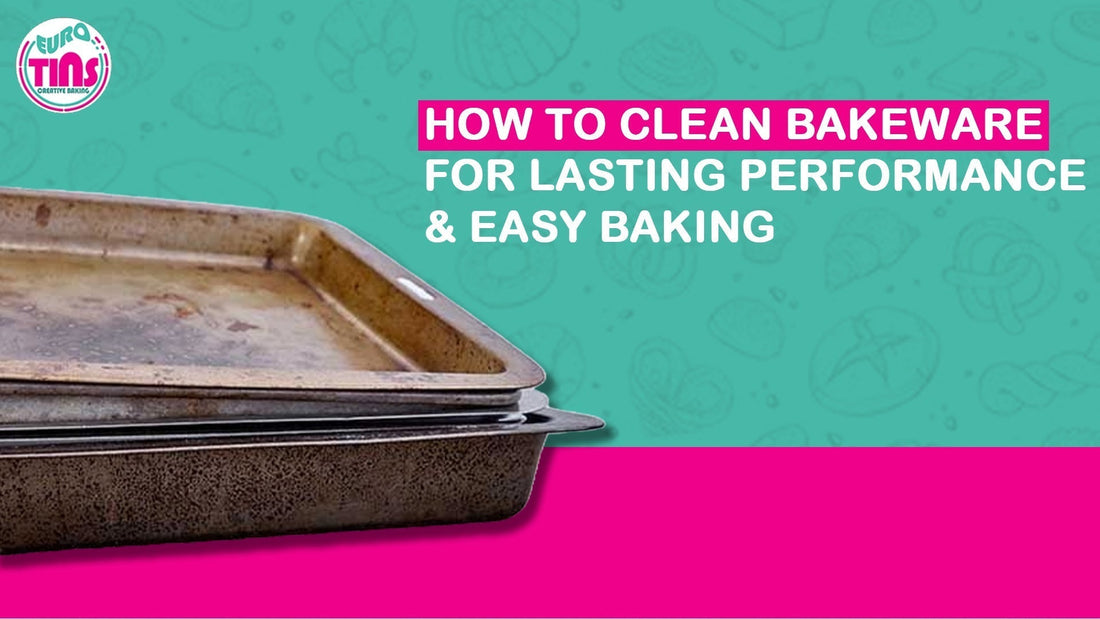
Keeping your pans clean stops burnt sugar buildup. Check your pans after every use and clean them well. This keeps your baking safe and pans lasting longer.
- Soak pans in warm soapy water after use.
- Use soft sponges to avoid scratching.
- Remove burnt spots quickly with baking soda paste.
- Dry pans completely before storing.
Credit: eurotins.co.uk
Frequently Asked Questions
How To Remove Burnt Sugar From A Baking Pan Easily?
Soak the pan in hot water with baking soda for 30 minutes. Scrub gently using a non-abrasive sponge until the burnt sugar dissolves.
Can Vinegar Help Clean Burnt Sugar Stains?
Yes, vinegar’s acidity breaks down burnt sugar residues. Boil vinegar and water in the pan, then scrub to lift the stains efficiently.
What Household Items Clean Burnt Sugar In Baking Pans?
Use baking soda, vinegar, lemon juice, or dish soap. These natural cleaners dissolve burnt sugar without damaging your pan’s surface.
Is It Safe To Use Steel Wool On Baking Pans?
Steel wool can scratch non-stick or delicate pans. Use it only on sturdy metal pans and avoid abrasive tools for sensitive surfaces.
Conclusion
Cleaning burnt sugar from a baking pan takes some patience and care. Use gentle scrubbing tools to avoid damaging the pan’s surface. Simple household items like baking soda and vinegar work well for tough stains. Regular cleaning after each use helps prevent buildup.
With these easy steps, your pans stay clean and ready for your next baking project. Keep practicing these tips, and burnt sugar won’t be a problem anymore. Your kitchen tools will last longer, and your baking will improve too.