Have you ever faced the frustration of a burnt pan ruining your cooking experience? You’re not alone.
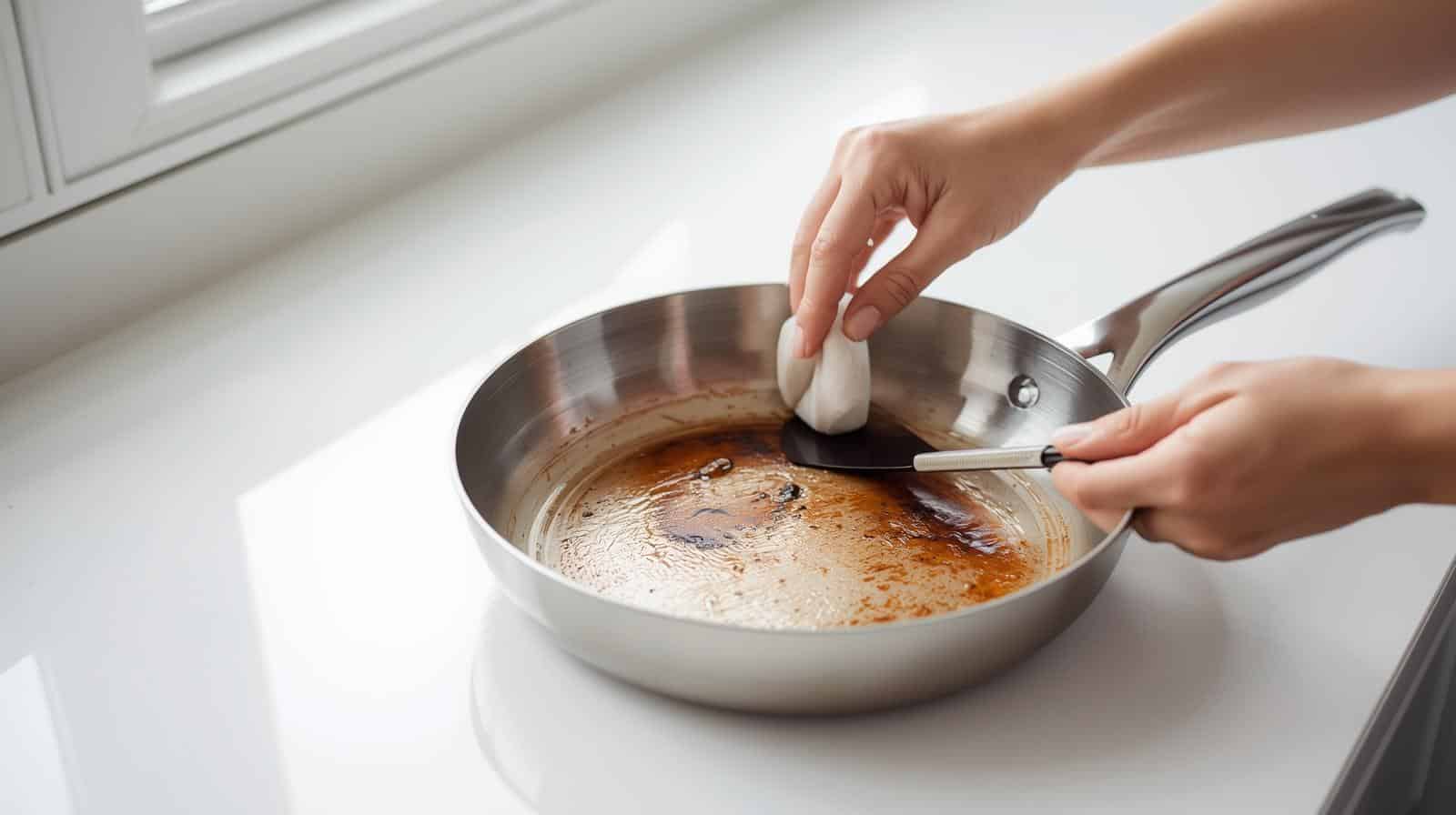
A burnt pan can seem impossible to clean, leaving stubborn stains and residue that just won’t budge. But with this guide on How to Clean Burnt Pan Kitchen Craft, you’ll discover simple, effective methods to restore your pan to its original shine. Learn quick and safe techniques that save time, avoid harsh chemicals, and make your Kitchen Craft pan look and perform like new.
Keep reading, and you’ll save time, effort, and your favorite cookware from permanent damage.
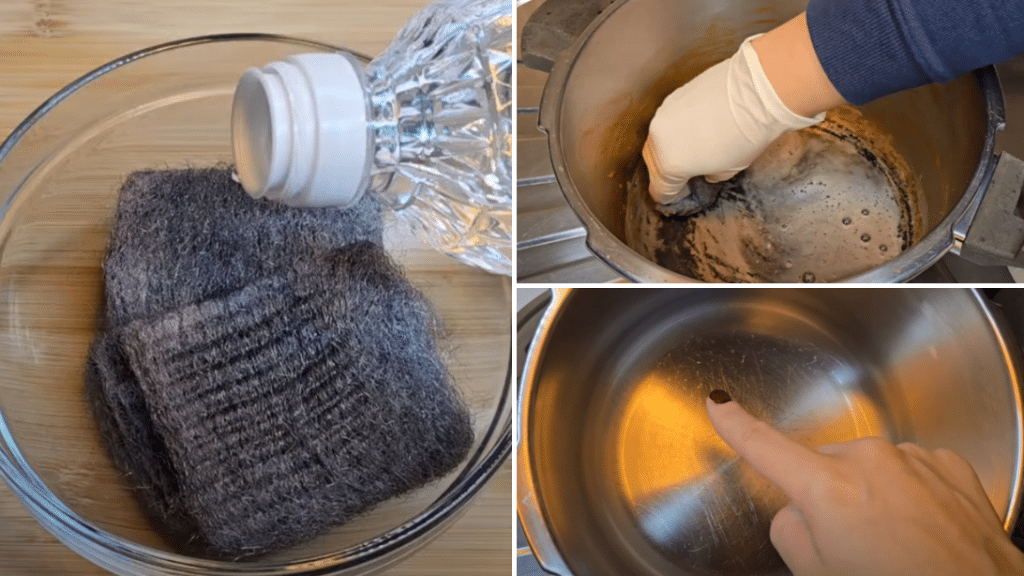
Credit: diyjoy.com
Causes Of Burnt Pans
Burnt pans happen when food or oil gets too hot and sticks to the pan. This damage makes cleaning hard.
Knowing what causes burnt pans helps you avoid ruining your cookware and saves time in the kitchen.
Common Mistakes In Cooking
Many burnt pans come from simple cooking mistakes. These errors cause food to stick and burn.
Some common cooking mistakes include using too high heat or leaving food unattended.
- Cooking on high heat for too long
- Not stirring food regularly
- Using pans without enough oil or butter
- Leaving food in the pan after cooking
- Using the wrong type of pan for certain recipes
Types Of Burn Marks
Burn marks on pans vary in color and depth. Each type needs different cleaning methods.
Knowing the burn mark type helps you clean your pan without damage.
- Light Brown Marks:Thin stains from slight overheating.
- Dark Brown Marks:Stronger stains from longer cooking times.
- Black Carbonized Marks:Hard, thick burnt food stuck to the surface.
- Sticky Residue:Burnt oil or sugar that feels sticky and hard to remove.

Credit: www.youtube.com
Essential Cleaning Tools
Cleaning a burnt Kitchen Craft pan needs the right tools. Using the correct items makes the job easier.
Choosing good scrubbers, sponges, and cleaning agents helps remove burnt food without damage.
Scrubbers And Sponges
Scrubbers help remove tough burnt bits from pans. Sponges clean the surface gently.
Use non-abrasive scrubbers to protect the pan’s coating. Soft sponges hold soap and water well.
- Steel wool for heavy burnt spots (only if pan is stainless steel)
- Non-scratch scrubbers for coated pans
- Soft sponges for daily cleaning
- Scrub brushes with stiff bristles for corners
Cleaning Agents To Use
Choose cleaning agents that break down burnt food without harsh chemicals. Mild cleaners are best.
Baking soda and vinegar are natural and effective. Dish soap helps remove grease and dirt.
- Baking soda for scrubbing and deodorizing
- White vinegar to dissolve burnt residue
- Dish soap for regular cleaning
- Boiling water to loosen stuck food
Quick Cleaning Methods
Cleaning a burnt Kitchen Craft pan can be quick and easy. Using simple items found at home helps save time. These methods remove burnt food without harsh scrubbing.
Try these quick cleaning tips to restore your pan’s shine and keep it ready for cooking.
Boiling Water And Baking Soda
Fill the burnt pan with water to cover the burnt area. Add two tablespoons of baking soda. Bring the water to a boil on the stove.
Let it boil for 10 to 15 minutes. The baking soda helps lift the burnt food without scratching the pan. After boiling, let the water cool down before washing.
- Fill pan with enough water to cover burnt spots
- Add 2 tablespoons baking soda
- Boil on stove for 10 to 15 minutes
- Cool down before scrubbing gently
- Rinse and dry your pan
Vinegar Soak Technique
Pour one cup of white vinegar into the burnt pan. Add enough water to cover the burnt area. Let the pan soak for one hour to soften burnt residue.
After soaking, pour out the vinegar water. Use a sponge or brush to scrub the burnt parts gently. Rinse the pan well with clean water.
- Pour 1 cup white vinegar into pan
- Add water to cover burnt areas
- Soak for 1 hour
- Scrub gently with sponge
- Rinse and dry pan

Credit: www.youtube.com
Deep Cleaning Tips
Burnt pans can be tough to clean. Using the right methods helps restore your cookware. These tips use common kitchen items for deep cleaning.
Choose the method that suits your pan and the burnt level. Follow each step carefully to avoid damage.
Using Dishwasher Tablets
Dishwasher tablets can break down burnt food and grease. They work well on metal pans with stubborn stains.
- Fill the pan with hot water, enough to cover the burnt area.
- Drop one dishwasher tablet into the water.
- Let it soak for at least one hour.
- Use a non-abrasive scrubber to clean the pan gently.
- Rinse the pan with warm water and dry it with a cloth.
Applying Lemon And Salt
Lemon and salt are natural cleaners. They help remove burnt marks without harsh chemicals.
| Ingredient | How to Use |
| Half a lemon | Rub the lemon on the burnt area to loosen residue. |
| Salt | Sprinkle salt over the lemon juice on the pan. |
| Soft cloth or sponge | Scrub the salted area gently to lift stains. |
| Warm water | Rinse the pan thoroughly after scrubbing. |
Preventing Future Burnt Pans
Burnt pans can ruin your cooking and make cleaning hard. Preventing burnt pans saves time and keeps your pans in good shape.
Using the right heat and taking care of your pans helps avoid burns. Follow these tips to keep your Kitchen Craft pans clean and safe.
Proper Heat Settings
Use medium or low heat to cook your food. High heat can burn food quickly and damage the pan.
Allow the pan to warm slowly before adding oil or food. This helps heat spread evenly and stops burning.
- Start with low or medium heat
- Preheat the pan for a few minutes
- Add oil after the pan is warm
- Adjust heat based on the recipe
Regular Maintenance
Clean your pans after every use. Remove food bits and grease to avoid build-up that can burn next time.
Use gentle cleaning tools and avoid harsh chemicals. This keeps the pan surface smooth and prevents sticking.
- Wash pans with warm water and mild soap
- Use soft sponges, not metal scrubbers
- Dry pans completely before storing
- Check for damage and fix small scratches
Special Care For Kitchen Craft Pans
Cleaning burnt Kitchen Craft pans needs care. Using the right method saves your pan’s finish.
Follow material-specific tips to avoid damage. Gentle cleaning keeps pans lasting longer.
Material-specific Advice
Kitchen Craft pans come in different materials. Each type needs special cleaning steps.
| Material | Cleaning Tip |
| Non-stick | Use soft sponges only. Avoid metal scrubbers. |
| Stainless Steel | Use baking soda paste for burnt spots. |
| Cast Iron | Dry immediately. Season after cleaning. |
| Ceramic | Soak in warm water. Use mild detergent. |
Avoiding Damage During Cleaning
Use gentle cleaning methods to protect your pan’s surface. Avoid harsh tools and chemicals.
- Do not use steel wool or metal brushes.
- Avoid strong chemical cleaners or bleach.
- Never put hot pans directly into cold water.
- Use wooden or silicone utensils to prevent scratches.
- Hand wash pans instead of using a dishwasher.
Frequently Asked Questions
How Do I Remove Burnt Residue From Kitchen Craft Pans?
To remove burnt residue, soak the pan in hot soapy water for 30 minutes. Then, scrub gently with a non-abrasive sponge to avoid damage. For tough stains, use a paste of baking soda and water. Rinse thoroughly and dry.
Can I Use Vinegar To Clean A Burnt Kitchen Craft Pan?
Yes, vinegar is effective for cleaning burnt pans. Boil a mixture of equal parts water and vinegar in the pan for 5-10 minutes. Let it cool, then scrub with a sponge. Vinegar helps loosen burnt food and eliminates odors.
What Is The Safest Method To Clean Non-stick Kitchen Craft Pans?
Avoid abrasive cleaners or steel wool on non-stick pans. Instead, soak the pan in warm soapy water, then use a soft sponge to clean. Baking soda paste works well on stubborn burnt spots without harming the coating.
How Often Should I Deep Clean My Kitchen Craft Pans?
Deep clean your pans every few weeks or after heavy use. Regular cleaning prevents build-up and keeps pans in good condition. Use gentle methods like soaking and mild scrubbing to maintain their non-stick surface.
Conclusion
Cleaning a burnt pan can be easy with the right steps. Start by using everyday kitchen items like baking soda and vinegar. These help remove tough stains and burnt residue. Always soak the pan first for better results. Gentle scrubbing prevents scratches.
Consistency in cleaning makes maintenance simple. A clean pan lasts longer and cooks better. So, keep these tips handy for a spotless kitchen. Enjoy cooking with your well-maintained kitchenware. Happy cleaning!