How to Clean Burnt Non Stick Baking Pan
Are you frustrated with a burnt non-stick baking pan that seems beyond saving? You're not alone.
We've all been there—staring at a stubborn layer of burnt-on residue and wondering if our trusty baking companion is ruined for good. But before you consider tossing it out or scrubbing it with all your might, take a deep breath.
Your baking pan can be saved, and it doesn't have to be a daunting task. In this guide, you'll discover simple, effective methods to restore your non-stick pan to its original glory. By the end, you'll feel confident in your ability to tackle this common kitchen mishap. Let's dive in and rescue that pan!

Credit: www.reddit.com
Causes Of Burnt Residue
Burnt residue on non stick baking pans happens when food or grease cooks too long. Heat can make food stick and burn on the surface.
Knowing what causes burnt residue helps you clean your pan better and avoid damage.
Common Mistakes
Many people make mistakes that lead to burnt residue on non stick pans. These mistakes cause food to stick and burn more easily.
One common error is using too much heat. Non stick pans work best with medium or low heat. High heat can burn food and damage the coating.
- Using very high heat when cooking
- Leaving food in the pan after cooking
- Not cleaning the pan quickly after use
- Using metal utensils that scratch the surface
- Cooking sticky or sugary foods without proper oil
Types Of Stains
Burnt residue can look different depending on the food and how it burned. Understanding stain types helps to pick the right cleaning method.
Some stains are light and greasy, while others are dark and hard. Sugary foods can leave sticky caramel stains that are tough to remove.
- Light grease stains that can wipe off easily
- Dark baked-on food that needs scrubbing
- Sticky caramelized sugar residue
- Blackened burnt spots that affect the pan’s surface
Safety Precautions
Cleaning a burnt non-stick baking pan requires care to avoid damage or injury. Safety is important to protect both you and your pan.
Always use the right tools and cleaning agents. Follow simple rules to keep the process safe and effective.
Protecting Your Pan
Non-stick pans have a delicate coating. You must handle them gently to keep the coating safe.
- Use soft sponges or cloths only.
- Avoid metal scrubbers or harsh brushes.
- Do not use sharp tools to scrape burnt food.
- Let the pan cool before cleaning to prevent warping.
- Rinse with warm water before scrubbing.
Handling Cleaning Agents
Cleaning agents can help remove burnt residue but may be harmful if not used properly.
| Cleaning Agent | Safety Tip |
| Baking Soda | Use a paste; avoid inhaling powder. |
| Vinegar | Use in a well-ventilated area. |
| Dish Soap | Choose mild, non-abrasive formulas. |
| Commercial Cleaners | Follow label instructions carefully. |
Simple Cleaning Methods
Burnt non-stick baking pans can be hard to clean. Using simple methods helps you save time and keep your pan safe.
These cleaning tips use common household items. They remove burnt food without damaging the pan’s surface.
Soaking With Warm Soapy Water
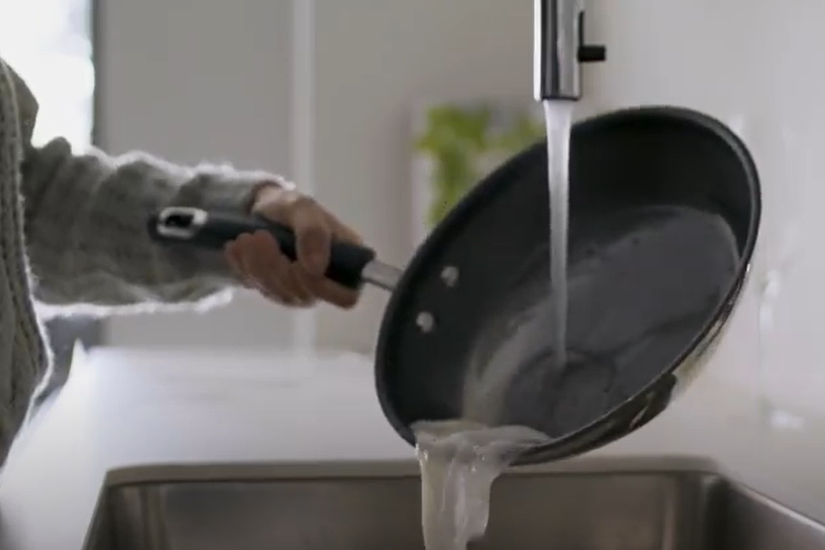
Fill the pan with warm water and a few drops of dish soap. Let it soak for at least 30 minutes.
The warm water softens the burnt residue. After soaking, use a soft sponge to scrub gently.
- Use warm, not hot, water to protect the coating
- Soak for 30 minutes to loosen burnt bits
- Scrub with a soft sponge, not steel wool
Using Baking Soda Paste
Mix baking soda with water to make a thick paste. Spread the paste on burnt areas of the pan.
Let the paste sit for 15 to 20 minutes. Then scrub gently with a soft cloth or sponge and rinse well.
- Baking soda helps break down burnt food
- Use a soft cloth to avoid scratching
- Rinse thoroughly to remove all paste
Credit: circulon.uk.com
Effective Home Remedies
Burnt residue on non stick baking pans can be tough to clean. Using harsh chemicals can damage the pan’s coating. Simple home remedies work well to restore your pan.
This guide shares two easy and safe methods to clean burnt non stick pans using items found in most kitchens.
Vinegar And Baking Soda Combo
This natural mix loosens burnt food and grime without scratching the pan. The fizzing action helps lift stuck pieces.
- Pour 1 cup of white vinegar into the pan.
- Heat the pan on medium for 2-3 minutes.
- Remove from heat and add 2 tablespoons of baking soda.
- Wait for fizzing to stop, then scrub with a soft sponge.
- Rinse the pan with warm water and dry with a cloth.
Lemon Juice Treatment
Lemon juice is acidic and helps break down burnt layers. It also leaves a fresh scent.
| Ingredient | Amount | Purpose |
| Lemon juice | 1/2 cup | Acid to dissolve burnt residue |
| Water | 1 cup | Dilutes lemon juice for soaking |
| Soft sponge | N/A | For gentle scrubbing |
Mix lemon juice and water in the pan. Let it soak for 30 minutes. Then scrub softly and rinse clean.
Tools For Tough Stains
Cleaning a burnt non-stick baking pan can be hard. Using the right tools helps remove tough stains safely.
This guide focuses on soft scrubbers and avoiding abrasive materials to protect your pan's coating.
Soft Scrubbers
Soft scrubbers clean well without scratching the pan. They are gentle but effective on burnt spots.
- Use sponges with soft side for scrubbing.
- Microfiber cloths can wipe away residue.
- Non-scratch scrub pads help loosen burnt food.
- Rub gently to protect the non-stick surface.
Avoiding Abrasive Materials
Avoid using harsh tools that can damage your pan. Abrasive materials wear off the coating quickly.
| Material | Effect on Non-Stick Pan |
| Steel wool | Scratches and ruins coating |
| Metal scouring pads | Causes permanent damage |
| Harsh brushes | Removes non-stick layer |
| Soft scrubbers | Safe and effective |
Maintaining Non Stick Pans
Non stick pans make cooking and cleaning easier. Keeping them in good shape extends their life. Proper care stops food from sticking and protects the coating.
Cleaning burnt spots on non stick pans requires care. Using the right methods keeps the surface smooth and safe for cooking.
Proper Cleaning Routine
Always wait for the pan to cool before cleaning. Avoid harsh scrubbers that can damage the coating. Use gentle tools and mild soap for best results.
- Fill the pan with warm water and a few drops of dish soap.
- Let it soak for 15 to 30 minutes to loosen burnt food.
- Use a soft sponge or cloth to scrub gently.
- For tough spots, sprinkle baking soda and scrub lightly.
- Rinse well and dry with a soft towel.
Storage Tips
Store non stick pans carefully to avoid scratches. Keep them in a dry place and avoid stacking pans directly on each other.
| Storage Tip | Reason |
|---|---|
| Use pan protectors or soft cloths | Prevents scratching the non stick surface |
| Hang pans by their handles | Keeps pans separated and safe |
| Store in a cool, dry area | Avoids moisture damage and rust |
When To Replace Your Pan
Non-stick baking pans make cooking and cleanup easy. Over time, they can get burnt and damaged. Knowing when to replace your pan keeps your food safe and tasty.
Cleaning burnt pans helps, but some signs show it is time for a new one. Check your pan regularly for wear and health risks.
Signs Of Wear
Look closely at your pan's surface. Scratches, peeling, or chipping show the non-stick coating is breaking down. This can cause food to stick and burn more easily.
If the pan warps or bends, it will not heat evenly. This affects how your food cooks and can ruin recipes.
- Scratched or peeling coating
- Chipped surface
- Warped or bent shape
- Food sticks more than before
- Uneven heating
Health Considerations
Damaged non-stick coatings can release harmful chemicals when heated. This is a health risk, especially if the coating flakes into food.
Old pans with worn coatings may contain substances no longer safe for cooking. Using a new pan helps avoid these problems and keeps your meals healthy.
- Coating releases toxic fumes if damaged
- Flaking coating can mix with food
- Older pans may have unsafe materials
- Replacing pans reduces health risks
Credit: www.yahoo.com
Frequently Asked Questions
How Do I Remove Burnt Residue From A Non-stick Pan?
Soak the pan in warm, soapy water for 30 minutes. Gently scrub with a soft sponge to lift burnt bits without damaging the coating.
Can Baking Soda Clean A Burnt Non-stick Baking Pan?
Yes, sprinkle baking soda on burnt areas. Add water to form a paste. Let it sit, then gently scrub for effective cleaning.
Is Vinegar Safe For Cleaning Burnt Non-stick Pans?
Yes, white vinegar helps dissolve burnt food. Mix it with water, boil in the pan, then scrub gently to restore non-stick surface.
How To Prevent Burning On Non-stick Baking Pans?
Use low to medium heat and avoid metal utensils. Always grease pans lightly and monitor baking times closely to prevent burning.
Conclusion
Cleaning a burnt non-stick baking pan does not need to be hard. Gentle scrubbing and simple home ingredients work well. Avoid harsh tools to keep the pan safe. Regular care helps your pan last longer. Try these easy steps next time your pan burns.
A clean pan means better cooking and tasty meals. You can do this without stress or extra costs. Give your baking pan a fresh start today!