Are you tired of scrubbing your baking pans over and over, only to see stubborn baked-on grease refuse to budge? You’re not alone.
Those tough stains can be frustrating and time-consuming, making you wonder if your pans will ever look clean again. But don’t give up just yet. You’ll discover simple, effective ways to restore your baking pans to their shiny, grease-free state—without harsh chemicals or endless scrubbing.
Keep reading, and you’ll learn easy tricks that save you time and effort, so your pans look great and your kitchen stays hassle-free.
Common Causes Of Baked-on Grease
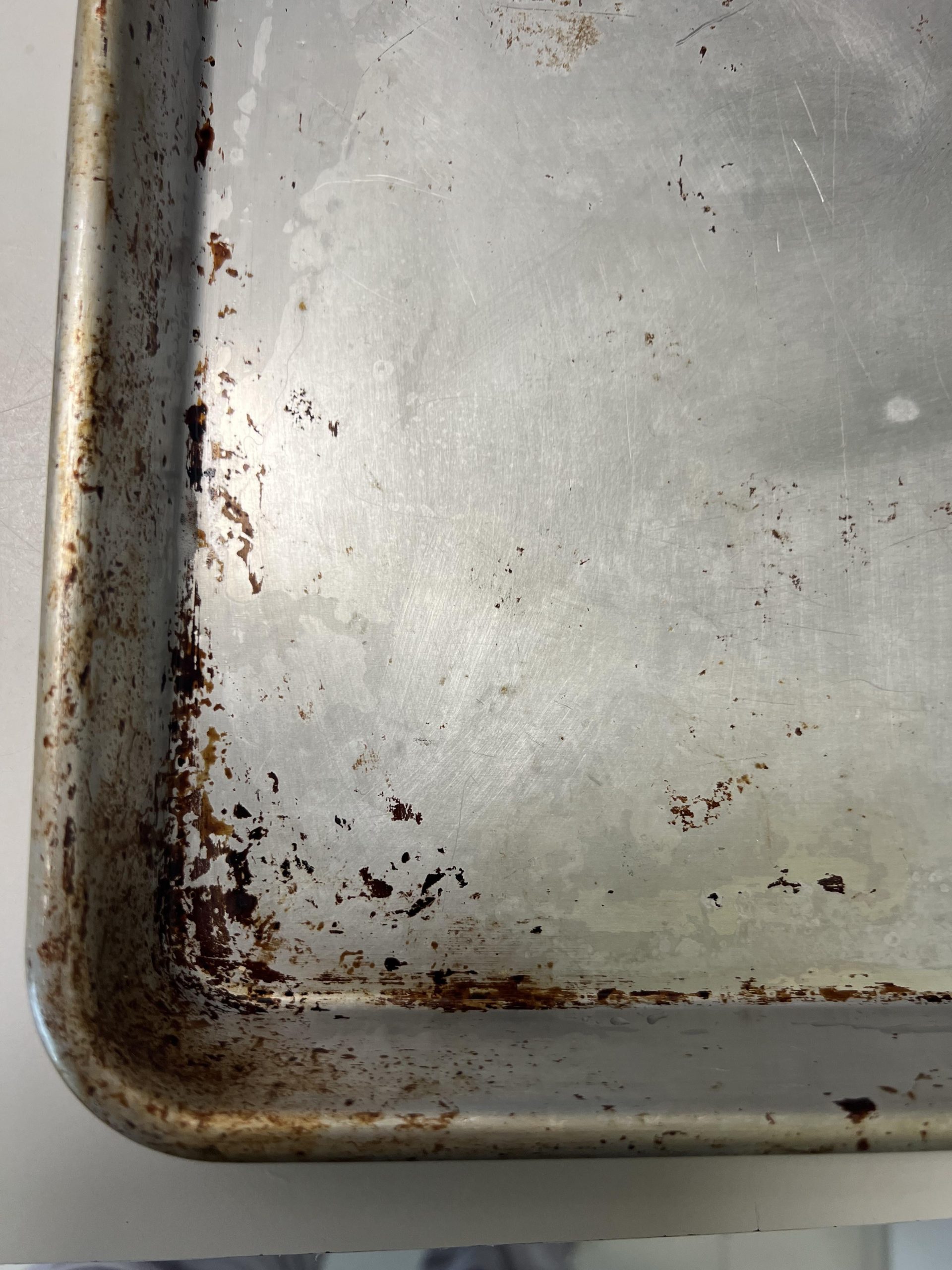
Baking pans often get covered with baked-on grease. This happens when oil or fat sticks and cooks onto the pan's surface. The grease can be hard to remove if left for a long time.
Knowing what causes baked-on grease helps you clean pans better. It also helps prevent grease build-up in the future.
High Cooking Temperatures
Cooking at very high temperatures can cause grease to burn onto pans. The heat changes the grease into a tough, sticky layer. This layer is hard to wash off with just soap and water.
Grease burns faster on metal pans because they heat up quickly. Lowering the heat helps reduce baked-on grease.
Using Too Much Oil Or Butter
Putting too much oil or butter on pans leads to grease build-up. Excess fat cooks and sticks to the pan surface. Over time, this creates thick grease layers that are hard to clean.
Using only the needed amount of fat helps keep pans cleaner after cooking.
Not Cleaning Pans Right Away
Leaving pans dirty after cooking makes grease stick harder. Dried grease bonds to the pan and becomes baked on. Waiting too long to clean pans increases the problem.
Cleaning pans soon after use stops grease from hardening and saves effort.
Cooking Foods High In Fat
Frying or roasting fatty foods adds more grease to pans. Meat, cheese, and oily ingredients release fat during cooking. This fat can stick and bake onto the pan surface.
Using a drip tray or lining pans can reduce grease contact with the pan.
Using Non-stick Pans Incorrectly
Non-stick pans need gentle care. Using metal tools or harsh scrubbing can damage the coating. Once damaged, grease can stick and bake onto the pan easily.
Use soft tools and avoid high heat to keep non-stick pans clean longer.

Credit: www.reddit.com
Essential Tools For Cleaning
Cleaning baking pans with baked-on grease takes the right tools. Using proper tools makes the task easier and faster.
Here are the essential tools you need to clean your baking pans well.
Scrubbing Pads
Scrubbing pads help remove stuck grease and food. Choose pads that are strong but safe for your pan’s surface.
- Non-scratch pads for non-stick pans
- Steel wool for tough, baked-on grease
- Sponges with scrubbing sides for gentle cleaning
Dish Soap
Dish soap breaks down grease and oils on baking pans. Use a strong soap to cut through baked-on grime.
Look for soaps that offer grease-fighting power for better results.
Baking Soda
Baking soda acts as a gentle abrasive to scrub off grease. It also deodorizes pans and removes stains.
Sprinkle baking soda on the pan and scrub with a wet pad for good results.
Vinegar
Vinegar helps dissolve grease and baked-on food. It works well with baking soda to clean pans deeply.
Use white vinegar for best cleaning power and to avoid stains.
Plastic Or Silicone Scrapers
Scrapers help lift stuck-on food without scratching pans. Plastic or silicone tools are gentle but effective.
- Use them to break loose grease layers
- Safe for non-stick and coated pans
- Can reach corners and edges easily
Microfiber Cloths
Microfiber cloths help wipe away grease and residue. They absorb moisture well and leave pans shiny.
Use them for final cleaning after scrubbing and rinsing.
Natural Cleaning Methods
Cleaning baking pans with baked-on grease can be tough. Using natural ingredients helps remove grease without harsh chemicals.
These easy methods use items found in most kitchens. They keep your pans clean and safe for cooking.
Baking Soda And Vinegar
Baking soda and vinegar work well together to break down grease. Baking soda scrubs, while vinegar dissolves buildup.
Make a paste of baking soda and water. Spread it on the pan, then spray vinegar over it. Let it fizz for 10 minutes.
- Apply baking soda paste to greasy areas
- Spray or pour vinegar on top
- Wait 10 minutes for fizzing action
- Scrub gently with a sponge or brush
- Rinse with warm water and dry
Lemon And Salt
Lemon juice and salt make a natural scrub. Lemon breaks grease, and salt adds gentle scrubbing power.
Cut a lemon in half and dip it in salt. Rub the lemon on greasy spots. Let it sit for 5 minutes before rinsing.
- Dip lemon half in salt
- Rub lemon over baked-on grease
- Leave for 5 minutes to work
- Rinse pan with warm water
- Dry with a clean cloth
Dish Soap And Hot Water
Dish soap and hot water help soften grease. The soap breaks down oils, and heat makes it easier to clean.
Fill the pan with hot water and add a few drops of dish soap. Let it soak for 30 minutes, then scrub and rinse.
- Fill pan with hot water
- Add several drops of dish soap
- Soak for 30 minutes to loosen grease
- Scrub with a sponge or brush
- Rinse well and dry
Credit: www.yahoo.com
Commercial Cleaners To Try
Cleaning baking pans with baked-on grease can be tough. Commercial cleaners help remove tough stains and grease faster.
These products are made to break down grease and make cleaning easier. Use them carefully and follow instructions.
Oven Cleaner Sprays
Oven cleaner sprays work well on heavy grease and baked-on food. They are strong and designed for tough kitchen messes.
Spray the cleaner on the pan and let it sit for 10 to 15 minutes. Then, scrub with a sponge or brush to remove the grease.
- Use gloves to protect your skin
- Work in a well-ventilated area
- Rinse the pan well after cleaning
Degreasing Agents
Degreasing agents break down oil and grease on baking pans. They are made to cut through sticky, baked-on messes.
Apply the degreaser, let it soak for a few minutes, then wipe or scrub the pan clean. They work well on metal and non-stick pans.
- Choose a degreaser safe for your pan type
- Use a soft brush to avoid scratching
- Always wash the pan after using degreasers
Step-by-step Cleaning Process
Baking pans often get stuck with baked-on grease. Cleaning them can seem hard. This guide shows simple steps to clean your pans well.
Follow these steps carefully. You will remove grease and keep your pans ready for the next use.
Soaking The Pan
Start by filling the pan with hot water. Add dish soap or baking soda. Let the pan soak for 30 minutes to loosen the grease.
- Fill pan with hot water until grease is covered.
- Add 2 tablespoons of dish soap or baking soda.
- Let the pan sit for 30 minutes or more.
- Check if grease starts to soften.
Scrubbing Techniques
Use a scrub brush or sponge to remove the softened grease. Avoid metal scrubbers on non-stick pans. Apply gentle pressure and scrub in circles.
| Tool | Use | Tip |
|---|---|---|
| Sponge | Light scrubbing | Use soft side for non-stick pans |
| Scrub Brush | Stubborn grease | Good for stainless steel pans |
| Baking Soda Paste | Extra cleaning | Mix with water to scrub gently |
Rinsing And Drying
After scrubbing, rinse the pan with warm water. Make sure all soap and grease are gone. Dry the pan with a clean towel or air dry to avoid rust.
- Rinse thoroughly with warm water.
- Check for leftover grease spots.
- Dry with a soft cloth or let air dry.
- Store in a dry place to keep pans fresh.

Credit: www.reddit.com
Tips To Prevent Future Buildup
Cleaning baking pans with baked-on grease can be tough. Preventing buildup saves time and effort later.
Use simple habits to keep your pans clean and in good shape after each use.
Use Non-stick Spray Or Oil Before Baking
Apply a thin layer of non-stick spray or oil to your baking pans. This stops food from sticking and reduces grease buildup.
Clean Pans Right After Use
Wash your pans soon after baking. Warm water and soap help remove grease before it hardens.
Avoid Harsh Scrubbers
Use soft sponges or cloths to clean pans. Harsh scrubbers can damage the pan’s surface, making grease stick more.
Store Pans Properly
Keep your baking pans dry and stacked with soft liners between them. This prevents scratches and buildup.
Use Baking Liners Or Parchment Paper
Place baking liners or parchment paper on pans before adding food. They catch grease and crumbs, reducing cleanup.
- Easy to remove after baking
- Protects the pan surface
- Reduces need for scrubbing
Regular Deep Cleaning Schedule
| Cleaning Method | Frequency | Benefits |
|---|---|---|
| Baking Soda and Vinegar Soak | Once a month | Loosens baked-on grease |
| Dishwasher Use (if safe) | After heavy use | Deep cleans pans |
| Hand Wash with Warm Soapy Water | After every use | Prevents buildup |
When To Replace Baking Pans
Baking pans last a long time if you clean them well. Sometimes, baked-on grease damages them beyond repair. Knowing when to replace your pans saves you time and effort.
Old or damaged pans can affect baking results. They may cause uneven cooking or stickiness. Watch for signs that show your pans need replacing.
Visible Warping Or Bending
If your baking pan is warped or bent, it will not heat evenly. This causes uneven baking and can burn some areas. Replace pans that do not sit flat on the oven rack.
Severe Rust Or Corrosion
Rust weakens the metal and affects food safety. Small rust spots can be cleaned, but large areas mean it is time to replace the pan. Avoid pans with flaking or deep rust.
Non-stick Coating Peeling
When the non-stick layer peels, food sticks more easily. This makes cleaning very hard. Scratches or peeling coatings can also release harmful particles into food.
- Food sticks badly to the surface
- Cleaning requires harsh scrubbing
- Coating chips visible in food
- Pan surface feels rough or uneven
Deep Stains And Baked-on Grease
Some stains and grease build-up cannot be removed. If cleaning fails after several tries, the pan may be too damaged. Deep grease can ruin baked goods’ taste and texture.
| Condition | Signs to Replace |
| Warped Pan | Pan does not sit flat |
| Rust | Large rust patches or flakes |
| Non-Stick Coating | Peeling or chipping surface |
| Baked-On Grease | Unremovable grease stains |
Frequently Asked Questions
How Do I Remove Baked-on Grease From Baking Pans?
To remove baked-on grease, soak the pan in hot soapy water for 30 minutes. Scrub with a non-abrasive sponge and baking soda paste for tough spots. Rinse and dry thoroughly to prevent rust or residue.
What Household Items Clean Baking Pans Effectively?
Common household items like baking soda, vinegar, and dish soap work well. Baking soda scrubs off grease, while vinegar dissolves tough stains. Use these with warm water and gentle scrubbing for best results.
Can I Use Vinegar To Clean Greasy Baking Pans?
Yes, vinegar is great for cutting through grease. Mix equal parts vinegar and water, soak the pan for 15 minutes, then scrub gently. It helps break down baked-on residue without damaging the pan.
How Often Should I Clean Baking Pans To Avoid Grease Buildup?
Clean your baking pans immediately after each use. Prompt cleaning prevents grease from hardening and sticking. Regular washing keeps pans in good condition and reduces the need for deep cleaning.
Conclusion
Cleaning baking pans with baked-on grease can seem daunting. But it’s doable with the right steps. Start by soaking the pan in hot water. Add a gentle dish soap. Scrub with a non-abrasive sponge. Stubborn spots? Use baking soda or vinegar.
Rinse and dry thoroughly. Regular cleaning prevents buildup. This ensures your pans last longer. Plus, food will taste better. Follow these simple tips. Your baking pans will shine like new. Happy baking!