Are you wondering how to keep your wooden cutting board in top condition? You’re not alone.
Wooden cutting boards are kitchen essentials that deserve proper care to maintain their beauty and longevity. Over time, these boards can harbor bacteria and stains, making them less appealing and potentially unsafe. But don't worry; there’s a simple, natural solution right in your pantry—vinegar.
In this guide, you'll discover the easy steps to clean your wooden cutting board using vinegar. This method not only cleans but also disinfects your board, ensuring it stays safe and fresh. Keep reading to learn how vinegar can be your best ally in maintaining your kitchen tools. Your wooden cutting board will thank you!

Credit: homewithgraceandjoy.com
Why Vinegar Works
Vinegar is a popular choice for cleaning wooden cutting boards. It helps keep the board clean and safe to use.
This natural liquid has qualities that make it good for cleaning wood surfaces in the kitchen.
Natural Antibacterial Properties
Vinegar contains acetic acid. This acid helps kill many types of bacteria and germs on cutting boards.
- Kills common bacteria like E. coli and Salmonella
- Reduces odors caused by food residue
- Prevents mold and mildew growth
Safe For Wood
Unlike harsh chemicals, vinegar does not damage wood. It cleans without drying or cracking the cutting board.
| Cleaning Agent | Effect on Wood |
| Vinegar | Gentle, preserves wood quality |
| Bleach | Harsh, can damage and dry wood |
| Soap and Water | Safe but less effective against bacteria |
Eco-friendly Cleaner
Vinegar is a natural cleaner that is safe for the environment. It does not add harmful chemicals to water or soil.
- Made from natural ingredients like fermented grapes or apples
- Biodegradable and non-toxic
- Reduces plastic waste by using refillable bottles

Credit: homewithgraceandjoy.com
Preparing The Cutting Board
Cleaning a wooden cutting board with vinegar starts with proper preparation. This helps remove dirt and makes the board ready for deep cleaning.
Follow simple steps to prepare your cutting board for vinegar cleaning. These steps keep your board safe and fresh.
Remove Food Debris
First, clear any leftover food on the board. This stops particles from mixing with the vinegar and keeps the cleaning effective.
- Use a scraper or spatula to lift stuck pieces.
- Wipe the surface with a dry cloth or paper towel.
- Brush crumbs away from the edges.
- Rinse briefly with warm water if needed, then dry.
Dry Surface Setup
Make sure the cutting board is dry before applying vinegar. Vinegar works best on a dry surface and prevents wood damage.
| Action | Reason |
|---|---|
| Pat dry with a clean towel | Removes moisture for better vinegar absorption |
| Place board on a flat surface | Keeps board stable during cleaning |
| Ensure good ventilation | Helps vinegar smell to dissipate quickly |
Step-by-step Cleaning Process
Cleaning a wooden cutting board with vinegar is simple and effective. Vinegar helps remove bacteria and odors safely.
Follow these steps to keep your cutting board fresh and clean using vinegar.
Applying Vinegar
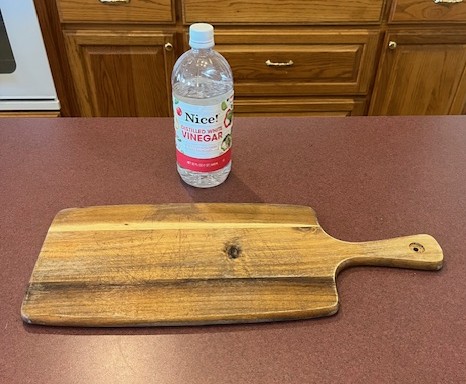
Start by pouring white vinegar over the surface of the cutting board. Vinegar acts as a natural disinfectant.
- Use plain white vinegar, not flavored or colored types.
- Pour enough vinegar to cover the board evenly.
- Let the vinegar sit for about five minutes to kill germs.
Scrubbing Techniques
After the vinegar has soaked in, scrub the board to remove stuck-on food and stains.
- Use a soft brush or sponge to avoid damaging the wood.
- Scrub in circular motions for better cleaning.
- Focus on any deep cuts or grooves where bacteria might hide.
- For tough stains, sprinkle coarse salt before scrubbing.
Rinsing And Drying
Once scrubbing is complete, rinse the board well with warm water. Removing vinegar and debris is important.
| Action | Details |
|---|---|
| Rinse | Use warm water to wash away vinegar and dirt. |
| Dry | Wipe with a clean towel and air dry standing up. |
| Store | Keep in a dry place to prevent warping and mold. |
Dealing With Stains And Odors
Wooden cutting boards absorb stains and smells from food. Cleaning them well keeps your kitchen fresh. Vinegar is a natural cleaner that fights stains and odors safely.
Using vinegar with other ingredients helps remove tough marks and bad smells. This guide shows easy ways to clean your wooden board.
Using Salt And Lemon
Coarse salt and lemon work great to scrub stains from wooden boards. The salt acts like a scrub, and lemon juice kills odors.
Sprinkle salt on the board, then rub it with half a lemon. Use circular motions to clean the surface. Leave it for a few minutes, then rinse with warm water.
- Sprinkle coarse salt evenly on the board
- Rub the salt with half a fresh lemon
- Use circular scrubbing motions
- Let sit for 5 minutes
- Rinse with warm water and dry well
Extra Vinegar Treatments
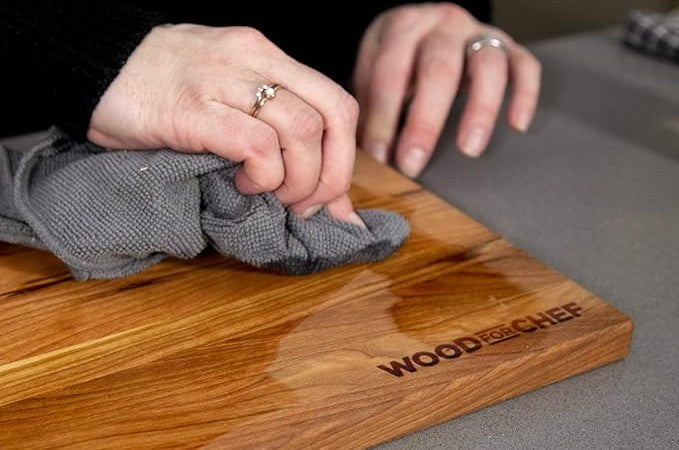
For strong odors or deep stains, use extra vinegar treatments. Soak a clean cloth in white vinegar and wipe the board thoroughly. Let the vinegar sit for a few minutes.
You can repeat this process once or twice to remove stubborn smells. Afterward, rinse the board with warm water and dry it completely to avoid damage.
Maintaining Your Wooden Board
Wooden cutting boards need special care to last long. Cleaning and treating them keeps the wood healthy.
Using vinegar is a simple way to clean your board and remove germs safely.
Regular Cleaning Routine
After each use, wash your wooden board with warm water and mild soap. Avoid soaking it in water.
Spray white vinegar on the board and let it sit for a few minutes. This helps kill bacteria and deodorizes the wood.
- Rinse the board well with water after vinegar treatment.
- Dry the board completely with a clean towel.
- Let it air dry standing upright before storing.
Oiling And Conditioning
Oiling your wooden board keeps it from drying out and cracking. Use food-safe mineral oil or beeswax.
| Oiling Frequency | Signs to Oil |
|---|---|
| Once a month | Wood looks dry or dull |
| After deep cleaning | Water soaks in quickly |
Apply oil evenly and let it soak overnight. Wipe off any extra oil before use.
Avoiding Damage
Keep your board safe by avoiding harsh cleaners and extreme conditions.
- Do not put wooden boards in the dishwasher.
- Avoid soaking the board in water for long periods.
- Keep the board away from direct heat and sunlight.
- Use both sides of the board to prevent uneven wear.
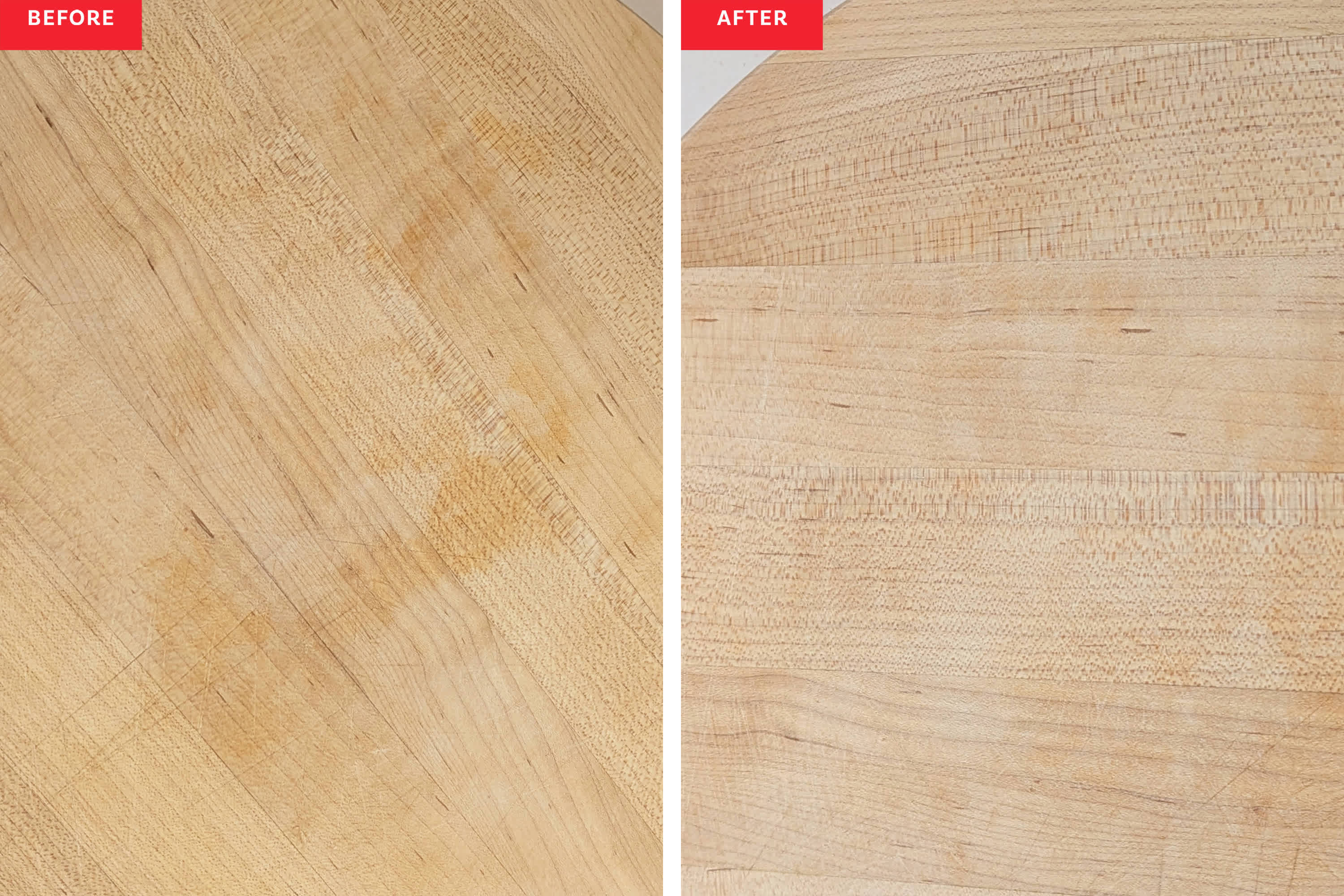
Credit: www.thekitchn.com
Frequently Asked Questions
How Effective Is Vinegar For Cleaning Wooden Cutting Boards?
Vinegar is a natural disinfectant that kills most bacteria on wood surfaces. It cleans without damaging the wood, making it safe and effective.
Can I Use Vinegar Daily On My Wooden Cutting Board?
Yes, vinegar is gentle enough for daily use. Regular cleaning prevents bacteria buildup and keeps the board fresh and odor-free.
Should I Rinse The Board After Cleaning With Vinegar?
Always rinse your cutting board with warm water after vinegar cleaning. This removes residue and prevents any vinegar taste or smell.
How Does Vinegar Compare To Bleach For Cleaning Boards?
Vinegar is safer and eco-friendly compared to bleach. It disinfects well without harsh chemicals that can damage wood or leave harmful residues.
Conclusion
Cleaning a wooden cutting board with vinegar keeps it fresh and safe. Vinegar kills germs and removes odors without harsh chemicals. Use it regularly to stop stains and bacteria build-up. Always dry the board well after cleaning to avoid cracks.
Simple steps make your kitchen cleaner and your board last longer. Try this easy method and enjoy a cleaner cutting surface every day.