How to Care for Bamboo Cutting Board?
Imagine preparing your favorite meal, and every chop and slice feels like a dream because you have the perfect cutting board. You’ve chosen a bamboo cutting board, a popular choice for its durability and eco-friendliness.
But wait! To keep it in top shape, you need to know how to care for it properly. Neglecting its care can lead to warping, cracking, or worse. You wouldn’t want to ruin your beloved board, would you? That's why caring for it is crucial.
Dive into this guide to discover simple yet effective tips that will extend the life of your bamboo cutting board and enhance your kitchen experience. Your meals and your board deserve it! Read on to find out more.

Credit: forest-decor.com
Choosing The Right Bamboo Board
Bamboo cutting boards are popular for their durability and eco-friendliness. Picking the right board helps you keep your kitchen safe and clean.
This guide explains different types of bamboo boards and what to look for in quality. It helps you make a smart choice that lasts.
Types Of Bamboo Boards
Bamboo boards come in various styles. Each type fits different kitchen needs and cutting tasks.
- Edge Grain Boards:Made by gluing bamboo strips side by side. They are smooth and affordable.
- End Grain Boards:Made with bamboo pieces glued vertically. They are harder and protect knives well.
- Striped Boards:Made from bamboo strips of different colors. They look unique and stylish.
- Juice Groove Boards:Have a carved edge to catch liquids. Ideal for cutting juicy fruits and meats.
Quality Indicators
Good quality bamboo boards last longer and stay safe for food. Check these signs before buying.
| Quality Factor | What to Look For |
|---|---|
| Material Density | High density means strong and less water absorption. |
| Finish | Smooth surface without cracks or rough spots. |
| Glue Type | Food-safe, non-toxic glue ensures safety. |
| Thickness | Thicker boards resist warping and cracking. |
| Weight | Heavier boards often indicate better durability. |
Credit: cheesegrotto.com
Initial Cleaning And Conditioning
Taking care of your bamboo cutting board starts with proper cleaning and conditioning. This helps keep the board safe and long-lasting.
Cleaning removes dirt and dust from the factory or store. Conditioning protects the wood and stops it from drying out.
Washing The New Board
Wash your new bamboo cutting board with warm water and mild soap. Use a soft sponge or cloth to clean the surface gently.
Do not soak the board or put it in the dishwasher. Too much water can cause the bamboo to crack or warp.
- Use warm water and mild dish soap
- Scrub gently with a soft sponge or cloth
- Rinse thoroughly with clean water
- Dry immediately with a clean towel
- Do not soak or use a dishwasher
Applying Mineral Oil
After washing, apply food-grade mineral oil to your bamboo board. This protects the wood and keeps it from drying out.
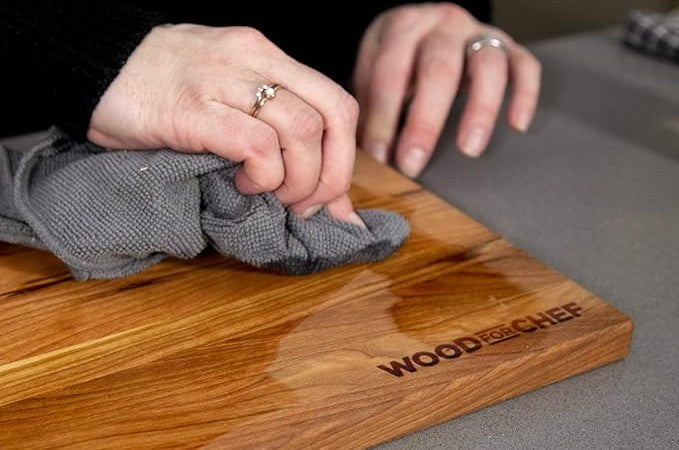
Use a clean cloth to spread the oil evenly on all surfaces. Let it soak in for a few hours or overnight for best results.
- Choose food-grade mineral oil
- Apply with a clean, soft cloth
- Cover all sides and edges
- Let the board absorb the oil for hours
- Wipe off any extra oil before use
Daily Cleaning Practices
Keeping your bamboo cutting board clean is key to its long life. Daily cleaning removes germs and food residue.
Use gentle methods to protect the board’s surface and avoid damage.
Hand Washing Techniques
Always wash your bamboo board by hand with warm water and mild soap. This method cleans well without hurting the wood.
- Use a soft sponge or cloth to scrub the surface.
- Clean both sides to prevent warping.
- Rinse thoroughly with clean water.
- Dry with a clean towel right after washing.
- Let the board air dry standing up for full drying.
Avoiding Soaking And Dishwashers
Do not soak your bamboo cutting board in water. Soaking causes the wood to swell and crack over time.
| What to Avoid | Why |
|---|---|
| Soaking board in water | Leads to swelling and cracking |
| Using dishwasher | Heat and water pressure damage wood |
| Harsh scrubbing | Wears down bamboo surface |
Regular Maintenance Tips
Caring for a bamboo cutting board keeps it strong and clean. Regular maintenance helps avoid cracks and stains.
Simple steps can keep your board looking new and safe for food use.
Oiling Frequency
Oiling your bamboo board stops it from drying out. Dry boards can crack or split over time.
Apply food-safe mineral oil every few weeks or after washing. This keeps the bamboo smooth and water-resistant.
- Use a clean cloth to rub oil on the board
- Cover all surfaces evenly
- Let the oil soak in for a few hours or overnight
- Wipe off any extra oil before use
Sanding Out Stains And Scratches
Sanding fixes marks and rough spots on your bamboo board. It makes the surface smooth again.
Use fine-grit sandpaper and sand lightly in the direction of the grain. Clean the board after sanding.
- Start with 220-grit sandpaper
- Sand gently over scratches or stains
- Wipe dust off with a damp cloth
- Reapply oil to protect the sanded area
Preventing Damage
Bamboo cutting boards are strong and eco-friendly. To keep them lasting long, avoid damage from moisture, heat, and sunlight. Proper care helps keep their look and function.
This guide focuses on ways to prevent damage. Follow these tips to protect your bamboo board every day.
Avoiding Excess Moisture
Too much water can make bamboo swell and crack. Avoid soaking your board or leaving it wet for long times.
- Wash with warm, soapy water quickly after use.
- Do not put bamboo boards in the dishwasher.
- Dry the board immediately with a clean towel.
- Store in a dry place with good air flow.
- Use mineral oil monthly to keep it sealed.
Protecting From Heat And Sunlight
Heat and sunlight can dry out bamboo, causing cracks and fading. Keep your board safe by avoiding direct heat sources.
| Heat Source | Effect on Bamboo | Protection Tip |
| Stove or Oven | Can warp or crack | Keep board away from stovetop |
| Direct Sunlight | Fades color and dries board | Store in shaded area |
| Hot Water | Dries and damages surface | Use warm, not hot water for cleaning |

Credit: www.amazon.com
Dealing With Odors And Stains
Bamboo cutting boards are popular for their durability and look. They can absorb smells and stains from food. Caring for them helps keep them clean and fresh.
Using simple natural ways, you can remove odors and tough stains without hurting the board. These tips extend the life of your bamboo board.
Natural Deodorizing Methods
Bamboo boards can hold strong smells like garlic or fish. Natural ingredients help remove these odors safely. They keep your board smelling fresh.
Use lemon or baking soda to clean the board after each use. These help neutralize smells and are gentle on the bamboo.
- Rub half a lemon over the board's surface.
- Let the lemon juice sit for five minutes.
- Rinse with warm water and dry well.
- Sprinkle baking soda, then scrub gently with a damp sponge.
- Rinse and dry the board completely.
Removing Tough Stains
Tough stains from foods like beets or turmeric can leave marks. Use natural cleaning tools to lift stains without damage.
Baking soda paste and coarse salt work well to scrub away stains. These mild abrasives clean deep without harming bamboo.
- Mix baking soda with water to make a thick paste.
- Spread the paste on the stained area.
- Sprinkle coarse salt over the paste.
- Use a clean cloth or sponge to scrub the stain gently.
- Rinse with warm water and dry thoroughly.
Storage Recommendations
Taking good care of your bamboo cutting board extends its life. Proper storage is key to keep it clean and dry.
Storing your board correctly helps avoid cracks and warping. It also stops bacteria from growing.
Proper Drying Techniques
Always dry your bamboo cutting board before storing it. Wet boards can crack or warp over time.
Use a clean towel to wipe off water. Then let the board air dry fully in a vertical position.
- Wipe board with a dry towel immediately after washing
- Place board upright to air dry
- Avoid stacking boards while still wet
Safe Storage Positions
Store your bamboo cutting board in a dry, well-ventilated place. Avoid putting it flat on wet surfaces.
Keep boards upright or on a rack to allow air flow. This helps prevent moisture buildup and mold.
- Store boards upright with edges touching the surface
- Use a storage rack or stand for better air circulation
- Keep away from heat sources like stoves or dishwashers
Frequently Asked Questions
How Do I Clean A Bamboo Cutting Board Properly?
Clean your bamboo board with warm, soapy water immediately after use. Avoid soaking it. Dry thoroughly with a towel to prevent warping and bacteria growth.
Can I Put My Bamboo Cutting Board In The Dishwasher?
No, avoid dishwashers. High heat and water can cause your bamboo board to crack and warp, reducing its lifespan.
How Often Should I Oil My Bamboo Cutting Board?
Oil your bamboo board every 1-2 months. Use food-safe mineral oil to keep it hydrated and prevent cracking.
How Do I Remove Stains From Bamboo Cutting Boards?
Use a mixture of lemon juice and salt. Rub gently, then rinse and dry to eliminate stains and odors effectively.
Conclusion
Caring for your bamboo cutting board keeps it strong and safe. Clean it with warm water and mild soap after use. Dry it well to stop cracks and warping. Oil it regularly to keep the wood smooth and shiny. Avoid soaking or putting it in the dishwasher.
These simple steps help your board last longer. Enjoy cooking with a clean, healthy bamboo cutting board every day. Simple care makes a big difference.