
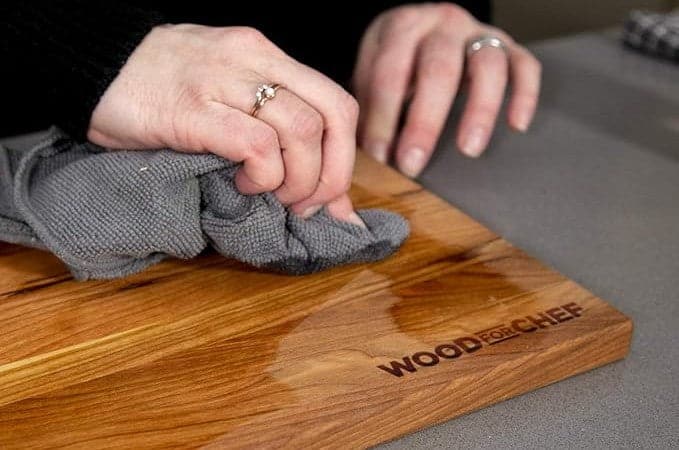
How to Care for a Wooden Cutting Board: Your wooden cutting board is more than just a kitchen tool—it’s a trusted companion for every meal you prepare. But do you know the best way to care for it so it lasts longer and stays safe to use?
If you’ve ever noticed cracks, stains, or unpleasant smells, it’s a sign your board needs some extra attention. In this guide, you’ll discover simple, effective tips to keep your wooden cutting board in top shape. By following these easy steps, you’ll protect your investment, improve hygiene, and enjoy smoother, safer food prep every time.
Keep reading to unlock the secrets that will make your cutting board look and feel brand new.

Credit: forest-decor.com
Choosing The Right Wood
Choosing the right wood for your cutting board is important for its durability and safety. Some woods work better because they resist cuts and stay clean.
Look for wood that lasts long and does not damage your knives. The type of wood affects how well your board holds up to daily use.
Hardwood Varieties
Hardwoods are best for cutting boards. They are dense and do not wear down easily. Common hardwoods include maple, walnut, and cherry.
- Maple: Light color, very hard, and durable.
- Walnut: Dark wood, gentle on knives, and strong.
- Cherry: Reddish wood, smooth texture, and lasting.
- Beech: Tight grain, resistant to moisture.
Grain Patterns
Wood grain affects the board’s strength and look. There are two main types: edge grain and end grain.
| Grain Type | Description | Durability | Knife Friendliness |
|---|---|---|---|
| Edge Grain | Long wood fibers aligned horizontally | Good | Moderate |
| End Grain | Wood fibers standing vertically | Very High | Gentle on knives |
Wood Treatments
Wood treatments help protect and keep boards safe. Oils and finishes stop the wood from drying and cracking.
- Mineral oil: Food-safe and easy to apply.
- Beeswax: Adds a protective, water-resistant layer.
- Tung oil: Natural and durable finish.
- Conditioner blends: Mix of oil and wax for deep care.

Credit: homewithgraceandjoy.com
Initial Board Preparation
Wooden cutting boards need special care before you use them. This helps protect the wood and keeps your board clean and safe.
Preparing the board correctly makes it last longer and prevents damage. Two key steps are cleaning before use and oiling the board properly.
Cleaning Before Use
Cleaning the board before the first use removes dust and dirt from the factory or store. It also helps remove any residues on the surface.
- Rinse the board with warm water to remove loose dirt.
- Use mild soap and a soft sponge to clean the surface gently.
- Rinse the soap off completely with warm water.
- Dry the board with a clean towel or let it air dry standing up.
- Avoid soaking the board in water to prevent warping or cracking.
Oiling Techniques
Oiling your wooden cutting board protects it from moisture and keeps it smooth. Use food-safe mineral oil or special cutting board oil for best results.
| Oiling Step | Description |
| Apply Oil | Pour a small amount of oil onto the board’s surface. |
| Spread Evenly | Use a clean cloth to spread the oil across the entire board. |
| Let Soak | Leave the board to absorb oil for at least a few hours or overnight. |
| Wipe Excess | Remove any oil left on the surface with a dry cloth. |
| Repeat Often | Oil the board once a month or when it looks dry. |
Daily Cleaning Practices
Wooden cutting boards need careful cleaning every day. Proper care keeps them safe and lasts longer.
Follow simple cleaning steps to protect your board from damage and bacteria.
Safe Washing Methods
Wash your wooden cutting board with warm, soapy water after each use. Use a soft sponge or cloth.
- Rinse the board well to remove soap.
- Do not use harsh cleaners or bleach.
- Scrub gently to avoid scratches.
- Clean both sides to prevent warping.
Avoiding Soaking
Never soak your wooden cutting board in water. Soaking causes wood to swell and crack.
Keep water exposure short to maintain the board’s strength and shape.
Drying Tips
| Drying Method | Why It Works |
|---|---|
| Wipe with a clean towel | Removes surface water quickly |
| Stand board upright | Allows air to circulate both sides |
| Air dry in a ventilated area | Prevents moisture buildup |
Do not leave the board flat on the counter to dry. This traps moisture and causes mold.
Regular Maintenance
Wooden cutting boards need care to stay strong and safe. Regular maintenance keeps them clean and smooth. This helps your board last longer and work better.
Simple steps like oiling, sanding, and cleaning remove damage and stains. Follow these tips to keep your wooden board in top shape.
Re-oiling Schedule
Oiling your wooden cutting board stops it from drying out and cracking. It also keeps water and germs from soaking in. You should oil your board regularly to protect it well.
- Clean and dry your board completely before oiling.
- Use food-safe mineral oil or beeswax-based oil.
- Apply oil evenly over the whole surface with a cloth.
- Let the oil soak in for at least 2 hours or overnight.
- Wipe off any extra oil with a clean cloth.
- Repeat this process once every 3 to 4 weeks or after heavy use.
Sanding For Smoothness
Sanding removes rough spots and knife marks. It keeps the surface smooth and safe for food. Sand your board when it feels rough or after deep stains.
- Use fine-grit sandpaper (around 220 grit) for best results.
- Sand gently along the grain of the wood.
- Wipe away dust with a damp cloth after sanding.
- Allow the board to dry fully before applying oil again.
Removing Stains And Odors
Stains and odors can build up after cutting strong foods. Cleaning them removes smells and keeps your board fresh. Use simple home remedies to clean your board safely.
| Method | Instructions |
|---|---|
| Lemon and Salt | Sprinkle coarse salt on the board. Rub half a lemon over it. Let sit 5 minutes. Rinse with warm water. |
| Baking Soda Paste | Mix baking soda with water to form paste. Apply to stains. Let sit 10 minutes. Scrub gently and rinse. |
| White Vinegar | Spray vinegar on board surface. Let sit 5 minutes. Wipe clean with damp cloth. |
Preventing Damage
Wooden cutting boards need care to stay strong and last long. Avoid actions that can crack or warp the wood.
Small habits help keep your board safe and clean for daily use.
Avoiding Heat Exposure
Heat can dry out wood and cause it to crack. Do not place your wooden board near hot pots or pans.
- Keep the board away from direct sunlight.
- Do not put the board in the dishwasher.
- Avoid placing hot cookware on the board.
- Let the board dry naturally after washing.
Using Both Sides
Use both sides of the board to prevent deep cuts on one side. This helps keep the surface even and safe.
Switch sides regularly to let one side rest and heal from knife marks.
Proper Storage
Store your wooden cutting board in a dry place with good air flow. This stops moisture from building up and causing damage.
| Storage Tip | Why It Helps |
|---|---|
| Keep upright or on a rack | Air flows around the board |
| Do not stack heavy items on top | Prevents warping and dents |
| Store away from damp areas | Stops mold and wood swelling |

Credit: food52.com
Dealing With Cracks And Warping
Wooden cutting boards can crack or warp over time. This damage happens due to moisture changes and heavy use. Proper care helps keep your board flat and crack-free.
Knowing how to spot problems early and fix them can extend your board’s life. Let’s explore how to identify early signs and repair your wooden cutting board.
Identifying Early Signs
Look closely at your cutting board for small cracks or rough spots. These are signs the wood is drying out. Warping shows as uneven surfaces or edges that lift up.
Check your board regularly, especially after washing. Early detection helps you fix issues before they get worse.
- Small cracks or splits in the wood
- Rough or dry patches on the surface
- Board edges bending upward or downward
- Uneven or wobbly cutting surface
Repair Techniques
Fix small cracks by sanding the board with fine-grit sandpaper. This smooths the surface and removes dry wood. After sanding, apply mineral oil to seal the wood.
If the board warps, try soaking it in water briefly, then place a heavy flat object on top. This can help flatten it again. Always dry the board fully after this process.
- Sand cracks with fine sandpaper
- Apply mineral oil after sanding
- Soak warped board in water for 1-2 hours
- Press flat with a heavy object while drying
- Dry board completely before use
When To Replace Your Board
Wooden cutting boards last a long time with good care. But they do wear out. Knowing when to replace your board keeps your kitchen safe.
Replacing a worn cutting board prevents bacteria buildup and keeps your food clean. Watch for signs that show your board needs a new start.
Signs Of Wear
Look closely at your board for deep cuts or cracks. These can trap food and germs. Over time, the surface may become rough and uneven.
If your board starts to split or warp, it no longer works well. Excessive damage means it is time to replace it for safe use.
- Deep grooves or cracks
- Warped or bent shape
- Surface roughness or splinters
- Foul or persistent odors
Health Considerations
Old boards can hide harmful bacteria in cracks. This can cause foodborne illness. Keeping a clean and smooth board helps prevent this.
If you notice mold or stains that won’t come out, replace the board. Do not risk your health by using a damaged cutting surface.
- Bacteria trapped in deep cuts
- Mold or mildew growth
- Persistent bad smells
- Stains that do not wash away
Frequently Asked Questions
How Often Should I Oil My Wooden Cutting Board?
You should oil your wooden cutting board once a month. This prevents drying and cracking. Use food-safe mineral oil or beeswax. Regular oiling maintains the board’s durability and appearance.
Can I Wash Wooden Cutting Boards With Soap?
Yes, wash wooden cutting boards with mild soap and warm water. Avoid soaking or using a dishwasher. Dry immediately to prevent warping and bacteria growth.
How Do I Remove Stains From Wooden Cutting Boards?
To remove stains, sprinkle coarse salt or baking soda on the board. Scrub gently with a lemon half. Rinse with warm water and dry thoroughly.
Is It Safe To Cut Raw Meat On Wooden Boards?
Yes, but clean thoroughly after each use. Use hot water and soap, then sanitize with vinegar or diluted bleach. Wooden boards can harbor bacteria if not cleaned properly.
Conclusion
Taking care of a wooden cutting board is simple and rewarding. Regular cleaning keeps it fresh and safe. Use mild soap and water. Dry it thoroughly to avoid cracks. Oil it monthly to maintain its beauty. Avoid soaking it in water.
This prevents warping. Proper care extends its life. Your board will remain a kitchen staple for years. Keeping it in good condition is easy. Follow these steps, and enjoy your cutting board every day. Remember, a well-maintained board is a happy board.
Happy cooking!



