Imagine the aroma of a freshly baked cake wafting through your kitchen. It's irresistible, isn't it?
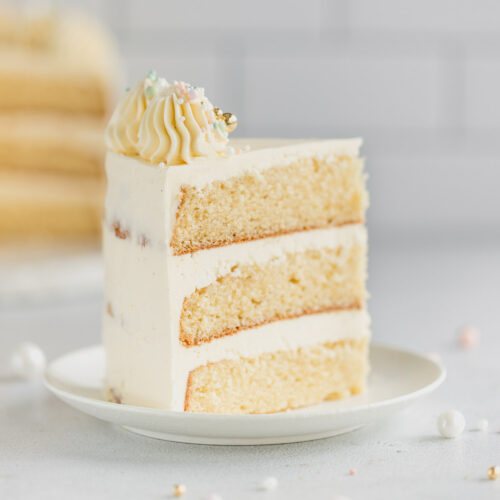
Now, picture a stunning three-layer cake that you've baked yourself. This isn't just any cake. It's a masterpiece, a showstopper, and a testament to your culinary skills. Whether you're celebrating a birthday, an anniversary, or just the joy of baking, a three-layer cake is the perfect centerpiece.
But, how do you go from a simple batter to a towering delight? Don’t worry; it’s simpler than you think! In this guide, you’ll discover step-by-step instructions, clever tips, and the secrets to baking a cake that will not only impress your guests but also leave them craving for more. Ready to transform your baking game and become the star of your own kitchen? Let's dive in!
Choosing The Right Ingredients
Baking a three layer cake needs good ingredients. Choosing the right ones helps your cake taste great and look perfect.
Each ingredient has a role. Picking quality items makes the baking process easier and the final cake better.
Essential Baking Supplies
You need some basic supplies before baking. These tools help you measure and mix ingredients correctly for a smooth baking experience.
- Measuring cups and spoons
- Mixing bowls of various sizes
- Electric mixer or whisk
- Spatula and wooden spoon
- Cake pans (three of the same size)
- Cooling rack
Picking Quality Ingredients
Quality ingredients affect the cake’s texture and flavor. Use fresh and pure items to bake a tasty cake that layers well.
| Ingredient | What to Look For | Notes |
| Flour | All-purpose, fresh | Sift before use to avoid lumps |
| Sugar | Granulated white sugar | Check for clumps or moisture |
| Butter | Unsalted, fresh | Softened to room temperature |
| Eggs | Large, fresh | Use at room temperature |
| Baking powder | Fresh and active | Check expiry date for best rise |
| Milk | Whole or 2% | Fresh and cold |
Preparing The Cake Batter
Baking a three layer cake starts with making the batter. The batter must be smooth and light to get soft cakes. Good preparation helps layers bake evenly.
Focus on measuring ingredients well and mixing the batter gently. These steps make the cake taste great and look nice.
Measuring Ingredients Accurately
Use the right tools to measure ingredients. Dry ingredients need dry measuring cups. Liquid ingredients need liquid measuring cups.
Level off dry ingredients with a flat edge. Do not pack flour or sugar. This keeps the amounts correct for the recipe.
- Use a digital scale for best accuracy
- Spoon flour into the cup, then level it
- Fill liquid cups to the marked line
- Measure ingredients at room temperature
Mixing Techniques For Fluffy Batter
Mix ingredients gently to keep air in the batter. This air makes the cake light and fluffy after baking.
Use a mixer on low speed or stir by hand. Stop mixing once the ingredients blend well. Overmixing can make the cake dense.
- Cream butter and sugar until light and fluffy
- Add eggs one at a time, mixing lightly
- Alternate adding dry and wet ingredients
- Fold in flour carefully with a spatula
Baking The Cake Layers
Baking the cake layers is an important step. It gives the cake its shape and texture.
You want each layer to bake evenly. This helps the cake look nice when stacked.
Preheating And Preparing Pans
Preheat your oven before baking. This makes sure the cake cooks at the right speed.
Grease your pans well. Use butter or cooking spray to stop the cake from sticking.
- Set oven to the correct temperature before baking
- Use the same size pans for all layers
- Line pans with parchment paper for easy removal
- Grease sides and bottom of pans thoroughly
Baking Time And Temperature Tips
Bake the layers at a steady temperature. Avoid opening the oven door often.
Check the cake layers a few minutes before the timer ends. Use a toothpick to test doneness.
- Common baking temperature: 350°F (175°C)
- Bake time usually ranges from 25 to 35 minutes
- Toothpick comes out clean when cake is done
- Let layers cool in pans for 10 minutes before removing
Credit: applecakeannie.com
Cooling And Leveling Layers
After baking your three layer cake, cooling and leveling the layers is key. Proper cooling stops the cake from crumbling when you frost it.
Leveling layers helps the cake stack evenly and look neat. Follow these tips for best results.
Proper Cooling Methods
Cool your cake layers carefully to keep their shape and texture. Avoid stacking or wrapping warm cakes. Use these methods:
- Let the cakes cool in their pans for 10 to 15 minutes.
- Run a knife around the edges to loosen the cake from the pan.
- Invert the cake onto a wire rack to cool completely.
- Allow at least one hour for the layers to cool before trimming.
- Keep the layers uncovered to prevent moisture buildup.
Trimming For Even Layers
Trim the tops of your cake layers to make them flat and even. This helps the cake stack well and look professional.
| Tool | Purpose | Tip |
| Long serrated knife | Cut off domed tops | Use a sawing motion |
| Cake leveler | Slice layers evenly | Adjust blade height before cutting |
| Turntable | Rotate cake smoothly | Hold knife steady as you turn |
Making The Frosting
Frosting is the sweet layer that covers your cake. It adds flavor and texture. Choosing the right frosting is important for your three layer cake.
Whipping and flavoring the frosting the right way makes it smooth and tasty. Let’s look at how to pick and prepare frosting.
Choosing The Right Frosting
There are many types of frosting. Some are creamy, some are light, and others are rich. Pick one that matches your cake’s taste and texture.
- Buttercream: Smooth and sweet, easy to spread.
- Cream Cheese: Tangy and soft, works well with chocolate or carrot cake.
- Whipped Cream: Light and airy, best for fresh fruit cakes.
- Ganache: Rich and shiny, made from chocolate and cream.
Whipping And Flavoring Tips
Whip frosting until it is fluffy but not too stiff. Use low speed at first, then increase for best texture. Add flavors carefully to keep balance.
| Flavor | Best Use |
| Vanilla Extract | Classic and sweet for all frostings |
| Lemon Zest | Adds fresh, bright notes |
| Almond Extract | Gives a nutty, rich taste |
| Cocoa Powder | For chocolate frosting |
Assembling The Cake
Assembling a three-layer cake is an important step. It brings the cake layers and frosting together.
You need to be gentle and precise to keep the cake looking great.
Layering With Frosting
Start by placing one cake layer on your plate. Spread an even layer of frosting over it.
Use a spatula to smooth the frosting. This helps the next layer stick well.
- Place the first cake layer on a flat surface
- Spread frosting evenly with a spatula
- Keep the frosting about ¼ inch thick
- Make sure the frosting covers the entire surface
Stacking And Stabilizing
Carefully place the second cake layer on top of the frosted layer. Press it down gently.
Repeat frosting and stacking for the third layer. Use a cake board or dowels if needed.
- Place layers straight to avoid leaning
- Use dowels for tall cakes to add support
- Press layers lightly to avoid squishing frosting
- Chill the cake to help it set before decorating
Decorating Ideas
Decorating a three layer cake makes it look special and tasty. You can use simple tricks to make your cake beautiful.
Try different ways to add style with frosting and toppings. This helps your cake stand out at any event.
Simple Piping Techniques
Piping uses a bag and tip to add frosting designs. It can create pretty shapes on the cake.
Start with basic shapes like stars, dots, and shells. These shapes are easy and look nice.
- Use a star tip to make small stars around the edges
- Make dots with a round tip for a simple border
- Create shell patterns by squeezing and pulling the bag
- Try rosettes by swirling frosting in circles
Adding Toppings And Garnishes
Adding toppings can make your cake colorful and tasty. Use fruits, nuts, or candies as garnishes.
Place toppings evenly or in groups to create good balance. This helps the cake look neat and inviting.
- Fresh berries add bright color and fresh flavor
- Chopped nuts give a crunchy texture
- Chocolate shavings or curls add a rich look
- Edible flowers bring natural beauty
- Sprinkles add a fun and festive touch

Credit: sallysbakingaddiction.com
Storage And Serving Tips
Baking a three-layer cake is fun, but storing and serving it well is important. Proper care keeps the cake moist and tasty.
These tips help you keep the cake fresh and serve it in the best way to enjoy every bite.
Keeping The Cake Fresh
Keep your cake covered to stop it from drying out. Use a cake dome or wrap it gently with plastic wrap.
Store the cake in a cool place. If the room is warm, keep it in the fridge to avoid spoilage.
- Cover the cake with a cake dome or plastic wrap
- Keep it in a cool, dry place or the refrigerator
- Bring refrigerated cake to room temperature before serving
- Avoid leaving the cake out uncovered for long periods
Best Serving Practices
Use a sharp knife to slice the cake cleanly. Wipe the knife between cuts to keep slices neat.
Serve the cake at room temperature. This helps the flavors and texture to be at their best.
- Use a sharp, clean knife for cutting
- Wipe the knife after each slice
- Serve cake at room temperature for best taste
- Pair the cake with fresh fruit or whipped cream if desired

Credit: americancakedecorating.com
Frequently Asked Questions
How Long To Bake Each Cake Layer?
Bake each layer for 25-30 minutes at 350°F (175°C). Check doneness with a toothpick inserted in the center. If it comes out clean, the layer is ready. Baking times may vary slightly depending on oven type and pan size.
What Frosting Works Best For A Three-layer Cake?
Buttercream frosting is ideal for three-layer cakes. It spreads easily and holds layers together well. Cream cheese or whipped cream frostings also work but may require refrigeration. Choose a flavor that complements the cake layers for the best taste.
How To Prevent Cake Layers From Drying Out?
Avoid overbaking and use a toothpick to test doneness. Let layers cool completely before frosting. Wrap layers in plastic wrap if not assembling immediately. Adding simple syrup to layers before frosting also helps keep the cake moist.
Can I Use Different Flavors For Each Layer?
Yes, using different flavors adds variety and visual appeal. Ensure all layers have similar baking times for even doneness. Match complementary frosting flavors to create a balanced taste experience. This approach makes your cake unique and exciting.
Conclusion
Baking a three layer cake is easier than it seems. Follow each step with care and patience. Mixing, baking, and stacking create a beautiful dessert. Use simple ingredients and take your time. Enjoy the process and share your cake with others.
Baking brings joy and delicious results. Try this recipe again to improve your skills. Your homemade cake will impress friends and family. Keep practicing, and baking will become even more fun.