Are your kitchen drawers looking worn or outdated? Attaching new drawer fronts can transform your kitchen’s look without a full renovation.
But if you’re unsure where to start or worried about making mistakes, you’re in the right place. In this guide, you’ll learn simple, step-by-step tips to attach kitchen drawer fronts quickly and securely. By the end, you’ll have the confidence to refresh your kitchen with a professional touch—no special tools or skills needed.
Keep reading, and let’s make your kitchen drawers look brand new!
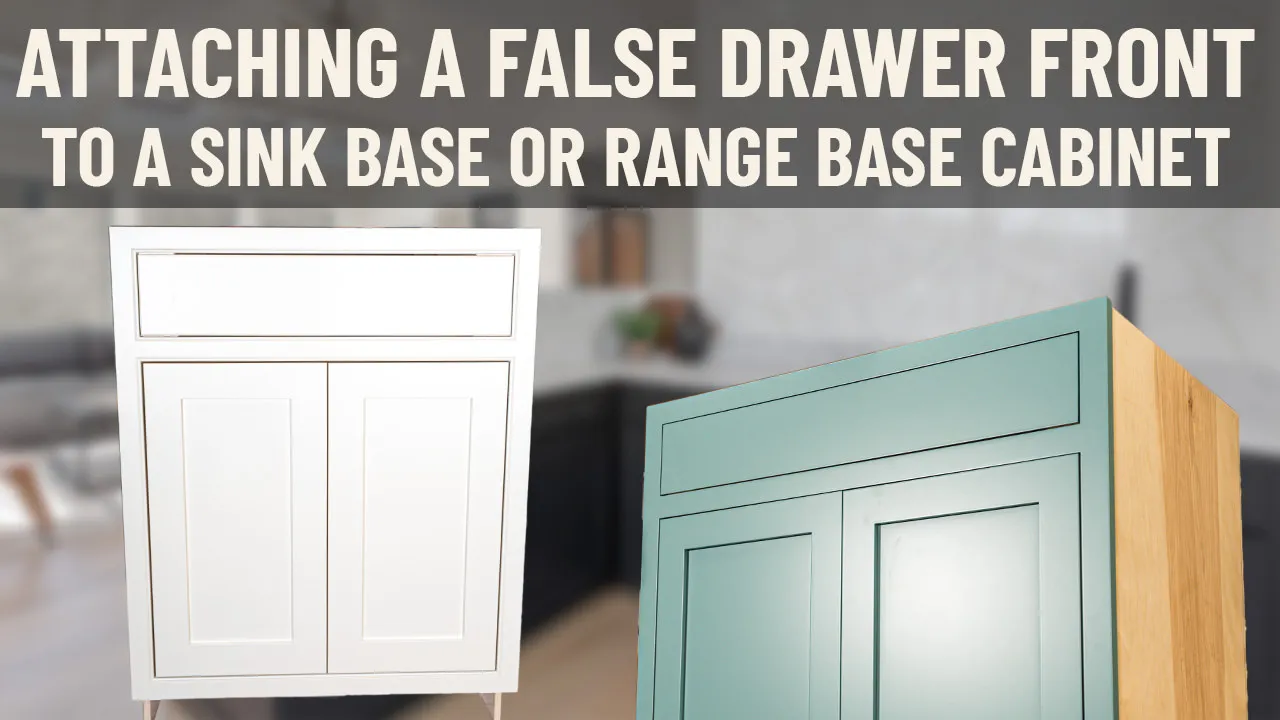
Credit: www.cabinetjoint.com
Tools And Materials Needed
Attaching kitchen drawer fronts needs the right tools and materials. This guide lists what you need for a smooth project.
Gathering everything first saves time and helps avoid mistakes. Use this list to prepare before you start.
Essential Tools
You need some basic tools to attach drawer fronts correctly. These tools help you measure, align, and fasten the fronts.
- Measuring tape
- Level
- Drill with screwdriver bits
- Clamps
- Wood screws
- Pencil for marking
- Square tool
Choosing The Right Drawer Fronts
Pick drawer fronts that match your kitchen style and fit your drawers. Size and material affect how they look and work.
| Type | Description | Best For |
| Solid Wood | Durable and classic | Traditional kitchens |
| MDF with Veneer | Smooth surface, paint-friendly | Modern or painted finishes |
| Laminate | Easy to clean, many colors | Budget-friendly and casual kitchens |
| Glass Fronts | Showcase contents | Open and bright spaces |
Additional Supplies
Besides tools and drawer fronts, you will need some extra supplies for a clean and secure installation.
- Wood glue for extra hold
- Sandpaper to smooth edges
- Touch-up markers for scratches
- Protective gloves
- Cleaning cloth
Preparing The Drawer
Attaching new kitchen drawer fronts starts with preparing the drawer properly. This step ensures a smooth installation and a perfect fit for your new fronts.
Careful preparation helps avoid damage and saves time during the project. Focus on removing old fronts, cleaning, inspecting, and measuring accurately.
Removing Old Drawer Fronts
Removing the old drawer fronts carefully prevents damage to the drawer box. Use the right tools and take your time to avoid scratches or splits.
- Open the drawer fully and support it to prevent falling.
- Locate and remove screws or nails holding the front in place.
- Gently pull the drawer front away from the box.
- Use a putty knife if the front is glued or painted shut.
- Keep screws and hardware for reuse or replacement.
Cleaning And Inspecting
Cleaning the drawer box removes dirt and old glue. Inspecting helps find damage or warping that needs fixing before attaching new fronts.
- Wipe the drawer box with a damp cloth to remove dust and grease.
- Check the edges for cracks, chips, or loose joints.
- Fill small holes or dents with wood filler and let dry.
- Sand rough spots smooth to ensure a flat surface.
- Replace any broken parts to keep the drawer sturdy.
Measuring For New Fronts
Accurate measurements are key to fitting new drawer fronts correctly. Measure the drawer box and note all important dimensions before ordering or cutting new fronts.
| Measurement | How to Measure | Notes |
|---|---|---|
| Width | Measure across the front edge of the drawer box | Measure both top and bottom for consistency |
| Height | Measure from top to bottom edge of the drawer front | Include any overlap or reveal desired |
| Thickness | Check thickness of old front or desired new front | Affects hardware choice and fit |
| Screw Hole Positions | Measure distance between existing holes | Use for drilling new fronts accurately |
Aligning The Drawer Front
Attaching kitchen drawer fronts requires careful alignment. Proper alignment ensures the drawer opens smoothly and looks neat.
This guide covers key steps to align drawer fronts correctly. Focus on marking placement, using spacers, and checking level and fit.
Marking Placement
Begin by marking where the drawer front will sit. Use a pencil to draw light guide lines on the drawer box. This helps position the front correctly before attaching.
Measure the distance from the drawer edges to ensure even spacing. Mark both vertical and horizontal lines for accuracy.
Using Spacers For Consistency
Spacers keep the gaps between drawer fronts and cabinets uniform. Use thin pieces of wood or plastic as spacers during installation.
- Place spacers at the top and sides of the drawer front.
- Check that the spacers are the same thickness for all drawers.
- Adjust the drawer front until it sits flush against the spacers.
- Secure the drawer front while spacers hold the position.
Checking For Level And Fit
After attaching, check if the drawer front is level and fits well. Use a level tool and open the drawer to test alignment.
| Check Point | What to Look For | Action |
| Horizontal Level | Drawer front should be even left to right | Adjust screws or reposition front |
| Vertical Fit | Drawer front should not stick out or be recessed | Use spacers or sand edges if needed |
| Drawer Operation | Drawer should open and close smoothly | Tighten or loosen attachments |

Credit: www.yahoo.com
Attaching The Drawer Front
Attaching the drawer front is an important step in kitchen drawer assembly. It makes the drawer look good and work well.
Careful attachment helps the drawer front stay strong and aligned. Follow simple steps to do this right.
Pre-drilling Holes
Pre-drilling holes prevents the wood from splitting. It also makes screw insertion easier and neater.
Mark the spots on the drawer front where you will attach screws. Use a drill bit smaller than the screws.
- Measure and mark screw positions carefully
- Use a drill bit about 70% of screw diameter
- Drill straight holes to keep screws aligned
Securing With Screws
Use screws to firmly attach the drawer front to the drawer box. Choose screws that are the right size.
Insert screws into the pre-drilled holes. Tighten them until the drawer front fits snugly without gaps.
- Pick screws long enough to hold but not poke through
- Drive screws slowly to avoid stripping
- Check alignment before fully tightening screws
Using Clamps For Stability
Clamps hold the drawer front in place while you attach it. They keep everything steady and aligned.
Place clamps on the drawer front and box before driving screws. This stops movement and ensures a tight fit.
- Use bar clamps or C-clamps for strong hold
- Clamp evenly to avoid crooked fronts
- Remove clamps only after screws are tight
Finishing Touches
Attaching kitchen drawer fronts is almost complete at this stage. The last steps ensure your drawers look great and work well.
Focus on fit, hardware, and cleaning to give your kitchen a polished look.
Adjusting Fit And Alignment
Check the drawer fronts for even spacing on all sides. Use a level to keep them straight. Adjust screws or mounting brackets to fix gaps or misalignment.
- Loosen screws slightly to move the drawer front.
- Shift the drawer front up, down, left, or right.
- Tighten screws once the fit looks even.
- Open and close the drawer to test smooth operation.
Installing Handles Or Knobs
Handles and knobs add function and style to your drawers. Use the hardware that matches your kitchen design and the drawer front size.
| Type | Installation Tip | Common Use |
|---|---|---|
| Knobs | Install with one screw through pre-drilled hole. | Small drawers and cabinet doors. |
| Handles | Use two screws spaced evenly. | Wide or heavy drawers. |
| Pulls | Mount centered for balance. | Modern kitchen styles. |
Cleaning Up
Remove dust and fingerprints from drawer fronts and surrounding areas. Clean tools and hardware to keep your workspace tidy.
- Use a soft cloth with mild soap for wood surfaces.
- Avoid harsh chemicals that can damage finishes.
- Check hinges and screws for tightness after cleaning.
Common Mistakes To Avoid
Attaching kitchen drawer fronts seems easy but can cause problems if done wrong. Avoiding common mistakes helps your drawers fit well and look good.
Knowing what to watch out for saves time and prevents damage. Here are key mistakes to avoid when attaching drawer fronts.
Misalignment Issues
One common problem is misalignment of drawer fronts. If fronts are not level or centered, drawers look uneven and may not open well.
Check alignment before attaching. Use clamps or guides to keep fronts in place. Small shifts cause big problems later.
- Use a level to check horizontal alignment
- Ensure equal spacing between drawer fronts
- Attach slowly and adjust before tightening screws
Using Incorrect Fasteners
Using wrong screws or nails can damage the drawer or make the front loose. Fasteners too long can crack the wood.
Choose fasteners that fit the drawer thickness. Use screws made for cabinetry to hold fronts securely.
- Use screws designed for wood or cabinetry
- Pick correct length to avoid damage
- Pre-drill holes to prevent splitting
Skipping Measurement Steps
Not measuring properly causes fronts to be too big or too small. This leads to gaps or rubbing when drawers open.
Always measure twice before cutting or attaching. Mark exact spots for screws and check fit before final installation.
- Measure drawer width and height carefully
- Mark screw positions clearly before drilling
- Double-check measurements to avoid errors

Credit: www.familyhandyman.com
Frequently Asked Questions
How Do I Align Kitchen Drawer Fronts Properly?
To align drawer fronts, use a level and measuring tape. Adjust screws slowly to ensure even spacing. Check alignment from different angles for precision.
What Tools Are Needed To Attach Drawer Fronts?
You need a drill, screwdriver, measuring tape, level, and clamps. These tools help secure and align the drawer fronts correctly.
Can I Attach Drawer Fronts Without Removing Drawers?
Yes, but it’s easier with drawers removed. Removing drawers provides better access for precise attachment and alignment.
How Do I Avoid Gaps Between Drawer Fronts?
Use clamps to hold fronts tightly while securing screws. Measure carefully and adjust screws evenly to eliminate gaps.
Conclusion
Attaching kitchen drawer fronts can seem tricky. But it’s manageable with the right steps. Start by aligning the fronts accurately. Use a drill for precise holes. Secure screws firmly without overtightening. Double-check everything fits. This prevents future issues. Remember, a steady hand ensures a neat finish.
Regular maintenance keeps drawers in top shape. If you’re patient and careful, you’ll achieve professional results. Your kitchen will look great, and function well. Keep practicing, and it will get easier. Enjoy the satisfaction of a job well done. Happy DIY-ing!