How to Apply Mineral Oil to a Cutting Board is an easy step to keep it looking fresh and lasting longer. A well-oiled board prevents cracking, absorbs fewer odors, and stays smooth for cutting fruits, veggies, or meat.
By learning how to apply mineral oil correctly, you protect your board from damage and keep it safe for food prep. You’ll discover easy, practical tips to treat your cutting board like a pro—so it stays durable and beautiful for years to come.
Keep reading to find out exactly how to do it right.
Choosing The Right Mineral Oil
Applying mineral oil to a cutting board keeps it strong and clean. Picking the right mineral oil is important for safety and results.
Not all mineral oils are the same. Some are safer and better suited for kitchen use.
Food-grade Vs. Cosmetic Mineral Oil
Food-grade mineral oil is safe for surfaces that touch food. Cosmetic mineral oil is for skin and not always food safe.
Use food-grade oil on cutting boards to avoid health risks. Cosmetic oils may have ingredients that are not safe to eat.
- Food-grade mineral oil is tasteless and odorless
- It does not go bad or become sticky
- Cosmetic mineral oil may contain fragrances or additives
- Food-grade oil is often labeled as “USP” or “pharmaceutical grade”
Avoiding Toxic Additives
Choose mineral oil without harmful chemicals. Some oils have additives that can be toxic or irritate skin.
Look for pure mineral oil without fragrances, dyes, or other chemicals. This keeps your cutting board safe and clean.
- Check the ingredient list for purity
- Avoid mineral oils labeled for industrial use
- Choose oils labeled “food safe” or “USP grade”
- Pure mineral oil has no color or smell
Where To Buy Quality Mineral Oil
You can find food-grade mineral oil at drugstores, hardware stores, or online. Buy from trusted sellers to ensure quality.
Pharmacies often sell USP mineral oil. Kitchen supply stores and specialty shops may also have it.
- Pharmacies or drugstores
- Hardware or home improvement stores
- Online retailers with food-grade labels
- Specialty kitchen or woodworking shops

Credit: www.amazon.com
Preparing Your Cutting Board
Applying mineral oil keeps your cutting board in good shape. Preparing the board properly helps the oil soak in well. Clean and dry the board before applying oil.
Removing stains and odors makes the board fresh. Sanding smooths the surface so the oil spreads evenly. Follow these steps to prepare your cutting board.
Cleaning And Drying
Start by washing your cutting board with warm water and mild soap. Use a sponge or soft brush to scrub both sides well.
Rinse the board thoroughly to remove soap. Dry it completely with a clean towel. Let it air dry standing up for several hours.
Removing Stains And Odors
Stains and smells can stay even after washing. Use natural cleaners to remove them without harming the wood.
- Sprinkle baking soda on the board.
- Rub with half a lemon to lift stains and odors.
- Let it sit for 5 minutes, then rinse well.
Dry the board again after cleaning. This step ensures no moisture stays inside the wood.
Sanding For A Smooth Surface
Sanding smooths out rough spots and cuts deep stains. Use fine-grit sandpaper for the best results.
- Sand all sides lightly in the direction of the grain.
- Remove dust with a damp cloth.
- Let the board dry completely before oiling.
Applying Mineral Oil
Applying mineral oil keeps your cutting board safe and clean. It helps prevent cracking and drying out.
Regular oiling keeps wood strong and extends the board's life. Use the right technique for best results.
Amount Of Oil To Use
Use enough oil to cover the whole surface of the board. Avoid using too much oil at once.
A thin, even layer works best. The wood should look moist but not wet.
- Start with 1 to 2 tablespoons for a medium board
- Add more oil if the wood soaks it up quickly
- Do not pour oil directly; use a cloth or brush
Techniques For Even Application
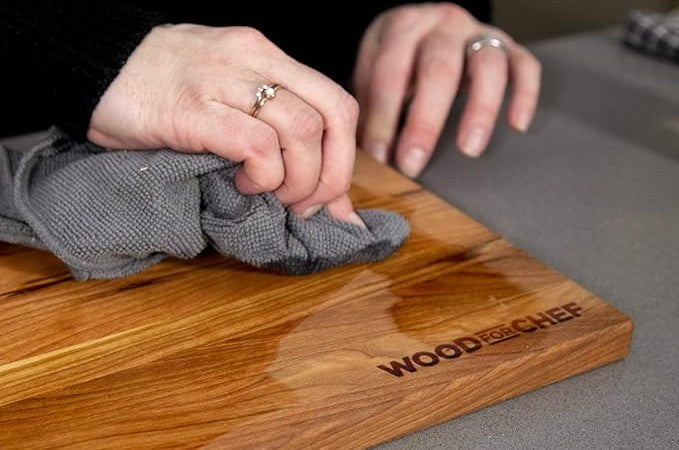
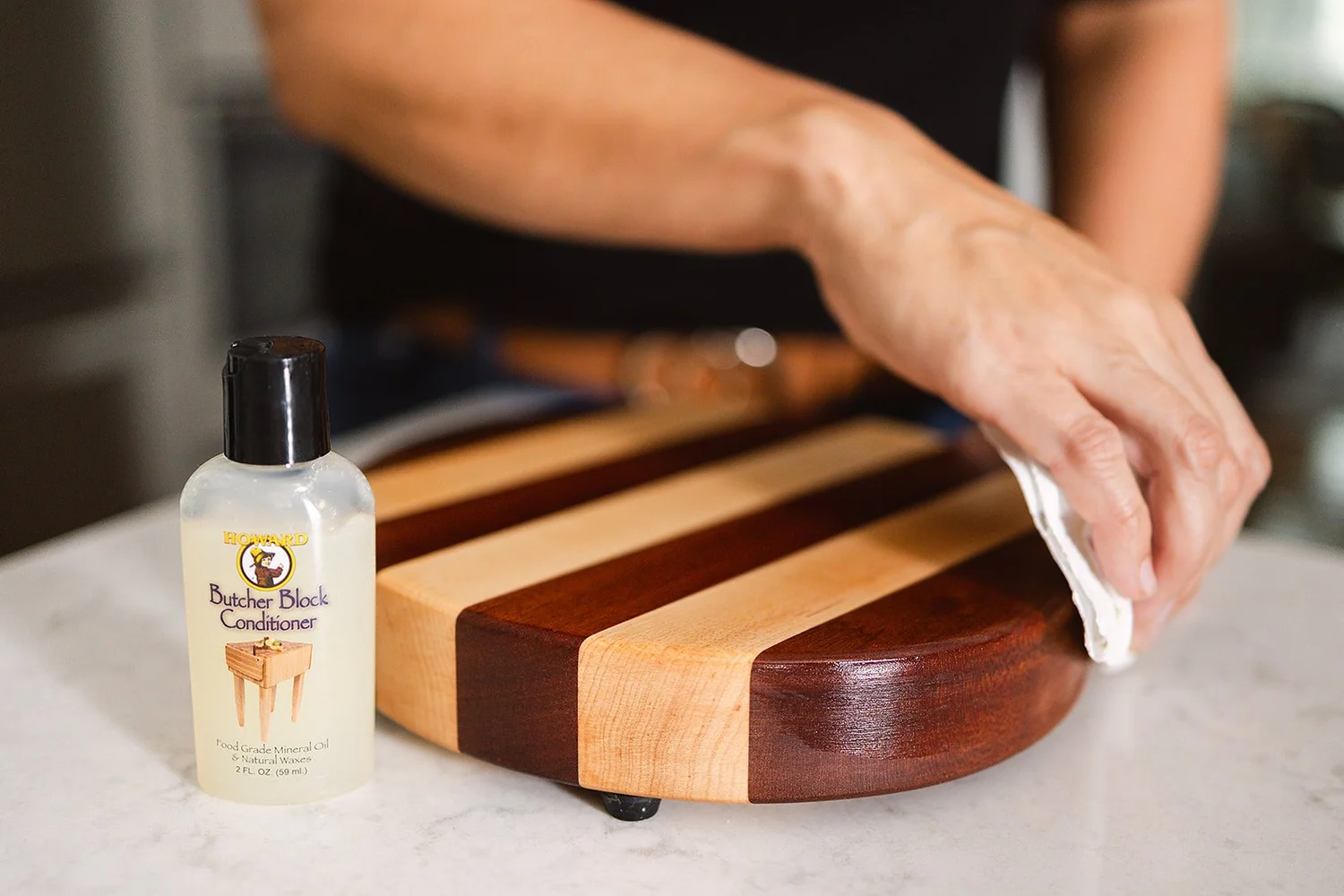
Use a clean, soft cloth or paper towel to spread the oil. Rub the oil in small circles for better coverage.
Cover all sides, including edges and ends. This protects the whole board from moisture.
- Apply oil with gentle, circular motions
- Make sure to oil the board’s sides and corners
- Use a brush for hard-to-reach areas
Allowing Proper Absorption Time
Let the board absorb the oil for several hours. This helps the wood soak in the oil fully.
If the board looks dry after a few hours, apply a second coat. Leave it to absorb overnight for best results.
- Wait at least 4 hours before using the board
- For best results, leave the oil overnight
- Wipe off any extra oil after absorption to avoid stickiness

Credit: www.amazon.com
Maintaining Your Cutting Board
Keeping your cutting board in good shape helps it last longer. Proper care protects the wood and keeps it safe for food.
Applying mineral oil is key to maintaining your board. It stops the wood from drying out and cracking.
Frequency Of Oil Application
Apply mineral oil regularly to keep your board protected. The frequency depends on how often you use it.
- If you use the board daily, oil it once a week.
- For occasional use, oil it once a month.
- New boards need oiling three times before first use.
- Always reapply when the wood looks dry or dull.
Cleaning After Use
Clean your cutting board properly to prevent damage and bacteria. Avoid soaking it in water or using harsh chemicals.
- Wipe off food scraps with a paper towel.
- Wash with warm water and mild soap.
- Rinse and dry immediately with a clean cloth.
- Let it air dry standing up before storing.
Preventing Cracks And Warping
Cracks and warping happen when wood loses moisture or gets wet too long. Proper care stops these issues.
| Cause | Prevention |
| Dry wood | Apply mineral oil regularly |
| Excess moisture | Dry board quickly after washing |
| Heat exposure | Keep board away from heat sources |
| Storing flat when wet | Store upright to air dry |
Common Mistakes To Avoid
Applying mineral oil to a cutting board helps protect and extend its life. Many people make simple mistakes during this process. Avoiding these errors keeps your board in good condition.
Learn about the common mistakes to avoid. This guide covers the wrong oil type, how much oil to use, and regular care tips.
Using The Wrong Oil Type
Not all oils are safe for cutting boards. Some oils can go rancid and harm the wood or food. Mineral oil is the best choice because it is food-safe and does not spoil.
- Avoid cooking oils like olive or vegetable oil.
- Never use motor oil or other non-food oils.
- Choose pure mineral oil without additives.
Over-oiling Or Under-oiling
Using too much or too little mineral oil can damage your cutting board. Over-oiling leaves a sticky surface. Under-oiling lets the wood dry out and crack.
| Oil Amount | Effect |
| Too Much | Sticky surface, attracts dirt |
| Too Little | Wood dries, cracks, and warps |
| Just Right | Protects wood, smooth finish |
Neglecting Regular Maintenance
Mineral oil needs to be applied regularly. Skipping maintenance can cause the wood to dry out. This makes the board less safe and less attractive.
Tips for regular care:
- Apply mineral oil once a month or after heavy use.
- Clean the board before oiling to remove food and dirt.
- Store the board in a dry place to avoid moisture damage.
Alternative Oils And Finishes
Mineral oil is common for cutting boards, but other oils and finishes work too. These options protect wood and keep boards looking good.
Choosing the right finish depends on your needs and preferences. Here are some alternatives to mineral oil.
Beeswax And Mineral Oil Blends
Beeswax mixed with mineral oil creates a thicker finish. This blend seals the wood better than oil alone.
The wax adds a smooth layer that repels water and dirt. It also makes the board look shiny and polished.
- Apply mineral oil first to soak in
- Rub beeswax on after oil dries
- Buff the board for a smooth finish
- Use blend for extra water resistance
Natural Oils To Consider
Some natural oils work well for cutting boards. These oils soak in and protect wood without harmful chemicals.
Common natural oils include:
- Coconut oil (use fractionated to avoid rancidity)
- Walnut oil (drying oil, good for cutting boards)
- Linseed oil (make sure it is food-grade)
- Safflower oil (light and easy to apply)
Natural oils may need more frequent reapplication than mineral oil.
Pros And Cons Of Different Finishes
| Finish | Pros | Cons |
|---|---|---|
| Mineral Oil | Safe, easy to apply, cheap | Needs frequent reapplication |
| Beeswax & Mineral Oil Blend | Water-resistant, smooth finish | More effort to apply |
| Coconut Oil | Natural, smells nice | Can go rancid if not fractionated |
| Walnut Oil | Hardens wood surface | Possible allergies |
| Linseed Oil | Durable finish | Must be food-grade and cured properly |

Credit: www.reddit.com
Frequently Asked Questions
How Often Should I Apply Mineral Oil To A Cutting Board?
Apply mineral oil once a month for regular use. For new boards, oil weekly for the first month. This maintains moisture and prevents cracking or warping.
Can I Use Mineral Oil On All Cutting Board Types?
Mineral oil is safe for wooden and bamboo boards. Avoid using it on plastic or glass boards, as it won’t absorb or protect properly.
How Much Mineral Oil Do I Need Per Application?
Use enough mineral oil to coat the board’s surface evenly. Usually, 1-2 tablespoons suffice. Apply more if the wood absorbs it quickly.
Should I Clean The Cutting Board Before Oiling?
Yes, always clean and dry the cutting board before applying mineral oil. This removes food particles and prevents trapping bacteria under the oil.
Conclusion
Caring for your cutting board is simple and essential. Applying mineral oil keeps it in top condition. It protects the wood and enhances its appearance. Regular oiling prevents cracks and prolongs the board’s life. Always clean your board before oiling.
Use a soft cloth for even application. Let it absorb overnight for best results. Make it a habit to oil monthly. This practice ensures your board stays durable. Enjoy preparing meals on a well-maintained surface. A little effort goes a long way.
Happy cooking!