Have you ever wondered how many watts your Kitchen Aid blender uses? You’re not alone.
Understanding the wattage of your blender can make a big difference in how you prepare your meals and drinks. Whether you're blending a morning smoothie, crafting a creamy soup, or crushing ice for a cocktail, knowing the power behind your blender can help you get the most out of it.
We'll delve into why the wattage matters and what it means for your everyday blending needs. Stick around to discover how this little detail can transform your kitchen experience, making you more efficient and ensuring your recipes turn out just right every time.

Credit: aghasarkissian.com
Kitchenaid Blender Power Range
KitchenAid blenders come in different power levels. The wattage affects how well they blend tough ingredients.
Choosing the right power depends on your blending needs and kitchen tasks.
Low Wattage Models
Low wattage KitchenAid blenders usually have under 300 watts. They work well for soft fruits and light blending.
These models are good for simple smoothies and small tasks.
- Power ranges from 200 to 300 watts
- Best for soft ingredients
- Compact and easy to use
Mid-range Wattage Options
Mid-range models offer between 300 and 600 watts. They handle most kitchen blending tasks well.
These blenders can crush ice and blend tougher foods like nuts.
- Power ranges from 300 to 600 watts
- Suitable for smoothies, sauces, and soups
- Offers a balance of power and size
High Wattage Blenders
High wattage KitchenAid blenders have 600 watts or more. They are strong and can handle heavy-duty tasks.
These blenders work well for tough ingredients and frequent use.
- Power ranges from 600 to 700+ watts
- Great for crushing ice and hard vegetables
- Designed for high performance and durability
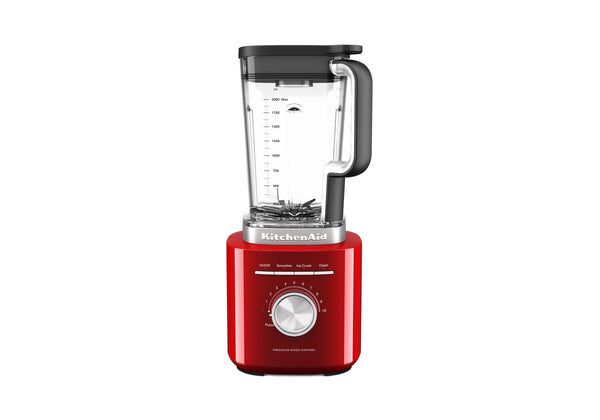
Credit: kitchenaid.com.au
Factors Affecting Blender Power
The power of a Kitchen Aid blender depends on several key factors. These elements affect how well the blender handles different tasks. Understanding them helps you choose the right blender for your needs.
Power is not just about watts. The motor design, blade shape, and jar material all play important roles. Each factor influences the blender’s overall performance and efficiency.
Motor Size And Speed
The motor size determines the blender’s strength. Larger motors usually mean higher wattage and more power. Speed settings control how fast the blades spin, affecting blending quality.
- Higher wattage motors can crush harder ingredients.
- Variable speed lets you adjust blending for different recipes.
- Some blenders have pulse options for quick bursts of power.
Blade Design
Blade shape and material affect how well the blender chops and mixes. Sharp, angled blades create better flow and cut ingredients faster. Stainless steel blades resist rust and last longer.
| Blade Feature | Effect on Blending |
| Sharp edges | Cut ingredients efficiently |
| Angled blades | Improve mixing and circulation |
| Durable steel | Increase blade lifespan |
Jar Material And Size
The jar’s size and material impact the blender’s power use. Larger jars need more power to blend evenly. Materials like glass, plastic, or metal each have pros and cons for durability and weight.
- Glass jars resist stains and odors but are heavier.
- Plastic jars are lighter but may scratch over time.
- Metal jars are durable but may hide contents during blending.
- Bigger jars require stronger motors for smooth blending.
Power And Performance
Kitchen Aid blenders come with different wattage levels. This wattage shows the motor's power.
Power affects how well the blender handles different tasks. Strong motors blend ingredients faster and smoother.
Blending Tough Ingredients
Kitchen Aid blenders with higher watts can crush hard foods like ice and nuts easily.
Models with around 500 to 600 watts work well for tough ingredients. They reduce blending time and strain on the motor.
- Higher watts mean better crushing ability
- Strong motors avoid overheating
- Tough ingredients blend evenly
Smoothie And Puree Efficiency
For smoothies and purees, Kitchen Aid blenders offer smooth results with less power.
Blenders with 300 to 450 watts handle fruits and vegetables well. They create creamy textures without lumps.
- Moderate watts save energy
- Efficient blending for soft foods
- Good for daily smoothie use
Noise Levels And Power
More powerful Kitchen Aid blenders tend to make more noise. The motor speed affects sound levels.
Lower watt blenders run quieter but may take longer to blend. High watt blenders finish faster but are louder.
- High power increases noise
- Lower power means quieter use
- Choose based on blending needs
Comparing Kitchenaid To Other Brands
KitchenAid blenders are known for their solid build and good power. Many wonder how they stand against other blender brands. Comparing wattage, performance, and price helps buyers make smart choices.
This article looks at KitchenAid blender wattage, how they perform, and their cost versus power. This can guide you in picking the right blender for your kitchen needs.
Wattage Comparison
Wattage shows how strong a blender motor is. KitchenAid blenders usually have 300 to 550 watts. Other brands often have more or less power depending on the model.
| Brand | Wattage Range | Common Models |
|---|---|---|
| KitchenAid | 300-550 W | K400, K150 |
| Ninja | 700-1200 W | Professional, Foodi |
| Vitamix | 1200-1500 W | 5200, Explorian |
| Oster | 400-700 W | Pro 1200, My Blend |
Performance Differences
Higher wattage usually means stronger blending power. KitchenAid blenders work well for daily tasks like smoothies and sauces. Brands with higher wattage can handle tougher ingredients.
- KitchenAid blends soft to medium foods smoothly.
- Ninja handles ice crushing and thick mixtures easily.
- Vitamix excels in heavy-duty blending and hot soups.
- Oster offers balanced performance for moderate use.
Price Vs Power
Price often rises with power and features. KitchenAid blenders are mid-priced, good for moderate power needs. Other brands may cost more for extra wattage and advanced functions.
| Brand | Average Price | Typical Wattage |
|---|---|---|
| KitchenAid | $100 - $250 | 300-550 W |
| Ninja | $80 - $200 | 700-1200 W |
| Vitamix | $350 - $600 | 1200-1500 W |
| Oster | $50 - $150 | 400-700 W |
Choosing The Right Wattage
Knowing the wattage of your Kitchen Aid blender helps you pick the best one. Wattage shows how powerful the blender motor is.
Choosing the right wattage depends on what you want to do with your blender. This guide will help you decide.
Daily Kitchen Needs
Your daily kitchen tasks affect the wattage you need. Small jobs like making smoothies need less power.
- Light tasks: 300 to 500 watts
- Medium tasks: 500 to 700 watts
- Heavy tasks: over 700 watts
Frequency Of Use
How often you use the blender matters. Frequent use needs a stronger motor for long life and better results.
| Use Frequency | Recommended Wattage |
| Occasional | 300-500 watts |
| Regular | 500-700 watts |
| Daily/Heavy | 700+ watts |
Budget Considerations
Your budget can limit your choices. Higher wattage blenders cost more but last longer and work better.
- Set a max price before shopping
- Compare wattage and price
- Check for warranty and reviews
- Consider second-hand options
Energy Consumption Tips
Kitchen Aid blenders use different watt levels depending on the model. Knowing how to save energy while using your blender is helpful. Small changes can lower your electricity bill.
Using your blender efficiently helps reduce power waste. This guide offers simple ways to save energy and keep your appliance safe.
Maximizing Efficiency
Using your Kitchen Aid blender with care can lower energy use. Avoid running it longer than needed. Blend in short bursts instead of one long cycle.
- Use the lowest speed setting that works for your recipe.
- Cut ingredients into small pieces to blend faster.
- Fill the blender jar properly to avoid overworking the motor.
- Unplug the blender when not in use to save standby power.
Maintaining Your Blender
Regular care keeps your blender running smoothly and saves energy. Clean blades and motor parts help it work well and use less power.
| Maintenance Task | Frequency |
| Clean blades after every use | Daily |
| Check motor vent for dust | Monthly |
| Tighten loose parts | Every 3 months |
| Replace worn blades | As needed |
Safety Precautions
Safety is key when using a Kitchen Aid blender. Follow these tips to avoid accidents and protect your appliance.
- Do not overload the blender jar beyond the max fill line.
- Always secure the lid before turning on the blender.
- Keep hands and utensils out of the jar while blending.
- Unplug the blender before cleaning or repairing it.
- Use the blender on a flat, stable surface to prevent tipping.

Credit: www.amazon.in
Frequently Asked Questions
How Many Watts Does A Kitchen Aid Blender Use?
Kitchen Aid blenders typically use between 300 and 550 watts. The exact wattage varies by model, influencing blending power and efficiency.
Does Higher Wattage Improve Kitchen Aid Blender Performance?
Yes, higher wattage generally means stronger motor power. This helps blend tougher ingredients smoothly and efficiently without overheating.
Which Kitchen Aid Blender Has The Highest Wattage?
The Kitchen Aid Pro Line Series Blender has the highest wattage, around 1800 watts. It is designed for heavy-duty blending tasks.
Can A Low Wattage Kitchen Aid Blender Handle Tough Ingredients?
Lower wattage models can handle soft ingredients well but may struggle with hard or frozen items. High wattage models perform better with tough blends.
Conclusion
Kitchen Aid blenders come with different watt options. This affects how well they blend tough ingredients. Higher watts mean stronger motors and smoother results. Choosing the right watt depends on your kitchen needs. Think about what you will blend most often.
A good watt range can make your tasks easier. Understanding the watt power helps you pick the best blender. This way, you get the performance you want every time.