How Many Pot Lights in a Kitchen 2026 Guide Lighting Tips
Are you planning a kitchen renovation or simply looking to brighten up your culinary space? Lighting plays a crucial role in creating the right atmosphere and functionality in your kitchen.
But when it comes to How Many Pot Lights in a Kitchen, it's a question that puzzles many homeowners. Get it wrong, and you could end up with a dimly lit space or, worse, a kitchen that resembles an overlit showroom.
In this guide, we'll shed light on the ideal number of pot lights your kitchen needs to ensure both style and function. Stick around, and you'll discover the perfect balance to transform your kitchen into a warm and inviting hub of your home.

Credit: sunco.com
Choosing Pot Lights For Kitchens
Pot lights provide bright, even lighting in kitchens. They help make cooking and cleaning easier.
Picking the right pot lights means thinking about style, energy use, and the types of lights.
Types Of Pot Lights
There are several types of pot lights. Each type suits different kitchen needs and styles.
- Recessed Lights: Installed flush with the ceiling for a clean look.
- Adjustable or Gimbal Lights: Can be angled to highlight areas or objects.
- Surface-Mount Pot Lights: Attached directly to the ceiling, used when recessed is not possible.
- IC Rated Lights: Safe for ceilings with insulation.
Energy Efficiency Considerations
Energy-efficient pot lights save money on electricity bills. They also last longer than traditional bulbs.
LED pot lights use less energy and give off less heat. Choose LED bulbs to reduce power use.
- Look for ENERGY STAR rated fixtures for best efficiency.
- Use dimmable lights to control brightness and save energy.
- Choose bulbs with a long lifespan to reduce replacements.
Design Styles And Finishes
Pot lights come in many styles and finishes. Pick one that matches your kitchen decor.
Common finishes include white, black, brushed nickel, and bronze. These blend with or highlight your ceiling.
- White finish: Good for a seamless look on white ceilings.
- Black finish: Offers contrast and hides the light source.
- Metal finishes: Add a modern or classic touch.
- Trim styles: Choose smooth, baffle, or reflector trims for different light effects.
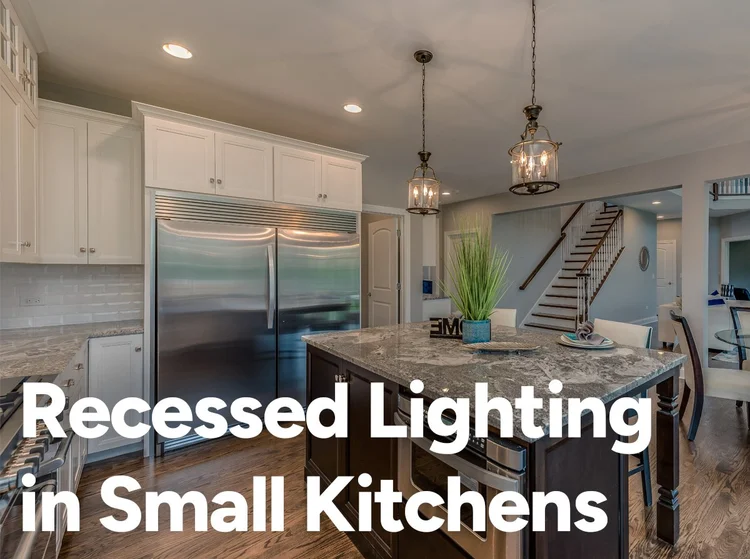
Credit: blog.1000bulbs.com
Calculating Pot Light Quantity
Pot lights brighten kitchens evenly and improve the workspace. To get the right amount, you need to calculate how many lights to install.
This guide shows how to measure your kitchen and decide the number of pot lights needed for good lighting.
Measuring Kitchen Size
First, find the kitchen's length and width in feet. Multiply these numbers to get the total square footage.
- Measure the length of the kitchen.
- Measure the width of the kitchen.
- Multiply length by width to find the area.
Light Output Per Fixture
Each pot light gives a certain amount of light, shown in lumens. Kitchens usually need about 5000 lumens in total.
| Light Type | Typical Lumens per Fixture |
| LED Pot Light | 600 |
| Halogen Pot Light | 500 |
| Incandescent Pot Light | 450 |
Spacing Guidelines
Space pot lights evenly to avoid dark spots. A good rule is to space lights half the distance of the ceiling height.
Example for spacing:
- Ceiling height: 8 feet
- Spacing between lights: 4 feet
This spacing helps spread light well across the kitchen.
Layout Ideas For Pot Lights
Pot lights can brighten your kitchen evenly and beautifully. Planning their layout helps you get the right amount of light.
Good lighting makes cooking and cleaning easier. It also creates a warm, inviting space.
Even Lighting Patterns
Even lighting spreads light across the whole kitchen. It reduces shadows and dark spots.
Place pot lights in a grid pattern on the ceiling. Space them about 4 to 6 feet apart for balance.
- Measure your kitchen size first
- Keep lights at least 2 feet from walls
- Adjust spacing for ceiling height
- Use dimmers to control brightness
Task Lighting Zones
Task lighting focuses on work areas like counters and sinks. It helps you see clearly while cooking.
Install pot lights directly above these zones. Use brighter bulbs for better visibility.
- Above stove and cooktop
- Over kitchen island or prep area
- Near sink and dishwashing area
- Under cabinets can add extra light
Accent Lighting Tips
Accent lighting highlights design features like backsplashes or cabinets. It adds depth and style to your kitchen.
Use adjustable pot lights to direct light where you want. Choose warm bulbs to create a cozy feel.
- Place lights near decorative walls
- Highlight open shelves or glass cabinets
- Combine with under-cabinet lighting
- Use smart controls for flexibility
Installation Tips
Installing pot lights in a kitchen requires careful planning. Proper placement improves light coverage and kitchen usability.
Consider ceiling height, wiring rules, and control options before installation. These factors affect safety and lighting quality.
Ceiling Height Adjustments
Ceiling height changes how many pot lights you need and their spacing. Higher ceilings require wider spacing and brighter bulbs.
- For ceilings under 8 feet, space lights about 4 to 6 feet apart.
- For ceilings 9 to 10 feet high, space lights 6 to 8 feet apart.
- For ceilings over 10 feet, use brighter bulbs and space lights 8 to 10 feet apart.
- Adjust the beam angle of the lights to cover more area on high ceilings.
Wiring And Safety
Follow electrical codes to ensure safety when wiring pot lights. Use proper cables and connections for kitchen environments.
| Safety Tip | Details |
|---|---|
| Use junction boxes | Protect wire connections inside approved boxes. |
| Check circuit load | Make sure the circuit can handle the added lights. |
| Use rated fixtures | Choose lights rated for kitchen dampness and heat. |
| Hire a professional | Get a licensed electrician if unsure about wiring. |
Dimming And Controls
Dimming options let you adjust light levels for different tasks and moods. Controls add convenience and energy savings.
- Install dimmer switches compatible with LED pot lights.
- Use multiple control zones for different kitchen areas.
- Consider smart controls for remote and automated lighting.
- Test dimmers before final installation to avoid flickering.
Common Mistakes To Avoid
Choosing the right number of pot lights in your kitchen is important. Too many or too few can cause problems.
Many people make simple mistakes that affect kitchen lighting. Knowing what to avoid helps create a balanced space.
Overcrowding Fixtures
Adding too many pot lights can make your kitchen look busy and harsh. It also wastes energy and money.
Space your lights evenly to avoid bright spots and shadows. Too many lights close together cause glare.
- Keep about 4 to 6 feet between lights
- Plan lighting around work areas like counters and sinks
- Use fewer fixtures if your kitchen is small
Ignoring Natural Light
Natural light helps make kitchens feel open and bright. Ignoring it leads to too much artificial light.
Look at how sunlight enters your kitchen. Place pot lights to fill dark corners, not where the sun shines.
- Use window light during the day
- Adjust light placement by window positions
- Consider dimmers to balance natural and artificial light
Wrong Bulb Choices
Choosing the wrong bulbs can change your kitchen’s look and feel. Bulbs affect color and brightness.
Pick bulbs that match your kitchen’s style and purpose. Avoid bulbs that are too harsh or too dim.
- Use LED bulbs for energy savings
- Pick color temperature around 2700K to 3000K for warm light
- Choose bulbs with high CRI for true colors

Credit: cqchome.com
Enhancing Kitchen Ambiance
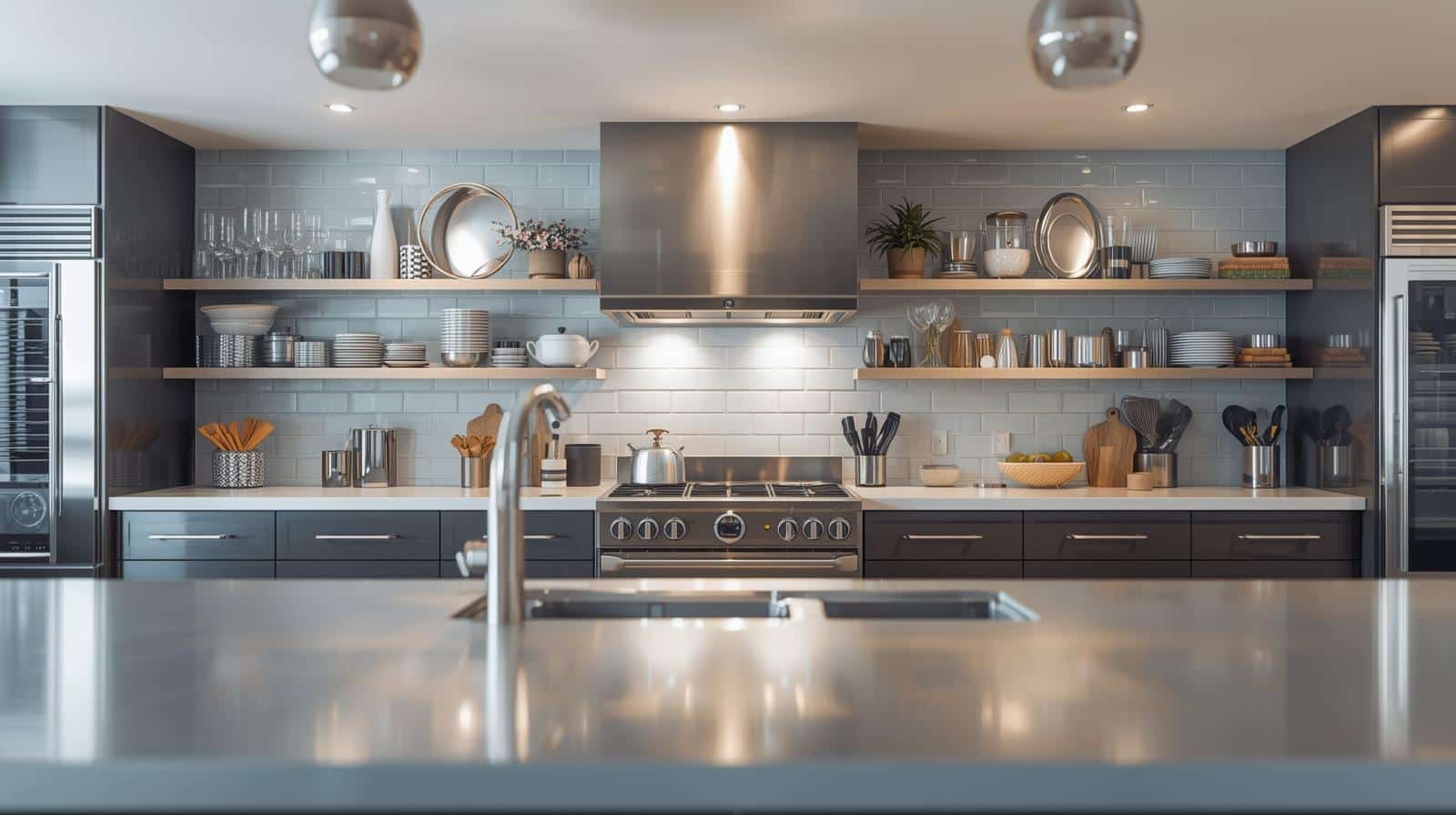
Pot lights create a clean and bright look in kitchens. They help focus light where you need it most. Using the right number of pot lights can change the kitchen's mood and style.
Good lighting makes cooking safer and makes the space feel more inviting. You can mix pot lights with other lighting types for a balanced effect.
Combining Pot Lights With Other Fixtures
Pot lights work well with other fixtures like pendant lights and under-cabinet lights. This mix adds character and highlights different kitchen areas.
- Pendant lights add style over islands or dining spaces.
- Under-cabinet lights brighten countertops for tasks.
- Wall sconces can add soft, ambient light.
- Mixing fixtures creates a layered and flexible lighting plan.
Using Color Temperature Wisely
Color temperature affects how warm or cool the kitchen feels. Choosing the right temperature helps set the mood and aids visibility.
| Color Temperature | Effect |
| 2700K - 3000K | Warm and cozy light, good for dining areas |
| 3500K - 4100K | Neutral white, best for general kitchen tasks |
| 5000K - 6500K | Cool daylight, ideal for detailed work and cleaning |
Creating Layers Of Light
Layered lighting uses different types of light sources. It helps avoid shadows and adds depth to your kitchen.
- Ambient light: General lighting from pot lights or ceiling fixtures.
- Task light: Focused lights on counters or sinks.
- Accent light: Highlights decor or architectural features.
Frequently Asked Questions
How Many Pot Lights Are Ideal For A Kitchen?
Typically, 4 to 6 pot lights suit a standard 100 square feet kitchen. This provides balanced, bright illumination without glare or shadows.
What Spacing Should Pot Lights Have In A Kitchen?
Pot lights should be spaced 4 to 6 feet apart. This ensures even light distribution and avoids dark spots or overly bright zones.
Can Pot Lights Replace Other Kitchen Lighting?
Pot lights can complement, but not fully replace, task and accent lighting. Use them alongside under-cabinet lights for best results.
What Wattage Is Best For Kitchen Pot Lights?
Use LED pot lights of 60 watts equivalent for bright, energy-efficient kitchen lighting. Adjust brightness based on kitchen size and ceiling height.
Conclusion
Choosing the right number of pot lights makes your kitchen bright and cozy. Think about your kitchen size and tasks you do there. Spread lights evenly to avoid dark spots and glare. Use dimmers to change brightness for different moods.
Remember, good lighting helps cooking and cleaning feel easier. Keep these tips in mind when planning your kitchen lights. This way, your kitchen will look great and work well every day.