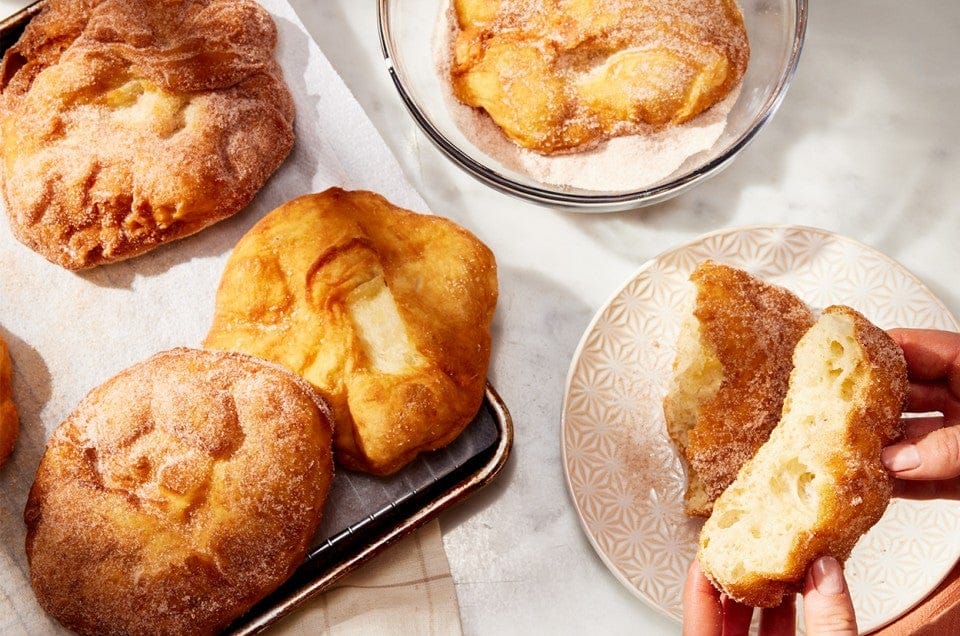
How Long to Knead Dough for Fry Bake? When you're making fry bake, kneading the dough is a crucial step that can make or break your dish. Have you ever wondered exactly how long to knead that dough for perfect results every time?
You're not alone! Many home cooks and baking enthusiasts face this challenge. But here's the good news: understanding the art of kneading doesn't have to be a mystery. By getting it right, you can achieve that perfect texture and taste that will have everyone coming back for more.
Stick with us, and you'll discover the secrets to achieving that perfect consistency, ensuring your fry bakes are always a hit. Ready to transform your cooking game? Let’s dive in!
Importance Of Kneading
Kneading dough is a key step in making fry bake. It helps mix ingredients well. It also builds the dough's strength.
Knowing how long to knead can change the dough's feel. Proper kneading leads to better fry bake results.
Impact On Dough Texture
Kneading develops gluten strands. These strands give dough stretch and bounce. This texture is important for fry bake.
- Short kneading makes dough crumbly.
- Too long kneading makes dough tough.
- Right kneading time makes dough smooth and elastic.
Effects On Fry Bake Quality
The kneading time affects how fry bake cooks and tastes. Proper kneading helps fry bake rise well.
| Kneading Time | Effect on Fry Bake |
|---|---|
| Less than 5 minutes | Dense and heavy fry bake |
| 5 to 10 minutes | Light and fluffy fry bake |
| More than 10 minutes | Chewy and tough fry bake |
Ideal Kneading Time
Kneading dough is key to making soft fry bake. It helps develop gluten, giving the bread its texture.
Knowing how long to knead ensures your dough is smooth and elastic. Too little or too much kneading can affect the final result.
Typical Duration For Fry Bake Dough
The usual kneading time for fry bake dough is between 8 and 12 minutes. This range allows the dough to reach the right consistency.
- Start by mixing all ingredients until combined.
- Knead on a clean surface using the heel of your hand.
- Push, fold, and turn the dough repeatedly.
- Stop kneading once the dough feels soft and elastic.
Signs Dough Is Ready
Look for these signs to know your fry bake dough is ready for frying.
| Sign | Description |
|---|---|
| Smooth Surface | The dough looks even and not sticky. |
| Elastic Texture | The dough stretches without tearing easily. |
| Soft to Touch | Feels soft but not too wet or dry. |
| Windowpane Test | Thin dough can stretch to a translucent sheet without breaking. |
Kneading Techniques
Kneading dough is key to making soft fry bake. It helps mix ingredients evenly. It also develops gluten for the right texture.
There are different ways to knead dough. Each method affects the dough's feel and rise. Below, we explain hand kneading and using a stand mixer.
Hand Kneading Methods
Hand kneading gives you control over the dough's feel. It lets you sense the dough’s readiness by touch and sight.
- Press the dough with the heel of your hand.
- Fold the dough over itself.
- Turn the dough 90 degrees and repeat.
- Continue for 8 to 10 minutes until smooth.
- The dough should feel soft and slightly sticky.
Using A Stand Mixer
A stand mixer saves time and effort. It kneads dough evenly and fast, good for busy cooks.
| Setting | Time | Result |
| Low speed | 3-5 minutes | Dough starts forming |
| Medium speed | 5-7 minutes | Dough is elastic and smooth |
| High speed | Not recommended | Can overheat dough |
Credit: hopewellheightsblog.com
Common Kneading Mistakes
Kneading dough is a key step for making fry bake. It helps develop gluten and gives the dough the right texture.
Many people make mistakes by kneading too long or too little. These errors can change how the fry bake turns out.
Over-kneading Effects
When you knead dough too much, it becomes tough and hard to work with. The gluten stretches too far and loses its softness.
- The dough feels stiff and tight.
- Fry bake may turn out dense and chewy.
- It can shrink or lose shape when cooked.
- The texture becomes less fluffy and more rubbery.
Under-kneading Issues
Not kneading enough leaves the dough rough and uneven. The gluten does not develop fully to hold air and structure.
| Problem | Effect on Dough |
| Sticky dough | Difficult to shape and handle |
| Crumbly texture | Fry bake breaks apart easily |
| Poor rise | Flat and dense final product |
| Uneven cooking | Some parts raw or doughy inside |
Tips For Perfect Fry Bake Dough
Kneading dough is a key step in making delicious fry bake. The right kneading time helps the dough become soft and stretchy. This makes the fry bake light and fluffy after cooking.
Different factors affect how long you should knead the dough. Knowing these helps you get the best results every time.
Adjusting Kneading Time By Flour Type
Different flours absorb water and develop gluten at different rates. This changes how long you need to knead the dough for fry bake.
| Flour Type | Kneading Time | Texture Result |
| All-purpose flour | 8-10 minutes | Soft and elastic |
| Whole wheat flour | 12-15 minutes | Denser, more chewy |
| Self-rising flour | 6-8 minutes | Light and airy |
| Gluten-free flour | 4-6 minutes | Sticky, less elastic |
Check the dough's feel to know if it is kneaded enough. It should be smooth and slightly springy.
Temperature And Environment Factors
Temperature and humidity affect dough kneading time and texture. Warmer air makes dough softer and faster to knead. Cold air slows it down.
- In warm kitchens, knead less to avoid sticky dough.
- In cold kitchens, knead longer for better gluten development.
- Dry air can dry out dough. Cover dough with a damp cloth.
- Use warm water if the room is very cold.
Adjust kneading time based on these conditions to get the perfect fry bake dough every time.
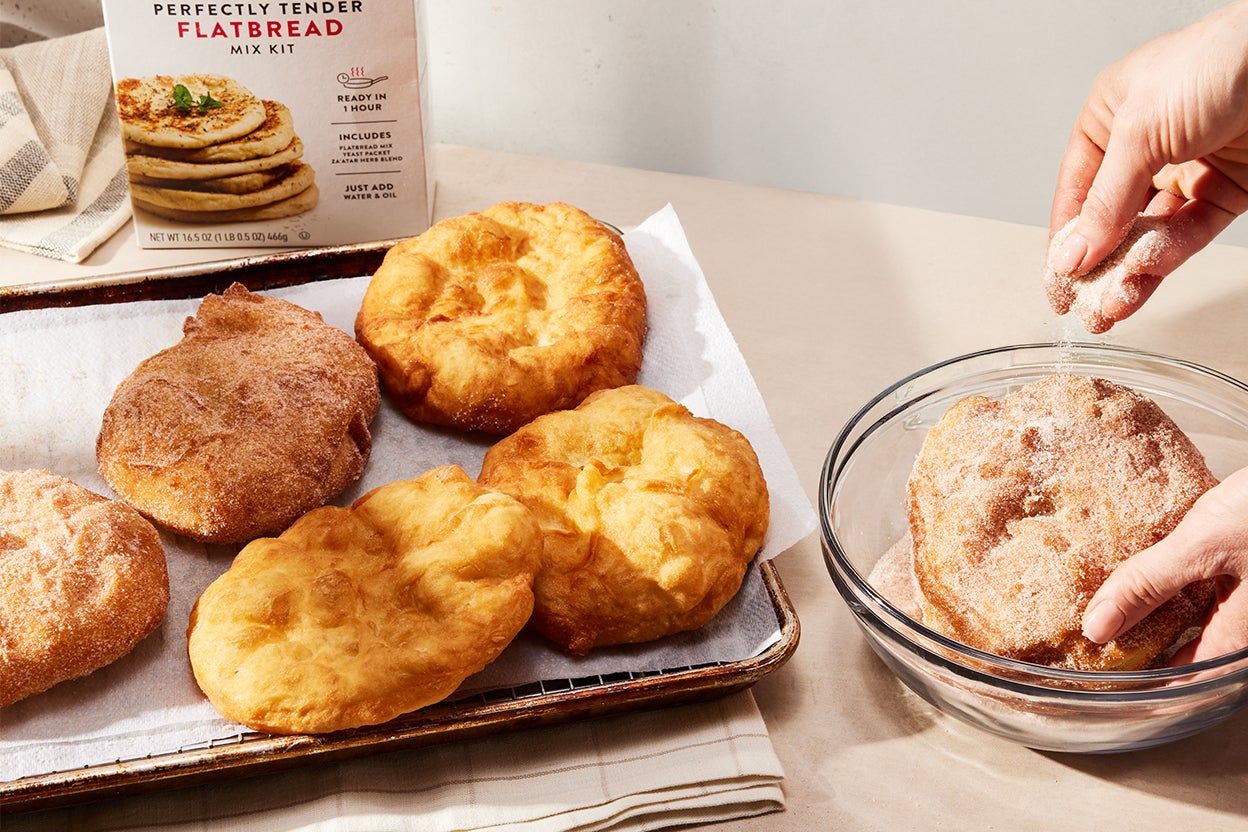
Credit: www.kingarthurbaking.com

Credit: www.moysglutenfreekitchen.com
Frequently Asked Questions
How Long Should I Knead Dough For Fry Bake?
Knead fry bake dough for about 8 to 10 minutes. This ensures a smooth, elastic texture. Proper kneading helps develop gluten, giving the dough structure. Avoid over-kneading to keep the dough tender and easy to work with.
What Happens If I Under-knead Fry Bake Dough?
Under-kneading results in a dough that is sticky and weak. The fry bake may turn out dense and uneven. Proper gluten development is crucial for a light, fluffy texture. Always knead until the dough feels smooth and elastic.
Can I Over-knead Dough For Fry Bake?
Yes, over-kneading can make the dough tough and hard to roll. It tightens gluten strands excessively, resulting in dense fry bake. Stop kneading once the dough is smooth, elastic, and slightly tacky to the touch for the best results.
How Do I Know When Fry Bake Dough Is Kneaded Enough?
The dough is ready when it’s smooth, elastic, and slightly tacky. Press the dough gently with your finger; it should spring back slowly. This indicates good gluten development. If it tears easily, knead a little more.
Conclusion
Kneading dough for fry bake usually takes about 8 to 10 minutes. This time helps develop the right texture and stretchiness. Stop kneading when the dough feels smooth and soft. Avoid over-kneading, which can make the dough tough. Remember, practice helps you know the perfect feel.
With a little patience, your fry bake will turn out light and fluffy every time. Keep it simple and enjoy the process. Your tasty fry bake is just a few kneads away.