Cooking chicken thighs to perfection can be a game-changer in your kitchen. Imagine biting into a piece that's crispy on the outside and juicy on the inside.
Sounds mouth-watering, right? But how long should you really cook those chicken thighs in a frying pan to achieve this? If you've ever found yourself standing in your kitchen, staring at your frying pan and wondering if your chicken is cooked through, you're not alone.
This can be a common challenge. Undercooked chicken isn't safe, and overcooked chicken is just disappointing. In this guide, we'll uncover the secrets to achieving perfectly cooked chicken thighs every time. You'll learn not just about timing, but also about techniques that can elevate your cooking game. Ready to transform your next meal into a culinary masterpiece? Let's dive in.
Choosing The Right Chicken Thighs
Picking the right chicken thighs is important for cooking them well in a frying pan. Different types cook differently and taste different.
Knowing the difference between bone-in, boneless, skin-on, and skinless helps you cook better chicken thighs.
Bone-in Vs Boneless
Bone-in chicken thighs have the bone left inside. They take longer to cook but stay juicy and flavorful.
Boneless thighs cook faster. They are easier to eat and good for quick meals, but may dry out faster.
- Bone-in:More flavor, longer cooking time
- Boneless:Faster cooking, easier to handle
Skin-on Vs Skinless
Skin-on chicken thighs have the skin left on. The skin crisps up nicely in a pan and adds flavor.
Skinless thighs cook faster and have fewer calories. They can be less juicy without the skin.
- Skin-on:Crispy skin, richer taste
- Skinless:Healthier, cooks quickly

Credit: mrsmadi.com
Preparing Chicken Thighs For Cooking
Cooking chicken thighs in a frying pan is quick and tasty. Proper preparation helps them cook evenly and taste better.
Before cooking, take time to prepare the chicken. This includes trimming and drying the meat and adding the right seasonings.
Trimming And Patting Dry
Start by trimming off excess fat and skin from the chicken thighs. This helps reduce splatter when frying.
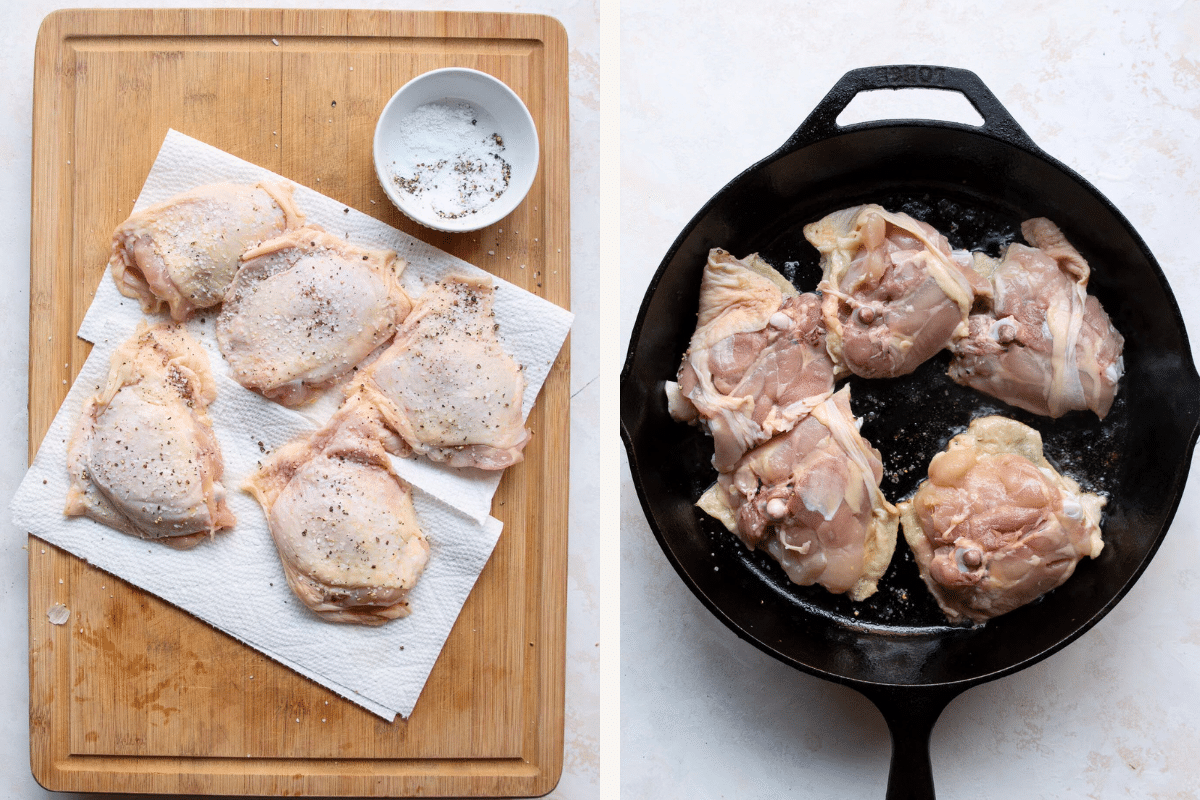
Next, pat the chicken thighs dry with paper towels. Removing moisture creates a better sear and crispy skin.
- Use sharp scissors or a knife for trimming
- Remove any leftover feathers or bits
- Pat thoroughly to avoid wet spots
Seasoning Tips
Season chicken thighs with salt and pepper before cooking. This simple step brings out natural flavors.
Add herbs and spices like garlic powder, paprika, or thyme for extra taste. Rub the seasoning on all sides of the meat.
- Use about ½ teaspoon salt per thigh
- Fresh or dried herbs both work well
- Don’t over-season; keep it balanced
Setting Up Your Frying Pan
Cooking chicken thighs in a frying pan needs the right setup. A good setup helps the chicken cook evenly and stay juicy.
Before you start cooking, prepare your frying pan carefully. This helps you get the best results every time.
Choosing The Right Pan
Pick a frying pan that heats evenly and holds heat well. This helps cook chicken thighs without burning.
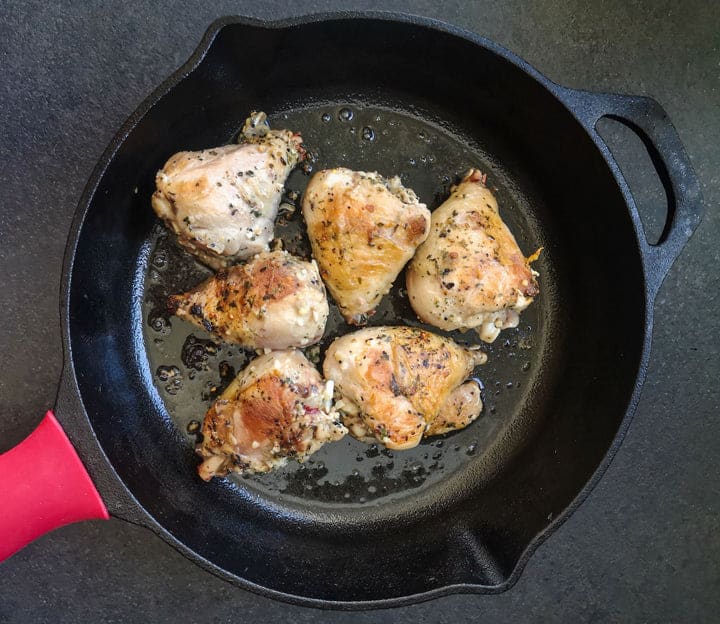
Heavy pans like cast iron or stainless steel work best. Non-stick pans are also good for easy cleanup.
- Cast iron pans keep heat steady for even cooking
- Stainless steel pans brown chicken nicely
- Non-stick pans prevent chicken from sticking
- A pan size of 10 to 12 inches fits several thighs comfortably
Optimal Heat Level
Use medium to medium-high heat for cooking chicken thighs. This heat cooks them through without burning the outside.
Start with medium heat to warm the pan. Then raise the heat slightly when adding chicken for a good sear.
- Preheat pan on medium heat for 2 to 3 minutes
- Add chicken and cook on medium-high heat for browning
- Lower heat to medium or medium-low to finish cooking
- Avoid very high heat to stop burning
Credit: whereismyspoon.co
Cooking Times For Chicken Thighs
Cooking chicken thighs in a frying pan is quick and easy. Knowing the right time helps you cook them perfectly.
Cooking times depend on whether the thighs have bones or skin. This guide shows you the times for each type.
Bone-in, Skin-on Cooking Time
Bone-in, skin-on chicken thighs take longer to cook. The bone slows heat, and skin adds extra fat.
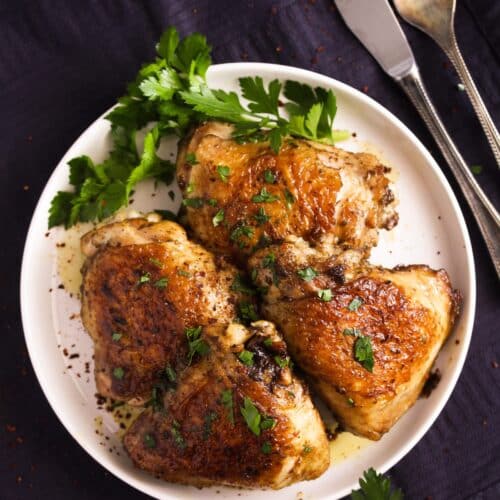
Cook them on medium heat for best results. This keeps the skin crispy and meat juicy.
- Heat pan and add oil
- Place thighs skin-side down
- Cook 7-8 minutes per side
- Check internal temperature reaches 165°F (74°C)
Boneless, Skinless Cooking Time
Boneless, skinless thighs cook faster. They have less fat and no bones to slow cooking.
Use medium-high heat for even cooking. This keeps the meat tender and moist.
- Preheat pan with a little oil
- Cook thighs 5-6 minutes on each side
- Ensure internal temperature is 165°F (74°C)
Techniques For Juicy Chicken Thighs
Cooking chicken thighs in a frying pan is quick and tasty. Using the right techniques keeps the meat juicy.
Two key ways to cook juicy chicken thighs are searing and using a lid. These help lock in moisture and flavor.
Searing And Browning
Searing chicken thighs means cooking them on high heat first. This creates a golden-brown crust that adds flavor.
Make sure the pan is hot before adding the chicken. Do not move the thighs until the crust forms, about 4-5 minutes.
- Pat chicken dry with paper towels to help browning
- Use oil with a high smoke point like vegetable or canola
- Cook skin side down first for crispiness
- Flip and brown the other side for 3-4 minutes
Using A Lid For Even Cooking
After searing, cover the pan with a lid. This traps heat and steam, cooking the thighs evenly inside.
Cook with the lid on for 10-15 minutes on low heat. Check the internal temperature to be sure it reaches 165°F (74°C).
- Keep heat low to avoid drying the meat
- Use a meat thermometer for accuracy
- Let chicken rest a few minutes after cooking
Credit: www.primaverakitchen.com
Checking Doneness
Cooking chicken thighs in a frying pan needs care to ensure they are safe and tasty. Checking doneness helps you avoid undercooking or drying out the meat.
Use simple methods to know when chicken thighs are ready. This guide covers temperature and visual clues for perfect cooking.
Internal Temperature Guide
The safest way to check chicken doneness is by measuring its internal temperature. Use a meat thermometer for best results.
- The chicken thigh should reach 165°F (74°C) inside.
- Insert the thermometer into the thickest part, avoiding bones.
- At 165°F, harmful bacteria are killed, making the chicken safe to eat.
- Check multiple spots if the thigh is large or thick.
Visual And Texture Cues
You can also check doneness by looking at the chicken and feeling its texture. These signs help if you do not have a thermometer.
Cooked chicken thighs change color and firmness as they cook. Look for these clues:
- The outside should be golden brown and crispy.
- The juices running from the chicken should be clear, not pink.
- The meat inside must be white or light pink, not raw or red.
- The chicken feels firm but not hard when pressed with a fork.
- If the meat feels very soft or rubbery, it needs more cooking.
Resting And Serving
Cooking chicken thighs in a frying pan is quick and easy. After cooking, resting and serving are important steps.
Resting lets the juices settle inside the meat. Serving well makes the meal more enjoyable.
Why Resting Matters
Resting cooked chicken thighs helps keep them juicy. If you cut them right away, the juices will spill out.
Let the chicken rest for 5 to 10 minutes on a plate. Cover it loosely with foil to keep warm.
- Resting allows juices to redistribute
- Meat becomes more tender and flavorful
- Chicken stays moist when served
Serving Suggestions
Serve chicken thighs with simple sides to balance flavors. Fresh vegetables and grains work well.
- Steamed broccoli or green beans
- Mashed potatoes or rice
- Simple salad with lemon dressing
Add a squeeze of lemon or a light sauce. This adds fresh flavor without overpowering the chicken.
Common Mistakes To Avoid
Cooking chicken thighs in a frying pan is easy if done right. Some mistakes can ruin the texture and taste.
Avoid these common errors to cook juicy and flavorful chicken thighs every time.
Overcrowding The Pan
Putting too many chicken thighs in the pan lowers the temperature. This causes the chicken to steam, not brown.
Steaming makes the skin soft and soggy, not crispy. It also increases cooking time.
- Cook in batches if needed
- Leave space between pieces
- Use a larger pan for more chicken
Cooking On Too High Heat
High heat burns the chicken outside before the inside cooks. This leads to burnt skin and raw meat inside.
Use medium or medium-high heat for even cooking. This helps the chicken cook through and stay juicy.
- Start with medium heat
- Adjust heat if chicken browns too fast
- Cook slowly for tender meat
Frequently Asked Questions
How Long Do Chicken Thighs Take To Cook In A Frying Pan?
Chicken thighs typically take 15-20 minutes to cook in a frying pan. Cook over medium heat, turning occasionally. Ensure the internal temperature reaches 165°F (75°C) for safe consumption.
Should Chicken Thighs Be Cooked Covered Or Uncovered?
Cooking chicken thighs uncovered in a frying pan helps crisp the skin. Covering traps steam, making skin less crispy. For best texture, cook uncovered but monitor closely to avoid drying out.
How Do I Know When Chicken Thighs Are Fully Cooked?
Use a meat thermometer to check doneness. The internal temperature should be 165°F (75°C). Juices running clear and no pink inside also indicate fully cooked chicken thighs.
Can I Cook Frozen Chicken Thighs In A Frying Pan?
It’s best to thaw chicken thighs before pan cooking. Cooking from frozen increases cooking time and may cook unevenly. Thaw in the fridge overnight for best results.
Conclusion
Cooking chicken thighs in a frying pan takes about 15 to 20 minutes. Start with medium heat to cook evenly. Turn the thighs often to avoid burning. Check the inside to make sure it’s no longer pink. The juices should run clear for safe eating.
Rest the chicken a few minutes before serving. This simple method gives juicy, tasty chicken every time. Try it today and enjoy a quick, easy meal.