How Long Can You Leave Rice Cooker on Warm: Have you ever wondered how long you can leave your rice cooker on the warm setting without ruining your meal or risking safety? You might think it’s harmless to keep it on for hours, but there are important facts you need to know.
Understanding the right time to leave your rice cooker on warm can save you from dry, overcooked rice and even prevent health risks. Keep reading, and you’ll discover simple tips to keep your rice fresh, tasty, and safe every time.

Credit: www.amazon.com
Rice Cooker Warm Function Basics
Rice cookers have a warm function to keep rice hot after cooking. This helps keep rice ready to eat for some time.
Knowing how long you can leave the rice cooker on warm is important for food safety and taste.
Purpose Of Warm Mode
The warm mode keeps cooked rice hot without cooking it more. It stops the rice from getting cold.
This mode is useful when you want to eat rice later but do not want to reheat it again.
- Keeps rice at a safe temperature
- Prevents rice from drying out quickly
- Makes serving easier at meal time
How Warm Mode Works
The warm mode uses low heat to keep rice hot. It maintains a temperature around 140°F to 160°F (60°C to 70°C).
This temperature is enough to stop bacteria growth but not hot enough to cook the rice further.
- Heats rice gently without drying
- Uses less energy than cooking mode
- Automatically keeps temperature steady
Safe Duration For Keeping Rice Warm
Rice cookers have a warm setting to keep rice ready to eat. It helps keep rice hot without cooking it more.
Knowing the safe time for keeping rice warm helps avoid food safety issues and keeps rice tasty.
Recommended Time Limits
Most rice cookers keep rice warm safely for a few hours. Leaving rice on warm too long can dry it out or cause spoilage.
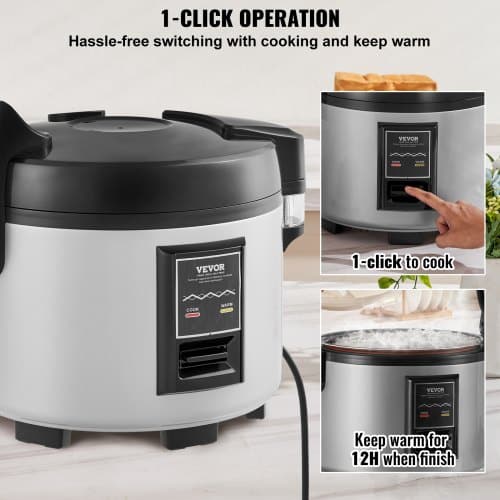
- Keep rice on warm for no more than 12 hours.
- For best texture and taste, use rice within 6 hours.
- If you plan to keep rice longer, refrigerate it instead.
- Use a rice cooker with a timer or automatic shutoff if possible.
Risks Of Extended Warming
Leaving rice on warm for too long can cause food safety risks. Warm rice can grow bacteria if kept over safe time limits.
| Risk | Description |
| Bacterial Growth | Warm temperatures allow bacteria to multiply quickly. |
| Drying Out | Rice loses moisture and becomes hard and unpleasant. |
| Off Taste | Rice can develop sour or odd flavors after long warming. |
| Food Poisoning | Eating rice kept too long warm may cause stomach illness. |
Factors Affecting Warm Time Safety
Leaving a rice cooker on the warm setting is common after cooking rice. It keeps rice ready to eat without overcooking it. But how long you can keep it warm safely depends on different factors.
Understanding these factors helps prevent food spoilage and health risks. Let’s look at the main things that affect warm time safety.
Type Of Rice
Different types of rice hold heat and moisture differently. This affects how safe it is to leave rice on warm for a long time. White rice can stay warm longer than brown rice.
Brown rice has more oil and fiber. These can spoil faster when kept warm. Sticky rice also changes texture quickly and may become unsafe sooner.
Cooker Model And Quality
High-quality rice cookers keep a steady temperature on warm mode. This stops bacteria from growing. Cheaper models may not keep the heat stable, risking spoilage.
Some cookers have advanced features to keep rice fresh longer. They may switch to a lower temperature or turn off automatically after some hours.
- Better temperature control extends warm time safely
- Automatic shutoff prevents over-warming
- Insulation quality affects heat retention
Ambient Temperature
The room temperature where you keep the rice cooker matters. Hot kitchens make rice spoil faster even on warm mode. Cooler rooms help keep rice safe longer.
Humidity also plays a role. High humidity can cause moisture buildup, speeding up spoilage. A dry, cool area is best for keeping rice warm safely.
- Warm rooms raise risk of bacteria growth
- Cooler rooms slow down spoilage
- Low humidity helps keep rice dry and fresh
Health Concerns With Prolonged Warming
Leaving rice in a cooker on the warm setting for too long can cause health issues. It is important to understand the risks involved.
This guide explains the main concerns about bacterial growth and changes in food texture and taste.
Bacterial Growth Risks
Rice that stays warm for many hours can grow harmful bacteria. Bacillus cereus is a common bacteria found in cooked rice. It can cause food poisoning if the rice is left out too long.
- Warm temperatures allow bacteria to multiply quickly.
- Keeping rice on warm for over 4 to 6 hours is unsafe.
- Bacteria can produce toxins that heat cannot kill.
- Eating contaminated rice may cause nausea, vomiting, or diarrhea.
Food Texture And Taste Changes
Prolonged warming changes rice texture and flavor. Rice can become dry, hard, or mushy. The taste might turn stale or sour after hours on warm.
| Time on Warm | Texture | Taste |
| Under 2 hours | Soft and fluffy | Fresh |
| 2 to 4 hours | Slightly dry or sticky | Normal |
| Over 4 hours | Hard or mushy | Stale or sour |
Tips To Safely Keep Rice Warm Longer
Rice cookers have a warm setting to keep rice ready to eat. But leaving it on warm for too long can cause problems. Knowing how to keep rice warm safely helps keep it fresh and tasty.
This guide shares tips to keep rice warm safely for longer times. Follow these simple steps to avoid food waste and stay safe.
Using Insulated Containers
After cooking, transfer rice to an insulated container. These containers keep heat inside for hours without electricity. This method keeps rice warm and stops it from drying out.
Make sure the container has a tight lid to lock in moisture. Avoid opening it often, or heat will escape quickly.
- Use a thermal rice container or food thermos
- Preheat the container with hot water before adding rice
- Close the lid tightly after filling with rice
- Keep the container in a warm spot, away from cold air
Reheating Practices
Reheat rice properly to kill any bacteria that grow during warming. Use a microwave or stovetop with a little water added. Heat rice until steaming hot all the way through.
Do not reheat rice more than once. Repeated reheating can cause food poisoning. Only reheat the amount you plan to eat immediately.
- Add a splash of water before reheating to keep rice moist
- Cover rice to trap steam during reheating
- Stir rice halfway through heating for even warmth
- Heat rice until it is hot, not just warm
Regular Stirring
Stir rice every 30 minutes while it is on the warm setting. Stirring spreads heat evenly and stops rice from burning at the bottom. This keeps rice fluffy and fresh longer.
Use a clean spoon to stir gently. Avoid pressing or mashing rice. Stirring also helps release steam and prevents clumping.
- Open the lid briefly to stir rice
- Stir gently to keep rice grains separate
- Close the lid quickly after stirring to keep heat in
- Check rice texture during stirring to avoid dryness

Credit: www.amazon.com
Alternatives To Warm Mode For Rice Storage
Keeping rice on the warm setting in a rice cooker is common. But it is not the best way to store rice for long.
There are safer and better methods to store rice after cooking. These methods keep rice fresh and prevent spoilage.
Refrigeration Options
Putting cooked rice in the refrigerator slows bacteria growth. This keeps the rice safe to eat for a few days.
To refrigerate rice, cool it quickly. Put rice in a shallow container and cover it before placing it in the fridge.
- Cool rice within 1 hour of cooking
- Use airtight containers to keep moisture out
- Store rice for up to 4 days in the fridge
- Reheat rice thoroughly before eating
Freezing Leftover Rice
Freezing rice is a good way to store it for a longer time. It keeps rice fresh for weeks or months.
After cooking, spread rice on a tray to cool fast. Then put it in freezer bags or containers and freeze.
- Cool rice quickly before freezing
- Use freezer-safe bags or containers
- Label with the date before freezing
- Freeze rice for up to 6 months
- Thaw rice in the fridge or microwave
Credit: www.vevor.ca
Frequently Asked Questions
How Long Can Rice Cooker Stay On Warm Safely?
A rice cooker can safely remain on warm for 12 hours. Beyond this, rice may dry out or spoil. Always check rice quality before eating after extended warming.
Does Leaving Rice Cooker On Warm Cause Bacteria?
Yes, bacteria can grow if rice stays warm too long. Keep rice warm under 12 hours to reduce risk. Refrigerate leftovers promptly for safety.
Can I Keep Rice Warm Overnight In Cooker?
No, it’s unsafe to keep rice warm overnight. Bacteria multiply quickly after 12 hours. Store rice in the fridge instead for freshness.
How Does Warm Mode Affect Rice Texture?
Warm mode prevents rice from drying quickly but can make it mushy after hours. Use warm mode only for short periods to maintain texture.
Conclusion
Understanding how long rice can stay warm is essential. Rice cookers simplify our lives, but timing matters. Keep rice on ‘warm’ for a short period. This prevents bacteria growth and maintains taste. Two hours is a safe duration. Beyond that, rice may dry out.
Freshly cooked rice always tastes better. So, plan your meals wisely. Enjoy delicious rice safely with these tips. Always prioritize food safety in your kitchen. A little caution ensures delightful meals every time.