Have you ever paused to think about the cleanliness of your kitchen sponge? You might be surprised to learn that the very tool you use to keep your dishes sparkling could be a breeding ground for bacteria.
Yes, your trusty kitchen sponge might not be as hygienic as you think. But why does this happen, and what can you do about it? These questions might be nagging at the back of your mind, and you’re not alone.
Many people are in the dark about the potential hidden dangers lurking in their kitchens. You’ll discover the truth about kitchen sponges and bacteria, and learn practical steps to keep your home safe and healthy. Stay with us, because what you learn could change the way you think about cleaning for good.

Credit: abc7chicago.com
Bacteria In Kitchen Sponges
Kitchen sponges are useful for cleaning dishes and surfaces. They often stay wet and dirty after use.
This wet environment helps bacteria grow fast inside the sponge. Many people do not realize how many germs live there.
Why Sponges Attract Germs
Sponges hold water and food bits. This makes a perfect place for bacteria to live and multiply.
The sponge’s soft texture also traps dirt and germs. Warmth from the kitchen helps germs grow even more.
- Wet and warm conditions inside the sponge
- Food particles caught in sponge holes
- Frequent use without proper cleaning
- Soft and porous surface traps bacteria
Common Bacteria Found
Many types of bacteria live in kitchen sponges. Some can cause illnesses if they spread to food or hands.
These bacteria include harmful and harmless kinds. It is important to know which ones are common.
- Escherichia coli (E. coli):Can cause stomach illness.
- Salmonella:Leads to food poisoning.
- Staphylococcus aureus:Causes skin infections and food poisoning.
- Pseudomonas:Grows well in wet places and can cause infections.
- Enterobacter:Found in soil and water, may cause infections.
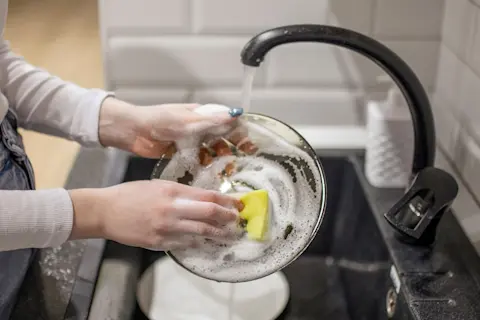
Credit: www.discovermagazine.com
Health Risks From Contaminated Sponges
Kitchen sponges are often wet and full of food bits. These conditions help bacteria grow fast.
Using dirty sponges can spread germs and cause health problems.
Foodborne Illnesses Linked To Sponges
Sponges can carry harmful bacteria like Salmonella and E. coli. These bacteria can cause food poisoning.
- Stomach pain
- Diarrhea
- Vomiting
- Fever
People with weak immune systems are more at risk of serious illness from these germs.
Cross-contamination Dangers
Dirty sponges can move bacteria from one surface to another. This is called cross-contamination.
| Source | Contaminated Item | Risk |
| Raw meat juices | Cutting boards | Spread of Salmonella |
| Food scraps | Countertops | E. coli infection |
| Dirty sponge | Cookware | Food poisoning |
Signs Your Sponge Is Unsafe
Kitchen sponges can hold many germs. It is important to know when they become unsafe to use.
Look for clear signs to decide if your sponge needs to be replaced. These signs help keep your kitchen clean and safe.
Odor And Appearance Changes
A strong or bad smell is a key sign that a sponge is unsafe. Sponges often absorb food particles and moisture, which can cause odors.
- If the sponge smells sour or rotten, it is time to get a new one.
- Look for dark or discolored spots that were not there before.
- Visible mold or mildew means the sponge should be thrown away immediately.
- Any slimy or sticky film on the surface is a warning sign.
Texture And Condition
The feel and condition of your sponge can tell you a lot about its safety. Overused sponges lose their texture and become less effective.
| Texture | What It Means |
| Hard or brittle | The sponge has dried out and may break apart easily. |
| Soft and falling apart | The sponge is old and cannot clean well anymore. |
| Sticky or slimy | Germs and bacteria are likely growing on the sponge. |
| Normal and springy | The sponge is still good for use. |
Effective Sponge Cleaning Methods
Kitchen sponges can hold many bacteria, which may cause health problems. Cleaning sponges often can reduce bacteria and keep your kitchen safer.
There are several easy ways to clean sponges at home. Each method helps kill germs and keeps your sponge fresh.
Microwave Disinfection
Microwaving a damp sponge can kill most bacteria inside it. Make sure the sponge is wet to avoid fire risk. Heat it on high for about one to two minutes.
Be careful when removing the sponge; it will be hot. Let it cool before use. This method is quick and kills many germs effectively.
Dishwasher Cleaning
Place the sponge on the top rack of your dishwasher. Use a hot water cycle with soap. The heat and detergent clean and disinfect the sponge well.
- Put the sponge on the top rack
- Run the dishwasher on the hottest cycle
- Use regular dishwasher soap
- Let the sponge dry completely after the cycle
Soaking In Bleach Or Vinegar
Soaking sponges in bleach or vinegar can kill bacteria deeply. Use a small bowl with a diluted solution. Let the sponge soak for at least five minutes.
| Solution | Mix Ratio | Soak Time |
|---|---|---|
| Bleach | 1 tablespoon bleach to 1 cup water | 5 minutes |
| White Vinegar | Full strength or diluted 1:1 with water | 5 to 10 minutes |
Alternatives To Traditional Sponges
Kitchen sponges often hold many bacteria. This can cause bad smells and spread germs. Finding other cleaning tools helps keep your kitchen cleaner and safer.
Many alternatives last longer and dry faster. They are easier to clean and keep bacteria away. Here are some common options you can try.
Silicone Scrubbers
Silicone scrubbers do not absorb water or food. They dry quickly and resist bacteria growth. These scrubbers are soft but still clean well.
You can wash silicone scrubbers in the dishwasher. They last a long time and do not fall apart. They are a good choice for washing dishes and counters.
Reusable Cloths
Reusable cloths are made from cotton or microfiber. They soak up less water than sponges. You can wash them in the machine to kill germs.
These cloths work well for wiping surfaces and washing dishes. Replace them often to keep your kitchen clean. They dry faster than sponges.
Natural Fiber Options
Natural fiber scrubbers come from plants like coconut or hemp. They break down easily and do not hold bacteria. These scrubbers are tough on dirt but gentle on dishes.
They dry fast and can be composted when worn out. Natural fibers are a good eco-friendly choice. They offer a safe way to clean your kitchen.

Credit: www.youtube.com
Tips For Keeping Kitchen Sponges Safe
Kitchen sponges can hold many bacteria because they stay damp. This makes it easy for germs to grow.
Using sponges safely helps keep your kitchen clean and healthy. Here are some tips to follow.
Regular Replacement Schedule
Change your kitchen sponges often to reduce bacteria build-up. A good rule is to replace them every week or two.
- Mark the replacement date on a calendar.
- Use a fresh sponge for tough cleaning jobs.
- Throw away sponges that smell bad or fall apart.
Proper Drying Techniques
Drying your sponge well after use stops bacteria from growing. Always let it dry between uses.
- Rinse the sponge with clean water after cleaning.
- Wring out all excess water.
- Place the sponge in a dry, open spot with good air flow.
- Do not leave sponges in the sink or wet areas.
Separate Sponges For Different Tasks
Use different sponges for dishes, counters, and cleaning the sink. This stops germs from spreading.
| Task | Use |
| Dishwashing | Soft sponge |
| Counter cleaning | Medium scrub sponge |
| Sink and trash area | Heavy-duty sponge |
Frequently Asked Questions
Do Kitchen Sponges Really Harbor Bacteria?
Yes, kitchen sponges are breeding grounds for bacteria. Their moist, porous nature traps food particles, creating an ideal environment for bacteria growth.
How Often Should I Replace My Kitchen Sponge?
Replace your kitchen sponge every one to two weeks. Frequent replacement helps prevent bacteria buildup and reduces the risk of cross-contamination.
Can I Disinfect A Kitchen Sponge Effectively?
You can disinfect sponges using microwave heating or soaking in bleach. These methods kill most bacteria but must be done carefully to avoid damage or injury.
What Are Safe Alternatives To Kitchen Sponges?
Microfiber cloths and silicone scrubbers are safer alternatives. They dry quickly, resist bacteria growth, and are easier to clean than traditional sponges.
Conclusion
Kitchen sponges often hold many bacteria. They stay wet and warm, perfect for germs. Cleaning sponges well keeps your kitchen safer. Replace sponges often to avoid health risks. Dry sponges quickly to stop bacteria growth. Simple habits make a big difference in hygiene.
Keep your kitchen clean and your family safe. Small steps prevent germs from spreading easily. Remember, a clean sponge means a healthier home.