DIY Outdoor Kitchen With Grill 2026 Best Setup
Imagine hosting the perfect barbecue in your very own backyard oasis. Picture yourself flipping burgers on a sleek grill while friends and family gather around, soaking in the sun and savoring the aroma of delicious food.
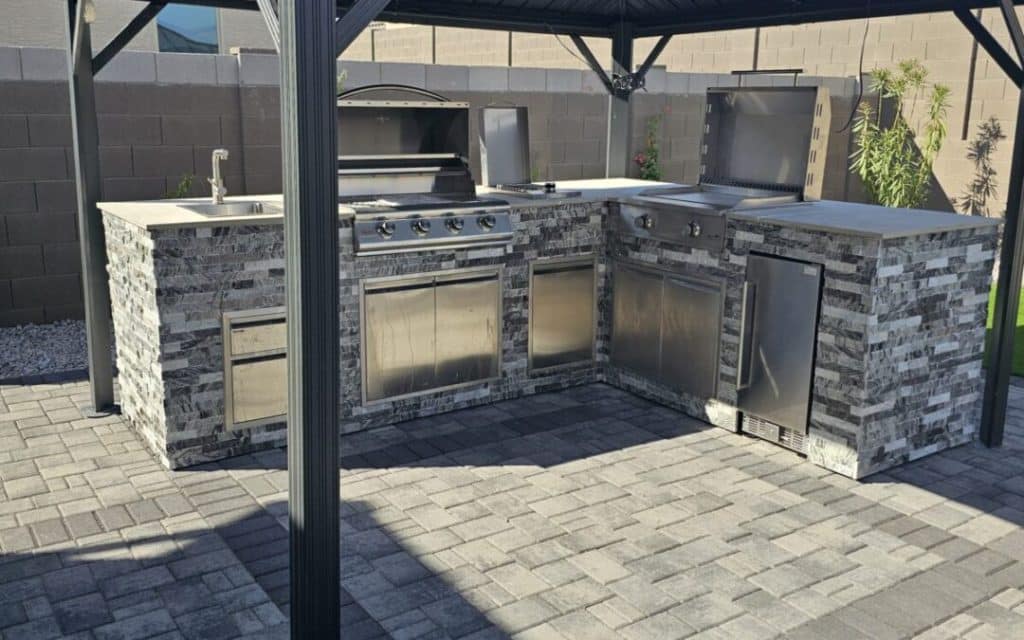
Creating your dream Diy Outdoor Kitchen With Grill is not just a fantasy; it’s an achievable reality that can transform your outdoor space into a culinary haven. You might think it sounds complicated or expensive, but with some clever DIY strategies, you can craft a stunning outdoor kitchen that suits your budget and style.
Are you ready to discover how you can turn your backyard into the ultimate grilling paradise? Let’s dive into the exciting world of DIY outdoor kitchens and unlock the secrets to making this dream a reality!
Planning Your Outdoor Kitchen
Building an outdoor kitchen takes careful planning. You need to think about the location, budget, and materials. A well-planned kitchen makes cooking outside easier and more fun.
Start by choosing a good spot for your kitchen. Then decide how much money you want to spend. Finally, pick materials that fit your style and last long.
Choosing The Right Location
Pick a spot close to your indoor kitchen for easy access. Make sure it has enough space for cooking and seating. Avoid windy or shaded areas that can make grilling hard.
Think about safety. Keep your grill away from walls, trees, or anything that can catch fire. Also, check if there is a water source nearby for cleaning.
Setting A Budget
Set a clear budget before you buy anything. This helps you avoid spending too much. Include costs for appliances, materials, and installation.
- Decide how much you want to spend overall
- Research prices for grills and other equipment
- Include costs for countertops and cabinets
- Set aside money for delivery and installation
- Keep extra funds for unexpected expenses
Selecting Materials
| Material | Pros | Cons |
| Stainless Steel | Durable, rust-resistant | Can be expensive |
| Brick | Strong, classic look | Heavy, needs foundation |
| Concrete | Custom shapes, heat resistant | Can crack over time |
| Tile | Easy to clean, colorful | Can chip or crack |
| Wood | Warm appearance | Needs sealing, less durable |
Choose materials that fit your style and climate. Think about how much care each material needs. Pick options that last and look good in your outdoor space.
Designing The Layout
Planning your outdoor kitchen layout helps create a functional space. It guides where to place the grill, seating, and storage.
Good design makes cooking and socializing easier in your outdoor area.
Maximizing Space
Use every inch of your outdoor area wisely. Keep the kitchen compact but efficient. Place the grill near a countertop for easy prep.
- Choose a corner spot to save space
- Use vertical shelves to hold tools and spices
- Include foldable countertops to increase workspace when needed
- Keep walkways clear and wide enough for movement
Incorporating Seating Areas
Seating lets guests relax while you cook. Plan seats close to the grill but out of the heat zone. Use benches or chairs that fit the space.
| Seating Type | Best Use | Space Needed |
| Bar Stools | Counter seating | 2 feet per stool |
| Bench Seating | Group seating | 4-6 feet long |
| Dining Chairs | Table seating | 2 feet per chair |
Adding Storage Solutions
Storage keeps tools and supplies organized. Use cabinets or shelves near the grill. Weatherproof materials work best outdoors.
Storage Ideas
- Built-in drawers for utensils and grill accessories
- Hooks for hanging pots and pans
- Lockable cabinets for cleaning supplies
- Open shelves for plants or decorative items
Picking The Perfect Grill
Choosing the right grill is key for your outdoor kitchen. It affects cooking style and flavor.
Consider your space, budget, and how often you will use the grill before buying.
Gas Vs Charcoal Grills
Gas grills heat quickly and offer easy temperature control. Charcoal grills give smoky flavor and high heat.
- Gas grills are cleaner to use and start fast.
- Charcoal grills take longer to heat but add rich taste.
- Gas grills need a propane tank or natural gas line.
- Charcoal grills use briquettes or lump charcoal as fuel.
Built-in Vs Portable Options
Built-in grills fit into your outdoor kitchen design. Portable grills move easily for events and trips.
| Feature | Built-in Grill | Portable Grill |
|---|---|---|
| Installation | Requires fixed setup | Ready to use anywhere |
| Size | Larger, more cooking space | Compact and lightweight |
| Cost | Usually higher price | More affordable |
| Durability | Built to last outdoors | May wear with travel |
Grill Features To Consider
Extra features can improve your grilling experience and ease of use.
- Adjustable heat controls for precise cooking
- Side burners for sauces and sides
- Built-in thermometers to monitor temperature
- Storage shelves or cabinets for tools and fuel
- Easy cleaning systems like removable trays
Credit: www.pavedirect.co.uk
Building The Structure
Building an outdoor kitchen starts with a strong structure. A good base keeps everything safe and stable. This guide covers the key parts of the structure.
Focus on preparing the foundation, making the countertops, and setting up cabinets and shelves. Each step is important for a lasting kitchen.
Foundation And Base Preparation
Start by choosing a flat spot for your kitchen. Clear the area of grass and debris. Use concrete blocks or poured concrete for the base. Make sure it is level and strong.
- Measure the kitchen size and mark the area
- Dig 6-8 inches deep to remove soil and roots
- Add gravel for drainage and compact it
- Pour concrete or place concrete blocks evenly
- Check with a level for a flat surface
Constructing Countertops
Countertops should be sturdy and weather-resistant. Use materials like granite, concrete, or tile. Secure the countertop to the base for safety.
| Material | Benefits | Care |
| Granite | Strong, heat resistant | Seal yearly |
| Concrete | Custom shapes, durable | Seal to prevent cracks |
| Tile | Easy to clean, colorful | Grout maintenance needed |
Installing Cabinets And Shelves
Cabinets and shelves store tools and supplies. Use materials that resist water and sun. Attach them firmly to the structure to avoid accidents.
Tips for Outdoor Cabinets
- Choose stainless steel or treated wood
- Use waterproof paint or sealant
- Place shelves at easy reach
- Allow space for grill ventilation
Plumbing And Electrical Setup
Building a DIY outdoor kitchen with a grill needs good plumbing and electrical plans. These systems make cooking and cleaning easier outside.
Proper setup keeps your kitchen safe and fully functional. It also adds comfort for cooking at any time.
Water Supply And Drainage
Water supply is important for sinks in your outdoor kitchen. You need a steady flow of clean water for washing and cooking.
Drainage removes used water to keep the area clean and dry. Plan pipes that connect to your home’s water system.
- Use outdoor-rated pipes to avoid leaks.
- Install a shut-off valve for easy repairs.
- Make sure the drainage slopes away from the kitchen.
- Consider a grease trap if you use the sink for cooking cleanup.
Lighting For Ambiance And Safety
Good lighting helps you cook safely and enjoy your kitchen at night. Choose lights that brighten the cooking area.
Use soft lights around dining spots to create a warm feel. Bright lights near the grill improve safety during cooking.
- Install waterproof, outdoor-rated fixtures.
- Use LED lights for energy savings and brightness.
- Consider motion sensors or timers for convenience.
- Add string lights or lanterns for decoration.
Power Outlets And Appliances
Power outlets let you use appliances like refrigerators or blenders outside. Place outlets safely away from water sources.
Use weatherproof covers on all outlets to protect from rain. Plan enough outlets for your kitchen tools and future needs.
- Install ground-fault circuit interrupter (GFCI) outlets for safety.
- Place outlets near cooking and prep areas.
- Connect appliances to dedicated circuits to avoid overloads.
- Use outdoor-rated extension cords if needed temporarily.
Adding Functional Extras
Adding extras to your outdoor kitchen makes cooking easier and more fun. These features help you stay organized and prepared.
Think about what tools and appliances will improve your cooking space. Small additions can make a big difference.
Outdoor Refrigeration Options
Outdoor refrigerators keep your drinks and food cold while you cook. You can choose from built-in or freestanding units.
- Compact under-counter refrigerators save space
- Ice makers add convenience for parties
- Wine coolers keep bottles at the right temperature
- Choose weather-resistant models for durability
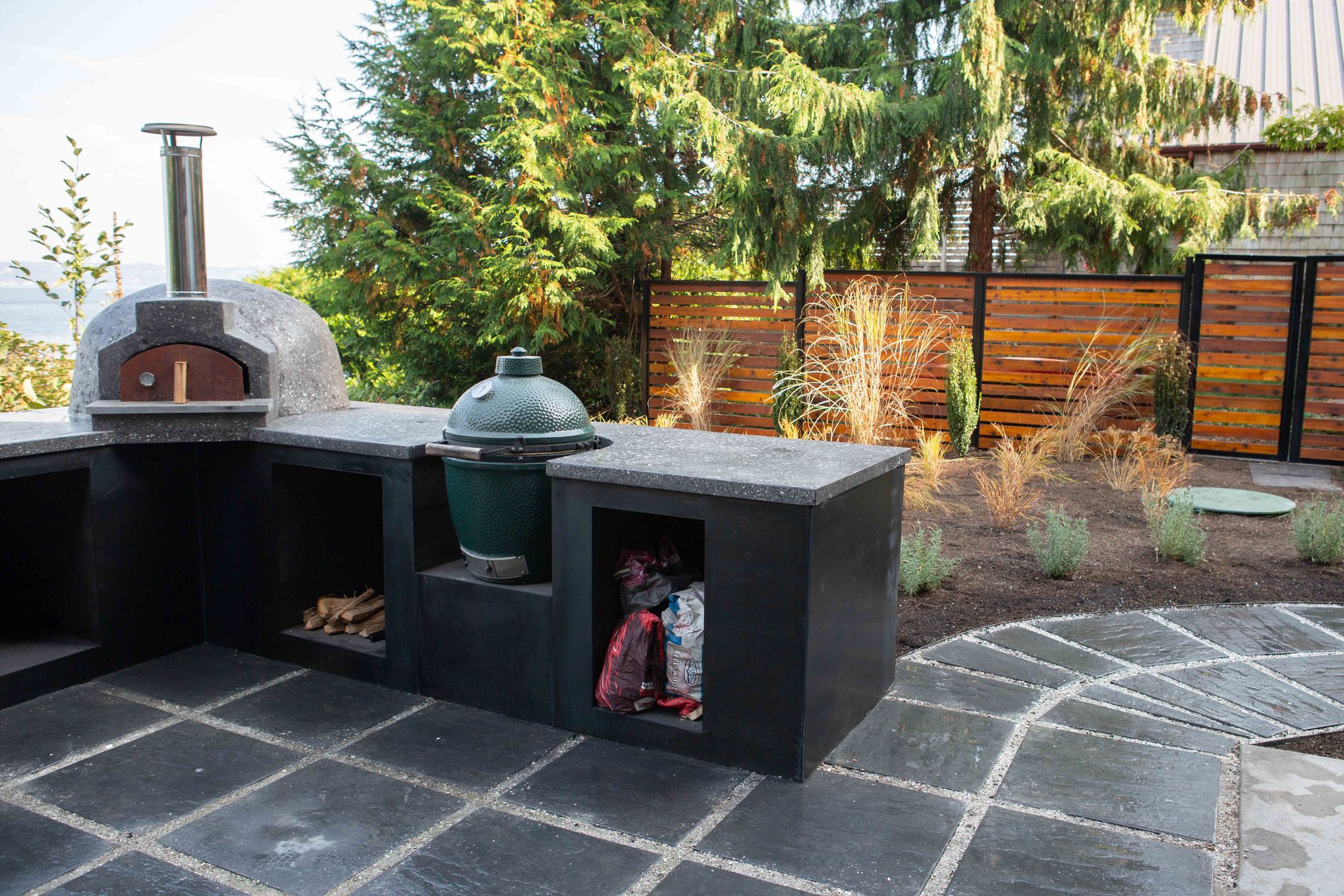
Side Burners And Pizza Ovens
Side burners and pizza ovens add cooking variety outdoors. They let you make side dishes or bake pizzas with ease.
| Appliance | Function | Benefit |
| Side Burner | Cook side dishes | More cooking options |
| Pizza Oven | Bake pizzas | Better flavor and crispness |
Ventilation And Weather Protection
Good ventilation removes smoke and heat from your cooking area. Weather protection keeps your kitchen safe from rain and sun.
- Install a vent hood above the grill
- Use covers to protect appliances
- Build a roof or pergola over the kitchen
- Choose weatherproof materials for cabinets
Decor And Finishing Touches
Decor and finishing touches bring life to your DIY outdoor kitchen with grill. These small details create a welcoming space for cooking and relaxing.
Choosing the right furniture, adding greenery, and keeping the area clean help make your outdoor kitchen both beautiful and functional.
Choosing Outdoor-friendly Furniture
Select furniture that can handle sun, rain, and wind. Materials like teak, metal, and synthetic wicker last longer outside.
- Look for weather-resistant cushions and fabrics
- Choose sturdy tables and chairs with rust-proof finishes
- Pick pieces that are easy to clean and maintain
- Consider foldable furniture for saving space
Incorporating Greenery And Decor
Add plants and decorations to make your outdoor kitchen inviting. Greenery softens the space and adds fresh air.
| Decor Item | Benefit |
|---|---|
| Hanging plants | Save floor space and add color |
| String lights | Create a cozy atmosphere in the evening |
| Outdoor rugs | Define seating areas and add warmth |
| Decorative lanterns | Provide soft lighting and style |
Maintaining Your Outdoor Kitchen
Regular care keeps your outdoor kitchen clean and working well. This protects your investment and keeps it safe.
- Clean grill grates after each use
- Wipe down counters and furniture weekly
- Cover appliances and furniture when not in use
- Check for rust or damage monthly
- Trim plants to avoid overgrowth around cooking areas
Safety Tips And Maintenance
Building a DIY outdoor kitchen with a grill is fun and rewarding. Keeping it safe and clean ensures it lasts long.
Good safety and maintenance habits help prevent accidents and keep your grill working well every season.
Grill Safety Guidelines
Always use your grill in a well-ventilated outdoor area. Keep it away from walls, fences, and plants.
Never leave the grill unattended while cooking. Keep a fire extinguisher nearby in case of emergencies.
- Check gas lines for leaks before use.
- Keep children and pets away from the grill.
- Use long-handled tools to avoid burns.
- Wear heat-resistant gloves when handling hot parts.
- Turn off the gas supply after cooking.
When designing a built-in outdoor kitchen, adhering to fire safety codes is mandatory. “A crucial requirement is ensuring the cavity holding the grill head is lined with non-combustible materials (like cement board or metal studs) and that a minimum clearance of 6 inches (15 cm) is maintained between the hot back of the grill and any adjacent wooden or flammable structures. Skipping this step is a major fire hazard and can void insurance or local permits. Always check the grill manufacturer’s specific cut-out and clearance requirements.”
Cleaning And Upkeep
Clean your grill after every use to prevent grease build-up. This stops flare-ups and improves taste.
Wipe down surfaces and empty grease trays regularly. Check burners for blockages and clean as needed.
- Use a grill brush to remove food residue.
- Clean the grill grates with warm, soapy water.
- Empty and clean the grease trap.
- Inspect and clean the drip pan.
- Cover the grill when not in use to protect it.
Seasonal Maintenance Tasks
Before the grilling season starts, check all parts for damage or wear. Replace any broken pieces.
At the end of the season, clean the grill thoroughly and store it in a dry place or cover it well.
- Inspect gas hoses for cracks or leaks.
- Test the ignition system to ensure it works.
- Clean burner tubes to keep flame steady.
- Lubricate moving parts if needed.
- Store propane tanks safely away from heat.
Budget-friendly Diy Tips
Building your own outdoor kitchen with a grill can save money. It also lets you customize your space.
These tips will help you create a kitchen that fits your budget and looks great.
Repurposing Materials
Use old or leftover materials to build parts of your outdoor kitchen. This reduces costs and waste.
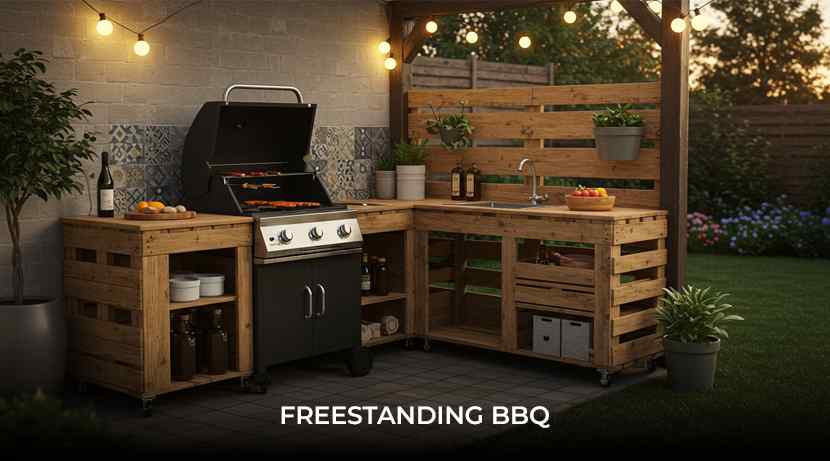
- Turn wooden pallets into a counter or storage shelves
- Use bricks or stones from past projects for the base
- Recycle metal scraps for grills or hooks
- Refinish old tables or cabinets to use as workspaces
Cost-effective Design Ideas
Plan your kitchen layout to save money without losing function. Simple designs cost less to build.
| Design Element | Budget Tip |
| Countertops | Use concrete or tile instead of granite |
| Cabinetry | Build open shelves instead of closed cabinets |
| Grill | Choose a basic model that fits your needs |
| Lighting | Install solar or LED lights for savings |
Tools And Resources For Beginners
Having the right tools makes building easier and safer. You do not need expensive tools to start.
- Basic tools: hammer, screwdrivers, measuring tape
- Power tools: drill, jigsaw (can be rented)
- Helpful resources: free online tutorials and forums
- Local workshops that teach DIY skills
Credit: www.seattletimes.com
Frequently Asked Questions
What Materials Are Best For A Diy Outdoor Kitchen?
Durable materials like stone, brick, and stainless-steel work best. They resist weather and provide a sturdy, long-lasting kitchen. Choose materials that match your outdoor style and budget for the best results.
How Do I Plan The Layout Of My Outdoor Kitchen?
Consider workflow by placing the grill, prep, and storage areas close. Ensure enough counter space and seating. Plan for electrical and water access. A well-organized layout improves cooking efficiency and guest interaction.
What Essential Appliances Should I Include In An Outdoor Kitchen?
Include a grill, refrigerator, sink, and storage cabinets. Optional extras are a pizza oven or side burners. These appliances make cooking convenient and enjoyable outdoors, enhancing your outdoor living experience.
How Can I Protect My Outdoor Kitchen From Weather Damage?
Use weather-resistant covers, sealants, and stainless steel appliances. Install a roof or pergola for shade and rain protection. Regular maintenance extends the kitchen’s life and keeps it looking great.
Conclusion
Building a DIY outdoor kitchen with a grill adds fun to your backyard. You save money by doing it yourself. It lets you cook and eat outside with family and friends. Simple tools and materials make the project easier. Plan your space well for the best results.
Enjoy fresh air while preparing meals. This project brings comfort and style to your home. Start small, then add features over time. Your outdoor kitchen will become a favorite place to gather.