Have you ever looked at your Method Bathroom Cleaner and wondered if it could tackle those stubborn kitchen messes, too? You’re not alone.
Many of us are curious about making our cleaning routines more efficient without compromising safety or effectiveness. Imagine the convenience of using a single product for multiple tasks! But before you start spritzing away in your kitchen, it’s essential to know if this bathroom cleaner is up to the job.
We’ll dive into whether it’s safe and effective to use Method Bathroom Cleaner on your kitchen surfaces. Stick around to find out, because the answer might just surprise you and transform your cleaning habits forever.

Credit: www.ewg.org
Method Bathroom Cleaner Ingredients
Method Bathroom Cleaner uses ingredients that clean tough stains and germs. It is designed for bathroom surfaces but some wonder if it works in kitchens.
Knowing what is inside helps decide if it is safe for kitchen use. The ingredients include active components and fragrances.
Active Components
The active components in Method Bathroom Cleaner break down dirt, soap scum, and grime. These ingredients kill bacteria and remove tough stains.
- Surfactants: Help remove grease and dirt by lifting them off surfaces
- Citric Acid: Breaks down mineral deposits and soap scum
- Preservatives: Keep the product stable and effective over time
- Water: Acts as the base for all ingredients
These ingredients work together to make the cleaner strong but safe for bathroom surfaces. They can also clean kitchen surfaces but check for any surface restrictions.
Fragrance And Additives
Method Bathroom Cleaner uses natural fragrances from plant oils. These add a fresh scent without harsh chemicals.
- Essential Oils: Provide a natural, pleasant smell
- Colorants: Give the cleaner its green color
- Foaming Agents: Help the product spread and clean better
The additives help make cleaning easier and more enjoyable. They are usually safe for kitchen use, but avoid using on food-contact surfaces without rinsing well.

Credit: www.ewg.org
Bathroom Cleaner Vs Kitchen Cleaner
Using the right cleaner keeps your home safe and clean. Bathroom and kitchen cleaners look similar but work differently.
This article explains the differences in formulation and the surfaces they target.
Differences In Formulation
Bathroom cleaners have strong ingredients to fight soap scum and mold. Kitchen cleaners focus on grease and food stains. These differences help each cleaner work better in its area.
| Cleaner Type | Main Ingredients | Purpose |
| Bathroom Cleaner | Bleach, acids, mold inhibitors | Remove soap scum, mold, mildew |
| Kitchen Cleaner | Degreasers, mild detergents | Break down grease and food residue |
Targeted Surfaces And Stains
Bathroom cleaners target tiles, tubs, and sinks. They remove hard water stains and mildew. Kitchen cleaners work on counters, stovetops, and sinks. They clean grease and food spills.
- Bathroom cleaner removes soap scum and mold from tiles.
- Kitchen cleaner cuts grease on cooking surfaces.
- Bathroom cleaner is stronger on mineral deposits.
- Kitchen cleaner is gentle on food-contact areas.
Safety Concerns For Kitchen Use
Using bathroom cleaners in the kitchen requires careful thought. Not all products are safe around food areas. It is important to understand the risks before using Method Bathroom Cleaner in your kitchen.
Some cleaners contain ingredients that might harm your health or cause allergic reactions. Knowing these details helps keep your kitchen safe for cooking and eating.
Toxicity Risks
Bathroom cleaners can have chemicals that are not meant for food surfaces. These chemicals may be toxic if they mix with food or touch kitchen utensils. Method Bathroom Cleaner is designed for bathroom use, so it might not be safe on kitchen counters or tables.
Using it in the kitchen could lead to accidental ingestion of harmful substances. Always check the label for warnings about food contact. If the product does not say it is safe for kitchen use, avoid using it there.
Potential Allergens
Some ingredients in bathroom cleaners can cause allergic reactions. These may include fragrances, dyes, or preservatives. People with sensitive skin or allergies might react when these substances get on kitchen surfaces.
Even small amounts of allergens can cause irritation or breathing problems. Using a cleaner meant for kitchens lowers this risk. Always read ingredient lists to avoid allergens in your cleaning products.
Effectiveness On Kitchen Surfaces
Using Method Bathroom Cleaner in the kitchen raises questions about its cleaning power and safety. It is important to understand how well it works on kitchen messes. Also, consider if it is safe for areas where food is prepared.
This guide looks at its ability to clean grease and its impact on food contact surfaces. You will find useful information to decide if this cleaner fits your kitchen needs.
Cleaning Power On Grease
Method Bathroom Cleaner is designed to remove soap scum and bathroom grime. It has some ability to break down grease, but it is not made specifically for kitchen grease. For thick or baked-on grease, it may need extra scrubbing.
- Works well on light grease and dirt.
- Not strong enough for heavy kitchen grease.
- May require multiple applications for tough spots.
- Leaves a fresh scent after cleaning.
Impact On Food Contact Areas
| Aspect | Details |
| Safety | Not FDA-approved for direct food contact surfaces. |
| Residue | Rinsing is necessary to avoid chemical residue. |
| Usage | Best used away from cutting boards and counters used for food prep. |
| Recommendation | Use kitchen-safe cleaners for food contact areas. |
Manufacturer’s Guidelines
Using Method Bathroom Cleaner in the kitchen requires careful attention to the manufacturer’s guidelines. These instructions ensure safe and effective cleaning without damaging surfaces.
Always read the product label before using it outside its intended area. The manufacturer provides clear information about where and how to use the cleaner.
Recommended Uses
Method Bathroom Cleaner is designed mainly for bathroom surfaces. It works well on sinks, tubs, tiles, and toilets. The manufacturer advises using it only on these types of areas to avoid damage.
- Use on ceramic tiles and porcelain fixtures
- Suitable for removing soap scum and grime in bathrooms
- Not recommended for kitchen countertops or food preparation areas
- Avoid using on wood or natural stone surfaces
Warnings And Precautions
| Warning | Details |
| Do not ingest | Keep out of reach of children and pets |
| Avoid contact with food | Do not use on surfaces that touch food directly |
| Test before use | Try on a small area to check for surface damage |
| Ventilation | Use in well-ventilated areas to avoid fumes |
Alternatives For Kitchen Cleaning
Using bathroom cleaners like Method in the kitchen is not a good idea. Kitchen surfaces need safe cleaners made for food areas.
There are many safer options to clean your kitchen well. These keep your space clean and protect your health.
Safer Multi-surface Cleaners
Look for cleaners labeled safe for kitchen use. These cleaners work on counters, tables, and appliances.
They do not have harsh chemicals that can harm food or skin. Many are designed to kill germs without strong smells.
- Cleaners with plant-based ingredients
- Non-toxic sprays for all surfaces
- Disinfectants safe near food areas
- Products free from bleach and ammonia
Natural Cleaning Options
Natural cleaners use simple ingredients found at home. They clean without chemicals and are gentle on surfaces.
Common natural options include vinegar, baking soda, and lemon. These items can remove stains and kill some germs.
- White vinegar diluted with water for wiping counters
- Baking soda paste to scrub tough spots
- Lemon juice to cut grease and add fresh scent
- Castile soap mixed with water for mild cleaning
Best Practices For Household Cleaning
Using cleaners safely and effectively keeps your home clean and healthy. Knowing if you can use bathroom cleaners in the kitchen helps avoid problems.
Learn the best ways to handle cleaners, store them, and label them clearly. This protects your family and your surfaces.
Cross-use Of Cleaners
Bathroom cleaners often contain strong chemicals that may not be safe for kitchen surfaces. Using these cleaners in the kitchen can cause damage or health risks.
- Do not use bathroom cleaners on food preparation areas.
- Check the label for safe surface use before applying any cleaner.
- Use kitchen cleaners designed for counters and appliances.
- Keep cleaners separate by purpose to avoid mix-ups.
Proper Storage And Labeling
Storing and labeling cleaners correctly reduces accidents and confusion. Clear labels help you know what each product is for.
| Storage Tip | Reason |
| Keep cleaners out of reach of children | Prevents accidental poisoning |
| Store in original containers | Ensures proper use instructions are available |
| Label any transferred liquids clearly | Avoids misuse and dangerous mixing |
| Separate kitchen and bathroom cleaners | Prevents cross-contamination |
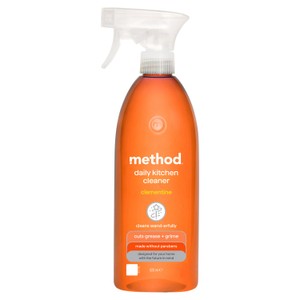
Credit: www.ocado.com
Frequently Asked Questions
Can Method Bathroom Cleaner Be Used On Kitchen Surfaces?
Method Bathroom Cleaner is designed for bathroom use and may not be ideal for kitchen surfaces. It’s best to use cleaners specifically labeled for kitchen use to ensure food safety and effective grease removal.
Is Method Bathroom Cleaner Safe For Kitchen Countertops?
Method Bathroom Cleaner is not recommended for kitchen countertops. It may contain ingredients unsuitable for food preparation areas. Use a cleaner made for kitchen countertops to avoid contamination and maintain surface integrity.
Will Method Bathroom Cleaner Remove Kitchen Grease Effectively?
Method Bathroom Cleaner targets bathroom grime, not kitchen grease. For tough kitchen grease, choose a degreaser or an all-purpose kitchen cleaner for better results and safety.
Can Using Bathroom Cleaner In The Kitchen Cause Health Risks?
Using bathroom cleaner in the kitchen can pose health risks due to chemical residues. Always use kitchen-safe cleaners to avoid contaminating food surfaces and ensure safe cleaning.
Conclusion
Method Bathroom Cleaner is designed for bathroom surfaces, not kitchens. Using it in the kitchen may not be safe or effective. Kitchen cleaners usually focus on food-safe ingredients and grease removal. Bathroom cleaners may contain stronger chemicals for soap scum and mold.
Always choose a product made for kitchen use to protect your family’s health. Read product labels carefully before using any cleaner on kitchen surfaces. Cleaners work best when used as directed. Keep your kitchen safe and clean with the right product.
Simple and smart choices matter.