Can you bake no knead bread without Dutch oven? Imagine the aroma of freshly baked bread filling your home, enticing your senses and bringing comfort with every bite.
You may have heard that a Dutch oven is essential for baking the perfect no-knead bread. But what if you don’t have one? Can you still achieve that crusty, airy loaf without it? The good news is, yes, you can!
This article will guide you through simple methods to bake no-knead bread without a Dutch oven. You’ll discover alternative tools and techniques that are just as effective.
Are you ready to master the art of bread baking with what you already have in your kitchen? Keep reading to find out how you can achieve bakery-quality results without the need for expensive equipment. Your homemade bread adventure starts here!

Credit: m.youtube.com
No Knead Bread Basics
No knead bread is a simple way to bake fresh bread at home. It uses a slow rise and little effort. You do not need to knead the dough by hand.
This method works well even without a Dutch oven. You can still get a good crust and soft inside by using other tools.
Key Ingredients
The recipe uses a few basic ingredients. Each one helps build flavor and texture in the bread.
| Ingredient | Role | Notes |
|---|---|---|
| Flour | Main structure | All-purpose or bread flour works best |
| Water | Hydrates flour | Use warm water for better yeast activity |
| Yeast | Leavens bread | Active dry or instant yeast works |
| Salt | Flavor enhancer | Adds taste and controls yeast growth |
Simple Preparation Steps
The dough is easy to prepare with no need for kneading. It needs time to rise for the best results.
- Mix flour, yeast, salt, and water in a large bowl.
- Cover the bowl with plastic wrap or a towel.
- Let the dough rest at room temperature for 12 to 18 hours.
- Preheat your oven to a high temperature, around 450°F (230°C).
- Shape the dough lightly on a floured surface.
- Place the dough on a baking sheet or in a covered pot alternative.
- Bake for about 30 to 40 minutes until crusty and golden.
Why Dutch Oven Matters
Baking no knead bread without a Dutch oven is possible. But the Dutch oven gives special results.
The Dutch oven helps create a perfect environment for the bread to rise and bake well. It controls heat and moisture around the dough.
Role In Bread Baking
The Dutch oven traps steam released by the bread dough. This steam is important for the bread to rise properly.
It also keeps the heat even and steady. This helps the bread cook evenly inside and out.
- Traps steam for better dough expansion
- Maintains steady, even heat
- Prevents the bread from drying out
- Makes the baking process more controlled
Effects On Crust And Texture
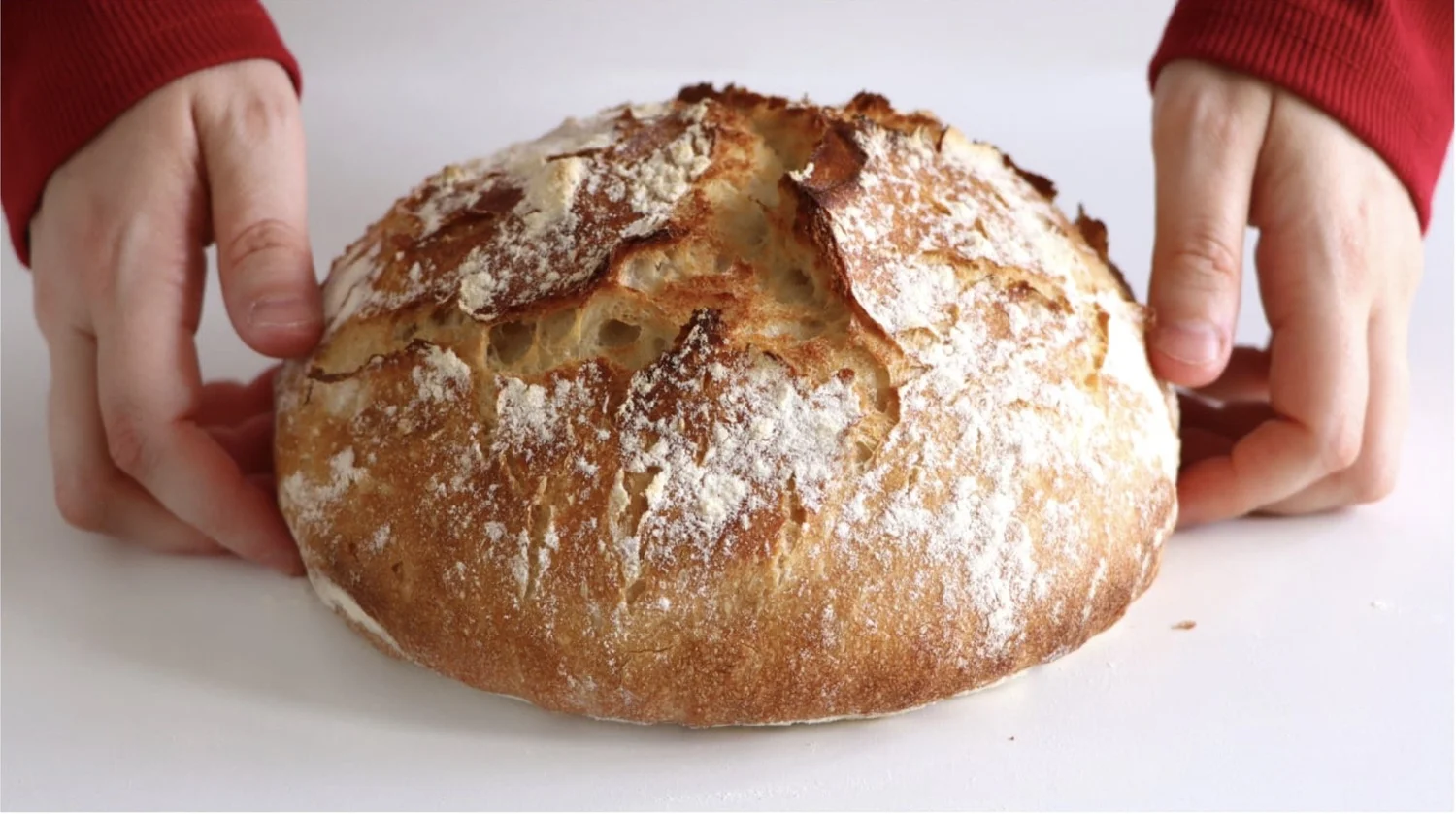
The Dutch oven creates a thick, crispy crust by keeping moisture inside at first. This moisture helps the bread form a nice crust.
Without a Dutch oven, the crust can be thinner and less crunchy. The texture might be less chewy and soft inside.
- Creates a thick, crispy crust
- Allows bread to stay soft and moist inside
- Improves the chewiness of the bread
- Helps develop a golden-brown color
Alternatives To Dutch Oven
You can bake no knead bread without a Dutch oven. Some kitchen items work well as substitutes. These options help create steam and heat for a nice crust.
Using these alternatives needs small adjustments. They still give good results for fresh, homemade bread.
Using A Baking Sheet
A baking sheet can hold your dough while baking. Place the dough on a preheated sheet to help form a crispy crust.
To add steam, put a shallow pan with water on the oven floor. This keeps the bread moist and crusty.
- Preheat the baking sheet for a better crust
- Use parchment paper to prevent sticking
- Add water in a pan for steam
- Cover bread loosely with foil if crust browns too fast
Cast Iron Skillet Options
A cast iron skillet works well to bake no knead bread. It holds heat evenly and can go from stovetop to oven.
Cover the dough with a large lid or foil to trap steam. This helps the bread rise and develop a crunchy outside.
- Preheat the skillet before adding dough
- Use a lid or foil to create a steam environment
- Handle hot cast iron carefully to avoid burns
- Use oven mitts when placing or removing the skillet
Glass Or Ceramic Dishes
Glass or ceramic dishes can also replace a Dutch oven. They hold heat well and can bake the bread evenly.
Cover the dish with a large oven-safe lid or foil. This helps keep the steam in for a soft crumb and crusty top.
- Choose a deep dish that fits your dough size
- Preheat the dish to help with crust formation
- Cover tightly to trap steam
- Check bread early to avoid over-browning
Tips For Baking Without Dutch Oven
Baking no knead bread without a Dutch oven is possible. You can still get a good crust and soft inside.
This guide gives simple tips to help you bake no knead bread without special equipment.
Creating Steam In Oven
Steam is important to make the bread crust crispy. Without a Dutch oven, you can create steam in other ways.
- Place a metal pan on the oven bottom before heating.
- When you put the bread in, pour hot water into the pan to create steam.
- Spray water inside the oven with a spray bottle a few times during the first 10 minutes.
- Cover the bread with a large heat-safe bowl or pan to trap moisture.
Adjusting Baking Time And Temperature
Baking without a Dutch oven means you need to change time and heat. This helps the bread cook well.
| Oven Temperature | Baking Time |
| 450°F (230°C) | 30 to 35 minutes |
| 425°F (220°C) | 35 to 40 minutes |
| 400°F (200°C) | 40 to 45 minutes |
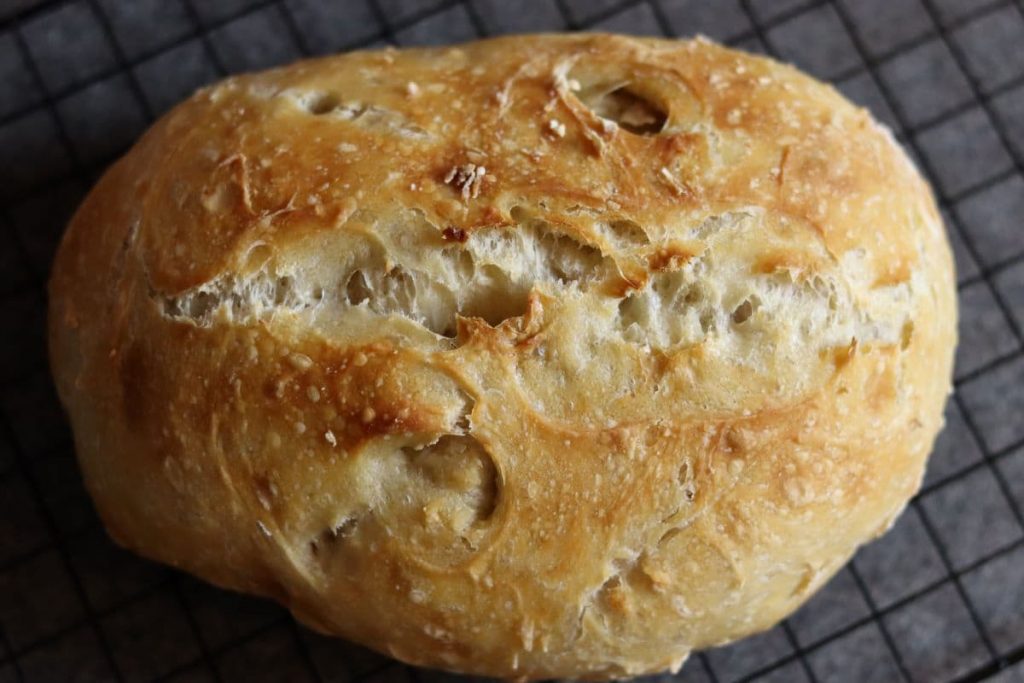
Watch the bread color and check if it sounds hollow when tapped. This means it is ready.
Using Foil Or Covers
Foil or other covers can replace the Dutch oven lid to keep moisture and heat around the bread.
- Cover the dough with aluminum foil during the first 20 minutes of baking.
- Remove the foil later to let the crust brown and become crisp.
- Use an oven-safe bowl or large pot as a cover if you do not have a Dutch oven.
Common Challenges And Fixes
Baking no-knead bread without a Dutch oven can be tricky. The Dutch oven helps keep heat and moisture inside.
Without it, bread may bake unevenly or become dry. Here are common problems and ways to fix them.
Avoiding Dry Or Dense Bread
Dry or dense bread happens when the dough dries out or doesn’t rise well. Using a covered pot or baking tray can help keep moisture.
Also, make sure to keep the dough hydrated and let it rest enough before baking. This helps make soft and airy bread.
- Cover the bread with a metal bowl or foil to trap steam
- Add a pan of hot water in the oven for moisture
- Use a baking stone or heavy tray for even heat
- Let dough rise at room temperature for 12-18 hours
- Use enough water in the dough for a sticky texture
Preventing Uneven Baking
Without a Dutch oven, heat may not spread evenly around the bread. This causes some parts to cook faster than others.
To fix this, use a heavy pan or baking stone that holds heat well. Rotate the bread halfway through baking for even color.
- Preheat a baking stone to keep steady heat
- Place bread in the middle rack for best air flow
- Turn the bread 180 degrees halfway through baking
- Use an oven thermometer to check temperature accuracy

Credit: humbly-homemade.com
Enhancing Flavor And Crust
Baking no knead bread without a Dutch oven is possible. You can still get great flavor and crust by using simple tips.
Using herbs, seeds, and different flours adds taste and texture. These ingredients help make your bread special.
Adding Herbs And Seeds
Herbs and seeds add extra flavor and crunch to your bread. They also create a nice crust texture without a Dutch oven.
Try mixing herbs like rosemary or thyme into the dough. Seeds such as sesame, poppy, or sunflower add a nutty taste.
- Sprinkle seeds on top before baking
- Mix chopped fresh herbs into the dough
- Use dried herbs for a stronger taste
- Press seeds lightly into the dough surface
Using Different Flour Types
Using various flours changes the bread’s flavor and crust. Whole wheat and rye flours add a rich, earthy taste.
Try mixing all-purpose flour with whole grain flours. This mix improves crust color and makes the bread more flavorful.
- Use 20-30% whole wheat or rye flour
- Try bread flour for a chewier crust
- Mix flours for different textures
- Adjust water slightly for whole grain flours
Credit: sustainableslowliving.com
Frequently Asked Questions
Can You Bake No Knead Bread Without A Dutch Oven?
Yes, you can bake no knead bread without a Dutch oven. Use a heavy, oven-safe pot with a lid or a baking stone. These alternatives help retain heat and moisture for a crispy crust and soft interior.
What Are The Best Alternatives To A Dutch Oven?
Good alternatives include a heavy cast iron skillet with a lid, a covered roasting pan, or a baking stone with steam. These options help mimic the Dutch oven’s heat retention and moisture for excellent bread crust and texture.
How Does Baking Without A Dutch Oven Affect Bread Texture?
Baking without a Dutch oven might produce a less crispy crust and lighter crumb. Using steam in the oven can help maintain moisture and improve crust quality when the Dutch oven isn’t available.
Can I Use A Baking Sheet Instead Of A Dutch Oven?
Yes, you can use a baking sheet but results may vary. To mimic steam, add water to a pan in the oven. This helps develop a crust but may not be as even or crisp as with a Dutch oven.
Conclusion
Baking no-knead bread without a Dutch oven is possible and fun. You can use a heavy pan or a baking sheet instead. The bread may have a different crust but still tastes good. Experiment with what you have in your kitchen.
This way, you enjoy fresh bread anytime without special tools. Keep trying and find what works best for you. Baking bread can be simple and rewarding. Give it a go and enjoy your homemade bread!