Have you ever found yourself in the kitchen, staring at your collection of gadgets, and wondering if you really need all of them? If you're like most people, you've probably questioned whether your Kitchen Maid hand blender could stand in for a bulky mixer.
Imagine the convenience of using one tool for multiple tasks, saving you both time and counter space. This could be a game-changer for your culinary adventures. In this blog post, we'll explore whether your trusty hand blender can truly replace a mixer and what that means for your kitchen routine.
Stick around, as you might discover a new way to simplify your cooking process and make meal prep more enjoyable.
Credit: www.vevor.ca
Kitchen Maid Hand Blender Features
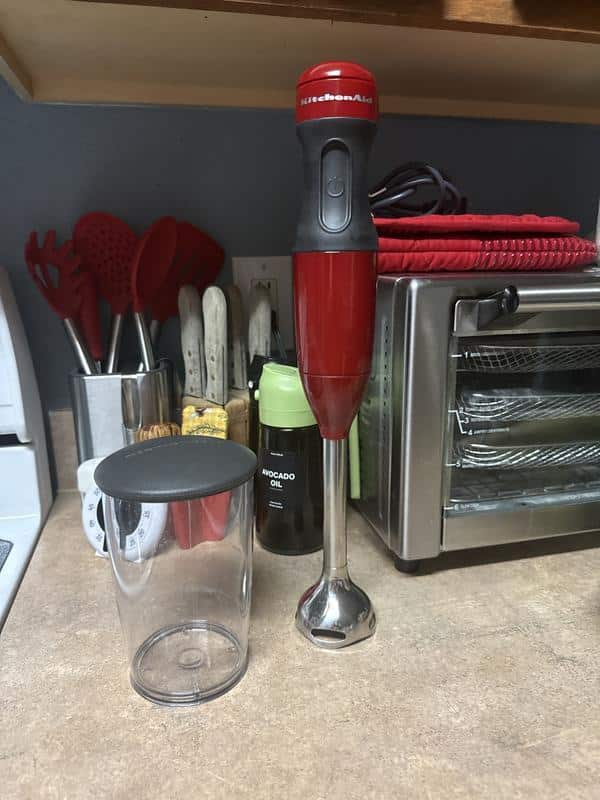
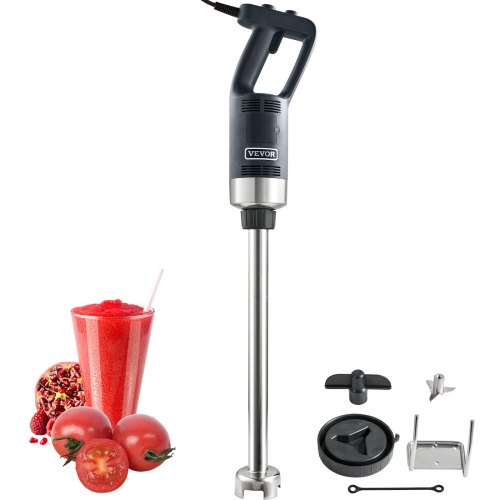
The Kitchen Maid Hand Blender is a compact and useful kitchen tool. It can help with many cooking tasks. This guide looks at its main features.
Understanding its parts and functions helps you decide if it can replace a mixer in your kitchen.
Design And Build Quality
The blender has a slim and lightweight design. It is easy to hold and use for long periods. The body is made from durable plastic that resists wear.
- Ergonomic handle for a firm grip
- Stainless steel blending shaft
- Compact size for easy storage
- Simple button layout for easy control
Motor Power And Speed Settings
The motor runs at 200 watts, enough for most blending tasks. It has two speed settings to adjust blending power. A turbo button offers short bursts of extra speed.
| Feature | Description |
| Motor Power | 200 Watts |
| Speed Settings | 2 Speeds + Turbo |
| Noise Level | Moderate |
Attachments And Accessories
The blender comes with several useful attachments. These make it flexible for different kitchen jobs.
- Blending shaft for smoothies and soups
- Whisk attachment for eggs and cream
- Chopper bowl for chopping vegetables and nuts
- Measuring cup for easy ingredient handling
Mixer Capabilities Compared
The Kitchen Maid hand blender and a traditional mixer serve different kitchen roles. Understanding their capabilities helps decide if one can replace the other.
This comparison looks closely at the types of mixers, power differences, and key functions like mixing, kneading, and beating.
Types Of Mixers And Their Uses
Mixers come in various types. Each type suits specific cooking tasks in the kitchen.
- Stand mixers:Large, stable, and good for heavy dough or large batches.
- Hand mixers:Portable and useful for light to medium mixing.
- Immersion blenders:Great for purees and blending liquids directly in pots.
The Kitchen Maid hand blender falls under immersion blenders. It blends and purees but does not replace stand or hand mixers fully.
Power And Performance Differences
| Feature | Kitchen Maid Hand Blender | Traditional Mixer |
|---|---|---|
| Power (Watts) | Usually 200-300 W | Typically 300-600 W or more |
| Motor Type | Small, lightweight motor | Heavy-duty motor for tough tasks |
| Speed Settings | Variable speeds but limited torque | Multiple speeds with strong torque |
| Use Duration | Short bursts recommended | Can run longer for heavy mixing |
Mixers have more power and longer run times. The hand blender is lighter but less strong.
Mixing, Kneading, And Beating Functions
Mixing, kneading, and beating need different tools and power levels.
- Mixing:Both devices mix but the mixer does better with thick batters.
- Kneading:Only stand mixers handle kneading heavy dough well.
- Beating:Mixers beat eggs and cream faster and more evenly.
The Kitchen Maid hand blender lacks attachments for kneading and may struggle with thick mixtures.
Performance In Common Kitchen Tasks
The Kitchen Maid hand blender offers a compact tool for many food preparations. It can handle various kitchen tasks but may differ from a full mixer.
Understanding its strengths and limits helps decide if it can replace a traditional mixer in daily cooking.
Blending And Pureeing
The hand blender works well for blending soups, sauces, and smoothies. It quickly breaks down soft fruits and vegetables into smooth textures.
- Purees cooked vegetables evenly
- Blends liquids without splashing
- Easy to control speed and texture
- Compact and easy to clean
Whipping And Emulsifying
The Kitchen Maid hand blender can whip cream and emulsify dressings. It handles light mixing tasks but may take longer than a mixer.
| Task | Hand Blender | Traditional Mixer |
| Whipping Cream | Possible, slower | Fast, fluffy results |
| Emulsifying Dressings | Effective for small batches | Works well for large batches |
| Beating Eggs | Can do light beating | Better for heavy whipping |
Dough Mixing And Heavy Batters
Mixing dough or heavy batters is harder for a hand blender. It lacks the power and attachments of a full mixer.
- Not suitable for thick doughs
- Struggles with heavy batters
- Can mix light batters with care
- Best to use a stand mixer for bread or cookies
Advantages Of Using A Hand Blender
A hand blender is a useful tool in the kitchen. It can mix, blend, and puree many foods easily.
Many wonder if a kitchen maid hand blender can replace a mixer. It has some clear advantages.
Portability And Storage
A hand blender is small and light. You can move it around the kitchen without trouble.
It takes less space on your counter or in your cabinets than a big mixer.
- Easy to carry to different places
- Fits in small kitchen drawers
- Does not need a large storage area
Ease Of Cleaning
Cleaning a hand blender is quick and simple. You only wash the small blade part.
Most hand blender parts can be rinsed under running water or put in the dishwasher.
- Detachable parts for easy washing
- No large bowls or beaters to scrub
- Less mess after use
Versatility In Small Batches
A hand blender works well for small mixing jobs. It can blend soups, sauces, and smoothies.
This tool handles small amounts better than a large mixer. It is perfect for quick meals.
- Good for pureeing vegetables and fruits
- Mixes batters for pancakes or cakes in small bowls
- Ideal for making salad dressings or dips
Limitations Compared To Mixers
The Kitchen Maid hand blender offers quick blending and mixing for small tasks. It is handy in the kitchen but has some limits compared to mixers.
This article looks at where the hand blender falls short versus a traditional mixer in three key areas.
Handling Large Quantities
Hand blenders are designed for small amounts of food. They work best with soups, sauces, and small batches.
Mixers can handle bigger bowls and larger amounts of dough or batter. This makes them better for big baking jobs.
Consistency And Texture
Mixers provide even mixing, which helps create smooth and uniform textures. This is important for cakes and bread.
Hand blenders may leave some lumps or uneven spots. They cannot always match the fine mixing of a stand mixer.
Motor Durability Under Heavy Use
Mixers have strong motors built for long and heavy use. They can mix thick dough without overheating.
Hand blender motors are smaller and may overheat with tough or long mixing tasks. This limits their use for heavy jobs.

Credit: www.yahoo.com
Expert Recommendations
The Kitchen Maid hand blender offers a compact and versatile option for many kitchen tasks. It can handle blending, pureeing, and light mixing well. But it may not replace a full-sized mixer for all recipes.
Understanding when to use a hand blender or a mixer helps you get better results in cooking and baking. Here are some expert tips on their best uses and how to get the most from your hand blender.
Best Use Cases For Hand Blenders
Hand blenders work well for quick and simple tasks. They are ideal when you want to blend or mix small amounts without setting up a bigger machine.
- Pureeing soups directly in the pot
- Making smoothies or milkshakes
- Whipping cream or egg whites in small batches
- Mixing pancake or batter for a few servings
- Emulsifying sauces and dressings
When To Choose A Mixer Instead
A mixer is better for heavier and larger tasks. It handles thick doughs and large volumes more efficiently. Here is a comparison table to help you decide.
| Task | Hand Blender | Mixer |
| Heavy dough mixing | Not recommended | Best choice |
| Large batter batches | Slow and inefficient | Fast and even |
| Whipping large cream amounts | Possible but slow | Quick and fluffy |
| Blending soups and sauces | Ideal for small pots | Works but less practical |
Tips For Maximizing Hand Blender Efficiency
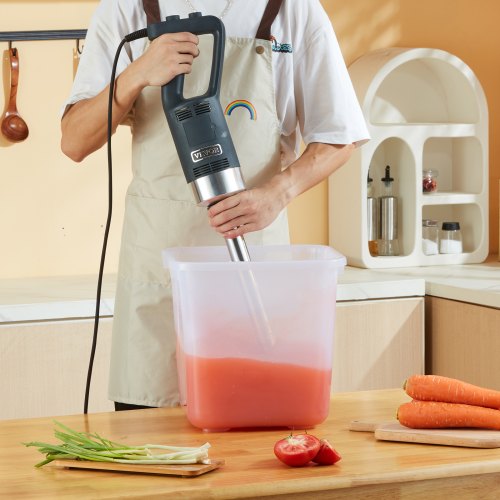
Using your hand blender properly can improve your results. These tips help you blend faster and cleaner.
- Use a tall, narrow container to reduce splashing
- Keep the blender blade fully submerged before turning on
- Pulse in short bursts for better control
- Clean the blade immediately after use to avoid stuck food
- Use the right speed setting for your task
Credit: www.vevor.ca
Frequently Asked Questions
Can A Kitchen Maid Hand Blender Replace A Traditional Mixer?
A Kitchen Maid hand blender can replace a mixer for light tasks like blending and pureeing. However, it may struggle with heavy dough or large batches.
What Tasks Can A Kitchen Maid Hand Blender Perform?
It can blend soups, make smoothies, whip cream, and mix light batters. It is ideal for quick, small kitchen tasks.
Is The Kitchen Maid Hand Blender Suitable For Dough Mixing?
No, the hand blender is not designed for heavy dough mixing. A traditional mixer is better for kneading and thick doughs.
How Does The Kitchen Maid Hand Blender Differ From A Mixer?
The hand blender is handheld and portable, suited for blending and whisking. Mixers are stationary and more powerful for heavy-duty mixing.
Conclusion
The Kitchen Maid hand blender works well for many mixing tasks. It handles soups, sauces, and light batters with ease. But it may not replace a heavy-duty mixer for thick doughs. Small kitchens benefit from its compact size and quick cleanup.
Choose based on your cooking needs and space. A hand blender offers convenience, while a mixer provides power. Both tools have their place in the kitchen. Think about what you cook most before deciding. Simple tools can make cooking easier every day.