Are you wondering if you can blend soups in your KitchenAid? Whether you want a smooth, creamy texture or just need to mix ingredients quickly, knowing how to use your KitchenAid for soups can save you time and effort.
You’ll discover the best tips and tricks to get perfect soup blends every time. Keep reading, and you’ll never have to worry about lumpy or uneven soups again!
Kitchenaid Blenders And Soup
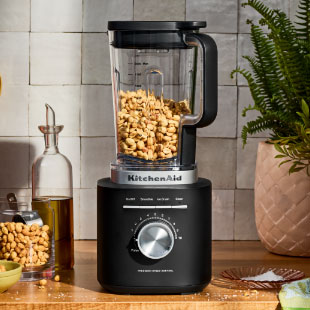
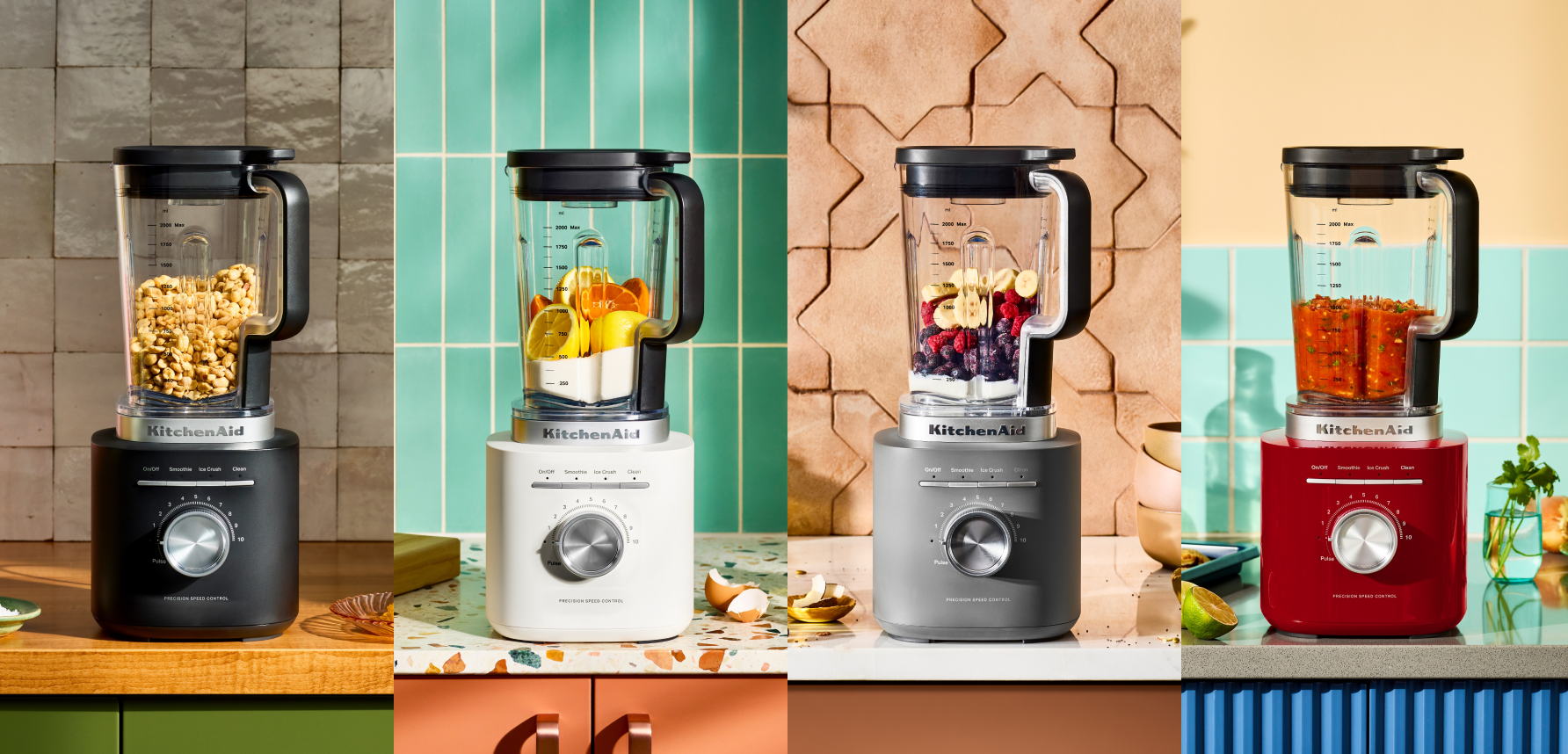
Many people wonder if they can blend soups using their KitchenAid blender. These blenders come in different styles and power levels. Knowing which model fits your soup-making needs helps you get smooth results.
Blending hot soup can be safe and easy if you use the right KitchenAid blender. This guide explains types of KitchenAid blenders and their blending capacity and power for soup.
Types Of Kitchenaid Blenders
KitchenAid offers several blender types. Each has features that affect how well it blends soups.
- Countertop Blenders:These have large jars and strong motors. They work well for hot and cold soups.
- Immersion Blenders:Handheld and easy to use directly in pots. Best for small batches.
- Personal Blenders:Compact and for single servings. Not ideal for thick soups.
- Stand Mixers with Blender Attachments:Versatile but less powerful than dedicated blenders.
Blending Capacity And Power
The blender’s capacity and motor power matter for soup blending. Larger jars hold more soup. A stronger motor blends thicker ingredients better.
| Blender Model | Jar Capacity | Motor Power | Soup Blending Suitability |
|---|---|---|---|
| KitchenAid K400 | 56 oz | 1200 watts | Great for hot and thick soups |
| KitchenAid K150 | 48 oz | 700 watts | Good for light and medium soups |
| KitchenAid Immersion Blender | Varies (handheld) | 120 watts | Best for small pots and thin soups |
| KitchenAid Personal Blender | 24 oz | 300 watts | Not recommended for hot or thick soups |
Credit: www.kitchenaid.com
Preparing Soups For Blending
Blending soups in a KitchenAid mixer can save time and create smooth textures. It is important to prepare the soup properly before blending.
Good preparation helps avoid spills and ensures the best soup consistency. Follow simple steps for safe and effective blending.
Choosing The Right Soup Consistency
Soups that are too thick can be hard to blend and may damage your KitchenAid. Thin soups blend more easily and smoothly.
Add liquid like broth or water to make the soup easier to blend. The goal is a creamy texture without chunks.
- Start with a slightly thin soup
- Use broth, water, or milk to adjust thickness
- Blend in small batches for even results
- Check soup texture during blending
Cooling Hot Soups Safely
Hot soups must cool before blending in a KitchenAid. Blending hot liquids can cause pressure and spills.
Let the soup cool to a warm or room temperature. Use small portions to avoid accidents during blending.
- Remove soup from heat before blending
- Wait 10-15 minutes to cool slightly
- Blend in small batches to release steam
- Cover the blender with a towel for safety
Step-by-step Blending Process
Blending soups in a KitchenAid blender is simple and fast. It helps make smooth and creamy soups.
Follow the steps below to blend your soup safely and effectively.
Setting Up Your Kitchenaid Blender
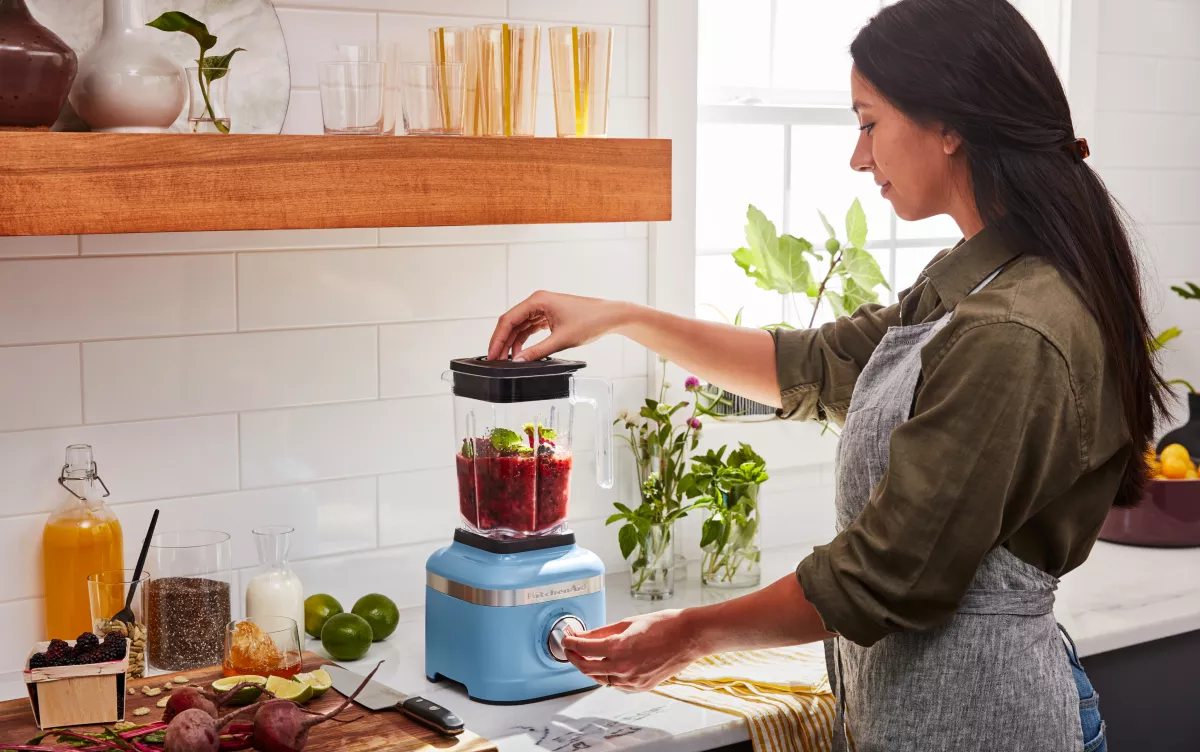
Place the blender base on a flat surface. Make sure the blender pitcher is clean and dry.
Pour the soup into the blender pitcher. Do not fill above the maximum fill line to avoid spills.
- Ensure the lid is tightly sealed to prevent splashes.
- If the soup is hot, leave the lid vent open slightly to release steam safely.
- Keep the blender base plugged in and ready to use.
Recommended Speed And Settings
Start blending on low speed to avoid splattering. Gradually increase to medium speed for smooth results.
Use pulse mode if your soup has chunks. This helps break them down without over-blending.
- Low speed for initial blending
- Medium speed for smooth texture
- Pulse mode for chunky soups
Avoiding Common Blending Mistakes
Do not overfill the blender pitcher. Too much soup can cause spills and damage the blender.
Do not blend hot soup at high speed right away. This can cause steam pressure to build and splash.
- Fill below the maximum line
- Start blending at low speed
- Hold the lid down firmly during blending
- Let hot soup cool slightly before blending
Tips For Perfect Soup Texture
Blending soups in your KitchenAid can change the texture greatly. Getting the right thickness and smoothness is key for a delicious soup.
Small changes in how you blend and what you add can make a big difference. Here are some tips to help you get it just right.
Adjusting Thickness And Smoothness
Use the KitchenAid blender to control how thick or smooth your soup is. Blend longer for a smooth texture. Blend less for chunkier soup.
- Add liquid in small amounts if the soup is too thick.
- Use cream or broth to thin the soup gently.
- Stop blending early to keep some chunks for texture.
- Use the pulse button to blend in short bursts.
- Strain the soup if you want a very smooth finish.
Incorporating Ingredients For Flavor
Add ingredients at the right time to keep flavors fresh. Some items blend well, while others taste better added later.
| Ingredient | When to Add | Effect on Flavor |
| Herbs (basil, parsley) | After blending | Keeps flavor bright |
| Garlic and onions | Before blending | Deep, rich taste |
| Cream or milk | After blending | Smooth, creamy texture |
| Spices (cumin, pepper) | Before blending | Evenly spread flavor |
| Croutons or nuts | After blending | Adds crunch |
Cleaning And Maintenance
Blending soups in a KitchenAid blender is easy and quick. Keeping the blender clean and well-maintained helps it last longer.
Proper cleaning removes food residue and stops smells. Regular maintenance keeps the blades sharp and the motor strong.
Cleaning After Blending Soups
Clean your KitchenAid blender right after use. This stops soup from drying inside the jar or on the blades.
Fill the blender jar halfway with warm water. Add a drop of dish soap. Blend for 30 seconds, then rinse well.
- Unplug the blender before cleaning
- Do not soak the base or motor part
- Use a soft cloth to wipe the base
- Remove and wash the lid and jar separately
- Dry all parts before reassembling
Maintaining Blender Performance
Keep your KitchenAid blender working well by checking it often. Look for any cracks or damage on the jar and lid.
Sharpen or replace blades if they become dull. Avoid overfilling the blender to protect the motor.
- Use the blender on correct speed settings
- Allow the motor to cool after long use
- Store the blender in a dry place
- Check the cord for any damage
- Follow the user manual for care tips
Credit: www.kitchenaid.com
Troubleshooting Blending Issues
Blending soups in a Kitchen Aid blender can be simple. Sometimes, users face problems like overheating or lumps. Knowing how to fix these helps make smooth soups.
This guide covers common blending issues. It gives tips to handle overheating and fix lumps or inconsistencies in your soup.
Handling Overheating
Kitchen Aid blenders may overheat if used too long. Overheating can damage the motor or stop the blender. It is important to avoid this problem.
- Turn off the blender every 30 seconds to cool it down.
- Use the pulse button instead of continuous blending.
- Blend smaller batches to reduce motor strain.
- Check that vents on the blender base are not blocked.
- Let the blender rest for at least 15 minutes if it feels hot.
Dealing With Lumps And Inconsistencies
Lumps in soup happen when ingredients do not blend well. This can make the soup less smooth and enjoyable. Try these fixes for better texture.
| Cause | Solution |
| Too thick soup | Add small amounts of liquid and blend again |
| Large chunks of vegetables | Cut vegetables into smaller pieces before blending |
| Blender speed too low | Use higher speed settings for smoother results |
| Overfilling the jar | Reduce soup amount to allow better blade movement |
Credit: www.kitchenaid.com
Frequently Asked Questions
Can I Blend Hot Soups In A Kitchenaid Blender?
Yes, you can blend hot soups in a KitchenAid blender. Use the blender’s vented lid to release steam safely. Blend in small batches to avoid splattering and ensure even mixing.
What Kitchenaid Model Is Best For Blending Soups?
The KitchenAid KSB1575ER 5-Speed Blender is ideal for soups. It has a powerful motor and durable blades for smooth blending. Its vented lid helps handle hot liquids safely.
How Do I Prevent Spills When Blending Soup In Kitchenaid?
Always remove the center cap on the lid to vent steam. Start blending at low speed, then increase gradually. Blend in small batches and hold the lid firmly.
Can I Blend Chunky Soups In A Kitchenaid Blender?
Yes, KitchenAid blenders can blend chunky soups smoothly. Use the pulse function for better control. Blend until desired texture is reached without over-processing.
Conclusion
Blending soups in a Kitchen Aid is simple and effective. You can achieve smooth and delicious results easily. Just ensure your soup isn’t too hot before blending. Use the right attachment for your needs. The Kitchen Aid makes the process fast and efficient.
Cleanup is easy, saving you time and effort. Enjoy your homemade soups with minimal fuss. Experiment with flavors and ingredients. A good blend enhances taste and texture. So, get creative and enjoy tasty soups anytime!