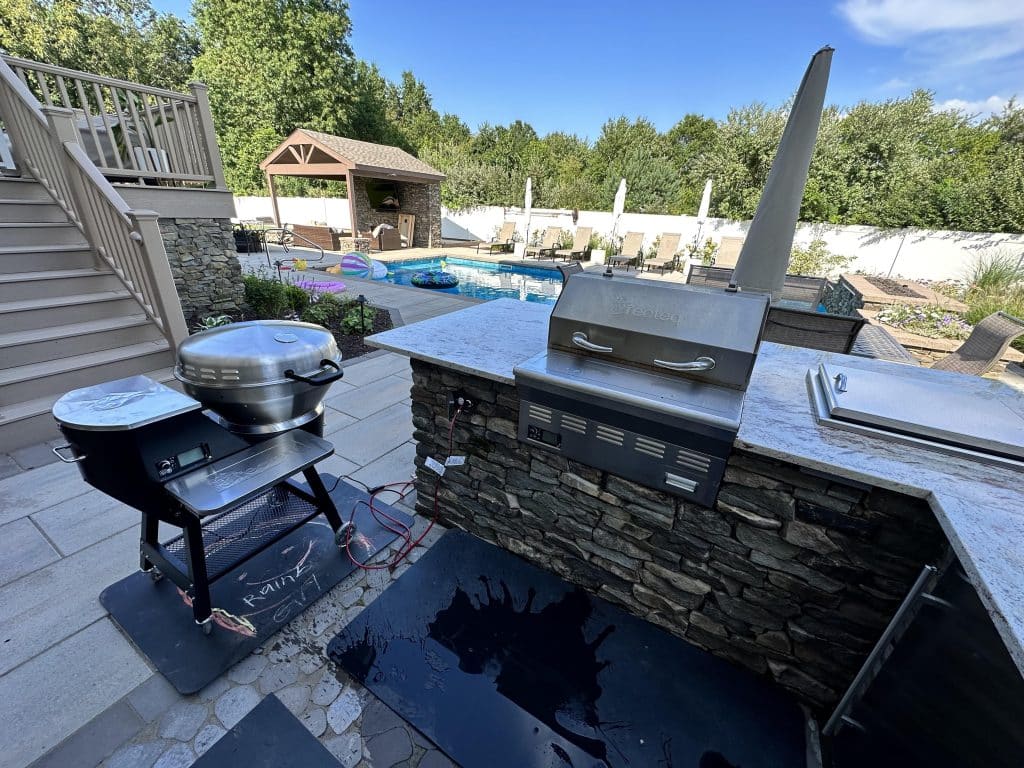
Imagine transforming your backyard into the ultimate outdoor oasis where flavors come alive and entertaining becomes effortless. With a built-in pellet grill outdoor kitchen, you can elevate your cooking experience and impress your guests.
Picture yourself hosting memorable gatherings with ease, as the mouthwatering aroma of perfectly grilled dishes fills the air. Curious about how this culinary game-changer can enhance your lifestyle? You’ll discover the benefits of a built-in pellet grill and how it can turn your outdoor space into the heart of your home.
Get ready to unlock the secrets to unforgettable alfresco dining experiences!
Choosing The Right Pellet Grill
Built-in pellet grills are a great addition to any outdoor kitchen. Picking the right one makes cooking easier and more enjoyable.
Think about what you need before buying. This helps you find a grill that fits your space and cooking style.
Key Features To Consider
Look for features that match your cooking needs. Some grills have digital controls, while others offer smart apps.
- Temperature control options
- Ease of cleaning
- Additional cooking modes
- Built-in meat probes
Size And Cooking Capacity
Choose a grill size based on how many people you cook for. Larger grills cook more food at once.
Check the cooking surface area. More space means you can grill different foods at the same time.
- Small grills: good for 2-4 people
- Medium grills: fit 4-8 people
- Large grills: serve 8 or more
Fuel Efficiency And Pellet Types
Fuel use affects how long your grill runs and how much it costs. Pellet grills use wood pellets made from different woods.
Look for grills that use pellets efficiently. Some types of wood give different flavors to your food.
- Hickory pellets for strong smoky flavor
- Apple pellets for sweet, mild smoke
- Mesquite pellets for bold, earthy taste
- Pellet hopper size affects how long it cooks
Durability And Material Quality
Outdoor grills face weather, so choose one made with strong materials. Stainless steel is common and lasts long.
Check for rust resistance and build quality. A sturdy grill stays reliable through many cooking seasons.
- Stainless steel resists rust and corrosion
- Cast iron parts hold heat well
- Powder-coated steel adds extra protection
- Good seals keep heat and smoke inside
Credit: smokinbrothers.com
Designing Your Outdoor Kitchen
Designing an outdoor kitchen with a built-in pellet grill needs good planning.
Think about space, storage, weatherproofing, lighting, and electrical needs.
Layout And Space Planning
Plan your outdoor kitchen layout to fit your space well. Make sure there is room to move around.
- Place the pellet grill in a central spot for easy access.
- Include counters for prep and serving food.
- Keep seating areas near the cooking zone.
- Allow space for a fridge or cooler if needed.
- Plan pathways to avoid crowding.
Incorporating Storage Solutions
Good storage keeps your outdoor kitchen tidy and efficient. Use cabinets and shelves wisely.
| Storage Type | Purpose |
| Weatherproof Cabinets | Protect utensils and tools |
| Open Shelves | Easy access to spices and condiments |
| Drawer Units | Store grilling accessories |
| Built-in Trash Bins | Keep the area clean |
Weatherproofing And Materials
Choose materials that resist rain, sun, and wind. This helps your kitchen last longer.
- Use stainless steel for grills and counters.
- Select stone or concrete for durable surfaces.
- Pick weatherproof paint or sealants.
- Cover appliances with fitted covers.
- Use rust-resistant hardware and fixtures.
Lighting And Electrical Needs
Proper lighting helps you cook safely after dark. Plan your electrical setup carefully.
- Install overhead lights for general illumination.
- Add task lighting near the grill and prep areas.
- Use weatherproof outlets for appliances.
- Consider dimmable lights for ambiance.
- Ensure wiring follows local safety codes.
Installation Tips
Installing a built-in pellet grill in your outdoor kitchen needs good planning. Proper setup ensures safety and great cooking results.
Follow these tips to prepare your site, manage ventilation, set up hookups, and keep your area safe.
Site Preparation
Choose a flat and stable area for your pellet grill. Check that the surface can hold the grill’s weight safely.
Clear the space around the grill from flammable materials and plants. Keep the area clean and free of debris.
- Measure space carefully before installation
- Ensure easy access for maintenance
- Keep grill away from walls and fences
- Plan for countertop and storage spaces
Proper Ventilation
Your pellet grill needs good airflow to work well and stay safe. Avoid placing it in enclosed or tight spaces.
Make sure smoke and heat can escape easily. Ventilation lowers fire risks and keeps air fresh around the grill.
- Install near open areas or with vents
- Keep at least 3 feet of clearance
- Check local codes for ventilation rules
Gas And Electrical Hookups
Many pellet grills need electricity and gas for power and ignition. Use a licensed professional to set up connections.
Check the grill’s manual for required voltage and gas type. Secure pipes and wires to avoid damage or leaks.
- Use weatherproof electrical outlets
- Install a shut-off valve for gas supply
- Test all connections before use
- Follow local safety codes strictly
Safety Precautions
Keep fire safety tools like extinguishers nearby. Do not leave the grill unattended while cooking.
Regularly clean grease traps and check for leaks. Always read the grill’s safety instructions before use.
- Keep children and pets away from the grill
- Wear heat-resistant gloves when cooking
- Store pellets in a dry place
- Turn off gas and power after use

Credit: www.atbbq.com
Pellet Grill Maintenance
Maintaining your built-in pellet grill keeps it working well for years. Regular care helps you cook better and avoid problems.
Follow simple steps to clean and check your grill. This guide covers key maintenance areas for your pellet grill.
Cleaning Techniques
Clean your pellet grill after every use. Remove ashes and grease to prevent buildup and fire hazards.
- Empty the ash from the fire pot and drip tray.
- Scrub grill grates with a grill brush.
- Wipe the interior and exterior with a damp cloth.
- Check for rust and remove it using a wire brush.
Pellet Hopper Care
Keep the pellet hopper dry and clean. Moist pellets can clog your grill and stop it from working.
- Check the hopper for leftover pellets after cooking.
- Remove any pellet dust or debris from the hopper.
- Store pellets in a dry place to avoid moisture.
- Use a vacuum or soft brush to clean inside the hopper.
Seasonal Maintenance
Perform thorough cleaning and inspection before and after each grilling season. This prevents damage and extends grill life.
| Task | Frequency |
| Deep clean fire pot and heat deflector | Every 3 months |
| Lubricate hinges and moving parts | Every 6 months |
| Check and replace worn gaskets | Annually |
| Inspect electrical connections | Annually |
Troubleshooting Common Issues
If your pellet grill has problems, try these simple fixes first. This can save time and avoid costly repairs.
- Check if the pellets are dry and fresh.
- Inspect the igniter for damage or dirt.
- Clear any blockages in the fire pot or hopper.
- Verify the power supply and electrical connections.
- Clean the temperature probe to ensure accurate readings.
Cooking Techniques And Recipes
Built-in pellet grills offer a unique way to cook outdoors. They combine smoking and grilling to enhance flavors. Understanding the right methods helps you prepare tasty meals.
This guide covers temperature control, cooking methods, popular recipes, and side pairings. Each section gives clear tips and ideas to improve your outdoor kitchen experience.
Temperature Control Tips
Controlling temperature is key for pellet grill success. Keep the grill clean for steady heat. Use the built-in thermostat to set the right temperature for your food.
- Preheat the grill for 10-15 minutes before cooking
- Use a meat thermometer to check internal temperature
- Adjust vents to manage airflow and heat
- Keep the lid closed to maintain steady heat
Smoking And Grilling Methods
Pellet grills can smoke or grill food. Smoking uses low heat and wood pellets for flavor. Grilling uses high heat for quick cooking and grill marks.
- For smoking, cook at 225°F to 250°F for several hours
- For grilling, set temperature to 400°F or higher
- Use indirect heat for large cuts of meat
- Flip food only once for best results
Popular Pellet Grill Recipes
Try these easy recipes on your pellet grill. Each uses simple ingredients and common cooking times. Adjust spice levels to your taste.
| Recipe | Main Ingredient | Cooking Temp | Time |
| Smoked Brisket | Beef brisket | 225°F | 8-10 hours |
| BBQ Chicken | Chicken thighs | 350°F | 45-60 minutes |
| Grilled Salmon | Salmon fillets | 400°F | 15-20 minutes |
| Smoked Ribs | Pork ribs | 225°F | 5-6 hours |
Pairing Sides And Sauces
Good sides and sauces bring out the best in grilled foods. Choose fresh and simple dishes. Match sauce flavors to the meat type for balance.
- Coleslaw or potato salad for BBQ meats
- Grilled vegetables like zucchini and peppers
- Sweet sauces with pork, spicy sauces with beef
- Fresh bread or cornbread on the side
Credit: garrisonstreetdesignstudio.com
Enhancing The Bbq Experience
Built-in pellet grills bring a new level of fun to outdoor cooking. They make BBQ easier and more enjoyable.
These grills fit perfectly in outdoor kitchens. They offer great flavor and control for every cookout.
Adding Accessories
Accessories help you get more from your pellet grill. They make cooking faster and more fun.
Tools like grill covers, side shelves, and tool hooks keep your space tidy and ready.
- Grill covers protect from weather
- Side shelves hold plates and sauces
- Tool hooks keep utensils close by
- Thermometer probes check meat temperature
Smart Technology Integration
Smart tech lets you control the grill from your phone. It helps keep the temperature just right.
Apps can send alerts when food is done. This means less guessing and better results.
- Wi-Fi and Bluetooth connections
- Remote temperature monitoring
- Automatic temperature adjustments
- Recipe and timer features in apps
Entertaining Guests Outdoors
Outdoor kitchens with built-in pellet grills create a fun space for friends and family. Everyone can enjoy cooking and eating outside.
Set up seating and lighting to make guests comfortable. A good layout helps you serve food easily.
- Comfortable chairs and tables
- Proper lighting for evening use
- Serving areas near the grill
- Space for socializing and relaxing
Frequently Asked Questions
What Is A Built-in Pellet Grill Outdoor Kitchen?
A built-in pellet grill outdoor kitchen combines grilling and cooking features. It integrates a pellet grill into an outdoor kitchen setup. This setup offers convenience, style, and efficient cooking for outdoor gatherings and meals.
How Does A Pellet Grill Work In Outdoor Kitchens?
A pellet grill uses wood pellets as fuel. An electric auger feeds pellets into a firepot, generating heat and smoke. This process provides consistent temperature control and imparts a smoky flavor to the food.
What Are The Benefits Of Built-in Pellet Grills?
Built-in pellet grills offer precise temperature control and ease of use. They save space and enhance outdoor kitchen aesthetics. These grills provide rich smoky flavors and versatile cooking options.
Are Built-in Pellet Grills Easy To Maintain?
Yes, built-in pellet grills require simple maintenance. Regular cleaning of the firepot and ash removal is essential. Periodic inspection of the auger and grease management ensures optimal performance.
Conclusion
A built-in pellet grill adds great value to any outdoor kitchen. It offers easy cooking with tasty results every time. You can enjoy grilling without much hassle or mess. This setup fits well in many backyard spaces. It brings family and friends together around good food.
Simple to use and clean, it saves time. Choose the right model to match your needs. Cooking outside becomes a fun and relaxing activity. A built-in pellet grill makes outdoor meals better and more enjoyable.