Baking a layer cake from scratch might seem tricky, but it’s easier than you think. Imagine cutting into a soft, fluffy cake that you made with your own hands.
The rich layers, the creamy frosting—it’s a reward you can enjoy again and again. Whether you want to impress your friends or treat yourself, this step-by-step guide will show you exactly how to create a perfect layer cake. Ready to turn simple ingredients into a stunning dessert?
Let’s get started and make your baking dreams come true.
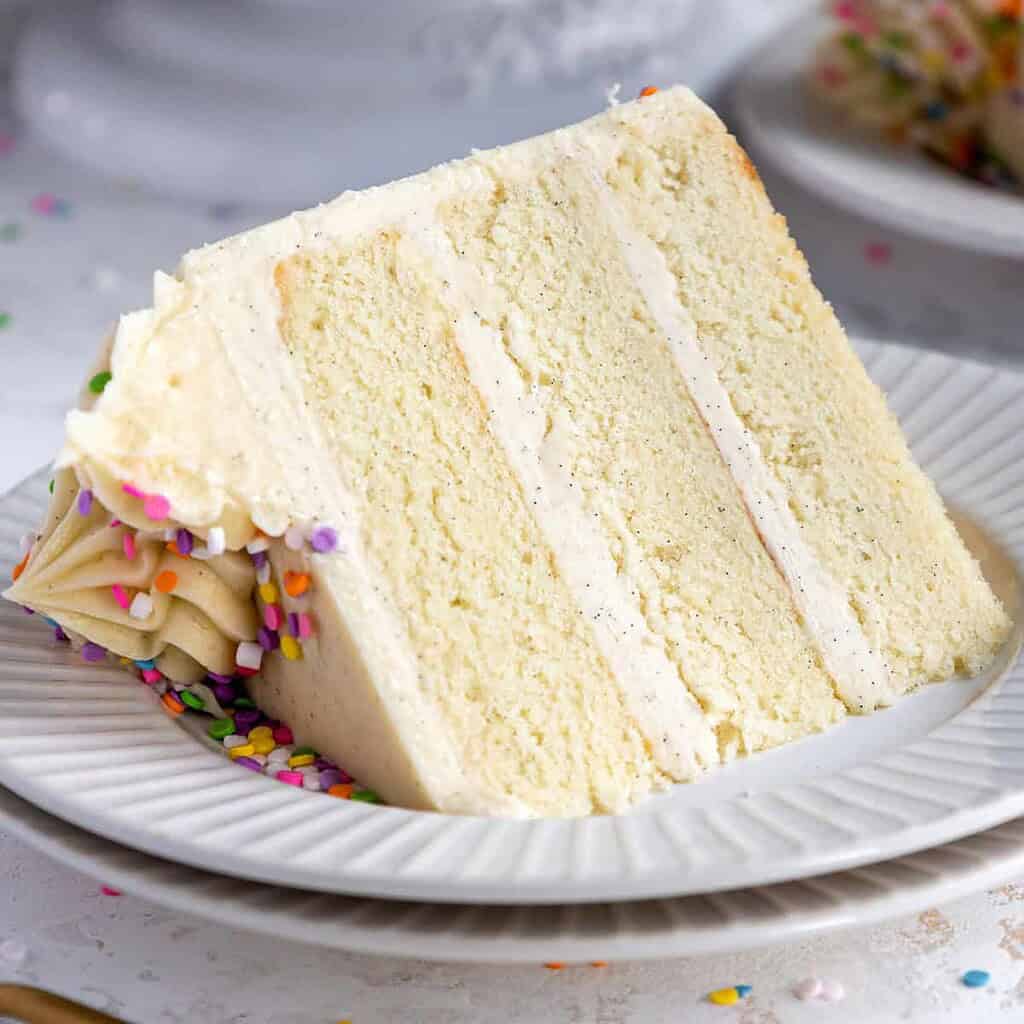
Credit: chelsweets.com
Choosing Ingredients
Baking a layer cake from scratch begins with selecting the right ingredients. Each item affects the cake's texture and flavor.
Good ingredients help your cake rise well and taste fresh. Let’s look at key choices for your cake.
Selecting Flour And Sugar
Flour and sugar are the cake’s base. Use all-purpose flour for a soft crumb. Avoid self-rising flour since it has baking powder added.
- Choose granulated sugar for sweetness and texture.
- Use cake flour for a lighter, tender cake.
- Measure flour by spooning into the cup and leveling off.
- Weigh sugar for precise results.
Picking The Right Eggs And Butter
Eggs add structure and moisture. Use large eggs at room temperature for even mixing. Butter adds richness and flavor.
| Ingredient | Tip |
| Eggs | Use large, fresh eggs at room temperature |
| Butter | Use unsalted butter, softened to room temperature |
| Butter | Check for a fresh, creamy smell |
Using Fresh Baking Powder And Vanilla
Fresh baking powder makes cakes rise well. Old powder can cause flat cakes. Vanilla adds aroma and flavor to the batter.
- Test baking powder by mixing a small amount with hot water; it should bubble vigorously.
- Buy pure vanilla extract for the best taste.
- Store baking powder in a cool, dry place to keep it fresh.

Credit: sallysbakingaddiction.com
Preparing The Batter
Baking a layer cake starts with making the batter just right. The batter needs the right mix of ingredients and care.
This guide covers how to prepare the batter step by step. Each part helps your cake turn out soft and tasty.
Measuring Ingredients Accurately
Measuring ingredients with care is key. Too much or too little can change how the cake bakes.
- Use dry measuring cups for flour and sugar.
- Use liquid measuring cups for milk and oil.
- Level off dry ingredients with a flat edge.
- Check that spoons for baking powder and salt are exact.
- Measure ingredients at eye level for accuracy.
Creaming Butter And Sugar
Creaming butter and sugar adds air to the batter. This makes the cake light and fluffy.
Use room temperature butter. Beat it with sugar until the mix looks pale and smooth.
Adding Eggs And Vanilla
Add eggs one at a time. Beat well after each egg to mix it fully into the batter.
Pour in vanilla extract last. It gives the cake a nice flavor without changing the texture.
Incorporating Dry Ingredients
Mix dry ingredients gently into the wet mix. Stir just until flour disappears to keep the cake soft.
| Dry Ingredients | Mixing Tips |
| Flour | Sift before adding to avoid lumps |
| Baking Powder | Mix evenly with flour first |
| Salt | Add small amount to balance sweetness |
Baking The Layers
Baking the layers is a key part of making a layer cake from scratch. Each layer should bake evenly and hold its shape well.
Pay close attention to your oven and pans to get perfect cake layers every time.
Preheating The Oven
Always preheat your oven before baking the cake layers. This helps the cake bake evenly from the start.
Set your oven to the temperature stated in your recipe. Wait until it reaches the right heat before putting the pans inside.
Greasing And Lining Pans
Grease your cake pans with butter or oil to stop the cake from sticking. Then, line the bottom with parchment paper.
This step makes it easier to remove the layers once they are baked and cool.
Pouring Batter Evenly
Divide your batter equally between the prepared pans. Use a scale or measuring cup for accuracy.
Smooth the batter surface with a spatula to help layers bake flat and even.
Baking Time And Temperature Tips
Bake the layers at the temperature your recipe suggests. Check them a few minutes before the time ends.
Insert a toothpick in the center to test doneness. It should come out clean or with a few crumbs.
- Avoid opening the oven too often, or layers may sink.
- Rotate pans halfway through baking for even heat.
- Let layers cool in the pans for 10 minutes before removing.
Checking For Doneness
Knowing when your layer cake is fully baked is key for a great dessert. Checking doneness avoids a raw center or a dry cake.
Use simple tests to decide if your cake is ready to come out of the oven. These tests help you get perfect texture and taste every time.
Using A Toothpick Test
Insert a toothpick into the center of the cake. If it comes out clean, the cake is done. If it has batter, it needs more time.
- Choose a plain wooden toothpick or a thin skewer.
- Push it into the middle of the cake gently.
- Pull it out and check for wet batter.
- Repeat in a few spots if needed.
Assessing Cake Texture
Look at the cake surface and feel its texture to check doneness. A fully baked cake should spring back when pressed.
| Texture Test | What to Look For |
|---|---|
| Touch the top lightly | Should feel firm, not soft or jiggly |
| Press the center gently | Should bounce back quickly |
| Check the edges | Should start to pull away from the pan |
Cooling And Preparing Layers
After baking your cake layers, cooling and preparing them right is key. This helps your cake stay moist and look neat. It also makes stacking easier.
Follow these steps to cool your cakes well, remove them safely, and get the layers ready for frosting and filling.
Cooling Cakes Properly
Let your cakes cool in the pans for about 10 to 15 minutes. This short time helps the cake firm up. Then, transfer them to a cooling rack to cool completely. This keeps air flowing and stops the cake from getting soggy.
- Cool cakes in their pans for 10–15 minutes.
- Run a knife around the edges to loosen the cake.
- Flip cakes onto a wire rack to cool fully.
- Let the cakes cool for at least one hour before handling.
Removing Cakes From Pans
Removing cakes gently keeps their shape intact. First, loosen the edges with a knife. Place a cooling rack on top of the pan. Flip the pan and rack together. Lift the pan off slowly. If the cake sticks, tap the pan edges lightly.
| Tip | Reason |
|---|---|
| Use parchment paper in pans | Makes cake removal easier |
| Cool cake 10–15 minutes before removing | Prevents breaking |
| Loosen edges with a knife | Helps cake release |
| Flip pan onto rack carefully | Protects cake shape |
Leveling Cake Layers
Leveling layers makes your cake stack evenly. Use a serrated knife or cake leveler. Cut off the domed top to create a flat surface. This helps layers sit straight and look neat.
- Place cake layer on a flat surface.
- Hold a serrated knife horizontally around the cake.
- Slowly cut off the rounded top to level the cake.
- Repeat for each layer before stacking.

Credit: sallysbakingaddiction.com
Making Frosting
Frosting adds flavor and beauty to a layer cake. It helps hold the layers together and makes the cake look nice.
There are many types of frosting. Each one has a different taste and texture. Learning how to make smooth frosting is key.
Choosing Buttercream Or Other Types
Buttercream is a popular choice. It is creamy and sweet. You can also try cream cheese or whipped cream frosting.
Buttercream uses butter and sugar. Cream cheese frosting has a tangy taste. Whipped cream frosting is light and fluffy.
- Buttercream: rich and smooth
- Cream cheese: tangy and soft
- Whipped cream: light and airy
- Ganache: glossy and chocolatey
Mixing Ingredients Smoothly
Start with room temperature ingredients. This helps them blend well. Cold butter or cream can make frosting lumpy.
Mix sugar slowly into the butter. Beat the frosting until it is smooth and creamy. Stop to scrape the bowl sides.
- Use softened butter or cream cheese
- Add powdered sugar gradually
- Beat on medium speed for best texture
- Scrape the bowl often to mix evenly
Assembling The Cake
Assembling a layer cake takes patience and care. You will stack, frost, and decorate your cake to make it look great and taste delicious.
Follow these steps to put your cake together smoothly and get a beautiful final result.
Layering Cake And Frosting
Start by placing the first cake layer on a flat surface or cake board. Spread an even layer of frosting over it. Then add the next cake layer on top. Repeat until all layers are stacked.
- Use a spatula to spread frosting evenly between layers.
- Press layers gently to remove air pockets.
- Keep the sides as straight as possible for a neat look.
Applying Crumb Coat
The crumb coat is a thin layer of frosting that seals in crumbs. It helps make the final frosting smooth and crumb-free.
After applying the crumb coat, chill the cake in the refrigerator for about 20 minutes. This makes the frosting firm and ready for the final layer.
| Crumb Coat Tips | Reason |
|---|---|
| Use a small amount of frosting | Prevents crumbs from mixing with final frosting |
| Apply gently with a spatula | Keeps the layers intact |
| Chill before final frosting | Helps frosting set better |
Final Frosting And Decoration
Once the crumb coat is firm, apply a thick, even layer of frosting over the whole cake. Smooth the sides and top for a clean finish.
- Use an offset spatula to spread frosting smoothly.
- Turn the cake on a cake stand for easy access.
- Add decorations like sprinkles, fruit, or edible flowers.
- Keep the cake refrigerated if not serving soon.
Tips For Perfect Layers
Baking a layer cake from scratch takes care and patience. Perfect layers make your cake look beautiful and taste great.
Use the right tools and follow simple tricks to get even cake layers every time you bake.
Avoiding Common Mistakes
Uneven layers and dry cake often happen from simple errors. Watch for these common mistakes to improve your cake.
- Do not overmix the batter to keep it light and fluffy.
- Use the same size pans for each layer to keep them even.
- Level the batter in the pan before baking for flat tops.
- Check the oven temperature with a thermometer to avoid overbaking.
- Let cakes cool completely before stacking to prevent sliding.
Storage And Serving Suggestions
Proper storage keeps your layer cake fresh and tasty. Follow these tips to enjoy your cake longer.
| Storage Method | How to Store | Duration |
| Room Temperature | Cover with a cake dome or plastic wrap | 1-2 days |
| Refrigerator | Wrap in plastic wrap and place in an airtight container | Up to 5 days |
| Freezer | Wrap layers tightly in plastic wrap and foil; thaw before serving | Up to 2 months |
Frequently Asked Questions
How Do I Prepare Cake Layers Evenly?
Use an oven thermometer and level your batter evenly in pans. Rotate pans halfway through baking. Cool layers completely before stacking for best results.
What Ingredients Are Essential For A Layer Cake?
Basic ingredients include flour, sugar, eggs, butter, baking powder, and milk. Quality ingredients ensure better texture and flavor in your cake.
How Long Should I Bake Each Cake Layer?
Bake layers for 25-30 minutes at 350°F (175°C). Check doneness with a toothpick; it should come out clean.
How Do I Prevent Cake Layers From Drying Out?
Avoid overbaking and use simple syrup to moisten layers. Wrap layers in plastic wrap if not assembling immediately.
Conclusion
Baking a layer cake from scratch is simpler than you think. Follow these steps, and your cake will impress everyone. Start with fresh ingredients. Measure them carefully. Mix them with patience and love. Bake until golden. Let it cool completely.
Layer and frost with your favorite flavors. Your homemade cake will be delicious. Share it with friends and family. Enjoy every bite. Baking at home is rewarding. You can do it! With practice, your skills will grow. Have fun in the kitchen.
Happy baking!